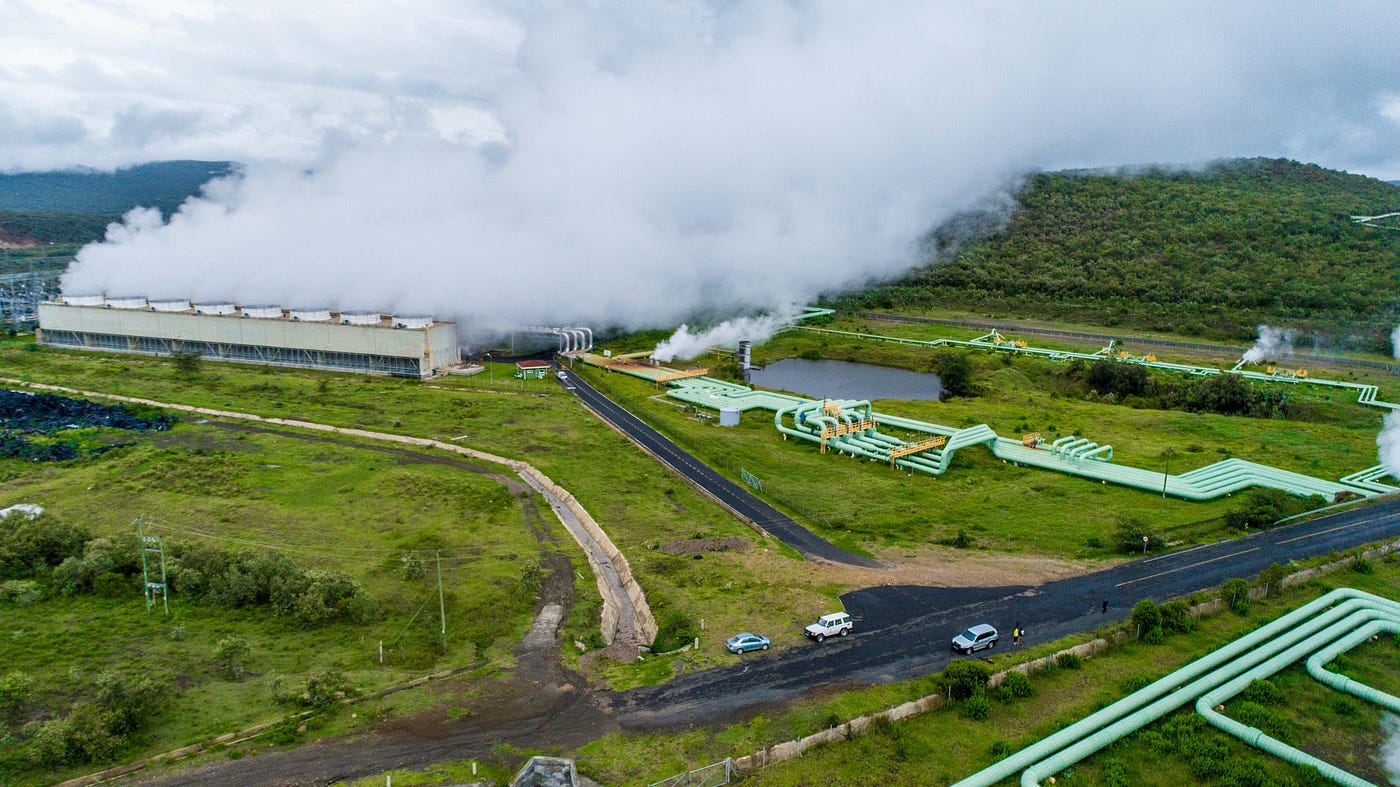
The Future of Renewable Power: A Comprehensive Guide to Solar Energy
Introduction to Solar Energy
The Future of Renewable Power: A Comprehensive Guide to Solar Energy

Introduction to Solar Energy
Solar energy is a powerful and sustainable source of renewable energy that harnesses sunlight to generate electricity. As the world shifts towards greener solutions, solar energy has gained significant attention for its potential to reduce dependence on fossil fuels and lower carbon footprints.
How Solar Energy Works
Solar energy is captured through photovoltaic (PV) cells, which convert sunlight into direct current (DC) electricity. This electricity is then converted into alternating current (AC) using an inverter, making it suitable for residential, commercial, and industrial use. Additionally, solar thermal systems use sunlight to heat water or air for various applications.
Types of Solar Energy Systems
Photovoltaic (PV) Systems — Convert sunlight directly into electricity using solar panels.
Solar Thermal Systems — Utilize solar collectors to absorb heat for water heating, space heating, and industrial processes.
Concentrated Solar Power (CSP) — Use mirrors or lenses to focus sunlight on a small area, generating heat that drives turbines for electricity production.
Benefits of Solar Energy
1. Environmentally Friendly
Solar energy is a clean and renewable resource that significantly reduces greenhouse gas emissions and air pollution.
2. Cost Savings on Electricity Bills
Installing a solar energy system reduces reliance on the electrical grid, leading to substantial cost savings over time. Many homeowners and businesses benefit from net metering, where excess energy can be sold back to the grid.
3. Energy Independence
Solar power allows individuals and businesses to generate their own electricity, reducing dependence on external energy providers and enhancing energy security.
4. Low Maintenance Costs
Solar panels require minimal maintenance and have long lifespans, often lasting 25 years or more with regular cleaning and occasional inspections.
Challenges and Considerations
Initial Installation Costs — While the long-term savings are significant, the upfront cost of solar panel installation can be high. However, government incentives, tax credits, and financing options help offset expenses.
Weather Dependence — Solar energy production depends on sunlight availability, which can be affected by cloudy days or nighttime periods.
Space Requirements — Large solar installations require adequate roof or land space for optimal efficiency.
The Future of Solar Energy
Advancements in solar technology continue to improve efficiency, affordability, and accessibility. Innovations such as perovskite solar cells, floating solar farms, and energy storage solutions are making solar energy more viable than ever. As countries and industries prioritize sustainability, solar energy is expected to play a crucial role in meeting global energy demands.
Conclusion
Solar energy is a game-changer in the transition to renewable power. With its numerous environmental and economic benefits, adopting solar energy is a step towards a cleaner, more sustainable future. Investing in solar power today ensures long-term energy savings and a reduced carbon footprint, making it an excellent choice for individuals, businesses, and governments worldwide.
메타데이터
- post_id
- 0bfaa783299d
- slug
- the-future-of-renewable-power-a-comprehensive-guide-to-solar-energy-0bfaa783299d
- url
- https://medium.com/@abbastaj2345/the-future-of-renewable-power-a-comprehensive-guide-to-solar-energy-0bfaa783299d
- canonical_url
- https://medium.com/@abbastaj2345/the-future-of-renewable-power-a-comprehensive-guide-to-solar-energy-0bfaa783299d
- author_url
- https://medium.com/@abbastaj2345
- status
- ok
- fetched_at
- 2026-07-20 23:18:48