How Do Connectors Shape Modern Electronics and Industrial Systems?
Connectors play a vital role in ensuring uninterrupted communication and power transmission across various electronic and electrical…
How Do Connectors Shape Modern Electronics and Industrial Systems?

Connectors
Connectors play a vital role in ensuring uninterrupted communication and power transmission across various electronic and electrical systems. Whether it’s a high-performance server, a medical diagnostic machine, or an everyday smartphone, connectors silently facilitate seamless interactions between components. This article explores the core functions, types, and technological significance of connectors in today’s rapidly evolving industries.
What Is the Purpose of a Connector?
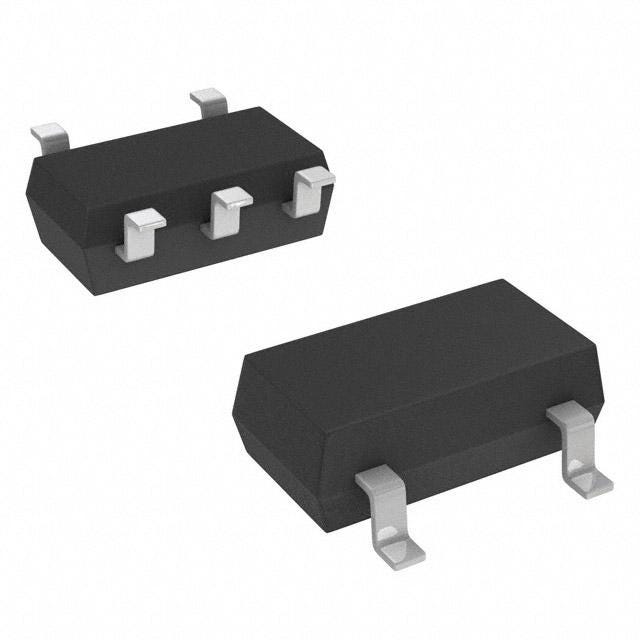
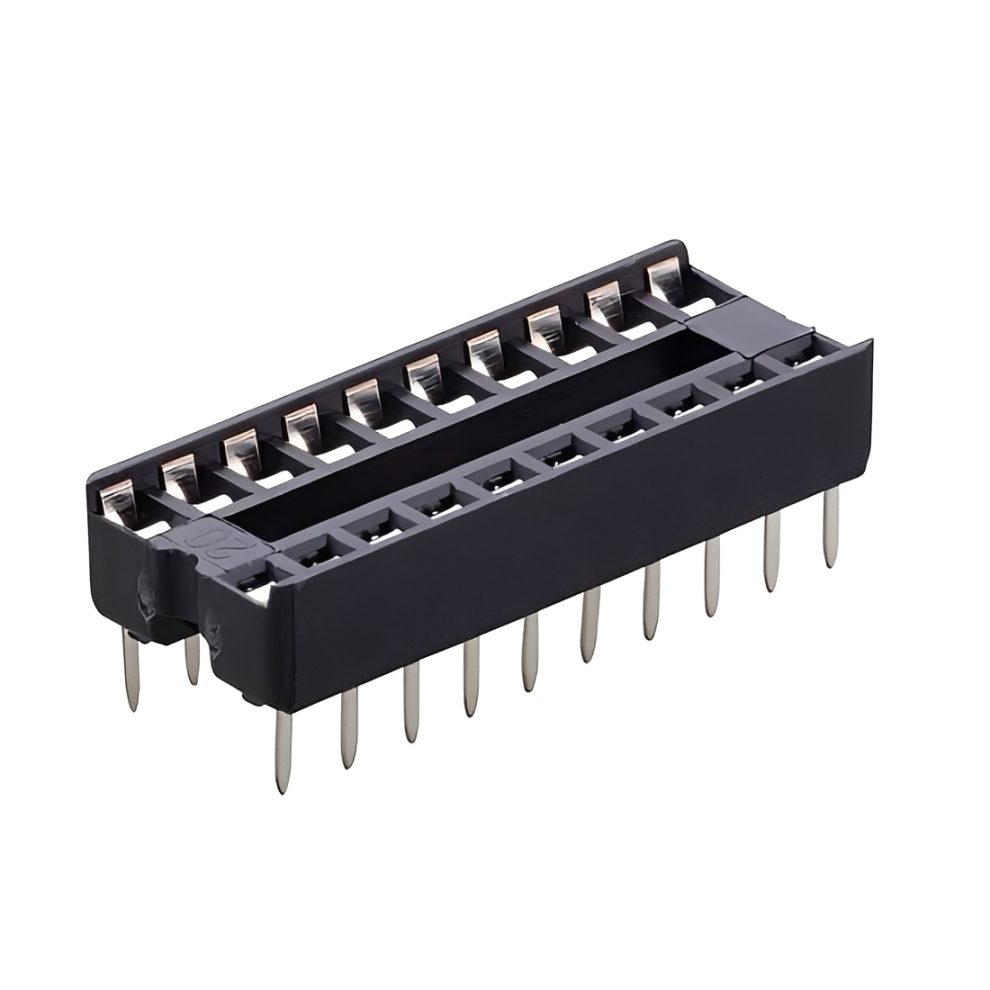
A **connector** is an electromechanical interface that joins conductors to establish a secure electrical path. Its primary purpose is to enable the assembly, testing, maintenance, and replacement of components without permanent soldering. Connectors streamline design and enable modular, adaptable, and serviceable devices, contributing to system efficiency and longevity.
Why Are Connectors Essential Across Industries?
In a world where systems rely on real-time data exchange and reliable **power distribution**, connectors ensure that signals reach their destinations with integrity and speed. Their value extends far beyond simple mechanical interfaces; they are critical to operational stability and functional performance.
Telecommunications
- Enable high-speed signal transfer for data, voice, and video communication.
- Support fibre optics, Ethernet, and coaxial cabling systems
- Allow fast and secure installation in the network infrastructure
Renewable Energy Systems
- Connect solar panels, battery storage units, and inverters
- Handle high currents and voltage fluctuations
- Designed for weather resistance and long-term outdoor use
Industrial Machinery
- Integrate **sensors**, actuators, and PLCs with control units
- Withstand harsh operating conditions such as vibration and temperature extremes
- Offer easy troubleshooting and component replacement
Wearable and Portable Devices
- Allow compact and flexible connectivity in fitness trackers and medical wearables
- Support low-power and high-reliability communication
- Promote sleek designs with durable performance
What Categories of Connectors Are Available?
Connectors come in a broad range of designs to suit specific needs related to signal type, mechanical durability, and environmental factors.
Board-to-Board Connectors
- Link two printed circuit boards directly or via mezzanine layers
- Used in compact **consumer electronics** and computer systems
- Provide high-speed signal transfer in tight spaces
Cable-to-Board Connectors
- Attach external cables to PCBs for power or data exchange
- Ensure stable connections in fluctuating environments
- Found in power supplies, control modules, and communication ports
Power Connectors
- Carry high current to energise devices or subsystems
- Include AC, DC, and hybrid power interfaces
- Used in charging stations, industrial motors, and power grids
Data Connectors
- Transmit digital signals with minimal loss and interference
- Include USB, RJ45, HDMI, and **fiber optic connectors**
- Support high-speed protocols such as Ethernet, USB-C, and Thunderbolt
RF and Microwave Connectors
- Handle radio frequency signals in wireless and radar systems
- Maintain signal clarity at high frequencies
- Include SMA, N-type, and TNC connectors for precision performance
How Do You Choose the Right Connector?
Selecting the ideal connector involves evaluating application requirements, operating conditions, and electrical performance. A mismatch can result in failure or inefficiency.
- Assess the current and voltage specifications for safe operation
- Determine mechanical durability needs based on usage frequency
- Choose materials that resist corrosion, vibration, and extreme temperatures
- Consider locking mechanisms or latching systems for secure mating
- Match connector size to the space constraints in the assembly
- Validate compliance with relevant standards and certifications
What Makes Connectors Reliable?
Reliability in connectors stems from their ability to deliver **electrical** performance without degradation over time consistently. Several design factors contribute to this:
- Low contact resistance to minimise energy loss
- Gold or nickel plating to prevent oxidation
- Secure the mating force to avoid accidental disconnection
- Insulation resistance to prevent short circuits
- Shielding features to block electromagnetic interference
How Are Modern Connectors Adapting to Technological Trends?
As electronics become faster, smaller, and more interconnected, connectors are evolving to support next-generation systems. Innovations in design and materials are driving new capabilities across sectors.
- High-speed connectors support data rates beyond 40 Gbps
- Micro and nano connectors allow denser circuit designs
- Hybrid connectors combine power and signal in a single interface
- Waterproof and IP-rated designs enhance outdoor and marine applications
- Tool-less and snap-fit connectors reduce installation time and cost
What Are the Benefits of Using Modular Connectors?
Modular connectors allow customisation and scalability without redesigning entire systems. This is particularly valuable in industrial and automation settings.
- Simplify installation and reconfiguration
- Reduce inventory by supporting multiple configurations
- Enable rapid prototyping and testing
- Improve maintainability with easy access to individual parts
How to Ensure Long-Term Connector Performance?
For optimal longevity, connectors must be installed correctly and maintained periodically. Environmental exposure, vibration, and overcurrent can all impact lifespan.
- Use strain reliefs to minimise cable tension
- Apply dielectric grease to resist moisture in outdoor use
- Avoid mismatched pairs that compromise contact quality
- Monitor for signs of wear, discolouration, or overheating
- Store unused connectors in dry, dust-free environments
Why Are Connectors a Critical Component in Design?
Connectors influence the performance, reliability, and flexibility of any electronic system. Poor connector selection can bottleneck data, cause downtime, or lead to system failure. Engineers should prioritise connector integration during the earliest stages of system design to ensure seamless operation and long-term success.
Conclusion
Connectors are far more than mechanical couplers — they are enablers of modern technology. As the demand for faster, smaller, and more intelligent systems grows, so does the need for advanced connectivity solutions. Whether you’re designing a wearable device, building an industrial machine, or upgrading a communication network, understanding connectors and their role in the system architecture is crucial for success.
메타데이터
- post_id
- 0bfc65427f0b
- slug
- how-do-connectors-shape-modern-electronics-and-industrial-systems-0bfc65427f0b
- url
- https://medium.com/@joddiemarshall6/how-do-connectors-shape-modern-electronics-and-industrial-systems-0bfc65427f0b
- canonical_url
- https://medium.com/@joddiemarshall6/how-do-connectors-shape-modern-electronics-and-industrial-systems-0bfc65427f0b
- author_url
- https://medium.com/@joddiemarshall6
- status
- ok
- fetched_at
- 2026-07-13 06:23:13