THE COMPETITIVE EDGE OF PRICING TRANSPARENCY IN LIGHT GAUGE STEEL CONSTRUCTION
Clear, transparent pricing is one of the most important factors in the success of any light gauge steel (LGS) project. When stakeholders…
THE COMPETITIVE EDGE OF PRICING TRANSPARENCY IN LIGHT GAUGE STEEL CONSTRUCTION

Clear, transparent pricing is one of the most important factors in the success of any light gauge steel (LGS) project. When stakeholders understand what influences costs — from material pricing and engineering requirements to fabrication and installation — they can make informed decisions, avoid unexpected expenses, and keep projects moving forward with confidence. This guide explores the key cost drivers in LGS construction and explains why pricing transparency is essential for building trust, reducing risk, and delivering projects on time and within budget.
CONSAC INSIGHTS CONSTRUCTION & FABRICATION
Introduction: Why Pricing Transparency Matters in LGS Construction
Light gauge steel (LGS) construction continues to gain momentum across the United States, driven by its ability to deliver faster project timelines, structural precision, and greater design flexibility. From multifamily housing developments and commercial buildings to modular construction projects, LGS has become a preferred solution for builders seeking efficiency without compromising quality.
However, alongside these advantages, one persistent challenge remains: pricing transparency. Project owners, contractors, and design teams often struggle to clearly understand how costs are calculated, what drives price fluctuations, or how to accurately compare competing proposals. When pricing lacks clarity, it can lead to budget overruns, unexpected change orders, and unnecessary tension among project stakeholders.
Transparency in pricing goes far beyond simple cost reporting — it is a critical component of effective project management and strong business relationships. When every stakeholder has a clear view of where project dollars are being spent, decision-making becomes more informed, trust grows stronger, and collaboration improves throughout the construction process. In an industry where precision and predictability matter, transparent pricing helps create the foundation for successful project outcomes.
What Is Light Gauge Steel Construction?
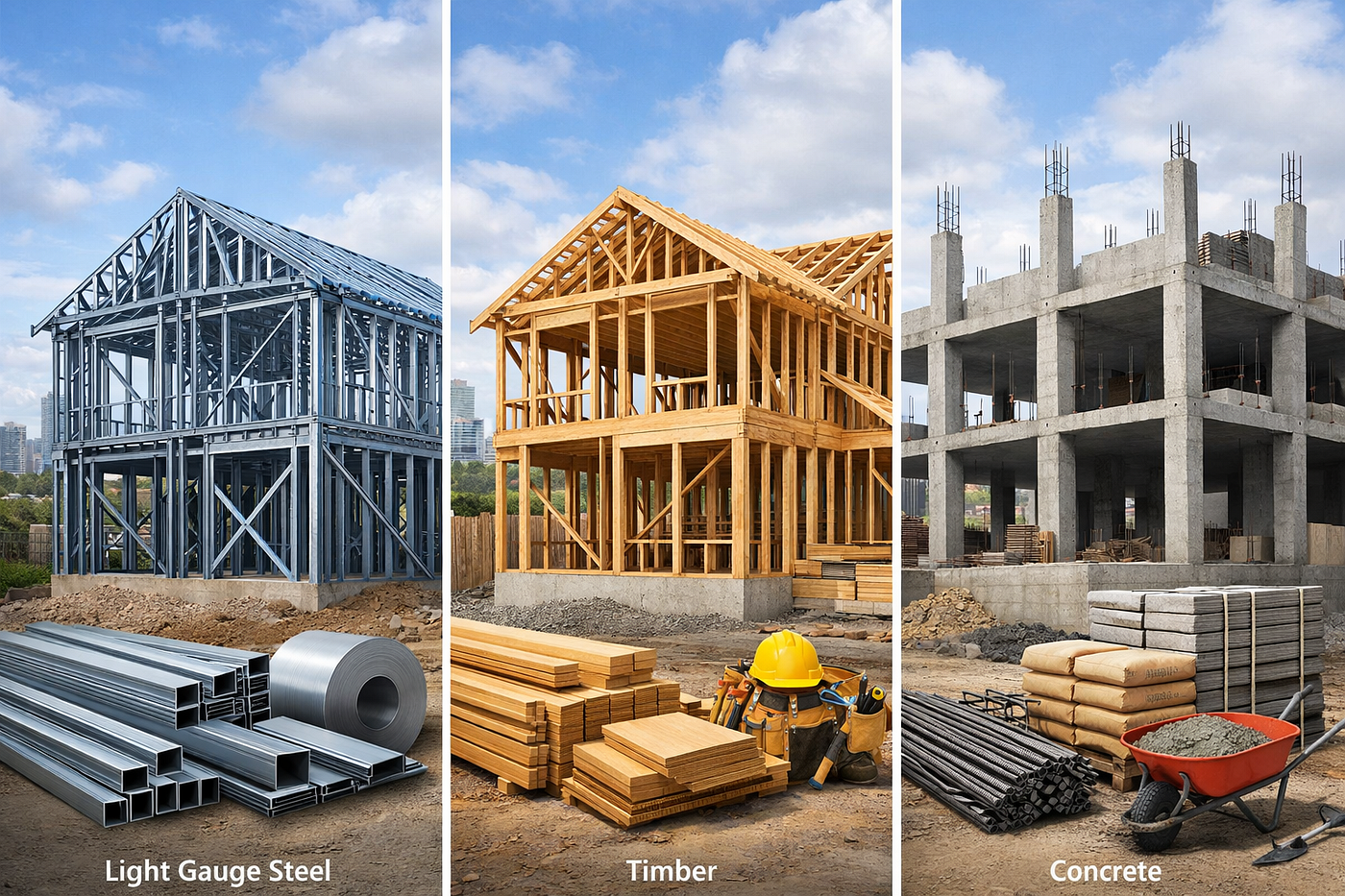
Before exploring pricing considerations, it’s important to understand what light gauge steel (LGS) construction entails. LGS systems are built using cold-formed steel sections made from thin galvanized steel sheets, creating durable, precise, and efficient structural frameworks for a wide range of building applications.
Cold-Formed Steel Components
Studs, tracks, joists, and bracing elements are manufactured through precision roll-forming processes, ensuring consistent dimensions, reliable quality, and faster installation on-site.
Structural & Interior Applications
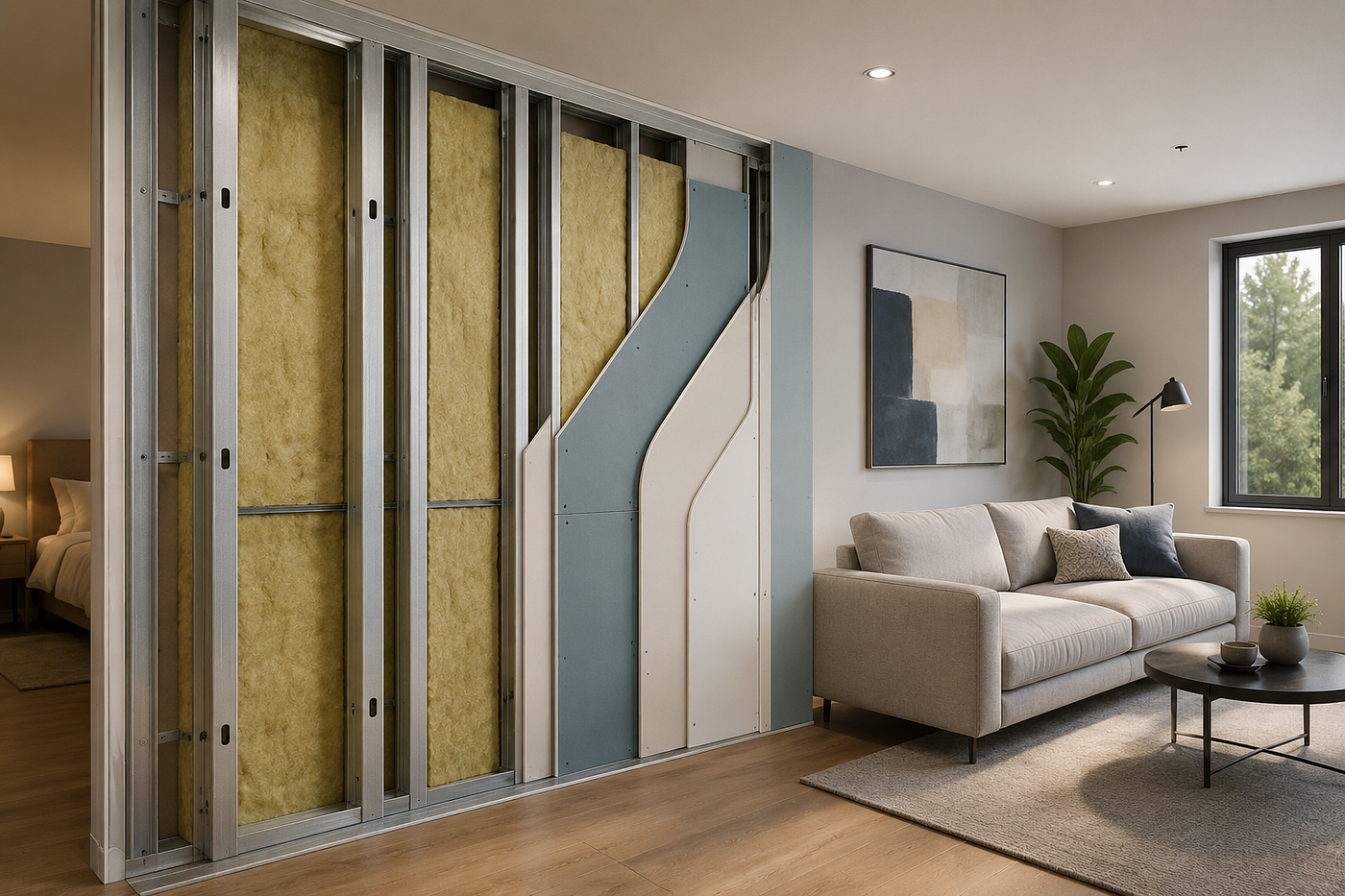
Light gauge steel is widely used for both load-bearing structures and non-structural elements such as interior partitions, ceilings, and secondary framing systems, offering versatility across project types.
Exceptional Design Flexibility
LGS systems can easily accommodate complex architectural layouts, unique building shapes, and modular construction requirements, making them a preferred choice for modern, customized, and scalable developments.
The Core Components That Shape LGS Pricing
Achieving true pricing transparency starts with understanding the key cost factors behind every Light Gauge Steel (LGS) project. Each element is interconnected, meaning adjustments in one area can influence the overall project budget and timeline.
Material Costs
Steel is a market-driven commodity, making material costs one of the most variable pricing components. Factors such as steel gauge, coating specifications, profile selection, and overall material volume directly impact pricing. Market conditions, purchasing strategies, and supplier partnerships can also significantly affect final costs.
Engineering & Detailing
Structural engineering, connection design, BIM coordination, and shop drawing development are essential investments in project success. When detailing scopes are unclear or incomplete, projects often experience costly revisions, coordination challenges, and schedule disruptions that increase overall expenses.
Fabrication & Manufacturing
Whether components are fabricated on-site or produced in a controlled off-site environment, manufacturing costs vary based on project complexity, automation levels, equipment requirements, and production efficiency. Prefabricated panel systems may require higher initial investment but often deliver substantial savings through faster installation and reduced field labor.
Installation Labor
LGS installation relies on skilled crews with specialized experience. Labor costs are influenced by regional wage rates, workforce availability, union regulations, project location, site conditions, and accessibility. Efficient planning and experienced installation teams can help minimize delays while maintaining quality and safety standards.
Hidden Costs That Erode Budget Transparency
Even well-planned light gauge steel projects can encounter unexpected expenses that impact budget accuracy. Recognizing these hidden costs early helps project teams maintain financial control and avoid surprises later in the project lifecycle.
Common Sources of Hidden Costs
- Incomplete or undefined engineering scope
- Coordination efforts between LGS, structural, and MEP teams
- Rework caused by design revisions and client changes
- Material price fluctuations and escalation adjustments
- Custom connection and specialty detailing requirements
- Project closeout, as-built drawings, and documentation expenses
Why These Costs Are Often Overlooked
Many LGS projects begin with estimates based on conceptual or partially developed drawings. As designs progress and project requirements become more detailed, additional work, materials, and coordination efforts are introduced. Without a transparent process for tracking these changes, costs can accumulate gradually and create significant differences between the original budget and the final project cost.
How to Improve Cost Visibility
Reducing hidden expenses starts with clear scope definitions, detailed line-item pricing, and a structured change management process. Establishing transparent cost tracking, documenting revisions, and obtaining stakeholder approval for scope changes ensures everyone understands where project dollars are being spent and helps keep budgets aligned with expectations.
How BIM and CAD Detailing Enhance Cost Transparency
One of the most effective ways to improve pricing transparency in Light Gauge Steel (LGS) construction is through the use of Building Information Modeling (BIM) and detailed CAD documentation. Together, these technologies replace assumptions with accurate, data-driven insights, helping stakeholders understand exactly where project costs originate.
Quantity Takeoffs from BIM
Accurate material quantities extracted directly from intelligent 3D models minimize estimation errors, reduce waste, and help prevent costly over-ordering or material shortages.
Coordinated Shop Drawings
Detailed CAD shop drawings provide precise dimensions and fabrication information, reducing RFIs, minimizing revisions, and enabling fabricators to develop more reliable and transparent pricing.
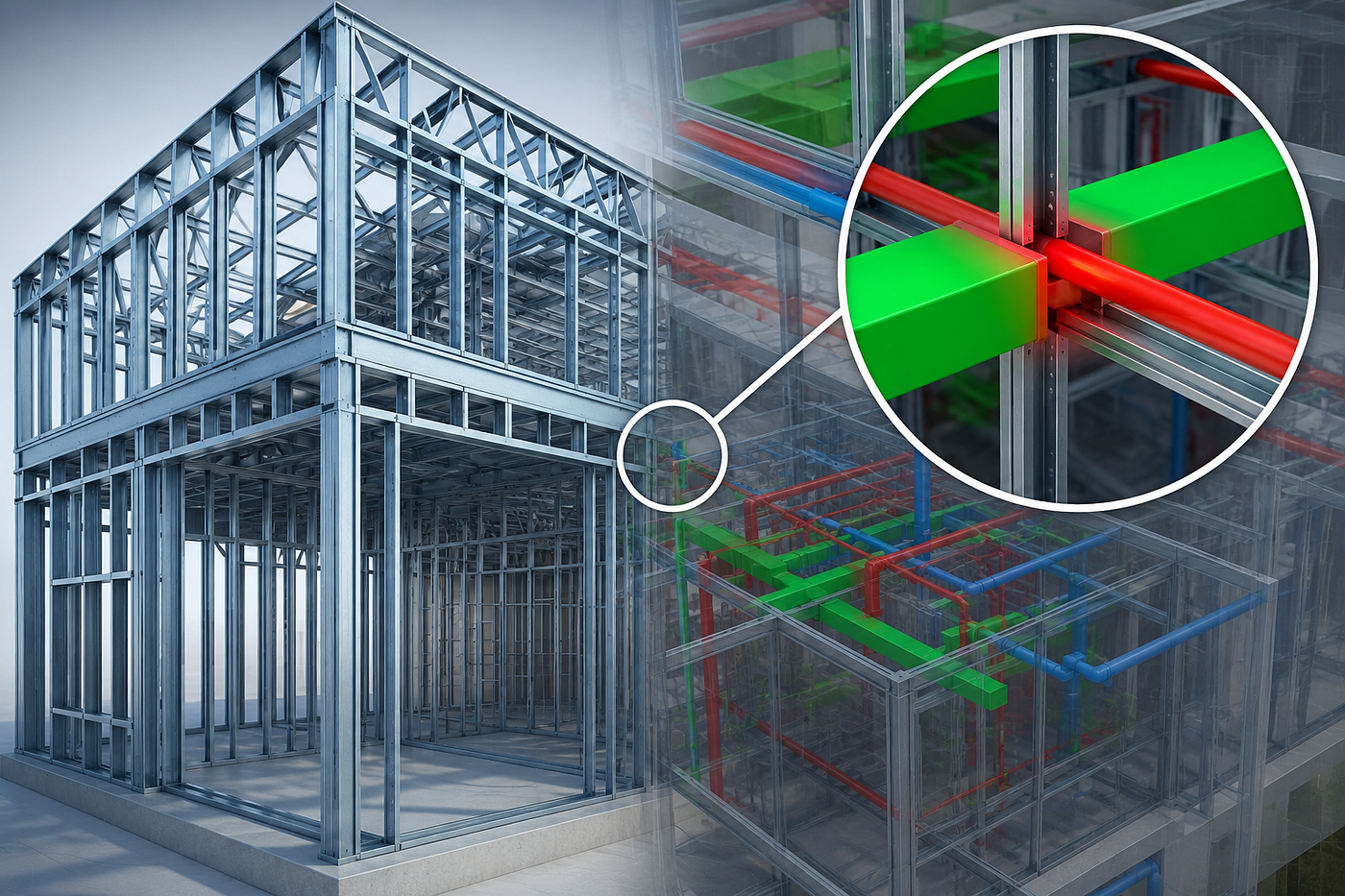
Clash Detection Savings
By identifying structural, architectural, and MEP conflicts before construction begins, BIM helps eliminate expensive field corrections and unexpected costs that can impact project budgets.
Cost Forecasting Accuracy
BIM-enabled cost management tools allow teams to evaluate budget impacts in real time as design decisions evolve, ensuring pricing remains aligned with project goals and financial expectations throughout the project lifecycle.
The Role of Structural Detailing in Accurate Quoting
Structural detailing is far more than a technical exercise — it is one of the most important factors in producing reliable and transparent Light Gauge Steel (LGS) project estimates. When detailing is incomplete or poorly coordinated, contractors must rely on assumptions, contingencies, and allowances that can drive costs higher or create budget surprises later. Accurate detailing provides the clarity needed to price projects with confidence and precision.
1. Schematic Design Overall framing concepts and project requirements are identified, allowing teams to establish preliminary budget ranges.
2. Design Development Structural members, framing layouts, and connection details become more defined, enabling early quantity takeoffs and refined cost estimates.
3. Construction Documents Comprehensive shop drawings and coordinated specifications are completed, providing accurate quantities and reducing pricing uncertainty.
4. Fabrication & Construction Pricing is finalized based on approved documents, while any field revisions are monitored and evaluated against the established budget.
Every stage of the detailing process helps align design intent with real-world construction costs. Organizations that invest in thorough detailing early often experience fewer change orders, stronger budget control, and greater confidence in the accuracy of their final project pricing.
Key Metrics That Should Appear in Every LGS Cost Breakdown
A transparent Light Gauge Steel (LGS) proposal should present costs in a clear, traceable format that allows stakeholders to evaluate, compare, and manage expenses throughout the project. The following elements should always be included.
1. Material Schedule A detailed inventory of all LGS components, including profile types, quantities, gauge specifications, and unit pricing, aligned with approved structural drawings and project requirements.
2. Engineering & Design Fees Clearly defined costs covering structural analysis, connection detailing, shop drawings, design revisions, BIM coordination, and any additional engineering support services.
3. Labor Breakdown Separate cost allocations for fabrication, panel assembly, site installation, inspections, and specialized construction activities to provide full visibility into labor expenses.
4. Contingency & Escalation Allowances Defined provisions for material price fluctuations, design modifications, and unforeseen project conditions, including clear criteria for change orders and cost adjustments.
5. Closeout & Project Documentation Itemized costs for as-built drawings, quality certifications, final inspections, maintenance manuals, and all documentation required to successfully complete the LGS scope.
Industry Benchmarks: What Does Light Gauge Steel Construction Really Cost?
While every Light Gauge Steel (LGS) project has unique requirements, understanding common industry cost ranges can help owners, contractors, and developers establish realistic budgets and evaluate proposals with greater confidence.
$8–$18 Per Linear Foot Typical installed cost range for non-structural LGS partition framing in commercial and institutional projects.
15–25% Prefabrication Premium Prefabricated LGS panel systems often carry a higher upfront cost than site-built framing but can deliver significant savings through reduced labor, improved quality, and accelerated project schedules.
10–30% Potential Budget Variance Projects lacking detailed design coordination, accurate quantity takeoffs, or clearly defined scopes frequently experience cost overruns within this range.
5–12% Engineering & Detailing Costs Engineering, modeling, and detailing services generally account for 5–12% of total LGS project costs and often provide substantial returns through improved accuracy, reduced waste, and better cost control.
These benchmarks represent typical industry observations and should be used as reference points rather than fixed pricing standards. Actual costs will vary based on project size, location, design complexity, material specifications, and labor market conditions. Understanding these ranges helps stakeholders ask better questions and make more informed procurement decisions.
Comparing Delivery Models: How Procurement Shapes Cost Transparency
The procurement method selected for a light gauge steel (LGS) project plays a major role in determining how costs are developed, communicated, and controlled throughout the project lifecycle. Each delivery approach offers a different level of visibility into pricing, making it important for owners and contractors to understand how transparency can vary from one model to another.
For many medium- and large-scale LGS projects, Design-Build and Construction Management at Risk (CMAR) delivery methods often provide the greatest level of cost transparency. These collaborative models encourage early involvement from key stakeholders, allowing budgets, material selections, and construction strategies to be reviewed and refined before major financial commitments are made. This proactive approach helps reduce surprises, improve cost predictability, and support more informed decision-making from the outset.
Consac’s Approach: Where Engineering Accuracy Drives Cost Transparency
Successful LGS projects depend on more than sound engineering — they require clear, reliable information that supports accurate budgeting and confident decision-making. At Consac, we combine technical precision with cost accountability across every stage of the project, from structural detailing and shop drawings to BIM coordination and construction documentation.
What This Means in Practice
Accurate detailing from the outset gives estimators, fabricators, and contractors the information they need to develop dependable pricing. The result is fewer RFIs, reduced rework, minimized surprises, and stronger collaboration between design and construction teams.
Consac’s LGS Service Capabilities
- Structural LGS detailing and shop drawings
- BIM modeling and clash coordination
- Quantity takeoff support
- Engineering documentation
- CAD drafting and as-built preparation
By integrating CAD and BIM workflows, Consac delivers coordinated, high-quality project documentation that improves visibility, reduces uncertainty, and creates a stronger foundation for pricing transparency throughout the entire LGS project lifecycle.
Best Practices for Achieving Pricing Transparency on Your Next LGS Project
Whether you’re a project owner, contractor, estimator, or design professional, clear pricing practices can significantly improve budget control, reduce disputes, and keep light gauge steel (LGS) projects moving forward with confidence.
1. Develop Detailed Designs Before Pricing
Accurate pricing starts with accurate information. Completing structural layouts, framing plans, and shop drawings before requesting quotes helps suppliers provide reliable pricing and minimizes costly assumptions later in the project.
2. Request Comprehensive Cost Breakdowns
Avoid relying solely on a single lump-sum figure. Ask suppliers and subcontractors to clearly separate material, fabrication, engineering, delivery, and installation costs so every component of the budget is visible and easy to evaluate.
3. Establish Change Management Procedures Early
Project changes are often unavoidable, but unexpected costs don’t have to be. Define how change orders will be submitted, reviewed, approved, and documented before construction begins to maintain financial accountability.
4. Use BIM to Improve Cost Visibility
Building Information Modeling (BIM) can connect design data with cost information, allowing teams to understand the financial impact of design decisions in real time and make informed choices throughout the project lifecycle.
5. Conduct Routine Budget Review Meetings
Schedule regular cost review sessions at key project milestones. Consistent communication among owners, designers, contractors, and suppliers helps identify budget concerns early and prevents costly surprises during project closeout.
Conclusion: Transparency Builds Stronger Projects
In light gauge steel construction, pricing transparency is far more than a best practice — it is a foundation for successful project delivery. Clear, detailed cost visibility helps owners make informed decisions, enables contractors to plan with greater certainty, and allows engineers to optimize designs while staying aligned with budget expectations. When every stakeholder understands where costs originate, projects move forward with fewer surprises and stronger collaboration.
As the construction industry continues to embrace digital workflows, integrated project delivery, and data-driven decision-making, transparency is becoming a key differentiator. Light gauge steel projects that prioritize open communication and accurate cost reporting are better equipped to control risk, strengthen client relationships, and achieve predictable outcomes from design through completion.
Key Takeaway: Establish every LGS project on a foundation of coordinated structural detailing, comprehensive cost breakdowns, and well-defined change management procedures. These essential practices improve pricing accuracy, reduce uncertainty, and create a smoother path to delivering projects on time, within budget, and with greater confidence for all involved.
메타데이터
- post_id
- 0c06b18f2f58
- slug
- the-competitive-edge-of-pricing-transparency-in-light-gauge-steel-construction-0c06b18f2f58
- url
- https://medium.com/consights/the-competitive-edge-of-pricing-transparency-in-light-gauge-steel-construction-0c06b18f2f58
- canonical_url
- https://medium.com/consights/the-competitive-edge-of-pricing-transparency-in-light-gauge-steel-construction-0c06b18f2f58
- author_url
- https://medium.com/@srijanichatterjee21
- status
- ok
- fetched_at
- 2026-06-10 14:03:00