GitHub’s 59-Minute Copilot Limit Exposes Paid Review Debt
GitHub Docs draw a one-repo, one-branch, one-PR box; AIDev’s rejected fixes show why bad assignments become human review work.
Merge Liability
GitHub’s 59-Minute Copilot Limit Exposes Paid Review Debt
GitHub Docs draw a one-repo, one-branch, one-PR box; AIDev’s rejected fixes show why bad assignments become human review work.

GitHub’s 59-Minute Copilot Limit Exposes Paid Review Debt: GitHub Docs draw a one-repo, one-branch, one-PR box; AIDev’s rejected fixes show why bad assignments become human review work. Image created by the author with diffusion-synthesis and Python post-processing.
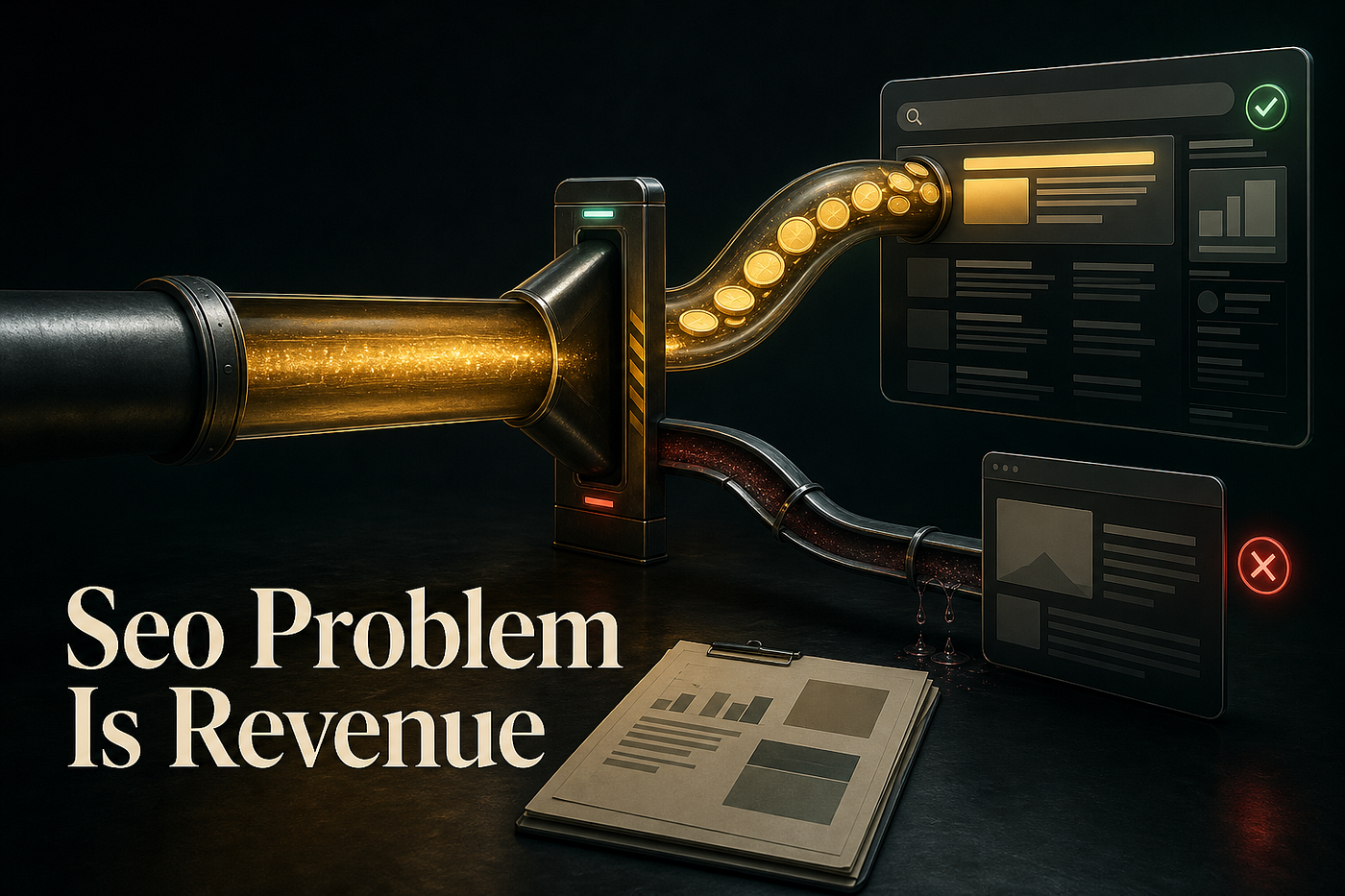
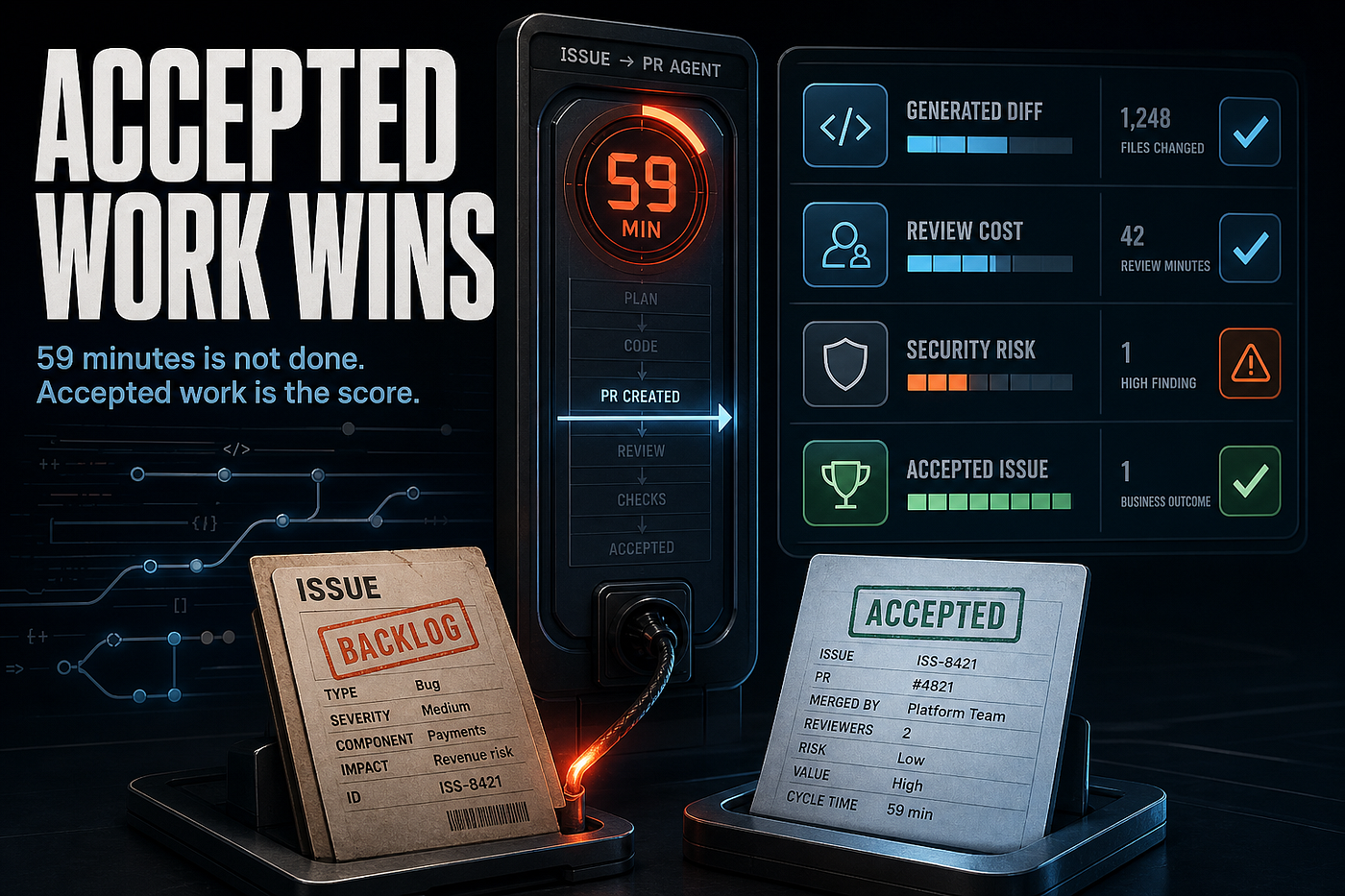
GitHub’s Copilot cloud-agent view is not just a friendly demo panel. It shows a 59-minute session clock, a branch name, and a pull request that still needs a human reviewer to let it in. Give it the wrong backlog item, and the queue swells: AI credits burn down, Actions minutes keep ticking, and someone inherits a draft branch nobody can merge.
That is the buying signal founders, CTOs, and engineering leaders need to inspect before the demo shine wears off. GitHub Docs say Copilot cloud agent works inside one repository, on one branch, opens exactly one pull request for each assigned task, and stops at a hard 59-minute session limit, but the merge decision still sits with the team. A 2026 MSR paper on unmerged AI-agent fixes analyzed 8,106 fix-related PRs from AIDEV-POP and found plenty of work reaching review without becoming accepted code.
The Product Signal Is the Box
GitHub’s May 19, 2025 launch post sold a clean gesture: assign an issue to Copilot, let it work in the background, then review the pull request. That’s a powerful operator story. It turns the backlog into a dispatch board.
The 2026 operating reality is narrower and more useful. GitHub’s current cloud-agent page says the agent runs in an ephemeral GitHub Actions-powered environment, can research the repository, create plans, edit code, run tests, and produce a branch. The same page also gives leaders the real contract: not all work belongs inside that box.
Surface Documented boundary Operating consequence Repository One repository per run Cross-repo work starts as a human design job. Branch One branch at a time Parallel ambiguity cannot be hidden inside one assignment. Pull request Exactly one PR per task The issue needs a mergeable finish line. Runtime 59 minutes hard cap Oversized tasks become timeout waste.
This is the same lesson old automation taught through messier tools. Dependency bots were useful when they made small, boring, testable changes. They became noise when they sprayed maintainers with low-context pull requests.
The new agent is more capable, but the game theory is familiar: the person assigning work gets the relief first; the reviewer pays the cleanup cost later.
When the assignee is cheap and the reviewer is scarce, every vague ticket starts to look delegatable. That’s how teams manufacture review debt with a cheerful button.
Rejected Fixes Are the Hidden Invoice
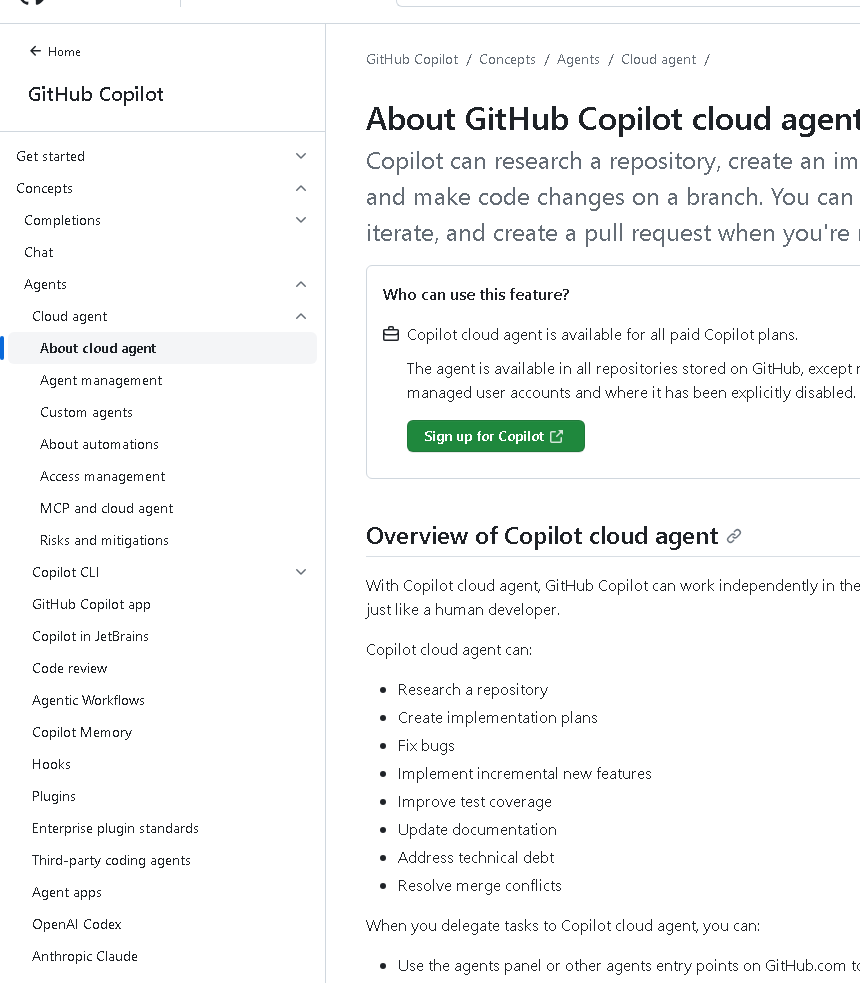
Figure 2. Proof of operating detail: The cited source, GitHub Docs, gives the article the implementation surface teams must design around. Source: GitHub
The AIDev evidence makes the review problem visible. The AIDev dataset paper describes 932,791 agent-authored pull requests across 116,211 repositories, with a curated subset of 33,596 PRs from repositories over 100 stars. It is not a lab toy.
It is a map of agent work reaching real GitHub workflows.
The sharper warning comes from Khairul Alam, Saikat Mondal, and Banani Roy’s 2026 MSR paper on fix-related PRs that stayed unmerged. They studied 8,106 fix-related PRs across OpenAI Codex, GitHub Copilot, Devin, Cursor, and Claude Code. Overall, 65.0% were merged, 26.1% were closed without merging, and 8.9% remained open at collection time.
The Copilot slice is the one leaders should tape beside the rollout plan. In that dataset, GitHub Copilot had 1,993 fix-related PRs; 42.4% were merged, 35.8% were closed without merging, and 21.8% were still open. That is not a verdict on the current cloud agent as a product guarantee.
It is a warning about the work shape that reaches maintainers.
The failure reasons are even more useful than the merge rate. In a manual sample of 326 closed-but-unmerged PRs, the researchers spent about 100 person-hours classifying 12 causes. The top reasons were not science-fiction failures.
They were ordinary engineering pain in agent clothing: another PR already fixed it, tests failed, the fix was incomplete, the issue went stale, the review never finished.

Figure 3. Proof of operating detail: The cited source, GitHub’s usage-based billing docs, gives the article the implementation surface teams must design around. Source: GitHub
A bad Copilot assignment does not die cleanly. It leaves comments, commits, CI traces, and a reviewer who now has to decide whether the machine was almost right, usefully wrong, or just early to a problem somebody else already solved.
That’s the hidden invoice. Not the token bill alone. The invoice is the human judgment trapped behind a draft pull request.
The Assignment Test Happens Before @copilot
The best use of Copilot cloud agent is not “give it everything small.” That rule sounds practical until the backlog contains vague bugs, politically stale requests, half-owned refactors, and issues with no acceptance test. Small garbage is still garbage; it just fits through the slot.
A better test starts with four questions before assignment. Can the issue finish inside one repository? Can the change land through one branch and one pull request?
Is there a validation command a reviewer trusts? Can the change be reverted without reopening a design fight?
If those answers are yes, the agent has a fair target. Documentation updates tied to a changed API, narrow bug fixes with failing tests, small UI defects with screenshots, focused logging improvements, and isolated test coverage are good candidates. They have a visible object, a bounded path, and a reviewer who can check the work without becoming the detective.
If the answers are no, keep the work human-owned until the shape changes. Cross-service migrations, architecture decisions, security-sensitive changes, billing logic, and “clean up this module” tickets create payoff asymmetry. The assigner gets speed theater.
Figure 4. Proof of research footing: The cited source, AIDev dataset paper, gives the article external evidence instead of campaign language. Source: Arxiv
The reviewer absorbs risk.
GitHub’s own docs support that discipline. The cloud agent can run tests and linters, but branch protection and repository rules still matter. The launch post says human approval is required before CI/CD workflows run for the agent’s pull requests.
A separate 2026 study, “Collaborator or Assistant?”, analyzed 29,585 PR lifecycles and found that agent-heavy collaborator workflows were at least 96% agent-initiated, while terminal merge authority stayed overwhelmingly human.
That’s the operating shape: agents can start work faster than organizations can approve it.
Metered Work Changes the Rollout Conversation
Billing turns this from a productivity debate into a governance problem. GitHub’s usage-based billing docs define AI credits as the billing unit for Copilot Business and Enterprise, with one AI credit equal to $0.01. The same page says a long coding-agent session using a frontier model across multiple files costs more because it processes more tokens.
The cloud-agent page adds the second meter: Copilot cloud agent uses GitHub Actions minutes and AI credits. It also notes that private-repo code review consumes Actions minutes. That matters because failed delegation now has a visible trail in two places leaders already care about: model spend and CI capacity.
The practical move is simple. Before scaling Copilot assignments, create an issue gate with three visible fields: acceptance criteria, invalid approaches, and validation commands. “Acceptance criteria” tells the agent what finished means.
Figure 5. Proof of research footing: The cited source, Khairul Alam, Saikat Mondal, and Banani Roy’s 2026 MSR paper, gives the article external evidence instead of campaign language. Source: Arxiv
“Invalid approaches” blocks the tempting wrong path. “Validation commands” gives the reviewer a shared receipt.
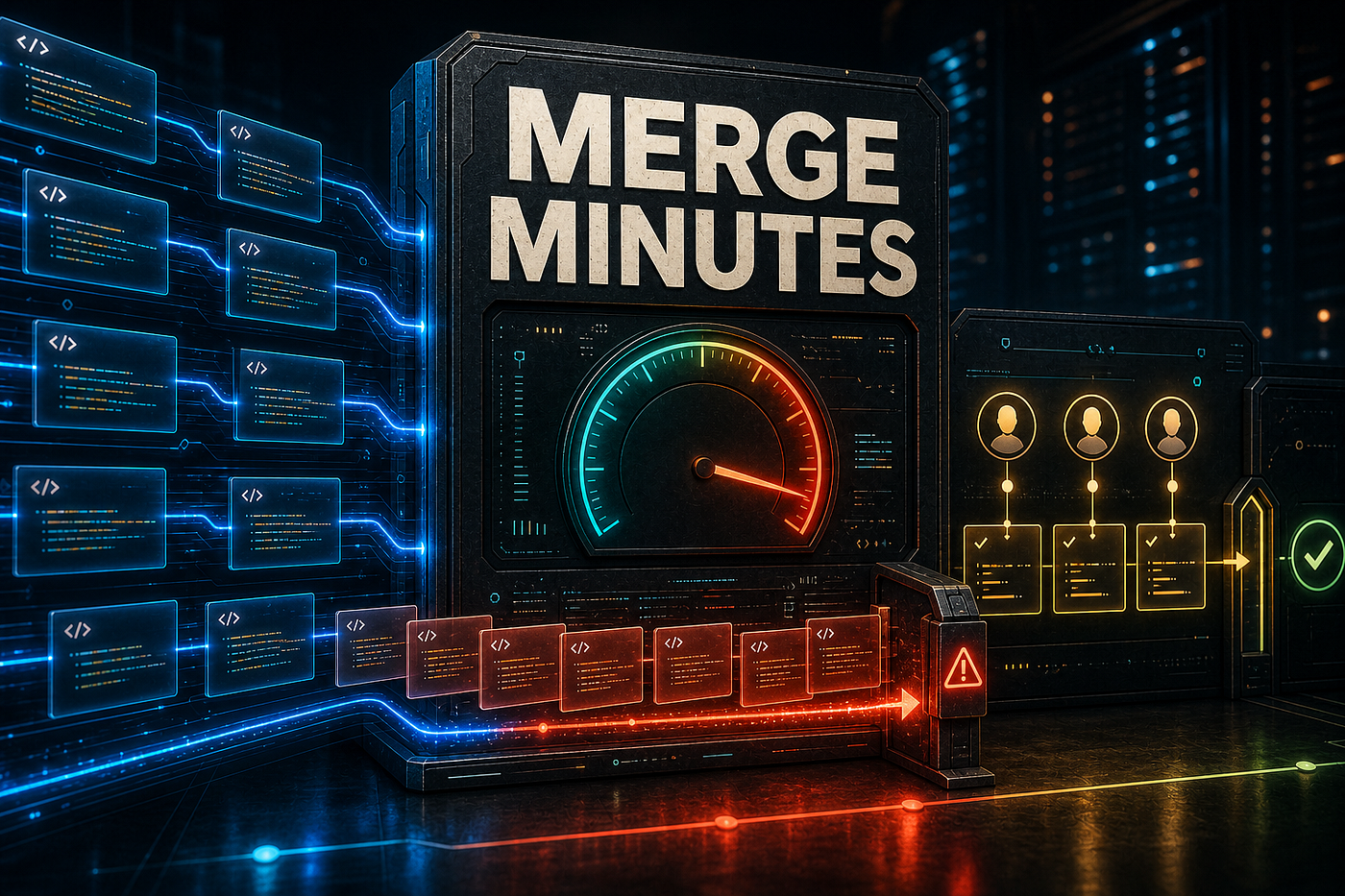
Then track agent PRs by merged value, not by motion. Pull requests created is a vanity number unless it is paired with merged PRs, review comments per accepted change, timeout rate, rerun rate, and closed-without-merge count. GitHub already exposes usage metrics for pull request outcomes, including PRs created and merged by Copilot cloud agent and median time to merge.
Treat those as the start of the ledger, not the whole score.
The leadership question is not “Can Copilot write code?” It can. The question is whether a given issue can pass through GitHub’s documented box and exit as accepted value without converting scarce reviewers into unpaid janitors for machine enthusiasm.
The teams that win will not be the ones with the most agent sessions. They will be the ones that make the assignment boundary boring, explicit, and hard to game.
Return to the object on the screen: one issue, one repository, one branch, one pull request, 59 minutes, and a human approval line at the end. Thank you to the engineers, maintainers, and leaders carrying that line, because the agent’s branch is not done until a person can ship it without buying tomorrow’s debt.
Figure 6. Proof of source-backed strategy: The cited source, “Collaborator or Assistant?”, gives the article a primary source readers can inspect. Source: Arxiv
Related reading
메타데이터
- post_id
- 0c133b6a64b6
- slug
- githubs-59-minute-copilot-limit-exposes-paid-review-debt-0c133b6a64b6
- url
- https://medium.com/kairi-ai/githubs-59-minute-copilot-limit-exposes-paid-review-debt-0c133b6a64b6
- canonical_url
- https://medium.com/kairi-ai/githubs-59-minute-copilot-limit-exposes-paid-review-debt-0c133b6a64b6
- author_url
- https://medium.com/@james.kuhman
- status
- ok
- fetched_at
- 2026-07-17 15:23:30