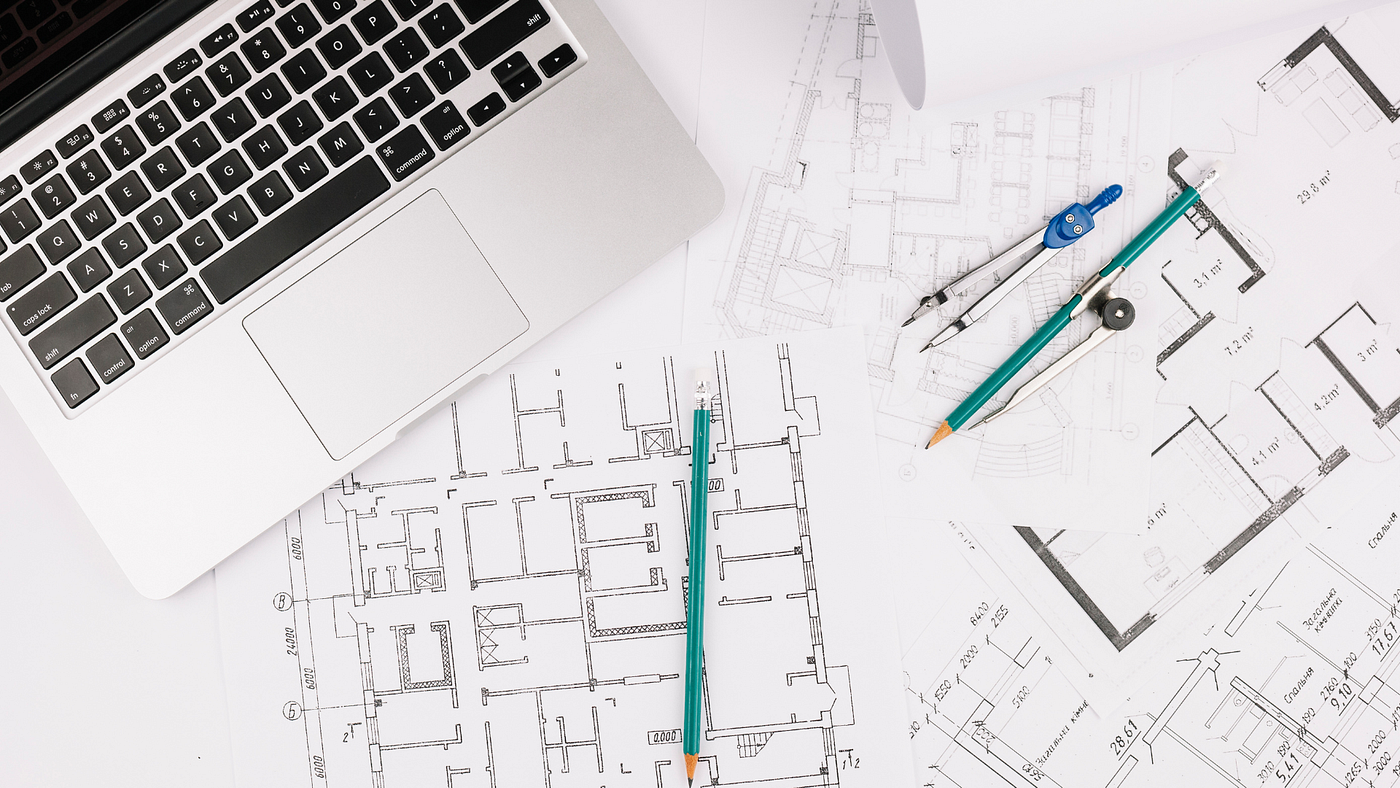
How Construction Documentation Ensures Code Compliance and Accuracy
Discover how construction documentation drives code compliance and build accuracy in projects.
Mastering Precision: The Role of Construction Documentation in Compliance and Accuracy
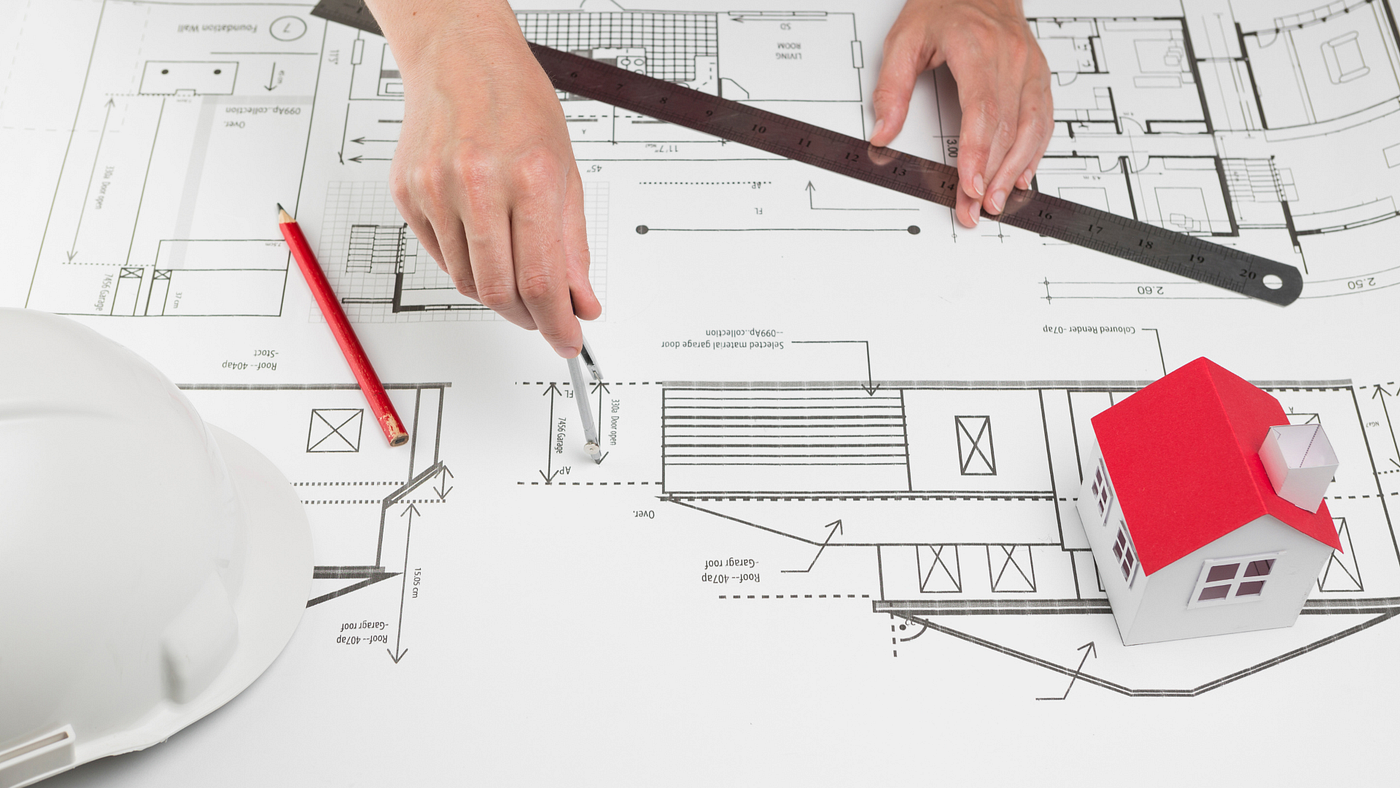
Construction projects demand precision at every stage to avoid costly mistakes and legal issues. Detailed records serve as the backbone, guiding teams through complex regulations and design specifications. When builders rely on thorough documentation, they minimize risks associated with non-compliance and inaccuracies that could derail timelines or inflate budgets.
In the fast-paced world of building, maintaining adherence to local codes protects public safety and property values. Accurate blueprints and reports help identify potential hazards early, allowing for adjustments before construction begins. This proactive approach not only streamlines workflows but also fosters trust among stakeholders, from architects to inspectors.
Beyond immediate benefits, strong documentation practices support long-term sustainability in the industry. By capturing every detail, from material selections to structural calculations, professionals ensure that finished structures stand the test of time. Such meticulous records empower future maintenance and renovations, turning potential challenges into manageable tasks.
Essential Elements of Construction Documentation
Construction documentation encompasses blueprints, specifications, and reports that outline project requirements. These materials translate architectural visions into actionable plans, ensuring all parties understand their roles. Clear diagrams and notes reduce misunderstandings that often lead to rework or delays.
Key components include site plans, elevation drawings, and material schedules. Each element contributes to a comprehensive overview, highlighting how structures interact with their environments. For instance, electrical and plumbing layouts must align with safety standards to prevent hazards like fires or leaks.
Incorporating digital tools enhances these elements further. Software for 3D modeling allows for virtual walkthroughs, spotting issues before physical work starts. This integration boosts efficiency, making it easier to update documents as projects evolve.
Achieving Code Compliance Through Detailed Records
Local building codes set standards for safety, accessibility, and environmental impact. Construction documentation services play a pivotal role in verifying that designs meet these mandates. Professionals review plans against regulations, flagging discrepancies early to avoid violations.
Regular audits during the documentation phase ensure ongoing alignment with codes. For example, energy efficiency requirements demand specific insulation details, which documents must clearly specify. This scrutiny prevents fines and project halts that stem from overlooked rules.
Documentation also facilitates inspections by providing inspectors with easy access to relevant information. Well-organized files demonstrate compliance, speeding up approvals and keeping projects on track. In regions with strict seismic or flood codes, precise records prove indispensable for securing permits.
Enhancing Build Accuracy with Precise Documentation
Accuracy in construction hinges on faithful execution of documented plans. Detailed drawings eliminate guesswork, guiding workers to place elements exactly as intended. This precision reduces material waste and labor inefficiencies, contributing to cost savings.
Subcontractors benefit from clear instructions, ensuring specialized tasks like HVAC installations align with overall designs. When documentation includes tolerances and measurements, teams can achieve high-quality results without constant supervision.
Real-time updates to documents address unforeseen site conditions, maintaining accuracy throughout. For instance, soil test results might necessitate foundation changes, which revised plans can accommodate seamlessly. This adaptability keeps builds true to their original intent while incorporating necessary modifications.
The Impact on Project Efficiency and Safety
Efficient projects stem from documentation that anticipates challenges. By outlining sequences of work, these records coordinate trades, preventing bottlenecks. Safety protocols embedded in documents, such as hazard assessments, protect workers and end-users alike.
In large-scale developments, documentation supports collaboration among diverse teams. Shared access to updated files ensures everyone operates from the same information, reducing errors that could compromise structural integrity.
Moreover, accurate records aid in dispute resolution. Should conflicts arise over changes or quality, documented evidence provides clarity, preserving relationships and project momentum.
Integrating Technology in Construction Documentation Services
***Modern construction documentation services leverage advanced software*** to elevate standards. Building Information Modeling creates dynamic representations that simulate real-world performance. These models integrate data from multiple disciplines, enhancing both compliance and accuracy.
Cloud-based platforms enable real-time collaboration, allowing remote teams to review and annotate documents. This connectivity accelerates decision-making and reduces the likelihood of outdated information causing mistakes.
Automation tools within these services generate reports and check for code conflicts automatically. Such features free up experts to focus on creative solutions, while ensuring nothing falls through the cracks.
Best Practices for Effective Documentation
Start with comprehensive initial assessments to gather all necessary data. Engage stakeholders early to incorporate their input, creating robust documents from the outset.
Maintain version control to track changes, ensuring the latest iterations are always in use. Regular training on documentation standards keeps teams proficient and aligned with evolving regulations.
Finally, conduct post-project reviews to refine processes. Analyzing what worked well informs future efforts, continually improving compliance and accuracy.
Key Conclusion and Analysis
Construction documentation stands as a cornerstone of successful building endeavors, weaving together regulatory adherence and precise execution into a cohesive framework. Projects that prioritize these services not only meet immediate goals but also contribute to broader industry advancements.
Safer structures emerge when every detail receives attention, from initial sketches to final inspections. This commitment to excellence safeguards investments and enhances community well-being over generations.
As regulations grow more complex and technologies advance, the value of meticulous records only increases. Builders who embrace comprehensive documentation position themselves for sustained success, navigating challenges with confidence.
Ultimately, these practices transform potential pitfalls into opportunities for innovation, ensuring that every constructed space reflects the highest standards of quality and reliability. By fostering a culture of accuracy and compliance, the construction field continues to evolve, delivering enduring benefits to society.
메타데이터
- post_id
- 0c4b8ea9b6b8
- slug
- how-construction-documentation-ensures-code-compliance-and-accuracy-0c4b8ea9b6b8
- url
- https://medium.com/@anuj.rawat_17321/how-construction-documentation-ensures-code-compliance-and-accuracy-0c4b8ea9b6b8
- canonical_url
- https://medium.com/@anuj.rawat_17321/how-construction-documentation-ensures-code-compliance-and-accuracy-0c4b8ea9b6b8
- author_url
- https://medium.com/@anuj.rawat_17321
- status
- ok
- fetched_at
- 2026-07-09 06:53:08