AI in Practice #1x04: Healthcare, Data, and AI — What Lies Beyond the Medical Record
From electronic records and imaging to My Number and decision support: how AI is starting to sit beside, not instead of, clinicians.
AI in Practice #1x04: Healthcare, Data, and AI — What Lies Beyond the Medical Record
From electronic records and imaging to My Number and decision support: how AI is starting to sit beside, not instead of, clinicians.

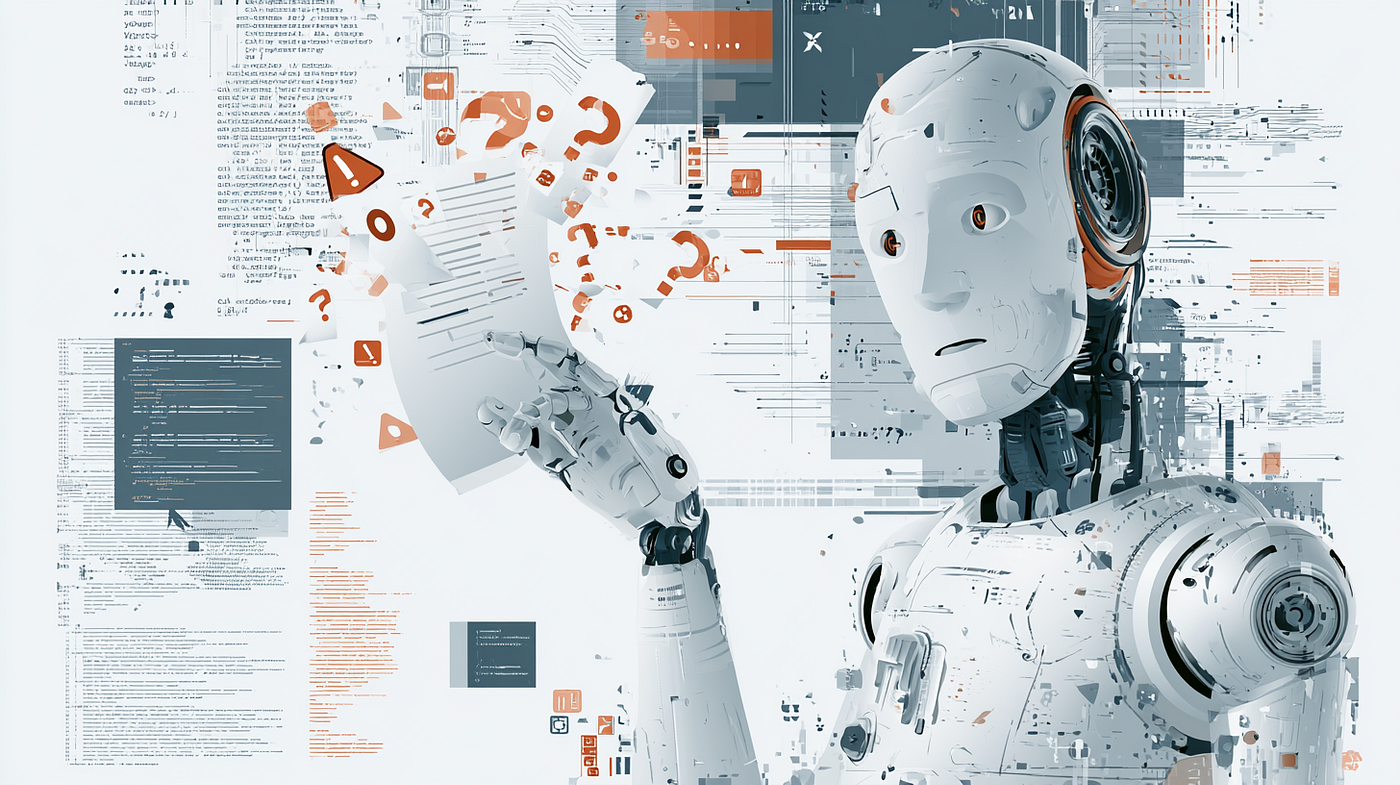
Image generated with Midjourney.
From “Record” to “Asset”: How Medical Charts Are Changing
In healthcare, AI has become a much more frequent topic of conversation. One big reason is the shift from paper charts to electronic health records (EHRs), which turned clinical notes into data that software can actually work with. In this episode, I want to take a broad look at what happens when charts, test results, and medical images meet AI, and what is beginning to change in real clinical settings.
EHRs and AI: Using Past Data to Look Ahead
In countries like the US, researchers are building AI models on top of hospital EHR data to predict things like readmission risk or the likelihood of developing specific diseases. They combine a patient’s age, medical history, lab values, and prescription history to estimate, in probabilistic terms, how much risk that person is carrying. In Japan too, there are projects that use disease registries and nationwide databases to support diagnosis and treatment choices with AI. In all of these cases, AI is not there to make decisions on behalf of doctors. It is used as a “second pair of eyes” to surface patterns that are easy to overlook.
Imaging and AI: Supporting the Radiologist’s Eye
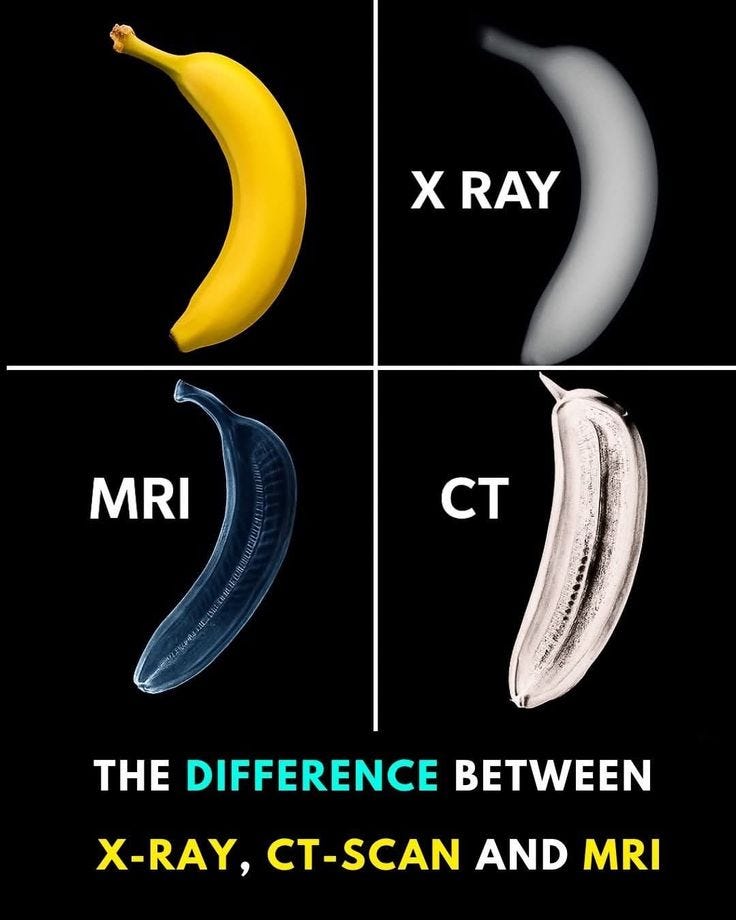
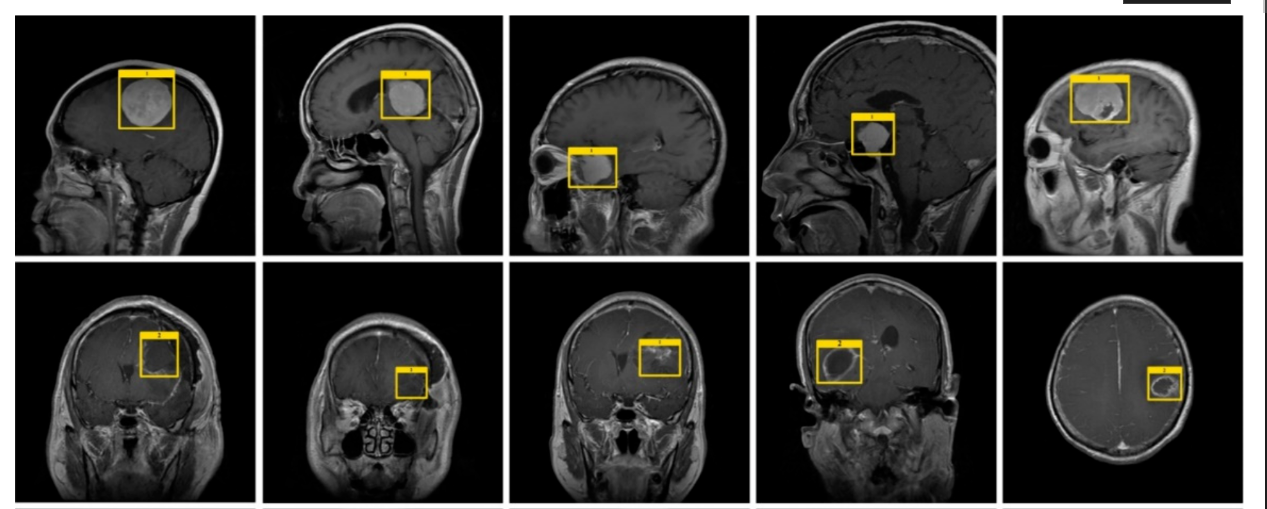
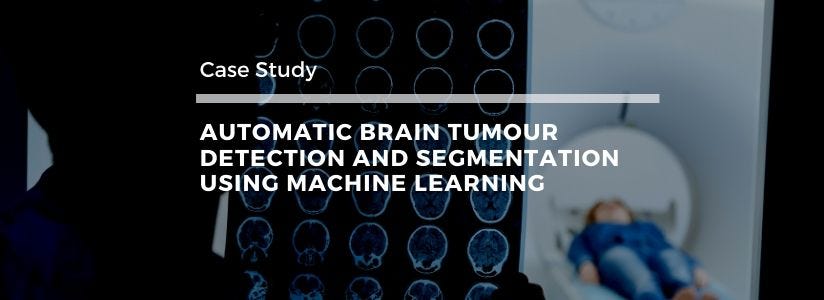
In imaging fields like CT, MRI, X‑ray, and endoscopy, AI‑based lesion detection and severity scoring are approaching real-world use. Systems can, for example, automatically detect nodules on lung CT and measure their size and position, or highlight suspicious regions on mammography that may indicate breast cancer. These outputs are presented as supporting information for the radiologist’s reading, and the final judgment remains with the physician. The hope is to reduce missed findings and to support diagnosis in areas where specialists are scarce.
Japan’s Next Steps: My Number Health Cards and Medical DX
In Japan, the “My Number health insurance card” (マイナ保険証) is being rolled out so that prescription information and specific health checkup data can be referenced nationwide. This is primarily an infrastructure move — a foundation for better information sharing — but on top of it, people are already imagining AI-based applications: preventing duplicate prescriptions, checking for contraindicated drugs, and visualizing lifestyle disease risks over time. Naturally, privacy and security concerns are serious, so data use must remain cautious. Even so, the idea of “medicine that is only possible because the data exists” is slowly becoming more realistic.
The Distance Between Medicine and AI: Support, Not Full Automation
Many experts argue that AI’s proper role in medicine is not “automation” but “support.” Clinicians may consult AI’s suggested diagnoses or treatment options, but the ultimate decision and responsibility remain with human professionals. For that to work, it’s not enough to have high accuracy on paper. We also need some level of explainability — why the model suggested what it did — and a clear understanding of its biases and failure modes. Here again, the key question is how to draw the line: what to hand to AI, and what to keep firmly in human hands.
The Human Role Between Data and AI
Healthcare shows this pattern clearly: AI is being introduced not to remove people, but to bolster human judgment. AI is better at reading huge volumes of heterogeneous data, but interpreting those results for a specific patient, explaining them, and reaching mutual understanding are still deeply human tasks. How we design the interface between AI systems and the people who use them — where the handover happens, and how information is presented — will become increasingly important, not only in medicine but also in design, manufacturing, and business.
메타데이터
- post_id
- 0c8358b05be5
- slug
- ai-in-practice-1x04-healthcare-data-and-ai-what-lies-beyond-the-medical-record-0c8358b05be5
- url
- https://medium.com/my-opinion-diaries/ai-in-practice-1x04-healthcare-data-and-ai-what-lies-beyond-the-medical-record-0c8358b05be5
- canonical_url
- https://medium.com/my-opinion-diaries/ai-in-practice-1x04-healthcare-data-and-ai-what-lies-beyond-the-medical-record-0c8358b05be5
- author_url
- https://medium.com/@tetsujikondo
- status
- ok
- fetched_at
- 2026-06-09 15:37:30