Profanity and the Bible
Introduction: Language Not Worthy of God’s People
Profanity and the Bible
Introduction: Language Not Worthy of God’s People
In today’s world, we are bombarded by profanity. Things that people weren’t allowed to say on television or in the movies a few years ago are now common words spewed out like a backed-up sewer, all over the place, in all forms of media. You probably cannot go to most movies anymore, unless they are specifically made for children, without hearing language you’d previously only hear at a bar, or on a Naval base.
In many places in society, it is now common to hear these words. Also, we used to expect them mainly from men. However, now nearly as many women use foul language as their male counterparts.
I. Defining Profanity
When discussing profanity, also known as cussing or cursing, most of us have a general idea of the type of language we are referring to. It can be defined as blasphemous or obscene language, such as a swear word or oath. Another dictionary defined it as abusive, vulgar, or irreverent language. It is interesting that the word profane, from which we get profanity, means “of or relating to that which is not sacred, secular.” And to profane something is to treat it with abuse, irreverence, or contempt. It means to desecrate something. And that is exactly what we are doing with the words of our mouth when we use this kind of language. It is useless empty talk that shows a marked contempt for God and for all that is holy.
Oddly, this kind of language is sometimes labeled as “adult, just as pornographic movies are labeled “adult. The question is: What is adult about either one? They both take wonderful things given to us by God (language and sex) and use them in degrading ways that a mature adult should be avoiding.
I’m not just referring to the use of the Lord’s name in vain, which all of us who have read the Ten Commandments know to be a sin. Most of us know that this dishonors God and makes His name like something profane, rather than holy. Along with this, I am including all the words that we use that simply don’t contribute to building up the person who hears them. And of course, it includes the foul words that I cannot repeat here, or I’d be guilty of the thing I’m writing against.
But speaking of using the Lord’s name, we have ways of getting around this command as well. We use take-offs of the Lord’s name, such as geez for Jesus and gosh for God. It is just a “polite” way to do something that is condemned in Scripture. Christians need to think carefully before speaking and try to remove these things from their vocabulary.
II. Jesus and Profanity
Jesus had a lot to say about our words. He tells us that the words that come out of our mouths indicate the condition of our hearts. Our Lord said this when speaking to the Pharisees:
“You brood of vipers, how can you, being evil speak what is good? For the mouth speaks out of that which fills the heart. The good man brings out of his good treasure what is good; and the evil man brings out of his evil treasure what is evil. But I tell you that every careless word that people speak, they shall give an account for it in the day of judgment. For by your words you will be justified, and by your words you will be condemned” (Matthew 12:34–37).
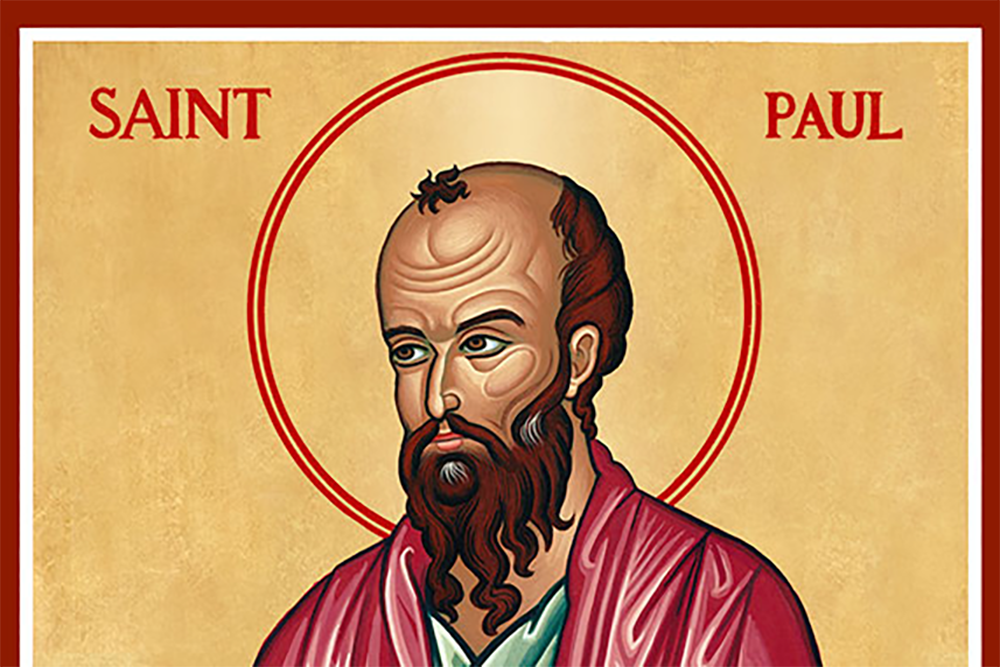
III. Paul and Profanity
For those who don’t know the Lord Jesus Christ, we would expect them to say unwholesome words. It is part of their heart, for they have an old, sinful nature. But Christians, who have a new heart, have no excuse for doing this. They have the power of the Holy Spirit living in them to overcome their foul mouth.
The Apostle Paul commands believers to stop the profanity. In Ephesians 4:29 he tells us:
“Let no unwholesome word proceed from your mouth, but only such a word as is good for edification according to the need of the moment, so that it will give grace to those who hear.”
Also, in the book of Colossians, Paul associates profanity with the old nature. He says this:
“But now also put off all these: anger, wrath, malice, blasphemy, filthy communication out of your mouth. Lie not one to another, seeing that you have put off the old man with his deeds. And have put on the new man, which is renewed in the knowledge after the image of Him that created him” (Colossians 3:8–10).
Conclusion
For the Christian, the Bible is clear. Profanity is language that is not worthy of the child of God. And if you are guilty of it, then it is a sin that needs to be confessed and abandoned. Of course, for those who don’t know the Lord Jesus Christ, the first step in getting rid of such language is to accept Jesus Christ as your Lord and Savior and ask Him to cleanse you from all the sin that separates you from a Holy God.
Once you are saved, you have to ask the Lord’s help to clean up your act. If you are having trouble with this sin, then you might consider praying Psalm 19:14 every morning before you get out of bed:
“Let the words of my mouth and the meditation of my heart be acceptable in Your sight, O Lord, my rock and my Redeemer.”
Cleaning up your act might include not hanging out with old friends who curse, and not going to movies that you know are full of profanity. It might mean paying more attention to what you read or see on the internet or on television. Anything that can reinforce your tendency to curse or use profane language should be off limits.
Whatever it takes, it is time to get rid of the language in our lives that is unworthy of a child of a holy God. May our speech begin to truly reflect what God is doing in our hearts.
메타데이터
- post_id
- 0ce7aef5f4d4
- slug
- profanity-and-the-bible-0ce7aef5f4d4
- url
- https://medium.com/@ji9552483/profanity-and-the-bible-0ce7aef5f4d4
- canonical_url
- https://medium.com/@ji9552483/profanity-and-the-bible-0ce7aef5f4d4
- author_url
- https://medium.com/@ji9552483
- status
- ok
- fetched_at
- 2026-07-09 17:12:49