The 15-Minute Daily Progress Method That Actually Sticks
Most goal-setting advice asks too much, too fast. Here’s a simpler approach that uses short daily sessions to build real momentum without…
The 15-Minute Daily Progress Method That Actually Sticks
Most goal-setting advice asks too much, too fast. Here’s a simpler approach that uses short daily sessions to build real momentum without burning out or losing your routine.

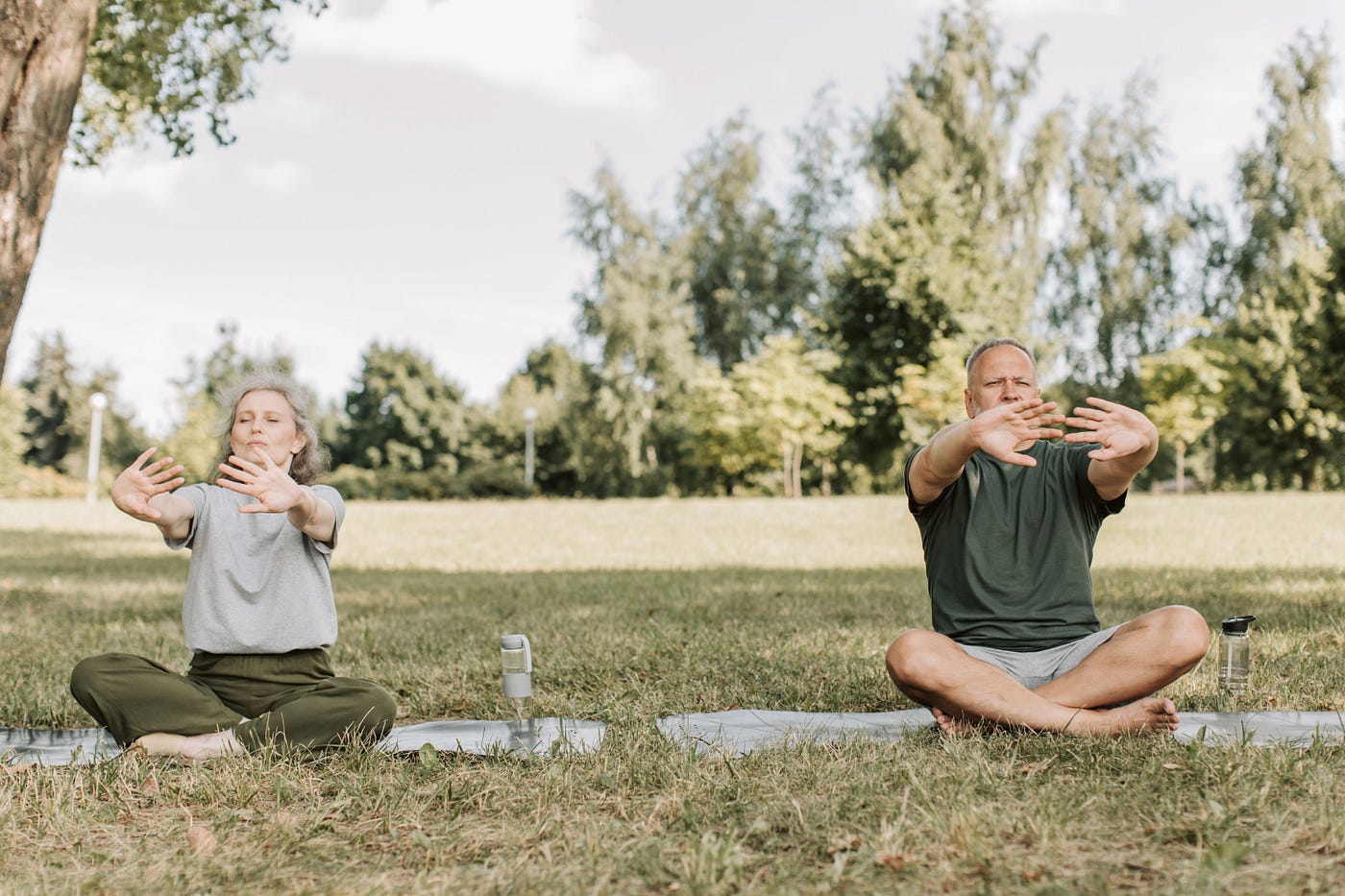
Photo by Kweku Pozybhle Directs
You Already Know What You Want to Do. You Just Keep Not Doing It.
That’s the actual problem. Not motivation, not time, not information. You know the goal. You’ve thought about it more times than you can count. The gap isn’t between you and the knowledge. It’s between knowing and the daily act of showing up.
Fifteen minutes sounds almost insultingly small. But that’s the point.
Why Big Blocks of Time Are Working Against You
Most people wait for a two-hour window. It doesn’t come. Or it comes on a Tuesday and then not again for eleven days. Life is uneven, and a method that depends on perfect conditions will fail under imperfect ones.
Fifteen minutes is different because it’s always available, before coffee gets cold, during a lunch break, after the kids go down. The constraint isn’t the enemy. The constraint is the point.
There’s a second reason the short window works: it lowers the barrier to starting. Most of the internal resistance you feel isn’t about the work itself, it’s about the imagined cost of beginning, the feeling that sitting down means committing to something long and draining that you don’t have the energy for today. Fifteen minutes feels survivable in a way that “a full session” doesn’t. And once you’re in it, the work often carries you past the timer anyway.
How the Method Actually Works
Pick one goal. Not a category (“get healthier”) but a specific thing you want to make real. Write a chapter. Learn a language. Build the habit of drawing every day. Something with a direction you can face.
Each day, the only question is: what’s the smallest useful thing I can do toward this in the next fifteen minutes?
Not the most impressive thing. The smallest useful one. This matters because it keeps sessions completable, and a session you can finish beats an ambitious one you abandon after six minutes because it got hard and you had somewhere to be.
At the end of the session, write one sentence about what you did. Not a journal entry, not a reflection, just one sentence. “Wrote 200 words on chapter three.” “Spent fifteen minutes on verb conjugation.” This builds a record you can actually look back at, and there’s something quietly powerful about seeing thirty of those lines stacked up, proof of work you’d have otherwise forgotten entirely.

Embrace The Grind collection by Still Mind Club
The Part Most People Skip
Protecting the session from negotiation.
This is where most well-designed systems fall apart. The method is sound, the person is willing, but then one day the session gets skipped because something came up, and then again, and within two weeks it’s just another thing that used to be part of the routine.
The solution isn’t willpower. It’s removing the decision entirely. Same time, same place, same fifteen minutes, not “I’ll fit it in when I can,” because you won’t, and deep down you know that. You’re not fitting it in. You’re holding the slot. The difference sounds minor and isn’t.
When you miss a day, the only rule is you don’t miss two in a row. One missed day is a fact. Two missed days is the beginning of a pattern.
On the days when you genuinely cannot show up for even fifteen minutes? Write the one-sentence log entry anyway. “Couldn’t sit down today. Meeting ran long.” Keeping the habit of logging, even on the bad days, keeps the thread alive.
What Fifteen Minutes Adds Up To
Ninety sessions in, you’ll have spent more than twenty hours on this thing. That’s a real draft. That’s conversational fluency in a new language at a basic level. That’s a workout routine your body has actually adapted to.
The math isn’t what’s compelling, though. What’s compelling is that you built it in pieces so small that no single day felt like a sacrifice, and that’s a fundamentally different relationship to progress than most people ever develop, because most people are waiting for the big effort, the clear weekend, the version of themselves who finally feels ready. This method says progress happens every day, quietly, in a size that doesn’t ask you to rearrange your life.
Some days the fifteen minutes is alive. You’re in it, the work is good, you go twenty-five minutes without noticing. Some days it’s mechanical and flat and you get through it mostly by inertia. Both count exactly the same. That’s the part nobody tells you, and it matters more than the productivity advice does.
You don’t need the inspired version to keep going. You just need the version that shows up.
Start Today, Not When You’re Ready
The only thing separating people who make progress from people who intend to is that the first group started before they felt ready.
Pick the goal. Open the timer. Fifteen minutes, right now or at a specific time today.
For people staying consistent and building a daily practice that actually holds, visit Still Mind Club. The designs here are built around the same idea: small, real, daily.
Start the clock.
메타데이터
- post_id
- 0cfd812838bc
- slug
- the-15-minute-daily-progress-method-that-actually-sticks-0cfd812838bc
- url
- https://medium.com/@stillmindclub/the-15-minute-daily-progress-method-that-actually-sticks-0cfd812838bc
- canonical_url
- https://medium.com/@stillmindclub/the-15-minute-daily-progress-method-that-actually-sticks-0cfd812838bc
- author_url
- https://medium.com/@stillmindclub
- status
- ok
- fetched_at
- 2026-07-20 19:14:58