How a Carbon Neutral Architecture Firm Designs Sustainable Buildings for the Future
Introduction
How a Carbon Neutral Architecture Firm Designs Sustainable Buildings for the Future
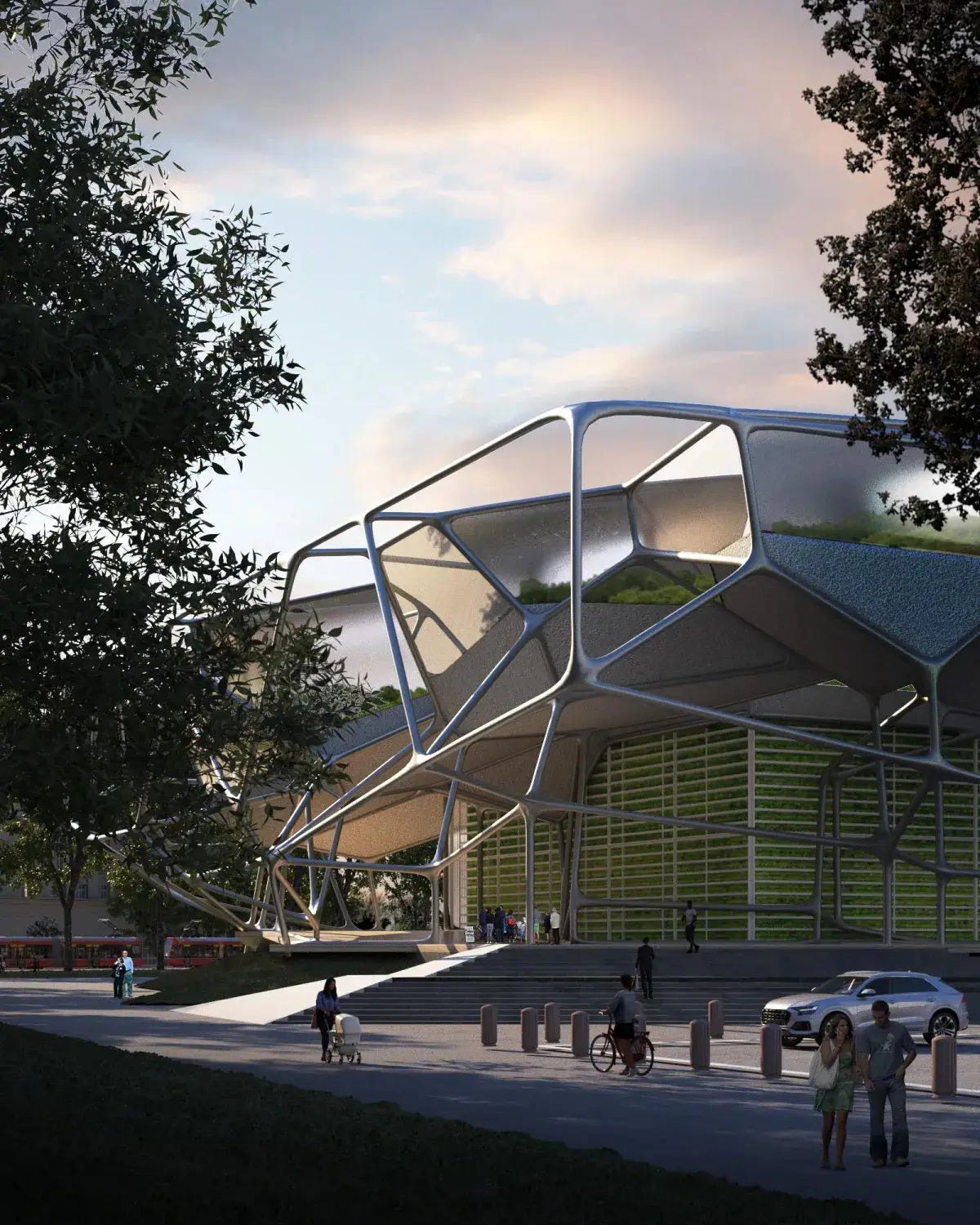
Introduction
As climate change and environmental challenges continue to shape the future of construction, sustainable building practices have become more important than ever. A **Carbon Neutral Architecture Firm** helps create buildings that minimize carbon emissions while maximizing energy efficiency, occupant comfort, and long-term environmental performance. By combining innovative design, renewable energy solutions, and sustainable materials, these firms develop spaces that contribute to a healthier planet and more resilient communities.
Whether designing residential homes, commercial developments, educational facilities, or mixed-use projects, a Carbon Neutral Architecture Firm focuses on reducing a building’s environmental footprint throughout its entire lifecycle. This approach supports both environmental responsibility and long-term economic value.
What Is a Carbon Neutral Architecture Firm?
A Carbon Neutral Architecture Firm specializes in designing buildings that produce little to no net carbon emissions. The goal is to reduce carbon output through smart planning, passive design strategies, energy-efficient systems, renewable energy integration, and sustainable construction materials.
Rather than relying on carbon offsets alone, these firms prioritize reducing emissions at every stage of a project’s design, construction, and operation.
Why Carbon Neutral Design Matters
The construction industry contributes significantly to global greenhouse gas emissions. Traditional buildings consume large amounts of energy during construction and operation, increasing their environmental impact.
A Carbon Neutral Architecture Firm helps address these challenges by designing buildings that:
- Reduce carbon emissions
- Improve energy efficiency
- Lower operating costs
- Conserve natural resources
- Improve indoor environmental quality
- Support climate resilience
Carbon-neutral buildings are becoming increasingly valuable as governments, businesses, and homeowners prioritize sustainable development.
Passive Design Strategies
One of the first steps toward carbon neutrality is reducing a building’s energy demand through passive design.
Common strategies include:
Building Orientation
Careful positioning allows buildings to maximize natural daylight while minimizing unwanted heat gain.
Natural Ventilation
Cross ventilation and strategically placed openings reduce dependence on mechanical cooling systems.
Solar Shading
Overhangs, louvers, and shading devices help maintain comfortable indoor temperatures.
High-Performance Building Envelopes
Efficient insulation and airtight construction reduce heating and cooling requirements throughout the year.
These design principles significantly reduce energy consumption before active systems are introduced.
Energy-Efficient Building Systems
A Carbon Neutral Architecture Firm integrates advanced technologies that optimize building performance.
These include:
- High-efficiency HVAC systems
- LED lighting
- Smart lighting controls
- Energy-efficient glazing
- Heat recovery ventilation
- Building automation systems
Together, these systems lower energy use while maintaining exceptional occupant comfort.
Sustainable Building Materials
Material selection plays an essential role in achieving carbon neutrality.
A Carbon Neutral Architecture Firm often specifies:
- Engineered timber
- Recycled steel
- Low-carbon concrete
- Bamboo
- Reclaimed wood
- Recycled insulation
- Locally sourced materials
These materials reduce embodied carbon while supporting environmentally responsible construction practices.
Renewable Energy Integration
Generating clean energy is a key component of carbon-neutral design.
Common renewable energy systems include:
- Solar photovoltaic panels
- Solar water heating
- Geothermal heating and cooling
- Battery energy storage
- Wind energy where appropriate
Renewable energy reduces dependence on fossil fuels while lowering long-term operational costs.
Water Conservation Strategies
Sustainable buildings also manage water resources efficiently.
A Carbon Neutral Architecture Firm may incorporate:
- Rainwater harvesting
- Greywater recycling
- Low-flow plumbing fixtures
- Smart irrigation systems
- Native landscaping
These features reduce water consumption while supporting long-term environmental sustainability.
Creating Healthier Indoor Environments
Carbon-neutral buildings also prioritize occupant health.
Architects improve indoor environments through:
Natural Daylighting
Large windows and skylights maximize daylight, reducing electricity consumption while improving mood and productivity.
Clean Indoor Air
Low-VOC materials, advanced ventilation systems, and air filtration improve indoor air quality.
Thermal Comfort
Efficient building envelopes maintain consistent indoor temperatures throughout every season.
Acoustic Comfort
Proper insulation and thoughtful layouts reduce unwanted noise and create more comfortable living and working spaces.
Smart Building Technology
Technology plays an increasingly important role in sustainable architecture.
Modern carbon-neutral buildings often include:
- Smart thermostats
- Occupancy sensors
- Energy monitoring systems
- Automated lighting controls
- Intelligent building management software
These technologies continuously optimize energy performance while reducing unnecessary consumption.
Reducing Construction Waste
Sustainability extends beyond building operation.
A Carbon Neutral Architecture Firm minimizes construction waste by using:
- Modular construction
- Prefabricated building components
- Material recycling
- Efficient procurement
- Digital project coordination
These practices reduce landfill waste while improving construction efficiency.
Long-Term Benefits of Carbon Neutral Architecture
Working with a Carbon Neutral Architecture Firm provides numerous long-term advantages:
- Lower energy costs
- Reduced carbon emissions
- Improved indoor comfort
- Greater building resilience
- Increased property value
- Better environmental performance
- Lower maintenance costs
- Compliance with green building standards
These benefits make carbon-neutral design an excellent long-term investment for both residential and commercial projects.
Preparing Buildings for the Future
As environmental regulations continue to evolve, future buildings must become increasingly efficient and resilient.
Carbon-neutral architecture prepares buildings for future challenges by incorporating:
- Climate-responsive design
- Renewable energy systems
- Smart technologies
- Flexible building layouts
- Sustainable construction practices
These features ensure buildings remain valuable, adaptable, and environmentally responsible for decades.
Conclusion
A Carbon Neutral Architecture Firm plays a vital role in shaping a more sustainable future by designing buildings that minimize environmental impact while maximizing efficiency, comfort, and long-term performance. Through passive design strategies, renewable energy integration, sustainable materials, smart technologies, and resource-efficient planning, these firms create buildings that support both people and the planet.
At **Urban A&O**, sustainable architecture is viewed as an opportunity to create innovative spaces that balance environmental responsibility with exceptional design. By embracing carbon-neutral principles, Urban A&O helps deliver future-ready buildings that contribute to healthier communities and a greener world.
FAQs
What is a Carbon Neutral Architecture Firm?
A Carbon Neutral Architecture Firm specializes in designing buildings that minimize or eliminate net carbon emissions through sustainable design, renewable energy, energy-efficient systems, and environmentally responsible materials.
How does a Carbon Neutral Architecture Firm reduce carbon emissions?
These firms reduce emissions by using passive design strategies, renewable energy systems, sustainable materials, efficient HVAC systems, smart building technologies, and water conservation practices.
What types of projects can benefit from carbon-neutral architecture?
Residential homes, office buildings, educational institutions, healthcare facilities, hospitality projects, mixed-use developments, and public infrastructure can all benefit from carbon-neutral design.
Is carbon-neutral architecture more expensive?
Initial costs may sometimes be slightly higher, but lower operating expenses, reduced energy consumption, increased property value, and long-term savings often make carbon-neutral buildings more cost-effective over time.
Why are sustainable materials important in carbon-neutral architecture?
Sustainable materials reduce embodied carbon, conserve natural resources, improve indoor environmental quality, and contribute to the overall environmental performance of a building.
Why should I choose a Carbon Neutral Architecture Firm?
A Carbon Neutral Architecture Firm helps create healthier, energy-efficient, and environmentally responsible buildings that lower carbon emissions, reduce operating costs, improve occupant comfort, and support long-term sustainability.
메타데이터
- post_id
- 0d006bea0fd9
- slug
- how-a-carbon-neutral-architecture-firm-designs-sustainable-buildings-for-the-future-0d006bea0fd9
- url
- https://medium.com/@robertdunn2687/how-a-carbon-neutral-architecture-firm-designs-sustainable-buildings-for-the-future-0d006bea0fd9
- canonical_url
- https://medium.com/@robertdunn2687/how-a-carbon-neutral-architecture-firm-designs-sustainable-buildings-for-the-future-0d006bea0fd9
- author_url
- https://medium.com/@robertdunn2687
- status
- ok
- fetched_at
- 2026-08-06 01:17:12





