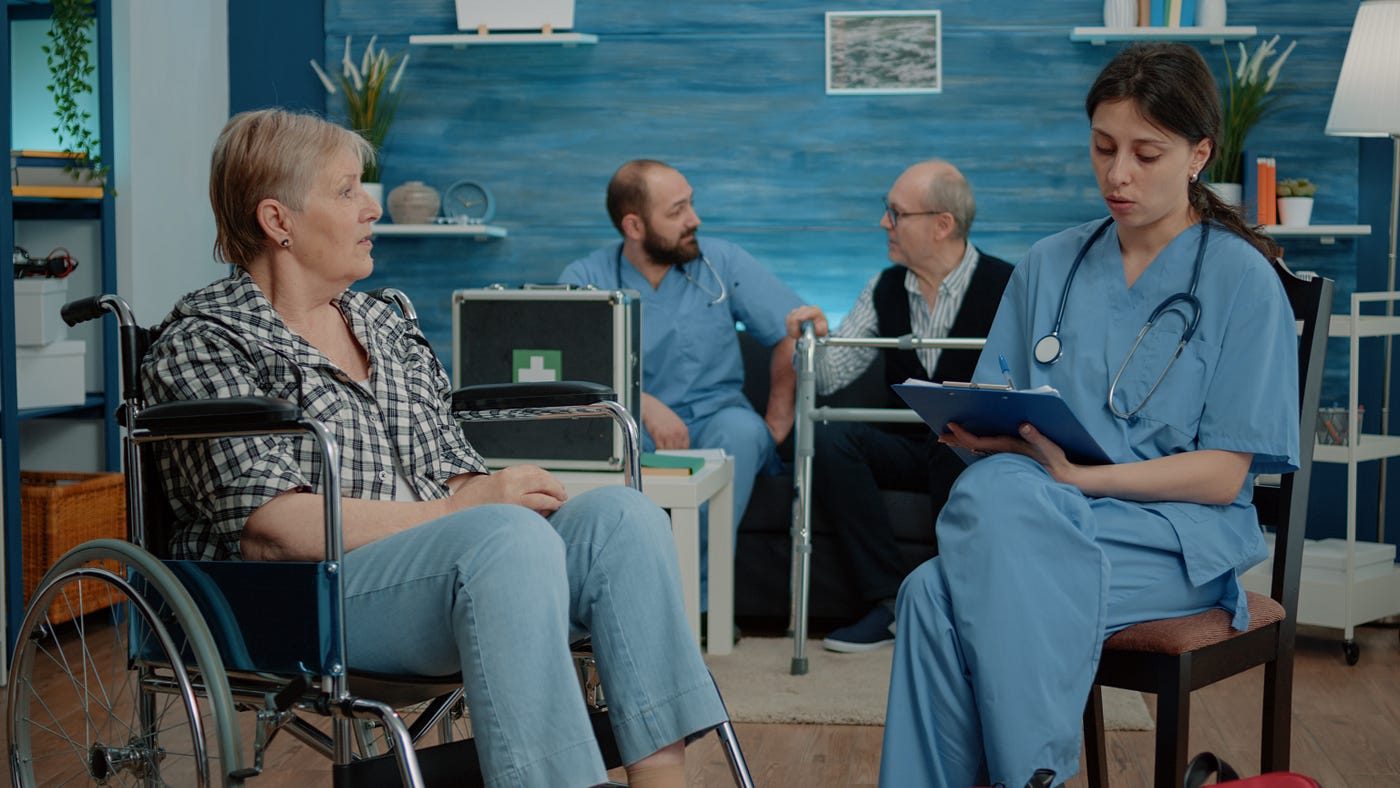
Why First Aid Training is Important?
First aid training is more than a workplace requirement. It gives people the knowledge and confidence to respond when someone becomes ill…
Why First Aid Training is Important?
First aid training is more than a workplace requirement. It gives people the knowledge and confidence to respond when someone becomes ill or injured.
From minor workplace injuries to serious emergencies, knowing what to do in the first few minutes can make a significant difference.
In the UK, first aid skills are valuable across workplaces, care settings, schools, nurseries, offices and everyday life.

What Is First Aid Training?
First aid training teaches people how to respond safely to common injuries and medical emergencies before professional medical help arrives.
Depending on the course, learners may develop practical knowledge around:
- CPR and resuscitation
- Recovery position
- Choking
- Bleeding and wounds
- Burns
- Shock
- Unconsciousness
- Basic emergency response
- Workplace first aid procedures
The aim is not to replace doctors, nurses or paramedics.
Instead, first aid training helps someone take appropriate action during those crucial moments before further medical assistance is available.
Why Is First Aid Training Important?
Emergencies can happen almost anywhere.
A colleague may suffer an injury at work, a child may choke at school, or someone may suddenly become unconscious in a public place.
Without basic first aid knowledge, people may panic or hesitate.
With appropriate training, they are more likely to recognise an emergency, remain calm and take sensible action.
For a more detailed look at the benefits and importance of first aid training, read this guide on why first aid training is important.
First Aid Skills Can Build Confidence
One of the biggest benefits of first aid training is confidence.
Knowing how to respond to an emergency can help people avoid freezing when something unexpected happens.
Training provides an opportunity to learn emergency procedures in a structured environment.
This can make it easier to remember important steps when they are needed in real life.
First Aid in the UK Workplace
First aid is particularly important in the workplace.
Different working environments have different risks, from manual handling injuries and falls to burns, cuts and other accidents.
Employers therefore need to consider the first aid needs of their workplace and ensure appropriate arrangements are in place.
First aid awareness can be especially useful for employees working in:
- Care homes
- Healthcare environments
- Offices
- Construction
- Schools
- Nurseries
- Hospitality
- Warehouses
- Retail
- Community services
For employees, first aid training can also be a valuable addition to their professional development.
First Aid Training for Health and Social Care
First aid knowledge is particularly relevant to people working in health and social care.
Care workers, support workers and other professionals may work closely with people who have additional care needs.
Being able to respond appropriately to an accident or sudden illness is an important part of creating a safer care environment.
First aid training can complement other essential care-related learning, including safeguarding, infection prevention and health and safety.
For people beginning a career in care, combining first aid knowledge with broader mandatory training can help build a stronger foundation of workplace skills.
First Aid Training for Career Development
First aid training can also support professional development.
While a first aid course does not guarantee employment, it can demonstrate a willingness to develop practical workplace skills.
For people applying for roles in care, education, childcare, hospitality or other people-focused sectors, relevant training can strengthen their learning portfolio.
It may also help learners feel better prepared when entering a new working environment.
What Can You Learn From Basic First Aid Training?
A basic first aid course is a useful starting point for anyone who wants to develop essential emergency response knowledge.
Learners can explore fundamental first aid principles and understand how to respond to common situations.
If you are looking for an accessible way to develop these essential skills, explore Basic First Aid Training from Care Skills Training.
It can be particularly useful for learners who want to improve their knowledge before progressing towards more specialised workplace or sector-specific training.
First Aid and the Care Certificate
For people planning to work in adult social care, first aid can also sit alongside wider professional development.
The Care Certificate provides a foundation of knowledge and skills for people working in health and social care settings.
Its standards cover areas such as duty of care, communication, privacy and dignity, safeguarding, health and safety and infection prevention.
Completing broader care-related training alongside first aid can help learners develop a more rounded understanding of their responsibilities.
Those looking to build their knowledge across the Care Certificate standards can explore the Care Certificate Standards 1–16 course.
Who Should Consider First Aid Training?
First aid training is not only for medical professionals.
It can be useful for anyone who may need to respond to an emergency.
This includes:
- Employees and managers
- Care workers and support workers
- Teaching assistants
- Childcare professionals
- Hospitality workers
- First aiders
- Volunteers
- Parents and carers
- People starting a new career
The right course will depend on the learner’s workplace, responsibilities and training requirements.
First Aid Knowledge Matters Beyond the Workplace
First aid skills can also be useful outside working hours.
Accidents do not follow a schedule.
Someone could become unwell at home, during a journey, at a sporting activity or while attending a community event.
Having basic first aid awareness means you may be better prepared to respond until professional help is available.
That practical knowledge can be valuable throughout everyday life.
Choosing the Right First Aid Course
Before enrolling, it is worth considering what you actually need from your training.
Ask yourself:
- Is the course suitable for my role?
- Does it cover the skills I want to learn?
- Is it relevant to my workplace?
- Does it provide a certificate?
- Is the training delivered by a reputable provider?
- Will it support my professional development?
Choosing training based on your specific needs can make the learning experience more useful.
Final Thoughts
First aid training gives people more than theoretical knowledge.
It can provide practical skills, improve confidence and help learners understand how to respond during unexpected situations.
For UK employees and professionals, first aid awareness can be a valuable part of workplace learning and career development.
Whether you work in care, education, childcare, hospitality or another sector, learning basic first aid is a practical investment in your skills.
You may never know when those skills will be needed — but being prepared can make all the difference.
메타데이터
- post_id
- 0d014dec862f
- slug
- why-first-aid-training-is-important-0d014dec862f
- url
- https://medium.com/@careskillstraining/why-first-aid-training-is-important-0d014dec862f
- canonical_url
- https://medium.com/@careskillstraining/why-first-aid-training-is-important-0d014dec862f
- author_url
- https://medium.com/@careskillstraining
- status
- ok
- fetched_at
- 2026-09-15 09:39:27