Flint Homeowners: 9 Hidden Gaps in Your Insurance Policy That Could Cost You Thousands
Are You Really Covered? What Flint Homeowners Need to Know
Flint Homeowners: 9 Hidden Gaps in Your Insurance Policy That Could Cost You Thousands

Are You Really Covered? What Flint Homeowners Need to Know
Many people believe their policy covers everything. It does not.
That belief can cost you thousands.
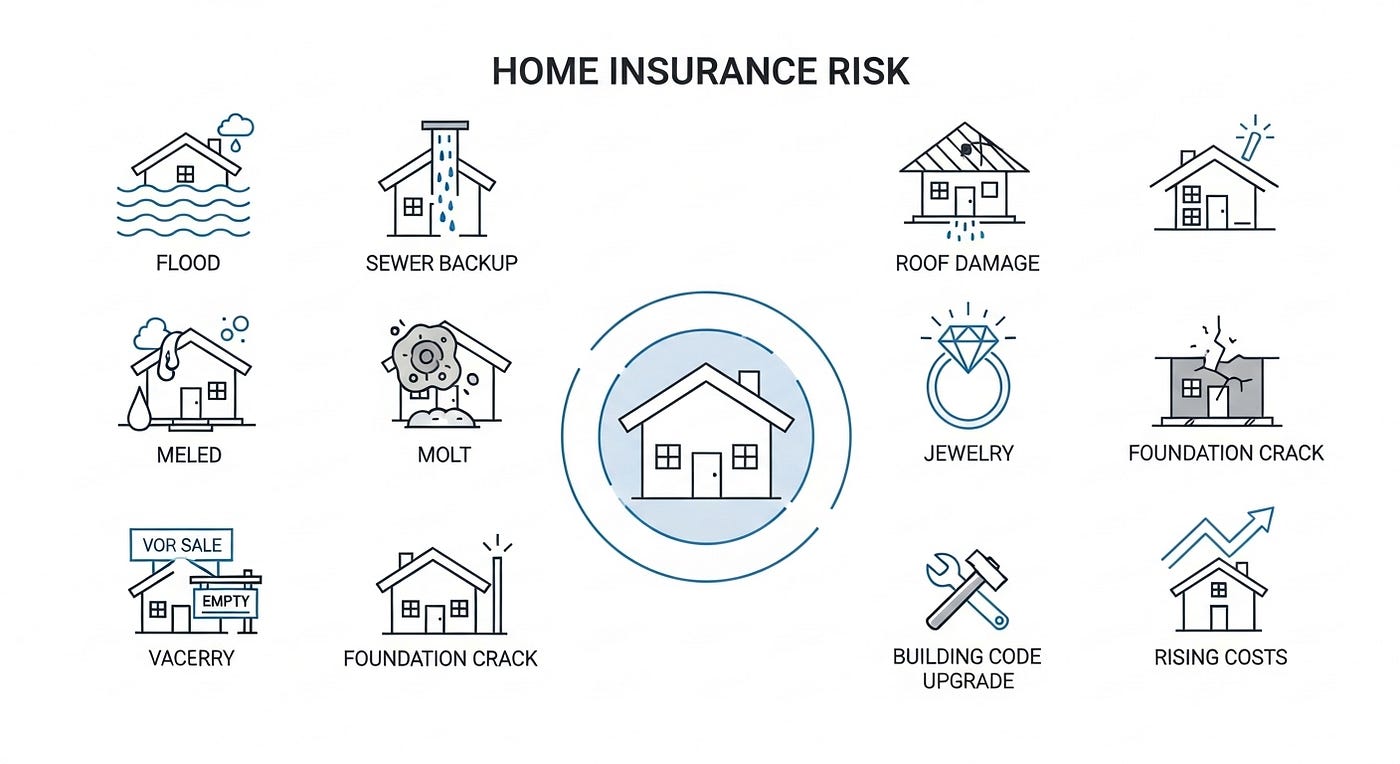
If you own a home in Flint, you face risks that many other cities do not. Aging sewer lines. Older homes. Harsh winters. Rising rebuild costs. These issues create real home insurance coverage gaps.
In this guide, you will learn:
- What homeowners insurance in Flint MI often does not cover
- Why these risks matter in Michigan
- How to fix gaps before a claim gets denied
Let’s start with why Flint homes face unique risks.
Why Homeowners Insurance in Flint Comes With Unique Risks
Flint is not a new-build suburb. Many homes were built decades ago. That matters.
Here’s why:
- Sewer and water lines are aging
- Many homes have older plumbing and wiring
- Michigan winters cause freeze and thaw damage
- Storms bring wind, hail, and heavy rain
- Rebuilding costs have increased due to inflation
According to the Insurance Information Institute, water damage and freezing are among the most common home insurance claims nationwide.
The Michigan Department of Insurance and Financial Services also reminds homeowners to review exclusions and limits carefully.
Now let’s break down the nine most overlooked coverage gaps affecting Flint homeowners.

1. Sewer and Drain Backup Coverage Gaps in Flint
Most standard policies do not cover sewer backup.
That means if a city sewer line backs up into your basement, you may be on your own.
This matters in Flint because:
- Sewer systems are older
- Heavy rain can overwhelm lines
- Basement flooding is common
Water damage is one of the top claim types nationwide, according to the Insurance Information Institute.
A single sewer backup can cost $10,000 or more in cleanup and repairs.
Action Tip:
Add a sewer backup endorsement. It is often affordable and can save thousands.
2. Flood Damage Is Not Covered by Standard Home Insurance
Does homeowners insurance cover flooding?
No. Not from rising water.
Flood coverage requires a separate policy, often through the Federal Emergency Management Agency.
Even one inch of water can cause major damage. Flood zones are not always obvious.
Action Tip:
Check FEMA flood maps and see if flood insurance makes sense for your home.
3. Ordinance or Law Coverage (Building Code Upgrades)
If your older Flint home suffers damage, you may need to rebuild to current code.
That can include:
- Electrical upgrades
- Plumbing updates
- Insulation changes
Standard policies may only pay to restore what existed, not what is required now.
Many policies cap ordinance coverage at 10%–25% of dwelling limits.
Action Tip:
Ask about increasing ordinance or law coverage if your home is older.
4. Being Underinsured Due to Rising Construction Costs

Your home’s market value is not its rebuild cost.
Material prices and labor shortages have increased construction costs across Michigan.
If your home is insured for too little, you must pay the difference.
Rebuild costs per square foot may be far higher than your current limit.
Action Tip:
Request a replacement cost review each year.
5. Mold Coverage Limitations
Mold is tricky.
Many policies:
- Cover mold only if caused by a covered peril
- Cap mold claims at $5,000–$10,000
Basement moisture is common in Michigan homes. Slow leaks often are not covered.
Action Tip:
Review mold limits and maintain proper drainage and ventilation.
6. Foundation and Earth Movement Exclusions
Most policies exclude:
- Gradual settling
- Earth movement
- Soil shifting
If a sewer line breaks under your slab, repairs may not be covered.
Some insurers offer service line endorsements for underground pipes.
Action Tip:
Ask about service line coverage.
7. Roof Depreciation and Cosmetic Damage Clauses
Roof claims are changing.
Some insurers pay:
- Actual Cash Value (ACV) instead of full replacement
- No coverage for cosmetic damage
Michigan winters bring ice and wind. Roof damage is common.
Roof replacement in Michigan can cost $10,000–$20,000 or more.
Action Tip:
Confirm whether your roof is insured for replacement cost or ACV.
8. Vacant Home Coverage Restrictions
If your home is vacant for 30–60 days, coverage may change.
This happens during:
- Renovations
- Estate settlements
- Extended travel
Vacant homes face higher risks of pipe bursts and vandalism.
Action Tip:
Notify your insurer if your home will be vacant.
9. Personal Property Sub-Limits You Might Not Know About
Policies often limit coverage for:
- Jewelry
- Firearms
- Electronics
- Collectibles
For example, jewelry may be capped at $1,500 unless scheduled separately.
Action Tip:
Consider scheduled personal property coverage for high-value items.
How Flint Homeowners Can Close These Insurance Gaps
If you want to protect your home, take these steps:
- Review your declarations page
- Confirm sewer backup coverage
- Check flood zone status
- Verify replacement cost
- Review roof settlement type
- Evaluate personal property limits
- Ask about ordinance coverage
- Discuss service line endorsements
- Schedule an annual policy review
Working with an experienced insurance agency near Flint can help you spot issues quickly.
FAQs About Homeowners Insurance in Flint, Michigan
Does homeowners insurance in Flint MI cover water damage?
It covers sudden leaks, not flooding or sewer backup. Review limits and endorsements. Learn more about water damage coverage above.
Do I need flood insurance in Flint?
Standard policies exclude floods. Check FEMA maps to see your risk. Even low-risk zones can flood. Learn more about flood options.
How much homeowners insurance do I need in Michigan?
You need enough to rebuild your home fully. Market value is not enough. Ask for a replacement cost review to stay protected.
What does homeowners insurance not cover?
It often excludes floods, sewer backup, earth movement, and wear and tear. Read your policy to avoid costly surprises.
How often should I review my home insurance policy?
Review it yearly or after major changes. Updates help close gaps before a claim happens. Learn more in the review section above.
When Should Flint Homeowners Review Their Insurance Policy?
You should review your homeowners insurance policy:
- After renovations
- After major purchases
- After rate increases
- After severe Michigan weather
- At least once a year
Life changes. So do risks.
Don’t Wait Until a Claim Is Denied
Homeowners insurance in Flint MI is not one-size-fits-all.
Aging infrastructure. Harsh winters. Rising rebuild costs. These risks create hidden gaps.
The good news? Most gaps can be fixed.
Schedule a free policy gap review.
Speak with a licensed local advisor.
Get a personalized quote that fits your home.
A short review today can prevent a costly surprise tomorrow.
메타데이터
- post_id
- 0d26741c05ea
- slug
- flint-homeowners-9-hidden-gaps-in-your-insurance-policy-that-could-cost-you-thousands-0d26741c05ea
- url
- https://medium.com/@lainsurance.mi99/flint-homeowners-9-hidden-gaps-in-your-insurance-policy-that-could-cost-you-thousands-0d26741c05ea
- canonical_url
- https://medium.com/@lainsurance.mi99/flint-homeowners-9-hidden-gaps-in-your-insurance-policy-that-could-cost-you-thousands-0d26741c05ea
- author_url
- https://medium.com/@lainsurance.mi99
- status
- ok
- fetched_at
- 2026-06-23 17:05:31


