How to read OBD2 codes without a scanner using apps or AI tools, and how reliable are they compared…
A check engine light can be stressful, especially when you don’t have an OBD2 scanner sitting in your garage. Many drivers immediately…
How to read OBD2 codes without a scanner using apps or AI tools, and how reliable are they compared to professional diagnostics?

A check engine light can be stressful, especially when you don’t have an OBD2 scanner sitting in your garage. Many drivers immediately search for ways to read the code without a scanner, wondering if a phone app, AI tool, or online diagnostic service can help them understand what is happening before visiting a repair shop.
The short answer is: yes, you can get useful diagnostic information without owning a traditional scanner, but the reliability depends on what kind of information you need. Reading a code is only the first step. Understanding what the code means, how serious the problem is, and what repair decision makes sense is where most drivers struggle.
Can you read OBD2 codes without a physical scanner?
A traditional OBD2 scanner connects directly to your vehicle’s diagnostic port and retrieves trouble codes stored by the engine control module (ECM). Without one, you usually cannot directly access the vehicle’s stored codes.
However, there are several alternatives:
· OBD2 mobile apps with Bluetooth adapters These require a small adapter plugged into the vehicle’s OBD2 port. The app reads the code and displays basic information.
· Online diagnostic tools and AI-based vehicle assistants These allow drivers to describe symptoms, enter trouble codes, or provide vehicle details to receive possible explanations and repair guidance.
· Free code lookup websites These can explain what a code technically means but usually do not provide much context about the actual problem.
The important difference is that an OBD2 code is not a complete diagnosis. It is only a signal from the vehicle’s computer telling you that a system detected something outside the expected range.
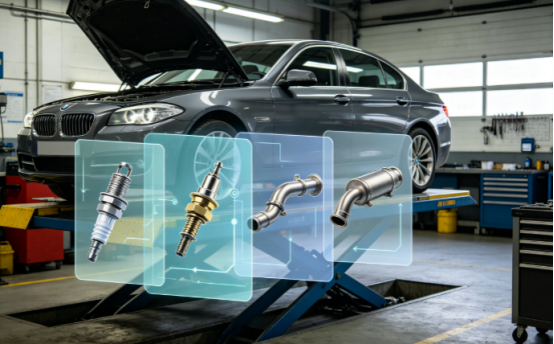
For example, a P0420 code technically relates to catalytic converter efficiency. But the actual cause could involve the catalytic converter, oxygen sensors, exhaust leaks, fuel mixture problems, or other engine conditions.
Why reading the code is often not enough
Many drivers make the same mistake: they see a trouble code online and immediately assume the failed part needs replacement.
This can lead to expensive mistakes.
A diagnostic code usually points toward a system or condition, not always a specific broken component.
For example:
· A misfire code may be caused by spark plugs, ignition coils, fuel delivery issues, vacuum leaks, or engine problems.
· A lean mixture code may come from an air leak, sensor issue, fuel pressure problem, or intake problem.
· A transmission-related code may require additional testing before replacing expensive parts.
Professional technicians do not repair a vehicle based only on the code. They combine:
· The trouble code
· Vehicle history
· Mileage
· Driving conditions
· Live data
· Physical inspection
· Additional testing
This is why two vehicles with the same OBD2 code can require completely different repairs.

How reliable are AI tools compared with professional diagnostics?
AI-based diagnostic tools can be useful, but they serve a different purpose from a professional mechanic.
A repair shop has advantages because technicians can physically inspect the vehicle, test components, measure electrical signals, and perform mechanical checks.
AI diagnostic systems, on the other hand, are valuable during the early decision-making stage.
They can help answer questions like:
· What are the most likely causes?
· Is this something urgent?
· Can I continue driving temporarily?
· What parts might be involved?
· Is the repair estimate reasonable?
The reliability depends heavily on the information provided. A detailed description such as “2018 Honda Civic, check engine light on, rough idle when cold, fuel economy dropped” gives a much better starting point than simply entering “engine problem.”
Modern AI diagnostic systems such as Carutoo — AI Car Care & Repair focus on interpreting vehicle symptoms and OBD2 information together, helping drivers understand possible causes, repair options, and expected costs instead of only displaying a code.

Common diagnostic mistakes drivers make
Mistake 1: Replacing parts based only on a code
A trouble code does not automatically mean a specific part has failed.
Replacing a catalytic converter because of a P0420 code, for example, may cost thousands of dollars, while the actual issue could be a smaller exhaust leak or sensor problem.
Mistake 2: Ignoring symptoms
The same code can have different levels of urgency depending on symptoms.
A solid check engine light with normal driving behavior is usually less urgent than a flashing check engine light combined with shaking, power loss, or unusual noises.
Symptoms often provide important clues:
· Rough idle → possible ignition, fuel, or air-related problems
· Reduced power → possible engine management or mechanical issues
· Poor fuel economy → possible sensor, mixture, or maintenance issues
· Strange noises → possible mechanical concerns
Mistake 3: Trusting the first repair recommendation
A repair estimate should always make sense based on the diagnosis.
If a shop immediately recommends a major repair without explaining the testing process, getting a second opinion can prevent unnecessary spending.

A better way to make repair decisions
A practical diagnostic process looks like this:
1. Identify the warning signs
Start with the basics:
· What warning light appeared?
· When did it happen?
· Did the vehicle behavior change?
· Are there unusual sounds, smells, or performance issues?
2. Understand possible causes
Instead of asking “What part do I replace?”, ask:
“What conditions could create this code or symptom?”
This keeps you from jumping to expensive conclusions.
3. Estimate the repair before spending money
Repair costs can vary significantly depending on the cause.
A sensor replacement, wiring repair, cleaning procedure, or software issue may have completely different costs from replacing major components.
Having a realistic price range helps drivers recognize whether a quote seems reasonable.
4. Confirm before approving repairs
For expensive repairs, a second opinion is often worth the time.
A good second opinion should not simply repeat the code definition. It should explain the reasoning behind the recommendation.

When should you use an AI diagnostic tool instead of going directly to a mechanic?
An AI diagnostic tool is especially useful when:
· The check engine light is on but the car still drives normally
· You want to understand a code before visiting a repair shop
· You received a repair estimate and want another reference point
· You are deciding whether a problem is urgent
· You want to prepare better questions for a mechanic
It is less suitable as a replacement for professional inspection when:
· The check engine light is flashing
· The engine is overheating
· There is serious power loss
· The vehicle has major mechanical symptoms
· Driving may create safety risks

The bottom line: use technology to make better decisions, not replace professional inspection
Reading an OBD2 code without a scanner can give you a starting point, but the real challenge is interpreting what that code means for your specific vehicle.
A code alone does not tell you:
· The exact failed part
· The repair priority
· The real cost
· Whether replacement is actually necessary
The most effective approach is combining available information: vehicle symptoms, OBD2 data, diagnostic reasoning, and professional inspection when needed.
Tools that explain the connection between symptoms, possible causes, repair options, and cost expectations can help drivers avoid unnecessary repairs and make more informed decisions before spending money at a shop. For many vehicle owners, understanding the diagnosis is just as important as fixing the problem itself.
메타데이터
- post_id
- 0d48663545f4
- slug
- how-to-read-obd2-codes-without-a-scanner-using-apps-or-ai-tools-and-how-reliable-are-they-compared-0d48663545f4
- url
- https://medium.com/@siteya666/how-to-read-obd2-codes-without-a-scanner-using-apps-or-ai-tools-and-how-reliable-are-they-compared-0d48663545f4
- canonical_url
- https://medium.com/@siteya666/how-to-read-obd2-codes-without-a-scanner-using-apps-or-ai-tools-and-how-reliable-are-they-compared-0d48663545f4
- author_url
- https://medium.com/@siteya666
- status
- ok
- fetched_at
- 2026-08-17 16:37:36