Plant Tissue Culture — Increasing Resveratrol by using Grape Tissue
In this period when traditional agriculture has been replaced by modern agricultural technologies, technologies that enable the production…
Plant Tissue Culture — Increasing Resveratrol by using Grape Tissue
In this period when traditional agriculture has been replaced by modern agricultural technologies, technologies that enable the production of plants in controlled environments have started to develop rapidly. One of these technologies is tissue culture. Although the history of plant tissue culture is quite old, it continues to develop rapidly today. We carried out a project to increase the production of resveratrol, one of the phenolic family chemicals of high importance in the pharmaceutical industry, by producing grape plants under laboratory conditions with tissue culture method and applying various stress applications to these tissues. In this article, I will tell you about the details of the project.
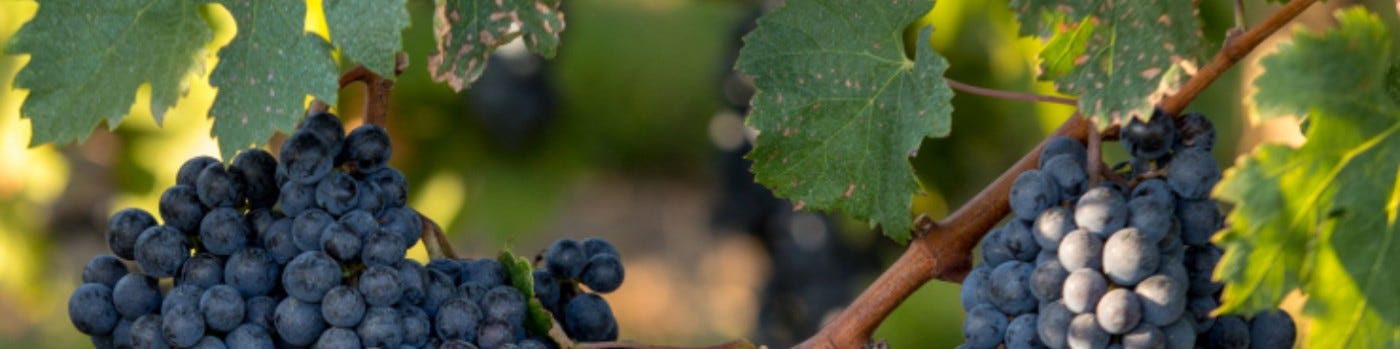
Resveratrol is a chemical with antioxidant, antibacterial and antioxidant properties. It is widely found in black grape plants. As a result of the applications, its positive effects on breast cancer and prostate cancer treatments have been revealed. The aim of our study is to investigate how we can produce more of this raw material in the laboratory environment without being dependent on natural conditions instead of producing a drug. Resveratrol, like other phenolic compounds, is called secondary metabolites. These secondary compounds are synthesized by plants to protect themselves in stress situations. By taking advantage of this mechanism, we analyzed the results by applying different types and ratios of stresses to plant tissues.
In this project, we used Öküzgözü and Boğazkere grapes, which are geographically marked in Turkey. We took samples from various tissues of the plant such as leaves, stems, and stalks, and developed them sterile in tissue culture. We used various auxins and cytokinins to trigger tissue changes. As a result of these processes, we obtained callus tissues manipulated from different tissues. We applied different amounts of stress with Methyl Jasmonate chemical to the grape calluses we obtained. As a result of these stresses, the tissues were harvested and analyzed by HPLC.
After all these processes, we observed that we increased the production of resveratrol chemical. This project, which we carried out within the scope of The Scientific And Technologicaal Research Council Of Türkiye (TUBİTAK-2209A) support program, was a very useful step for our future studies. There are many plant species that can be produced using the tissue culture method and the production of many chemicals can be facilitated using this method. You can also take a look at my other articles where I explain this method in more detail.
메타데이터
- post_id
- 0d4e5f5ca069
- slug
- plant-tissue-culture-increasing-resveratrol-by-using-grape-tissue-0d4e5f5ca069
- url
- https://medium.com/@ecebasak/plant-tissue-culture-increasing-resveratrol-by-using-grape-tissue-0d4e5f5ca069
- canonical_url
- https://medium.com/@ecebasak/plant-tissue-culture-increasing-resveratrol-by-using-grape-tissue-0d4e5f5ca069
- author_url
- https://medium.com/@ecebasak
- status
- ok
- fetched_at
- 2026-07-24 02:04:39