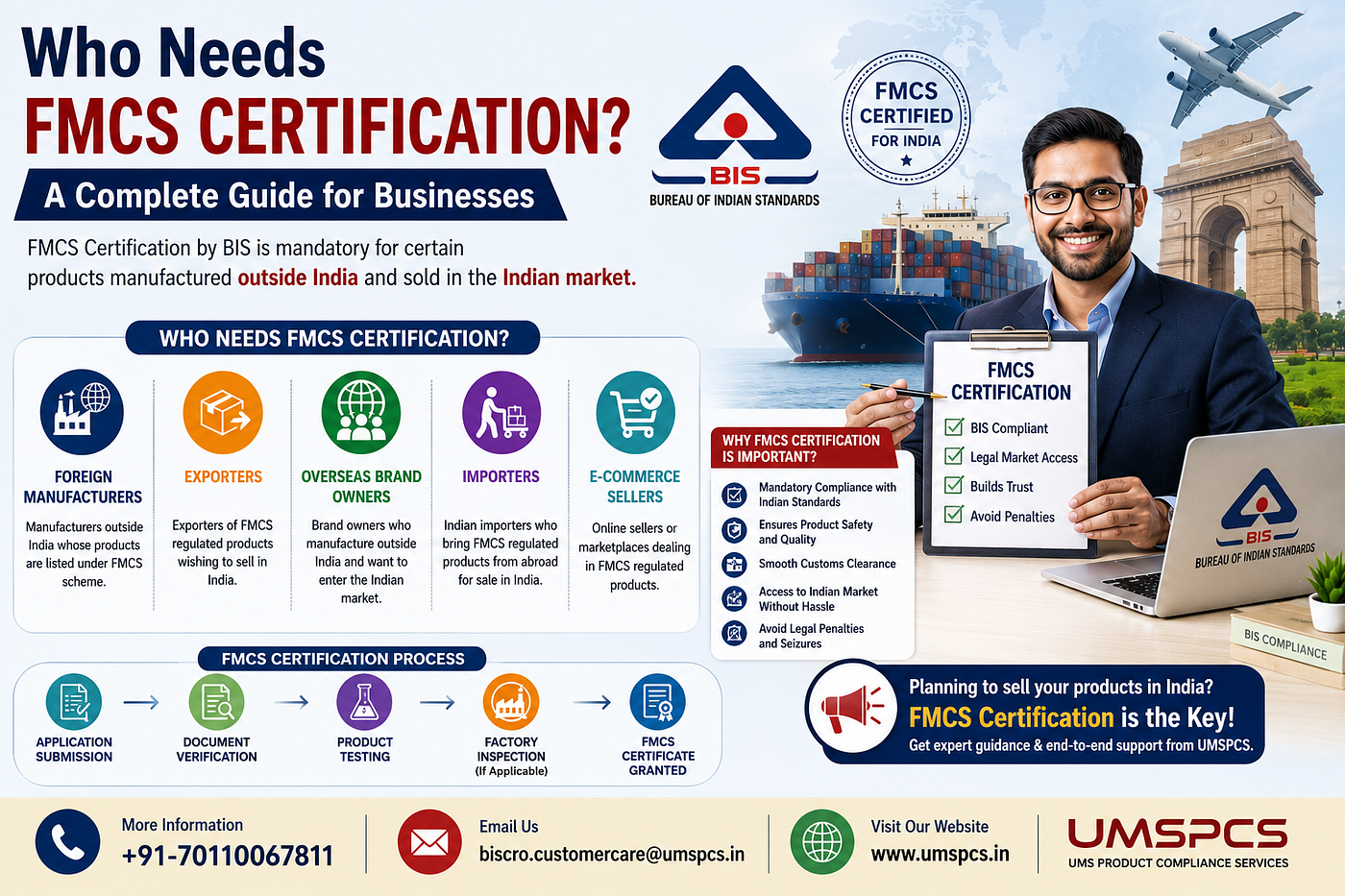
Who Needs FMCS Certification? A Complete Guide for Businesses
If you run a business that deals with shipping, transportation, logistics, or any operation involving freight movement across state or…
Who Needs FMCS Certification? A Complete Guide for Businesses
If you run a business that deals with shipping, transportation, logistics, or any operation involving freight movement across state or international lines, you’ve probably come across the term FMCS certification at some point. But what exactly does it mean, and more importantly, does your business actually need it? These are questions that trip up a lot of business owners, especially those who are new to the compliance side of the transportation industry.
At UMSPCS, we work with companies of all sizes trying to figure out exactly this. So let’s break it down in plain language, without the jargon overload that usually comes with government paperwork.
What Is FMCS Certification?
FMCS certification refers to the certification process tied to the Federal Motor Carrier Safety framework that governs commercial transportation activities. It’s designed to make sure that companies moving goods, operating vehicles, or handling freight logistics are following the safety, operational, and regulatory standards set out for the industry. Think of it as a stamp of approval that tells regulators, partners, and customers that your business operates within the required guidelines.
For many companies, this certification isn’t optional — it’s a legal requirement tied directly to the type of work they do. For others, it’s more of a smart business move that opens doors to bigger contracts and builds trust with clients.
Who Actually Needs FMCS Certification?
This is the part most people get stuck on. Here’s a general breakdown of who typically needs it:
1. Trucking and Freight Companies
If your business owns or operates commercial trucks that transport goods across state lines, you almost certainly need this certification. It doesn’t matter if you have one truck or a hundred — once you’re involved in interstate freight movement, the requirement kicks in.
2. Logistics and Freight Brokerage Firms
Companies that arrange transportation for others, rather than owning the trucks themselves, also fall under this umbrella. Freight brokers connect shippers with carriers, and this certification helps confirm that the broker is operating legitimately and following the rules that protect both shippers and carriers.
3. Owner-Operators
If you’re an independent driver who owns your truck and contracts your services out, you’re not exempt just because you’re a small operation. Owner-operators need to go through the same certification process as larger fleets.
4. Warehousing and Distribution Businesses
If your company handles storage, packaging, or distribution of goods that eventually move across state lines, certification may apply depending on how involved you are in the actual transportation process.
5. Companies Bidding on Government or Corporate Contracts
Even if your business isn’t strictly required to hold this certification by law, many government agencies and large corporations will only work with certified vendors. If you want access to bigger contracts, having this certification in place can be the difference between winning the bid and getting passed over.
6. New Businesses Entering the Transportation Space
If you’re just starting out in trucking, freight, or logistics, getting certified early saves you from operational headaches down the road. Trying to retrofit compliance after you’ve already started operating is far more stressful than building it into your business from day one.
Read more about Bis certification in Nepal.
Why Certification Matters Beyond Legal Requirements
Even in cases where certification isn’t strictly mandatory, there are real business reasons to pursue it anyway:
- Credibility — Clients and partners feel more comfortable working with certified businesses.
- Access to contracts — Many larger clients require proof of certification before signing agreements.
- Reduced liability — Following the required safety and operational standards lowers your exposure to fines, penalties, and legal trouble.
- Insurance benefits — Some insurance providers offer better rates to certified operators since they’re seen as lower risk.
- Long-term growth — Certification signals to the market that your business takes compliance seriously, which matters as you scale.
Common Mistakes Businesses Make
A lot of companies either assume they don’t need certification because they’re small, or they assume the process is too complicated to bother with. Both of these assumptions can cost you. Skipping certification when it’s required can lead to fines, shutdowns, or lost contracts. On the other hand, avoiding it because the process feels overwhelming just means you’re leaving potential business opportunities on the table.
This is exactly where working with a team that understands the process, like UMSPCS, makes a real difference. Instead of trying to piece together requirements from scattered government resources, you get a clear path forward.
How to Know If You Need It
If you’re still unsure whether your business needs this certification, ask yourself these questions:
- Does your business transport goods across state lines?
- Do you operate commercial vehicles as part of your operations?
- Are you a broker connecting shippers and carriers?
- Are you bidding on contracts that require compliance proof?
- Do you want to build long-term credibility in the transportation industry?
If you answered yes to any of these, it’s worth looking into certification seriously rather than putting it off.
Final Thoughts
BIS certification consultant isn’t just a box to check — it’s a foundational part of operating legally and competitively in the transportation and logistics space. Whether you’re a trucking company, a freight broker, an owner-operator, or a business trying to land bigger contracts, understanding whether this certification applies to you can save you time, money, and unnecessary risk down the line.
At UMSPCS, we help businesses cut through the confusion and figure out exactly what’s needed for their specific situation, so they can focus on running their operations instead of getting buried in paperwork.
Frequently Asked Questions
Q1: Is FMCS certification mandatory for all trucking businesses? Not every trucking business falls under the same requirements, but most companies involved in interstate transportation of goods will need it. It’s best to review your specific operations to confirm.
Q2: Can small businesses or single owner-operators apply for certification? Yes. Certification isn’t limited to large fleets. Owner-operators and small logistics businesses can and often do need to go through the same process.
Q3: What happens if my business operates without required certification? Operating without proper certification when it’s required can lead to fines, penalties, or restrictions on your ability to operate legally.
Q4: Does certification help with getting more business contracts? Yes. Many corporate and government contracts require proof of certification before they’ll work with a vendor, so it can directly impact your ability to win new business.
Q5: How long does the certification process usually take? Timelines vary depending on the type of business and completeness of documentation, but working with an experienced team like UMSPCS can help speed up the process and avoid common delays.
Q6: Is certification a one-time process or does it need to be renewed? Certification typically requires periodic renewal or updates to stay compliant with current regulations, so it’s important to stay on top of deadlines rather than treating it as a one-time task.
메타데이터
- post_id
- 0d67c40db0ea
- slug
- who-needs-fmcs-certification-a-complete-guide-for-businesses-0d67c40db0ea
- url
- https://medium.com/@isimarkindia/who-needs-fmcs-certification-a-complete-guide-for-businesses-0d67c40db0ea
- canonical_url
- https://medium.com/@isimarkindia/who-needs-fmcs-certification-a-complete-guide-for-businesses-0d67c40db0ea
- author_url
- https://medium.com/@isimarkindia
- status
- ok
- fetched_at
- 2026-08-03 14:09:20