Why Modern Cars Have So Many Sensors
If you’ve driven a car built in the last decade, you’ve probably noticed it’s a lot smarter than the vehicles of the past. From warning you…
Why Modern Cars Have So Many Sensors
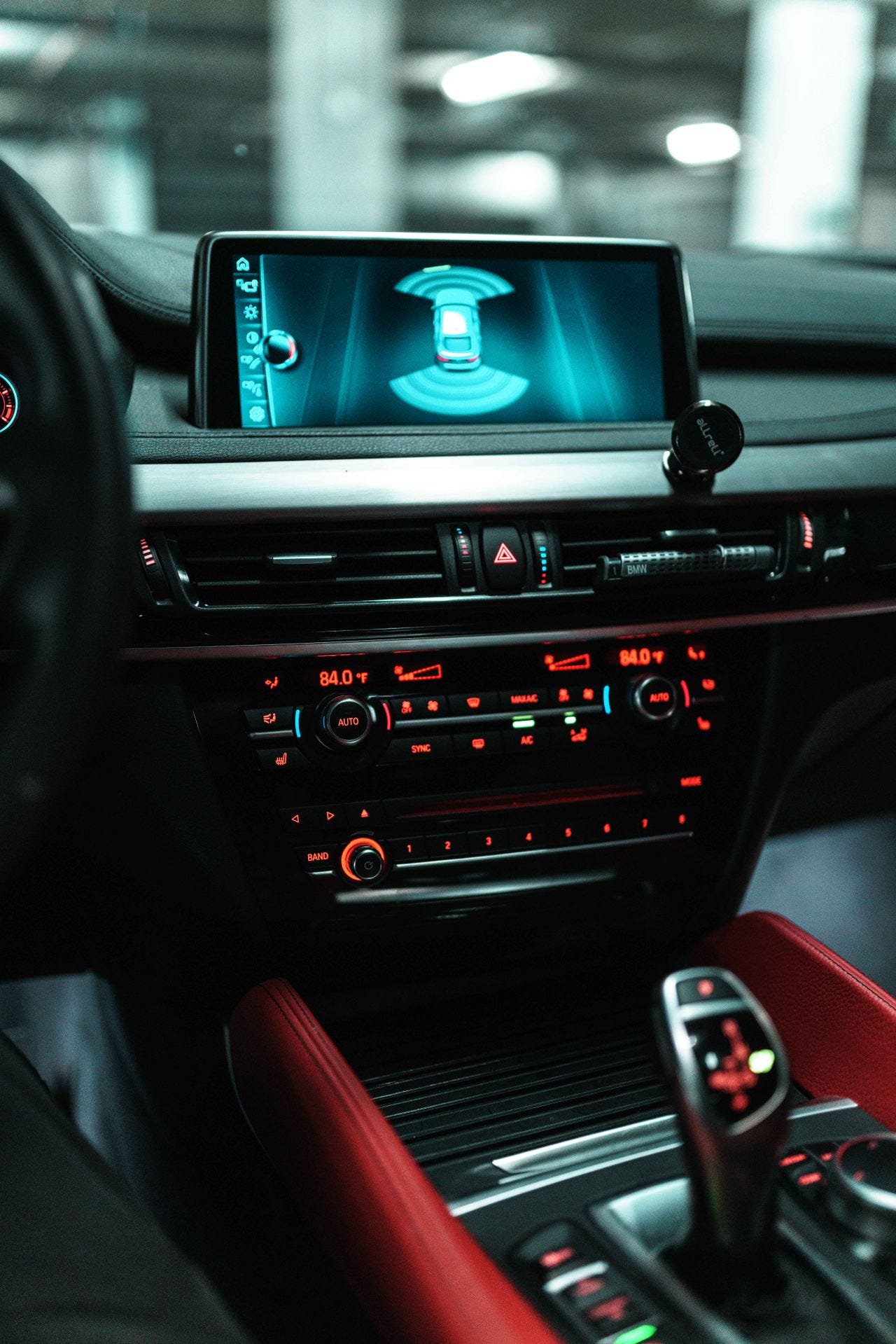
If you’ve driven a car built in the last decade, you’ve probably noticed it’s a lot smarter than the vehicles of the past. From warning you about low tire pressure to helping you stay in your lane, today’s cars are packed with technology designed to make driving safer, more efficient, and more comfortable.
At the heart of all this technology are sensors. Modern vehicles contain dozens — sometimes even hundreds — of sensors working together every second. They monitor everything from engine performance to the distance between your car and the one ahead.
So, why do modern cars have so many sensors? Let’s take a closer look.
What Are Car Sensors?
A car sensor is a small electronic device that collects information about different parts of the vehicle or its surroundings. It sends this data to the vehicle’s computer, also known as the Engine Control Unit (ECU), which makes decisions based on the information received.
Think of sensors as the eyes and ears of your vehicle. Without them, your car wouldn’t know when to adjust fuel delivery, activate airbags, or alert you to potential problems.
Improving Driver Safety
Safety is the biggest reason manufacturers continue adding more sensors to vehicles.
Modern safety systems depend entirely on sensor technology. These include:
- Automatic Emergency Braking
- Blind Spot Monitoring
- Lane Departure Warning
- Adaptive Cruise Control
- Rear Cross Traffic Alert
- Parking Assistance
- Collision Avoidance Systems
For example, radar and camera sensors constantly monitor traffic ahead. If they detect a possible collision and the driver doesn’t react in time, the car can automatically apply the brakes.
These features significantly reduce accidents and make driving less stressful.
Better Engine Performance
Engine sensors help the vehicle run efficiently by constantly monitoring important components. Common engine sensors include:
- Oxygen Sensor
- Mass Air Flow (MAF) Sensor
- Throttle Position Sensor
- Crankshaft Position Sensor
- Camshaft Position Sensor
- Coolant Temperature Sensor
Together, these sensors help the engine burn fuel efficiently, reduce emissions, improve fuel economy, and deliver smoother performance. Without these sensors, modern engines wouldn’t meet today’s strict environmental standards.
Lower Fuel Consumption
Nobody enjoys spending more money on fuel than necessary. Sensors help improve fuel efficiency by monitoring:
- Air intake
- Fuel mixture
- Engine temperature
- Exhaust gases
- Driving conditions
The vehicle’s computer adjusts fuel injection in real time based on sensor readings, ensuring the engine uses only as much fuel as needed.
Even small improvements in efficiency can save drivers hundreds of dollars each year.
Reducing Harmful Emissions
Environmental regulations have become much stricter over the years. Sensors play an essential role in reducing pollution by monitoring exhaust gases and ensuring the catalytic converter operates efficiently.
If emissions rise beyond acceptable levels, sensors trigger the familiar “Check Engine” light, alerting drivers before the issue becomes more serious.
This helps protect both the environment and your vehicle.
Making Driving More Comfortable
Not every sensor is about safety. Many simply improve the driving experience. Examples include:
- Rain sensors that activate windshield wipers automatically
- Light sensors that switch headlights on and off
- Cabin temperature sensors for automatic climate control
- Seat occupancy sensors
- Keyless entry sensors
- Automatic high-beam sensors
These small conveniences make everyday driving easier without requiring constant driver input.
Supporting Advanced Driver Assistance Systems (ADAS)
Modern vehicles increasingly rely on Advanced Driver Assistance Systems, commonly known as ADAS.
These systems combine information from:
- Cameras
- Radar
- Ultrasonic sensors
- LiDAR (on some vehicles)
- GPS
Together, they create a detailed picture of the road around the vehicle.
This allows features such as:
- Traffic sign recognition
- Lane centering
- Automatic parking
- Driver fatigue monitoring
- Semi-autonomous driving
Without multiple sensors working together, these technologies simply wouldn’t be possible.
Predicting Problems Before They Happen
One major advantage of modern sensors is early problem detection. Instead of waiting until something breaks completely, sensors often detect small issues first. Examples include:
- Low tire pressure
- Battery charging problems
- Engine overheating
- Low oil pressure
- Transmission issues
Early warnings allow drivers to repair problems before they become expensive breakdowns.
In many cases, a simple sensor alert can prevent major engine damage.
Helping Mechanics Diagnose Repairs Faster
Years ago, mechanics often had to spend hours identifying vehicle problems.
Today’s sensors make diagnostics much quicker.
When a sensor detects an abnormal reading, it stores a Diagnostic Trouble Code (DTC). Mechanics can connect a scan tool to retrieve these codes, making it easier to pinpoint the source of the issue.
This saves both time and repair costs.
Sensors Continue to Increase
Older vehicles from the 1980s might have had fewer than 20 sensors.
Today’s vehicles can contain anywhere from 70 to over 150 sensors, depending on the make, model, and technology package.
Electric vehicles typically include even more sensors because they must monitor:
- Battery temperature
- Charging systems
- Electric motors
- Voltage levels
- Battery health
- Cooling systems
As autonomous driving technology advances, this number will continue to grow.
Are More Sensors a Good Thing?
For the most part, yes. Benefits include:
- Improved safety
- Better fuel economy
- Lower emissions
- Greater comfort
- Faster diagnostics
- Better vehicle performance
However, there is one downside. More sensors mean more electronic components that can eventually fail. Fortunately, most sensors are relatively inexpensive compared to major engine or transmission repairs.
When Sensor Problems Become Too Expensive
As vehicles age, sensor failures can become more frequent. Replacing multiple sensors, repairing wiring issues, or fixing electronic control modules can quickly add up — especially on older cars with high mileage.
At some point, spending thousands of dollars on electronic repairs may no longer make financial sense. That’s when many owners choose to sell their aging vehicle to a scrap car buyer instead of continuing to invest in costly repairs. Recycling an older vehicle allows you to recover some value while avoiding ongoing maintenance expenses.
Tips for Keeping Your Car’s Sensors Working Properly
You can help extend the life of your vehicle’s sensors by following a few simple maintenance habits:
- Keep up with regular servicing.
- Replace air filters and fluids on schedule.
- Fix dashboard warning lights promptly.
- Avoid pressure-washing sensitive engine electronics.
- Use quality replacement parts when repairs are needed.
- Keep your battery in good condition, as low voltage can affect electronic systems.
A little preventive maintenance goes a long way in keeping your vehicle’s electronics functioning reliably.
Final Thoughts
Modern cars have so many sensors because they make vehicles safer, cleaner, smarter, and more efficient. From monitoring engine performance to preventing accidents, these tiny electronic components quietly work behind the scenes every time you drive.
While the growing number of sensors has made vehicles more complex, the benefits far outweigh the drawbacks for most drivers. By understanding how these systems work and maintaining your vehicle properly, you can enjoy better performance, improved safety, and fewer unexpected repairs.
And if your older vehicle reaches the point where constant sensor failures and repair bills outweigh its value, selling it to a trusted scrap car service can be a practical and cost-effective solution.
메타데이터
- post_id
- 0d9bc74b63c1
- slug
- why-modern-cars-have-so-many-sensors-0d9bc74b63c1
- url
- https://medium.com/@scrapcarbuyermississauga/why-modern-cars-have-so-many-sensors-0d9bc74b63c1
- canonical_url
- https://medium.com/@scrapcarbuyermississauga/why-modern-cars-have-so-many-sensors-0d9bc74b63c1
- author_url
- https://medium.com/@scrapcarbuyermississauga
- status
- ok
- fetched_at
- 2026-08-08 10:35:53