To live well is to unlearn the need to be extraordinary.
Montaigne’s Final Wisdom on Aging and “Small” Lives
To live well is to unlearn the need to be extraordinary.
Montaigne’s Final Wisdom on Aging and “Small” Lives
“There is no knowledge so hard to acquire as the knowledge of how to live this life well and naturally.” — Michel de Montaigne

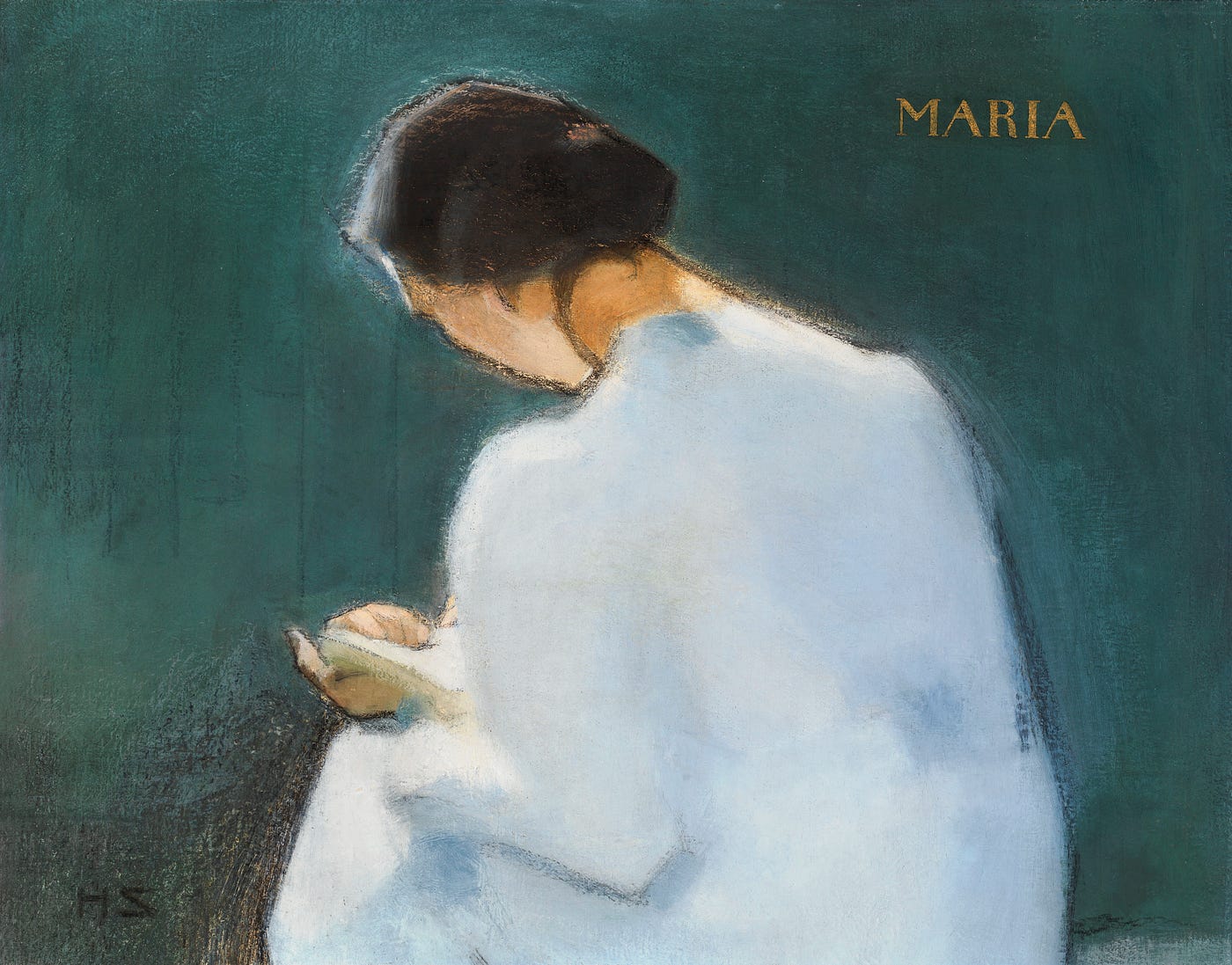
Aging brings questions we can’t ignore — but maybe also the wisdom to sit with them. Photo by AI Grok
For many of us, retirement and old age can feel like a “shrinking.” The body that was once a reliable vessel begins to send bills in the form of chronic aches, and the social roles that once defined our worth gradually recede.
And so, we begin to ask ourselves: Am I still useful? Am I destined to become a burden?
If you are also beginning to wonder about these things, perhaps Montaigne’s essays can help you.
In his final and most intimate essay, Of Experience, Montaigne proposes a quiet but radical shift in perspective.
He writes not as a naïve young thinker, but as a man intimately acquainted with pain, worn down by kidney stones and the fatigue of a long public life. And yet still deeply engaged with what it means to live well.
Who was Michel de Montaigne?
Michel de Montaigne (1533–1592) was a French nobleman and former mayor who chose to retire to his tower library to “try” (essayer) to understand himself.
He created the “Essay” to record his contradictions, his sicknesses, and his fears.
We live in an era that is obsessed with productivity. And Montaigne is a necessary antidote. He teaches us to be honest about our fragility rather than hiding it behind a mask of perfection.
Here is the essence of his wisdom for those of us navigating the autumn of life.
1. Dismounting the “Stilts” of Status
Montaigne observed that humans often try to appear taller than their nature by using artificial aids — whether through titles, wealth, or false dignity.
“No use mounting on stilts, for on stilts we must still walk on our own legs.”
In old age, these stilts are often taken away from us. Montaigne reminds us that losing status is not a tragedy. Even a king sits upon his own rump. Embracing the “common human pattern” without the props of a career is not a failure; it is a return to the authentic self.
2. Fighting the Malady of “Self-Loathing”
The greatest anxiety of aging is often not physical pain, but a growing resentment toward the weakening body.
Montaigne calls this “the most barbarous of our maladies.”
- Accept your limitations: Do not punish yourself for no longer being able to run.
- Befriend your body: The aging body is not an enemy; it is your home. Love it with all its “cracks,” for hating our existence only doubles the burden of our soul.
3. Greatness in Moderate Things
We often think a meaningful life must be a series of grand achievements. Montaigne flips this logic. To him, the greatness of soul is shown when a person knows how to set themselves in order and find joy in the “adequate.”
- Enough is Great: Appreciating what is “sufficient” is a far harder intellectual task than constantly chasing “more.”
- No Miracles Required: You don’t need to be a hero or a saint to have a beautiful life. A life lived with order and honesty is already a masterpiece.
4. The Art of “Presence”
In Of Experience, Montaigne emphasizes the power of attentiveness.
“When I walk alone in a beautiful orchard… I bring my thoughts back to the walk, to the orchard, to the sweetness of this solitude.”
If your mind drifts to regrets of the past or the fear of being a burden in the future, pull it back to the present.
To savor a cup of coffee, to feel the warmth of the sun, or to listen to a bird — this is your primary “work” now.
5. Dependence is Human
The fear of becoming a burden stems from a refusal to accept the human condition: we are all fragile.
Montaigne celebrates “being” over “doing.” Knowing how to receive help with gratitude and grace is a form of moral perfection that he considers almost divine.
Conclusion
For Montaigne, the “good life” is not about reclaiming productivity. It is about total acceptance.
He famously wrote: “It is an absolute perfection and virtually divine to know how to enjoy our being rightfully.”
Stop trying to be an angel or a hero. It is enough — it is more than enough — to be a human who knows how to be grateful for their breath today.
Enjoyed this reflection? Join my writing for more deep dives into the wisdom of the greats.
Let’s grow wise together.
메타데이터
- post_id
- 0dc008befd4a
- slug
- to-live-well-is-to-unlearn-the-need-to-be-extraordinary-0dc008befd4a
- url
- https://medium.com/the-pub/to-live-well-is-to-unlearn-the-need-to-be-extraordinary-0dc008befd4a
- canonical_url
- https://medium.com/the-pub/to-live-well-is-to-unlearn-the-need-to-be-extraordinary-0dc008befd4a
- author_url
- https://medium.com/@stepanuskapoda
- status
- ok
- fetched_at
- 2026-08-20 00:57:54