Democracy Needs LGBTQI+ Movements
The withdrawal of US funding for LGBTQI+ rights is putting civic organizations around the world in peril. If we want to restore pride in…
Democracy Needs LGBTQI+ Movements

Photo credit: USAID
The withdrawal of US funding for LGBTQI+ rights is putting civic organizations around the world in peril. If we want to restore pride in ourselves and in America, we all need to step up for them.
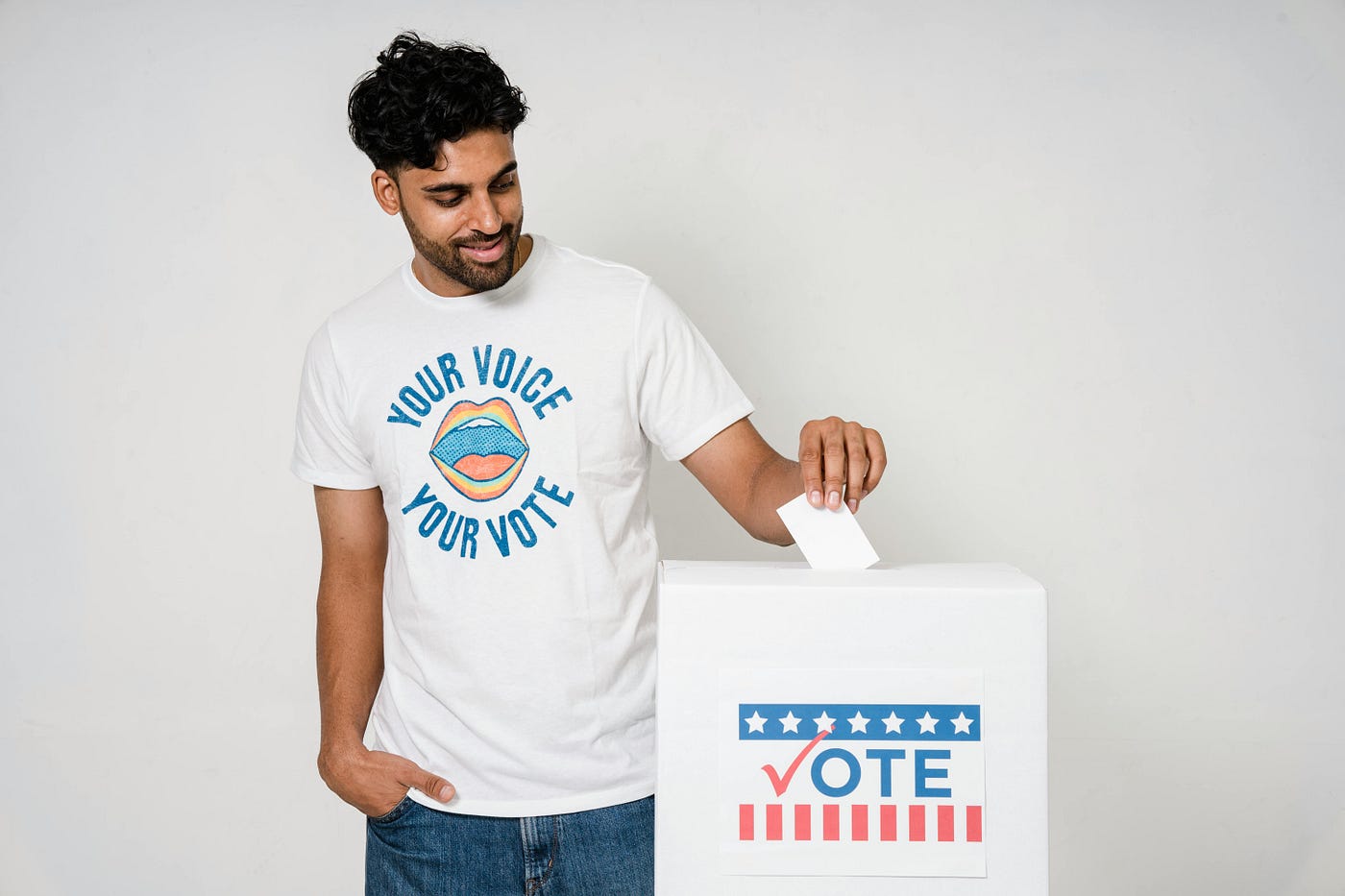
As we move toward the end of Pride Month this year, I celebrate a movement that has changed many people’s lives, even if we don’t realize it. Here’s why we need to keep supporting LGBTQI+ rights movements at home and around the world, and it’s not what you think. Yes, I care about protecting the rights of LGBTQ+ people. But I also care about my own rights and my ability to continue to exercise my voice and my vote. And I’ve seen how the LGBTQI+ community time and time again stand up not only for themselves but for all of us.
Until January, I had the honor to serve as a Deputy Assistant Administrator at USAID. This was a big position in a big agency, covering lots of important portfolios. I’m proud that over the past four years, with Congressional support, we steadily increased our investments in LGBTQI+ inclusion. This increase in investment wasn’t just for its own sake. It’s because we demonstrated the ripple effect that investing in a country’s most marginalized people could have on economic growth, on a society’s health and welfare, on educational outcomes. Everyone does better when we lift up LGBTQI+ and other marginalized groups.
It’s no accident that the small amount of funding for LGBTQI+ inclusion — less than 0.01 percent of all US foreign assistance — has been publicly and shamefully attacked by Trump and his proxies. USAID was the very first agency targeted by the Trump Administration and its unauthorized hit squad, the so-called Department of Government Efficiency (DOGE). They pulled out lie after lie about the extent and nature of our LGBTQI+ funding around the world, because there was no legitimate case to suspend this lifesaving aid. They served up for their base continuous immature references to genitalia and condoms while people began to die. The lack of access to HIV medication alone has already resulted in 70,000 deaths. People die when their deaths could still be prevented by access to medicine or food, while food rots and medicines are thrown away.

April 2025 Die-In at US Department of State organized by Human Rights Campaign, Health Gap and Housing Works. Photo credit: Advocate.com
And the people to speak up first to challenge this terrible mass atrocity in the making were leaders in the LGBTQ+ community. I spoke with many of our implementing partners in the first few weeks after aid was suspended, when they hoped for waivers, or hoped they could somehow make the case to DOGE and the White House that the work they did should be quickly resumed. Surely Congress will intervene and restore our funding, some told me — we aren’t working on the issues they are targeting. But our partners working with LGBTQI+ populations knew they were just the pretext, not the endgame. The funding wasn’t coming back — not in the face of vicious attacks on USAID from the entire right-wing ecosystem. So they did what had to be done: they called out the illegal and unconstitutional nature of the aid suspension, and on February 10, they sued.
US partners at the AIDS Vaccine Advocacy Coalition brought the case even as they received horrific reports of new attacks on LGBTQI+ communities in other countries. But this case comes at a cost; as ILGA World notes in its annual update, even the ability to track these attacks is jeopardized by the lack of funds. AVAC and others lack the deep pockets to support protracted litigation. And where funds are available, there are urgent unfilled needs to provide emergency support to organizations under immediate threat. But without legal action, the immediate threats will only get worse. That’s why support for litigation and advocacy, continued data collection, and urgent needs of frontline organizations must be a package, not a set of tradeoffs.
And these investments will have broader impact. In May, I joined a strategy session with friends at Council for Global Equality (CGE). Since Trump took office, CGE and its more than 40 member organizations have been mobilizing to mitigate the devastating impacts of the illegal withholding of Congressionally appropriated funds, including programs through USAID and the State Department that were aimed at advancing the fundamental human rights and dignity of all marginalized persons around the world. They engaged other human rights allies to advocate for saving the entire foreign assistance account, and not just their tiny fraction of it. They called out the destruction of the State Department’s Human Rights Reports, not just the LGBTQI+ section, and spoke out about the loss of overall democracy protection in the State Department’s reorganization.
When we lose organizations at the frontlines of democracy, researchers find rising authoritarianism and religiously motivated political movements mixing into a “toxic blend” that starts by targeting trans, intersex and gay people. We can fight this trend. We know that investing in LGBTQI+ people helps us advance overall education, health, and economic growth outcomes. But even more critically, we invest for the sake of all human rights and our ability to maintain functioning democracies. Among other initiatives, Global Philanthropy Project has announced a Fund our Futures campaign as an entry point for ways to support this important fight.
If Americans want to feel pride and not shame in ourselves and our country, we need to show up with our LGBTQI+ communities here and around the world now more than ever. That means providing the emergency support needed to enable frontline organizations to continue to do their work. It means supporting the fierce advocates that have brought the fight to Congress and the courts to object to the unconstitutional suspension of aid. Restoring America’s commitment to responsible and ethical global leadership starts with these groups.
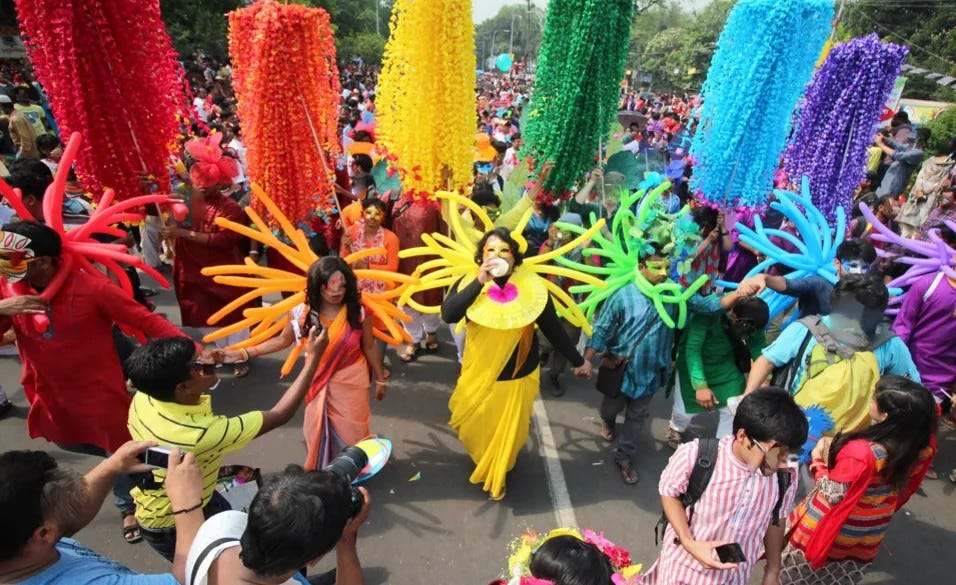
Photo Credit: USAID Bangladesh
Our cherished colleague Xulhaz Mannan, a program lead at USAID Bangladesh and LGBTQI+ activist, was murdered five years ago by political reactionaries. But human rights advocates there continued the fight for justice and accountability. Had he lived, he would be witnessing Bangladesh’s historic political opening, with democratic elections planned in 2026. The tragedy of his death is incredibly relevant to the US today, as we face rising political violence and atrocities within the US perpetrated by our government; actions that are not too far distant from the excesses of longtime Bangladeshi leaders. Let’s learn, and let’s be on the frontlines with those who are always leading the fight.
메타데이터
- post_id
- 0e062e9c8d72
- slug
- restoring-pride-in-america-the-lgbtqi-communitys-role-in-global-leadership-0e062e9c8d72
- url
- https://medium.com/@bamaathreya/restoring-pride-in-america-the-lgbtqi-communitys-role-in-global-leadership-0e062e9c8d72
- canonical_url
- https://medium.com/@bamaathreya/restoring-pride-in-america-the-lgbtqi-communitys-role-in-global-leadership-0e062e9c8d72
- author_url
- https://medium.com/@bamaathreya
- status
- ok
- fetched_at
- 2026-07-19 06:17:39