How to Evaluate a Microbrand Dive Watch Without Falling Into the QC Lottery
Why bracelet and clasp quality matter more than many buyers expect
How to Evaluate a Microbrand Dive Watch Without Falling Into the QC Lottery
Why bracelet and clasp quality matter more than many buyers expect
When people compare dive watches, they usually start with the obvious specifications. Water resistance, crystal material, movement type, case size, and lume all tend to dominate the conversation. Those are reasonable things to examine, especially in a category where durability and functional credibility matter.
But for many buyers, trust is not won or lost on the spec sheet alone.
It is often decided much faster, and much more quietly, by the parts of the watch they interact with most directly. The bracelet. The clasp. The way the watch closes on the wrist. The way it feels after several hours of wear. The way the hardware supports, or undermines, the identity the watch is trying to project.
This is where a great deal of microbrand hesitation begins.
A buyer may admire the design, appreciate the published specifications, and still feel uncertain. That uncertainty often has less to do with movement architecture or water resistance and more to do with a practical fear: what if the weak point only becomes obvious after the watch arrives? What if the bracelet feels lighter than expected? What if the clasp feels vague, thin, or insecure? What if the watch looks convincing in photos but less convincing in hand?
That is the real beginning of what many buyers call the “QC lottery.”
What “QC anxiety” really means in watch buying
The phrase sounds technical, but the feeling behind it is deeply human.
When buyers talk about quality-control anxiety, they are rarely speaking only about manufacturing tolerances or finishing standards in an abstract sense. More often, they are describing the discomfort of not knowing whether the watch will feel as solid as it appears. They are describing the fear of spending money on a product that promises ruggedness, yet quietly disappoints where it matters most.
That concern is especially common in microbrand buying because the attraction of microbrands is often tied to value. Buyers are drawn to the idea of receiving stronger specifications for the price. Better crystal. Better water resistance. More distinctive design. More watch for the money.
But value alone does not guarantee confidence.
A watch can be impressive on paper and still feel uncertain in daily use. If that happens, the emotional experience changes quickly. Excitement gives way to inspection. Ownership becomes more cautious. Instead of enjoying the watch, the buyer starts evaluating it, doubting it, and wondering where the compromise has been hidden.
That is why bracelet and clasp quality matter so much. They are not small finishing details. They are trust signals.
How to judge a microbrand dive watch beyond the spec sheet
A better buying process is often simpler than people expect. Instead of trying to compare every specification equally, it helps to focus on the details that shape real ownership.
1. Assess the bracelet as part of the watch’s identity
The bracelet should feel consistent with the character of the watch.
If the watch is positioned as rugged, overbuilt, or tool-oriented, the bracelet cannot feel flimsy, overly light, or forgettable. It does not need to be exaggerated, but it does need to support the broader idea the watch is presenting. A strong bracelet contributes to coherence. A weak one introduces doubt.
This is one reason bracelet quality matters more in dive watches than in many other categories. A diver is not simply a watch with a rotating bezel and a high water-resistance rating. It is, at least in principle, a watch associated with readiness, practicality, and confidence under pressure. The bracelet plays a role in communicating that seriousness.
When it feels insubstantial, the whole story becomes harder to believe.
2. Test clasp security as a daily trust signal
The clasp deserves more attention than buyers often give it.
This is one of the most repeated touchpoints on any bracelet watch. You open it, close it, adjust to it, rely on it, and subconsciously judge it every time you wear the watch. A clasp that feels precise and secure reinforces confidence. A clasp that feels vague or weak does the opposite.
That difference has an outsized effect on the ownership experience. Even if the dial is attractive and the case finishing is solid, a weak-feeling clasp can make the entire watch feel less complete. It can shift perception from “well built” to “nearly convincing.”
In a rugged watch, that is a serious problem. The clasp should not feel like an afterthought. It should feel like part of the reason the watch deserves trust.
3. Prioritize how the watch feels in repeated wear
It is one thing for a watch to impress during a first impression. It is another for it to remain convincing over time.
A buyer should not ask only, “Does this sound like a good watch?” The more useful question is, “Will this still feel right after repeated wear?”
That is where bracelet fit, clasp confidence, and overall hardware quality become more important than many headline specifications. These are the features that continue affecting the owner long after the unboxing moment is over. They shape whether the watch feels dependable, burdensome, refined, or compromised.
The goal is not simply to own a watch with strong specifications. The goal is to own one that feels settled and believable in daily life.

Why this matters especially in rugged and blue-collar watch buying
Buyers in rugged or blue-collar segments often approach watches differently from purely style-driven consumers. They may appreciate aesthetics, but they are usually not shopping for visual impact alone. They want a watch that appears durable because it is durable. They want solidity they can feel, not just admire.
That is why hardware quality becomes such a decisive issue.
A watch meant for hard use cannot afford to feel delicate where the owner interacts with it most. If the bracelet and clasp do not inspire trust, the watch’s broader claims become less persuasive. Water resistance becomes less reassuring. Tool-watch styling feels more theatrical. The product begins to seem like an imitation of ruggedness rather than an expression of it.
For this audience, the emotional threshold is different. They are not only trying to avoid visible flaws. They are trying to avoid disappointment under use.
A practical example of this buying logic
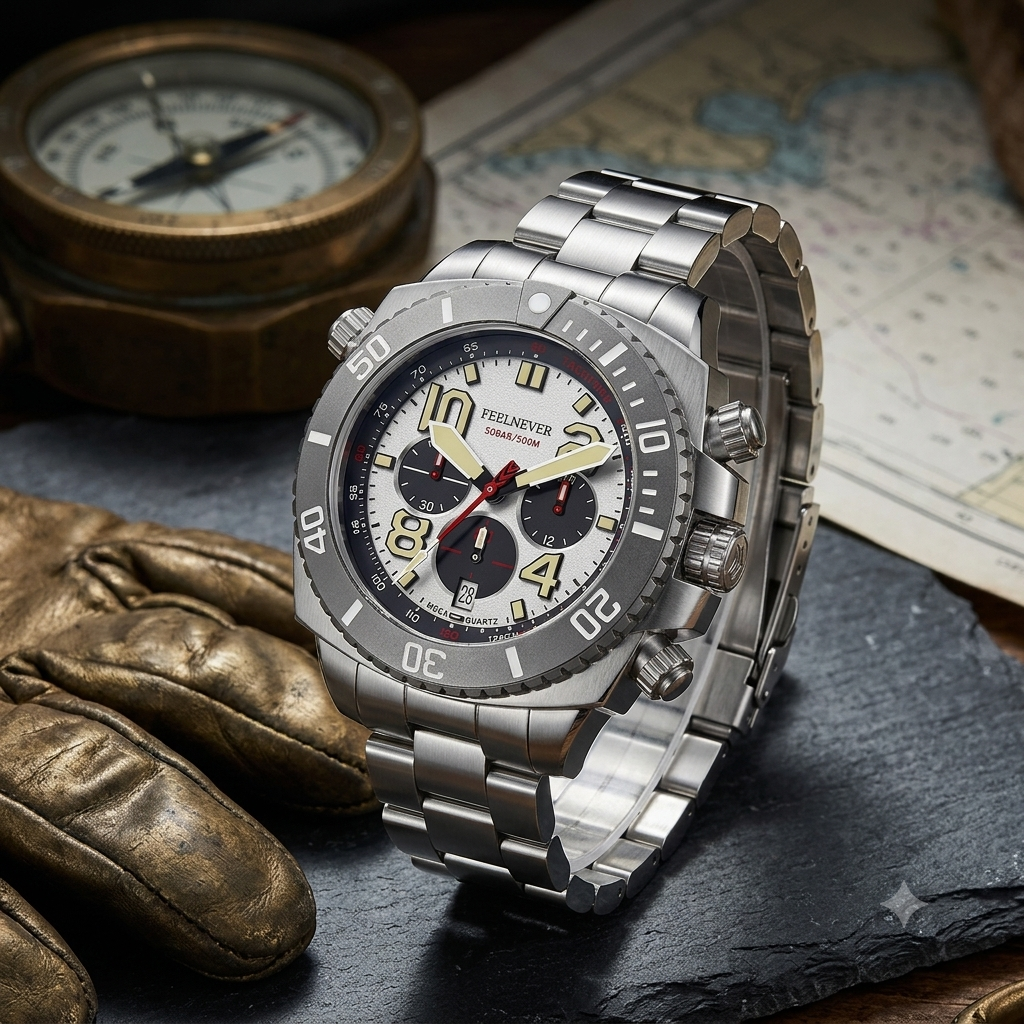
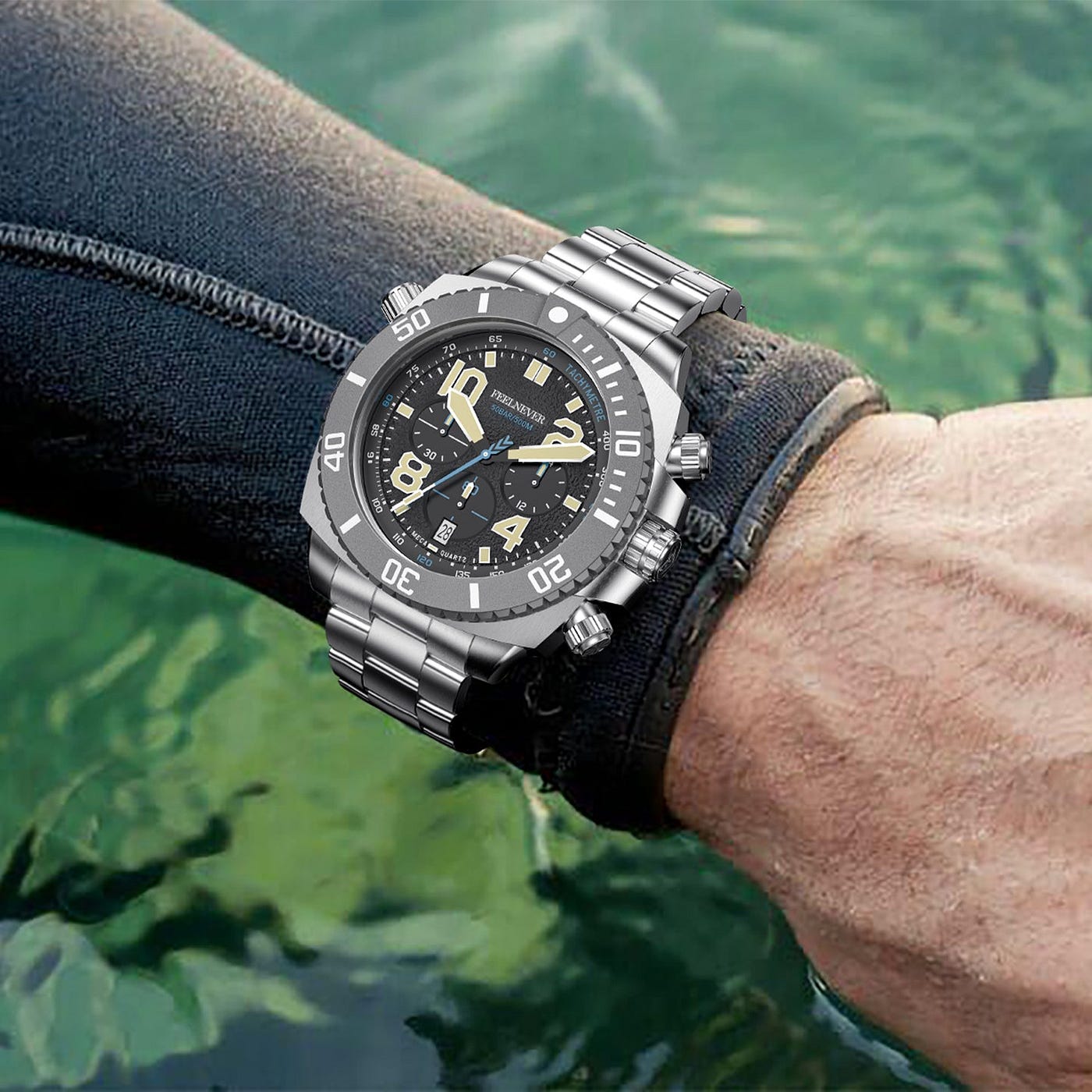
This is why a watch like AbyssForce fits the discussion well.
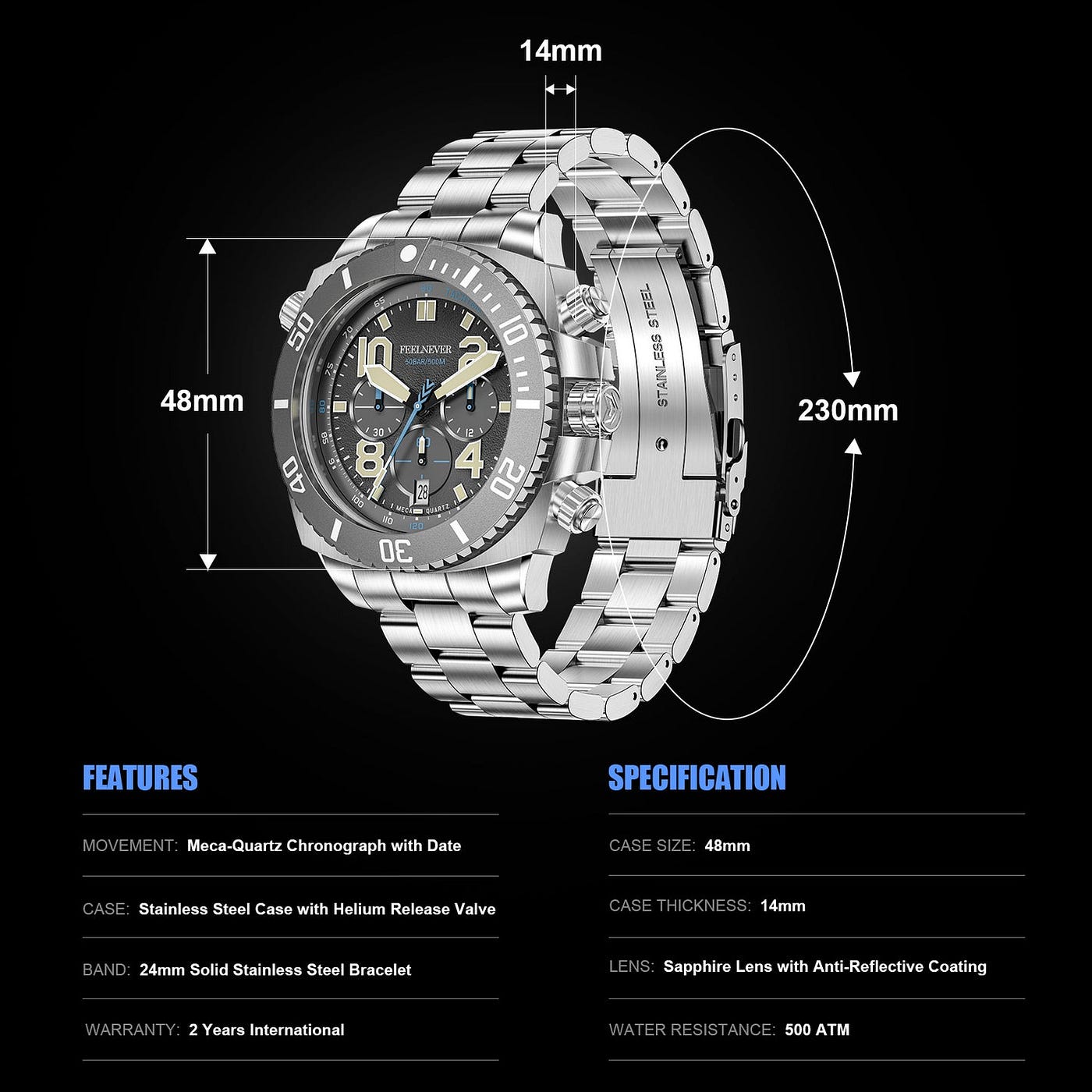
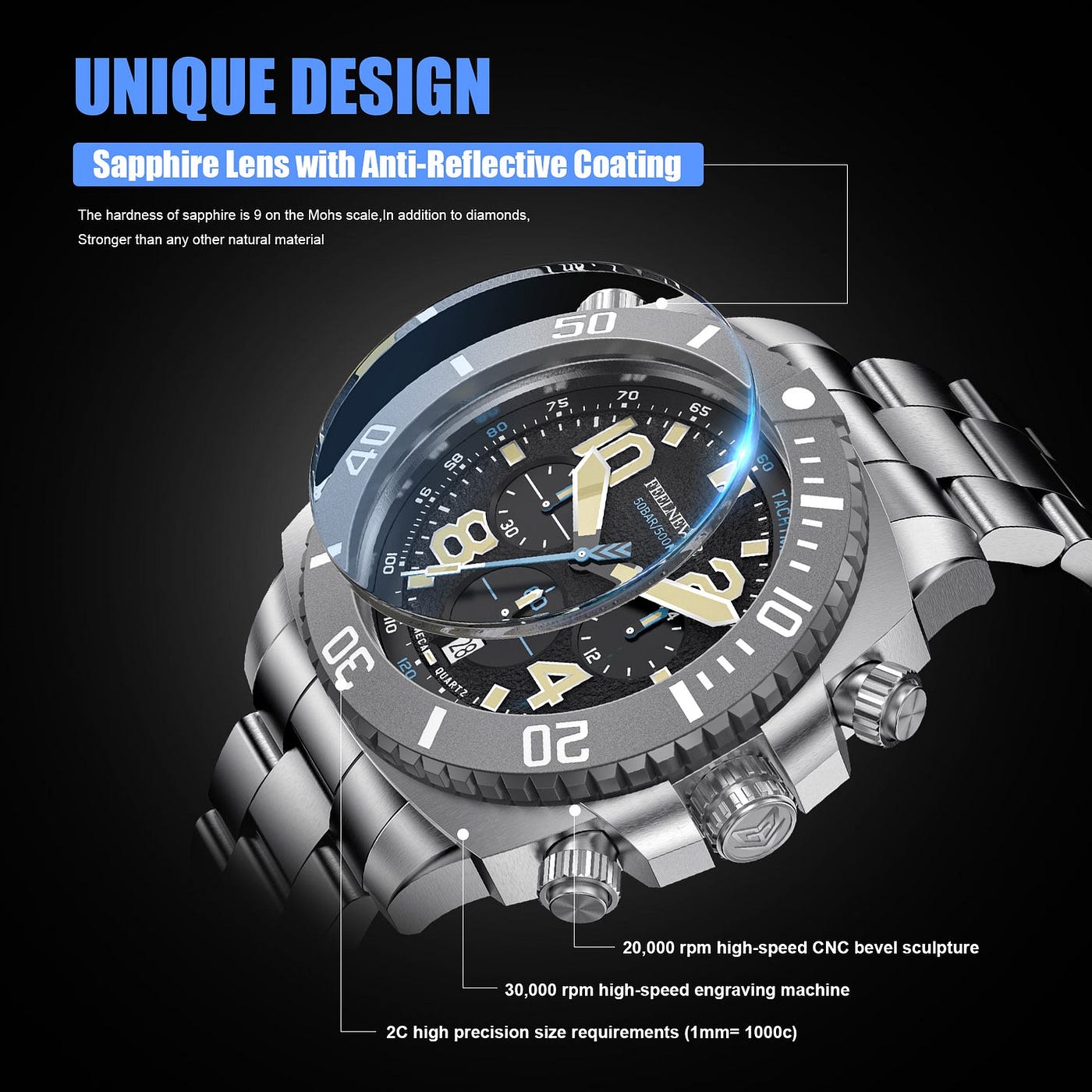
Its positioning leans toward durability rather than refinement for its own sake. The overall impression is that of a heavy-duty diver intended for people who want stronger physical presence and more obvious toughness. In that kind of product story, bracelet and clasp quality are not secondary details. They are central to whether the watch feels credible.
The watch’s appeal is not only that it offers substantial specifications. It is that those specifications are meant to be supported by a more convincing physical experience on the wrist. A solid steel bracelet, a secure clasp system, and a more serious overall tool-watch feel all contribute to that perception.
That is what many buyers are looking for, even when they do not describe it explicitly.
They are looking for the point where the spec sheet and the physical object start agreeing with each other.
Why story structure works for this problem
This topic is especially suited to a before-turning-point-after framework because the buyer journey is emotionally clear.
Before: attraction mixed with hesitation
The buyer is interested. The specifications look strong. The watch seems promising. But uncertainty remains because the hardware could still let the whole experience down.
Turning point: a shift in what gets evaluated
Instead of comparing only movement, crystal, and water resistance, the buyer begins looking at what creates trust in actual wear: bracelet feel, clasp security, and perceived solidity.
After: confidence grounded in use, not hope
The decision becomes more stable because the watch is no longer winning only on numbers. It is winning on the parts that shape long-term ownership.
That is how QC-lottery fear gets reduced. Not by ignoring it, but by applying a better filter.
What happens when buyers ignore bracelet and clasp quality
When this area is overlooked, the outcome is often predictable.
Trust drops quickly once the watch is in hand. The watch feels less serious than expected. The buyer starts evaluating the product for weaknesses instead of enjoying it for strengths.
This is the hidden cost of chasing value too narrowly. A watch may still offer impressive specifications, but the owner does not experience those specifications as confidence. Instead, they experience them through a layer of doubt.
And once doubt enters ownership, the product has already lost some of its value.
Final thoughts on buying microbrand watches with more confidence
Microbrand value can be very real. In many cases, it offers buyers more thoughtful design and stronger specifications than they might expect at the price. But real value is not only about how much is listed on the page. It is also about how dependable the watch feels once the details start mattering.
That is why bracelet and clasp quality deserve more attention than they usually receive.
Check the bracelet feel. Test the clasp security. Choose what feels solid in daily life.
Those steps may sound simple, but they protect the buyer from one of the most frustrating outcomes in watch buying: owning something impressive on paper that never becomes fully convincing on the wrist.
If that filter is applied well, the so-called QC lottery becomes much easier to avoid.
메타데이터
- post_id
- 0e40b08a0b73
- slug
- how-to-evaluate-a-microbrand-dive-watch-without-falling-into-the-qc-lottery-0e40b08a0b73
- url
- https://medium.com/@futurewristtech123/how-to-evaluate-a-microbrand-dive-watch-without-falling-into-the-qc-lottery-0e40b08a0b73
- canonical_url
- https://medium.com/@futurewristtech123/how-to-evaluate-a-microbrand-dive-watch-without-falling-into-the-qc-lottery-0e40b08a0b73
- author_url
- https://medium.com/@futurewristtech123
- status
- ok
- fetched_at
- 2026-08-09 22:13:52