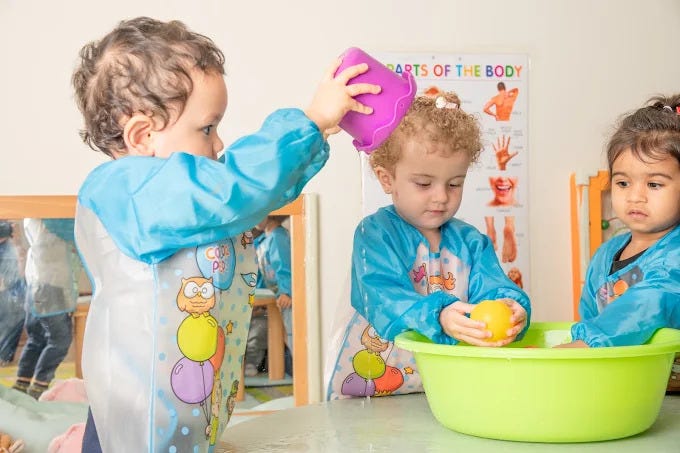
The Benefits of Choosing a Structured Early Learning Environment for Your Child
The early years of a child’s life lay the groundwork for future success. During this critical stage, children develop essential skills that…
The Benefits of Choosing a Structured Early Learning Environment for Your Child

The early years of a child’s life lay the groundwork for future success. During this critical stage, children develop essential skills that influence their ability to learn, communicate, and interact with the world around them. Parents seeking a supportive and engaging educational setting often explore a trusted nursery Dubai Marina to help their children build confidence, independence, and a love for learning from an early age. A well-designed learning environment provides opportunities for children to grow academically, socially, emotionally, and physically through meaningful experiences.
Why Early Childhood Education Matters
The experiences children have during their formative years significantly influence their future development. Early education provides a foundation that supports learning, creativity, and personal growth.
A structured learning environment introduces children to new concepts while encouraging curiosity and exploration. These experiences help create positive attitudes toward education and establish habits that contribute to long-term success.
Supporting Cognitive Development
Young minds are naturally curious and eager to learn. Educational activities designed for early learners stimulate brain development and encourage critical thinking.
Children develop important cognitive skills through problem-solving tasks, interactive games, and age-appropriate learning experiences that challenge them to think creatively.
Encouraging a Love of Discovery
When children are encouraged to explore and ask questions, they become active participants in their learning journey.
Hands-on experiences help children understand concepts more effectively and foster a lifelong appreciation for learning.
Creating Strong Social Foundations
Social development is a key component of early childhood education. Learning how to interact positively with others helps children build meaningful relationships and develop confidence in group settings.
Learning Cooperation and Sharing
Group activities teach children how to work together, share resources, and respect the needs of others.
These experiences promote teamwork and help children understand the value of collaboration in achieving common goals.
Building Communication Skills
Social interactions provide opportunities for children to express their thoughts and listen to others.
As children engage in conversations and group activities, they strengthen their ability to communicate clearly and confidently.
Developing Emotional Intelligence
Emotional well-being plays an important role in a child’s overall development. Educational environments that support emotional growth help children build resilience and self-awareness.
Understanding Emotions
Children experience a wide range of emotions as they grow. Learning to recognize and express these emotions appropriately is an important life skill.
Educators help children understand their feelings and develop healthy ways to respond to different situations.
Building Self-Confidence
Positive encouragement and successful learning experiences help children develop confidence in their abilities.
Children who feel capable and supported are more likely to take on new challenges and embrace learning opportunities.
The Importance of Play-Based Learning
Play is one of the most effective methods of learning during early childhood. Through play, children develop essential skills while having fun and exploring their interests.
Enhancing Creativity
Creative activities such as drawing, painting, music, and storytelling encourage self-expression and imaginative thinking.
These experiences help children develop innovative approaches to problem-solving and communication.
Strengthening Problem-Solving Abilities
Many forms of play require children to think critically and make decisions.
Whether constructing buildings with blocks or participating in role-playing activities, children learn valuable problem-solving strategies through experience.
Building Independence Through Daily Activities
Independence is an important skill that develops gradually during childhood. Educational settings provide opportunities for children to take responsibility and make decisions.
Encouraging Responsibility
Simple tasks such as tidying up, organizing materials, and following routines help children understand accountability.
These experiences foster a sense of accomplishment and self-reliance.
Developing Decision-Making Skills
Allowing children to make age-appropriate choices encourages confidence and independent thinking.
Decision-making experiences help children learn from outcomes and develop sound judgment.
Supporting Physical Growth and Development
Physical activity contributes significantly to a child’s overall health and well-being. Active learning environments provide opportunities for movement and skill development.
Improving Motor Skills
Activities involving running, jumping, climbing, and balancing help children strengthen both fine and gross motor skills.
Improved coordination supports participation in a wide range of educational and recreational activities.
Promoting Healthy Habits
Regular physical activity encourages healthy lifestyles and supports emotional well-being.
Children who engage in active play often demonstrate improved focus and greater enthusiasm for learning.
Preparing Children for Future Learning
Early education helps children develop skills that contribute to academic readiness and long-term success.
Developing Early Literacy Skills
Reading activities, storytelling sessions, and language-rich environments help children build vocabulary and communication skills.
Early literacy experiences create a strong foundation for future reading and writing development.
Introducing Basic Mathematical Concepts
Children can explore numbers, shapes, patterns, and measurements through interactive activities and games.
These experiences help build confidence in mathematical thinking and problem-solving.
The Value of Consistent Routines
Children benefit from predictable schedules and structured environments that provide a sense of stability.
Creating a Sense of Security
Consistent routines help children understand expectations and feel comfortable in their surroundings.
A secure environment encourages participation and supports positive behavior.
Improving Focus and Discipline
Following daily routines teaches children responsibility, time management, and self-discipline.
These skills become increasingly important as children progress through their educational journey.
The Role of Educators in Child Development
Qualified educators play a crucial role in supporting children’s growth and learning.
Providing Individualized Support
Every child develops at their own pace. Skilled educators recognize individual strengths and provide guidance tailored to each child’s needs.
This personalized approach helps children reach their full potential.
Creating Engaging Learning Experiences
Educators design activities that encourage participation, curiosity, and exploration.
Engaging experiences help children remain motivated and excited about learning.
Final Thought
Choosing the right early learning environment can have a lasting impact on a child’s development. A quality educational setting supports cognitive growth, social skills, emotional well-being, creativity, and physical development while preparing children for future academic success. By providing a safe and nurturing atmosphere, early education helps children develop confidence, independence, and a genuine enthusiasm for learning. Parents seeking trusted educational options often include a reputable nursery JLT among their considerations when selecting the best environment for their child’s growth and development.
메타데이터
- post_id
- 0e8a30dfa77b
- slug
- the-benefits-of-choosing-a-structured-early-learning-environment-for-your-child-0e8a30dfa77b
- url
- https://medium.com/@babyhomenurseryuae/the-benefits-of-choosing-a-structured-early-learning-environment-for-your-child-0e8a30dfa77b
- canonical_url
- https://medium.com/@babyhomenurseryuae/the-benefits-of-choosing-a-structured-early-learning-environment-for-your-child-0e8a30dfa77b
- author_url
- https://medium.com/@babyhomenurseryuae
- status
- ok
- fetched_at
- 2026-08-28 10:11:41