What Is Body Dysmorphia? Symptoms, Types, Causes, and Treatments
Body Dysmorphic Disorder (BDD) is far more than insecurity — it is a DSM-5 mental disorder of perception, intrusive thoughts, and…
What Is Body Dysmorphia? Symptoms, Types, Causes, and Treatments
Body Dysmorphic Disorder (BDD) is far more than insecurity — it is a DSM-5 mental disorder of perception, intrusive thoughts, and compulsive behaviors. Learn the symptoms, types, causes, and evidence-based treatments (CBT, ERP, SSRIs), plus how to support someone living with it.
A teenager spends nearly two hours getting ready for school but still feels unable to leave the house. An adult avoids photographs, mirrors, and social events because of a feature that others barely notice — or cannot see at all. These experiences may sound like insecurity, but they can reflect something far more serious: Body Dysmorphic Disorder (BDD).
BDD is a clinically recognized mental disorder defined in the DSM-5. It affects approximately 1–2.4% of the population, impacts men and women at similar rates, and most commonly begins during adolescence. Far from vanity, it is a disorder of perception, intrusive thoughts, and compulsive behaviors that can profoundly affect mental health, relationships, education, and daily functioning.
This article explains what BDD is, how it develops, the symptoms clinicians look for, common subtypes, diagnosis, treatment options, and how to support someone experiencing it.
What Is Body Dysmorphia? Definition, Meaning, and Core Concept
Body Dysmorphic Disorder (BDD) is a mental disorder characterized by a persistent preoccupation with one or more perceived physical flaws that are either not observable to others or appear minor when viewed objectively.
The defining feature is not the appearance concern itself but the intensity of the distress it creates.
Most people occasionally notice imperfections in their appearance. Individuals with BDD, however, experience intrusive thoughts that repeatedly draw attention back to a perceived flaw, often for hours each day. Attempts to dismiss the concern rarely work. Reassurance from friends, family members, or professionals may provide temporary relief, but the distress typically returns.
According to the DSM-5, BDD belongs to the category of Obsessive-Compulsive and Related Disorders. It shares important features with Obsessive-Compulsive Disorder (OCD), particularly the combination of obsessions and compulsive behaviors.
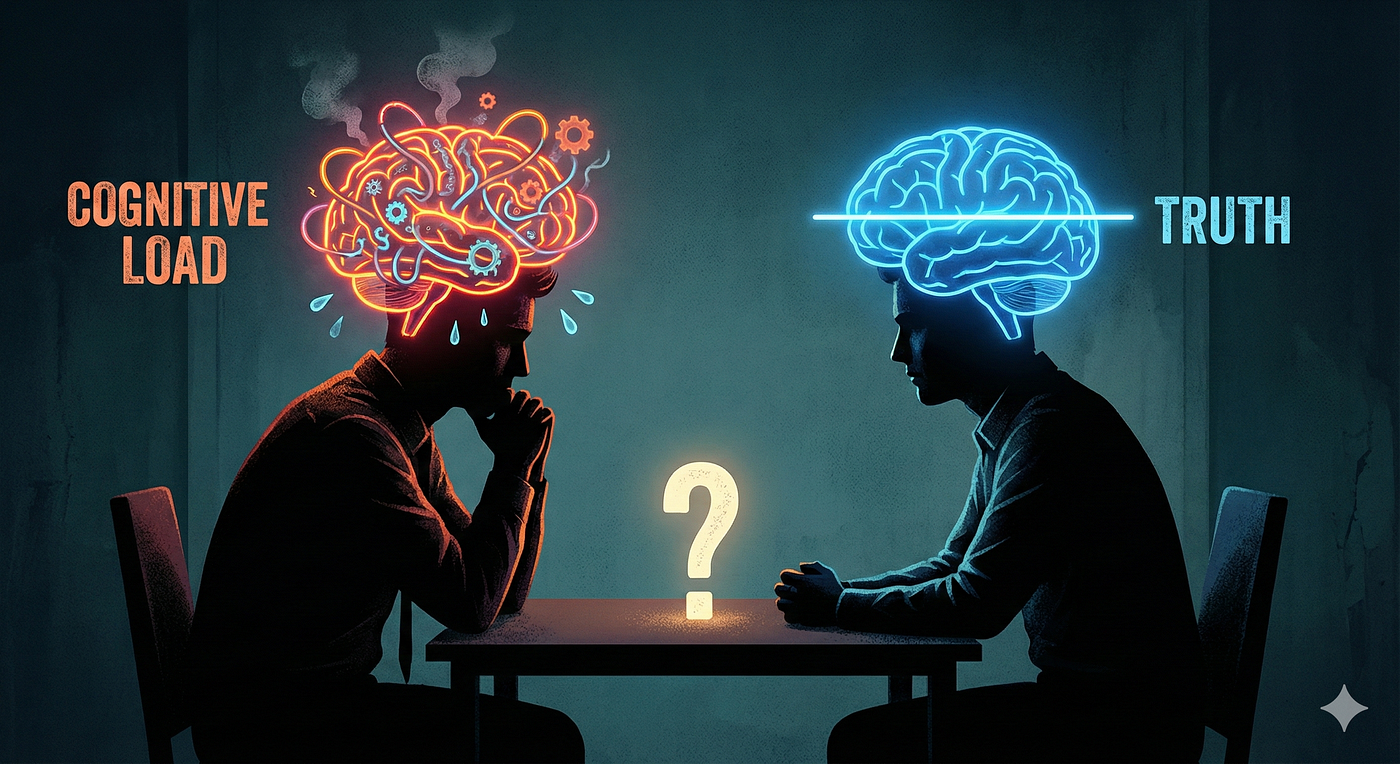
The condition is increasingly understood as a disorder of perception rather than a problem of vanity. Research suggests that individuals with BDD process visual information differently, becoming highly focused on small details while struggling to integrate a balanced overall image.
Cognitive distortions reinforce this process. Minor variations in appearance may be interpreted as major defects. Neutral social interactions may be viewed as evidence of judgment or rejection.
Because these thoughts are intrusive and repetitive rather than voluntary, BDD can significantly impair mental health, social functioning, education, employment, and quality of life.
Body Dysmorphia vs. Normal Body Image Concerns — Where Is the Line?
Many people dislike aspects of their appearance from time to time. That experience alone does not indicate Body Dysmorphic Disorder.
The difference lies in severity, persistence, and impact.
Typical body image concerns may cause occasional self-consciousness but rarely dominate daily life. In BDD, appearance-related thoughts can consume three to eight hours per day and become extremely difficult to control.
Is Body Dysmorphia a Real Mental Illness? The DSM-5 Classification
Yes. Body Dysmorphic Disorder is a formally recognized mental illness included in the DSM-5, the diagnostic manual published by the American Psychiatric Association.
BDD is classified within the same diagnostic category as OCD because both conditions involve intrusive thoughts and repetitive compulsive behaviors. Individuals struggling with BDD are not experiencing vanity or a lack of confidence. They are experiencing a legitimate psychiatric condition with established diagnostic criteria, identifiable symptoms, and evidence-based treatments. Understanding that reality is often the first step toward recovery.
Body Dysmorphia Symptoms — How to Recognize the Signs
Body Dysmorphic Disorder rarely begins with a dramatic event.
For many individuals, symptoms develop gradually. A concern about appearance becomes more frequent. More time is spent checking, comparing, hiding, or worrying. Over time, the concern begins affecting daily functioning, relationships, work, school, and emotional wellbeing.
Clinicians often organize BDD symptoms into five broad categories:
- Obsessions and intrusive thoughts
- Common areas of appearance concern
- Compulsive behaviors
- Internal emotional experiences
- Psychological warning signs
Two symptoms sit at the center of the disorder: intrusive thoughts and compulsive behaviors. The intrusive thought creates distress. The compulsion temporarily reduces distress. Then the thought returns. This cycle can repeat dozens or even hundreds of times each day.
Obsessions — What People with BDD Fixate On
The cognitive experience of BDD is often relentless. Individuals with the disorder frequently report feeling trapped in repetitive thoughts about a perceived flaw. These thoughts are intrusive, unwanted, and difficult to dismiss, even when the person intellectually recognizes that they may be exaggerated.
Common examples include:
- “Everyone notices this defect.”
- “My nose looks completely wrong.”
- “My skin is ruining my life.”
- “People are staring at me.”
- “I cannot look normal until this is fixed.”
These thoughts often reflect cognitive distortions that alter perception and interpretation. One of the defining features of BDD is that attention becomes locked onto the perceived flaw. Even after reassurance, the concern usually returns. Many individuals describe feeling stuck in a loop of thought, temporary relief, and renewed obsession. In some cases, the fixation may even shift from one body area to another, particularly following cosmetic procedures.
The Neuroscience of BDD — What Is Actually Happening in the Brain?
For many years, Body Dysmorphic Disorder was viewed primarily as a problem of self-esteem or body image. Modern neuroscience tells a different story.
Brain-imaging studies suggest that individuals with BDD process visual information differently from people without the disorder. Researchers have identified differences in the way the brain analyzes faces, bodies, and appearance-related information.
One of the most consistent findings involves a tendency toward detail-focused processing. Most people naturally balance details with the overall picture. Individuals with BDD often become locked onto specific details while losing sight of the broader image. For example:
- A minor skin blemish may dominate perception
- A slight asymmetry may appear extreme
- A normal facial feature may seem obviously defective
Researchers have also identified abnormalities in regions involved in visual processing, emotional regulation, threat detection, and self-referential thinking. Several studies suggest altered activity in the occipital cortex, amygdala, orbitofrontal cortex, and frontostriatal circuits. These same circuits are frequently implicated in OCD, helping explain why BDD belongs within the Obsessive-Compulsive and Related Disorders category of the DSM-5.
Serotonin and the OCD Connection
Another important biological factor involves serotonin. Serotonin is a neurotransmitter involved in mood regulation, emotional processing, and impulse control. Although BDD cannot be reduced to a simple “chemical imbalance,” evidence suggests serotonin pathways play an important role.
One reason clinicians believe this is because Selective Serotonin Reuptake Inhibitors (SSRIs) frequently reduce BDD symptoms. The connection becomes even more compelling when considering the similarities between BDD and OCD. Both conditions involve:
- Intrusive thoughts
- Repetitive behaviors
- Difficulty tolerating uncertainty
- Compulsive attempts to reduce distress
This overlap helps explain why treatments effective for OCD are often effective for BDD as well.
Genetics and Family History
Research suggests that genetics contribute significantly to BDD risk. Individuals with a family history of OCD, Anxiety Disorders, Depression, or Body Dysmorphic Disorder appear more likely to develop BDD themselves.
Twin studies indicate that genetic influences account for a meaningful portion of vulnerability, although environmental factors also play an important role. Importantly, genes create risk — not destiny. Many individuals with genetic vulnerability never develop BDD, while others without obvious family history do.
Childhood Experiences and Environmental Risk Factors
Environmental experiences can strongly influence the development of BDD. Common risk factors include:
- Childhood bullying
- Teasing about appearance
- Emotional abuse
- Neglect
- Perfectionistic family environments
- Appearance-focused criticism
Appearance-related teasing is particularly significant. Many adults with BDD can identify early experiences in which they were mocked, criticized, or made to feel defective because of how they looked. These experiences may shape beliefs such as:
- “My appearance determines my worth.”
- “People are constantly judging me.”
- “I must look perfect to be accepted.”
Over time, these beliefs can become deeply embedded and difficult to challenge.
Social Media, Filters, and Appearance Comparison
Social media does not directly cause Body Dysmorphic Disorder. However, it can amplify vulnerabilities that already exist. Modern platforms expose individuals to an unprecedented volume of highly curated, filtered, and edited images. The result is a comparison environment that previous generations never experienced.
Common consequences include:
- Unrealistic beauty standards
- Increased appearance comparison
- Perfectionistic expectations
- Reduced body satisfaction
Research increasingly suggests that heavy engagement with appearance-focused content may worsen symptoms among individuals already vulnerable to BDD. Filters and image-editing tools can be particularly problematic because they normalize impossible standards. Researchers and clinicians have increasingly used the term Snapchat Dysmorphia to describe a pattern in which individuals become dissatisfied with their real appearance after repeatedly viewing filtered or digitally altered versions of themselves. Some begin seeking cosmetic procedures in an attempt to replicate a filtered image that does not naturally exist. Although Snapchat Dysmorphia is not a separate DSM-5 diagnosis, it is widely recognized as a modern manifestation of appearance-related distress and Body Dysmorphic Disorder symptoms. When digitally altered images become the reference point, ordinary human variation may begin to feel unacceptable.
Progress Doesn’t Require Perfect Confidence
Many people wait until they feel completely ready before seeking support. Recovery from Body Dysmorphia often begins much earlier — with a single conversation, a better understanding of symptoms, or one small step toward help. Dzeny is available whenever that step feels right.
메타데이터
- post_id
- 0eb00dfa6d5e
- slug
- what-is-body-dysmorphia-symptoms-types-causes-and-treatments-0eb00dfa6d5e
- url
- https://medium.com/@smm_5409/what-is-body-dysmorphia-symptoms-types-causes-and-treatments-0eb00dfa6d5e
- canonical_url
- https://medium.com/@smm_5409/what-is-body-dysmorphia-symptoms-types-causes-and-treatments-0eb00dfa6d5e
- author_url
- https://medium.com/@smm_5409
- status
- ok
- fetched_at
- 2026-07-09 13:13:48