உயிரே!- An inevitable end!
‘கண்களில் வலியிருந்தால் கனவுகள் வருவதில்லை, உள்ளத்தில் ரணமிருந்தால் உணர்வுகள் மலர்வதில்லை’
உயிரே!- An inevitable end!
‘கண்களில் வலியிருந்தால் கனவுகள் வருவதில்லை, உள்ளத்தில் ரணமிருந்தால் உணர்வுகள் மலர்வதில்லை’
திரைக்கு முன்பு ஷாஹ் ருக் கான், மனீஷா கொய்ராலா, ப்ரீத்தி சிந்தாவையும் திரைக்குப்பின்பு A.R. ரஹ்மான், சுஜாதா, சந்தோஷ் சிவன், வைரமுத்துவையும் வைத்து ரோஜா, Bombay திரைப்படங்களின் வரிசையில் அரசியல் தளத்தை மையமாக வைத்து மணிரத்னம் உருவாக்கிய காதல் படைப்பு ‘உயிரே’. படத்தின் ஒவ்வொரு frameஇலும், ஒவ்வொரு வசனங்களிலும் காதலுடன் சேர்ந்து அரசியலும் நூலோடிக்கொண்டே இருக்கும்.
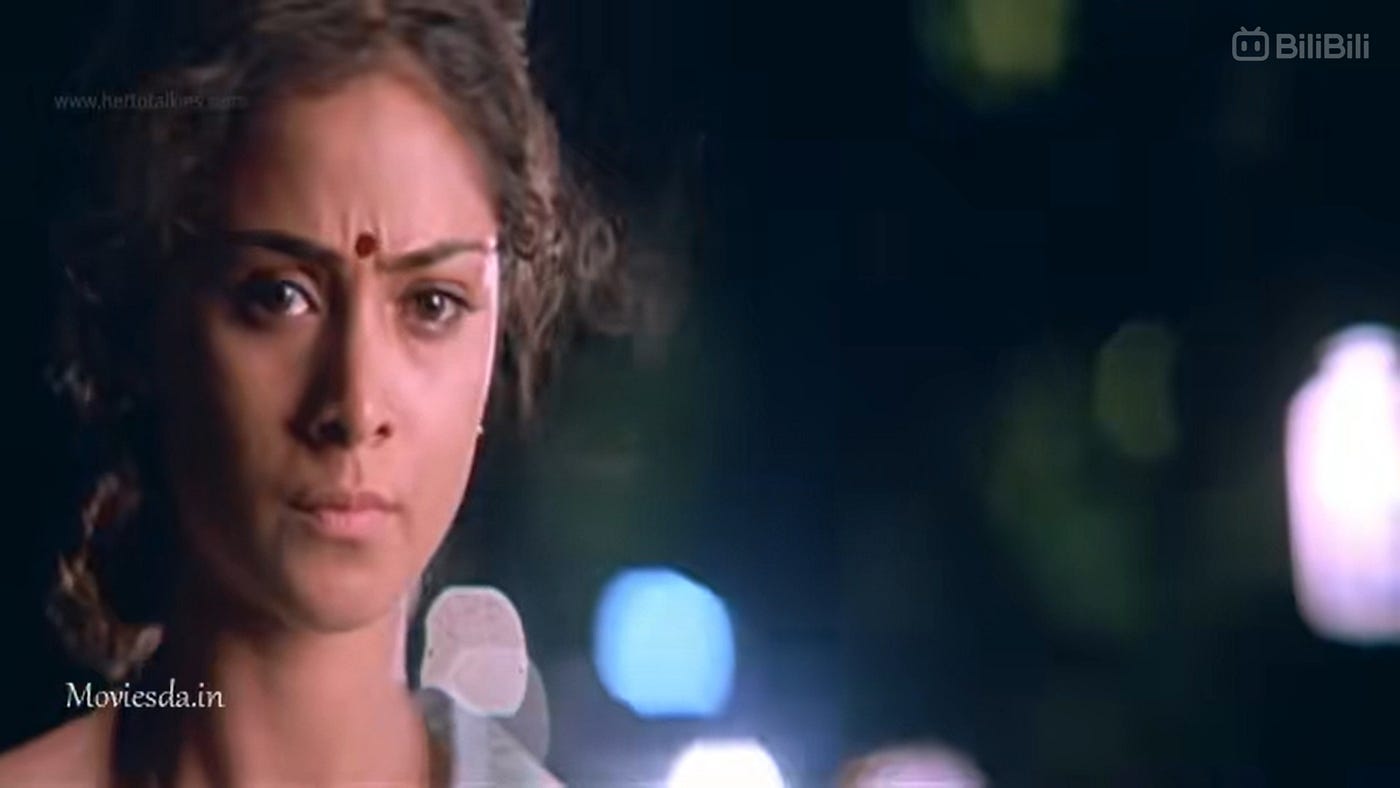
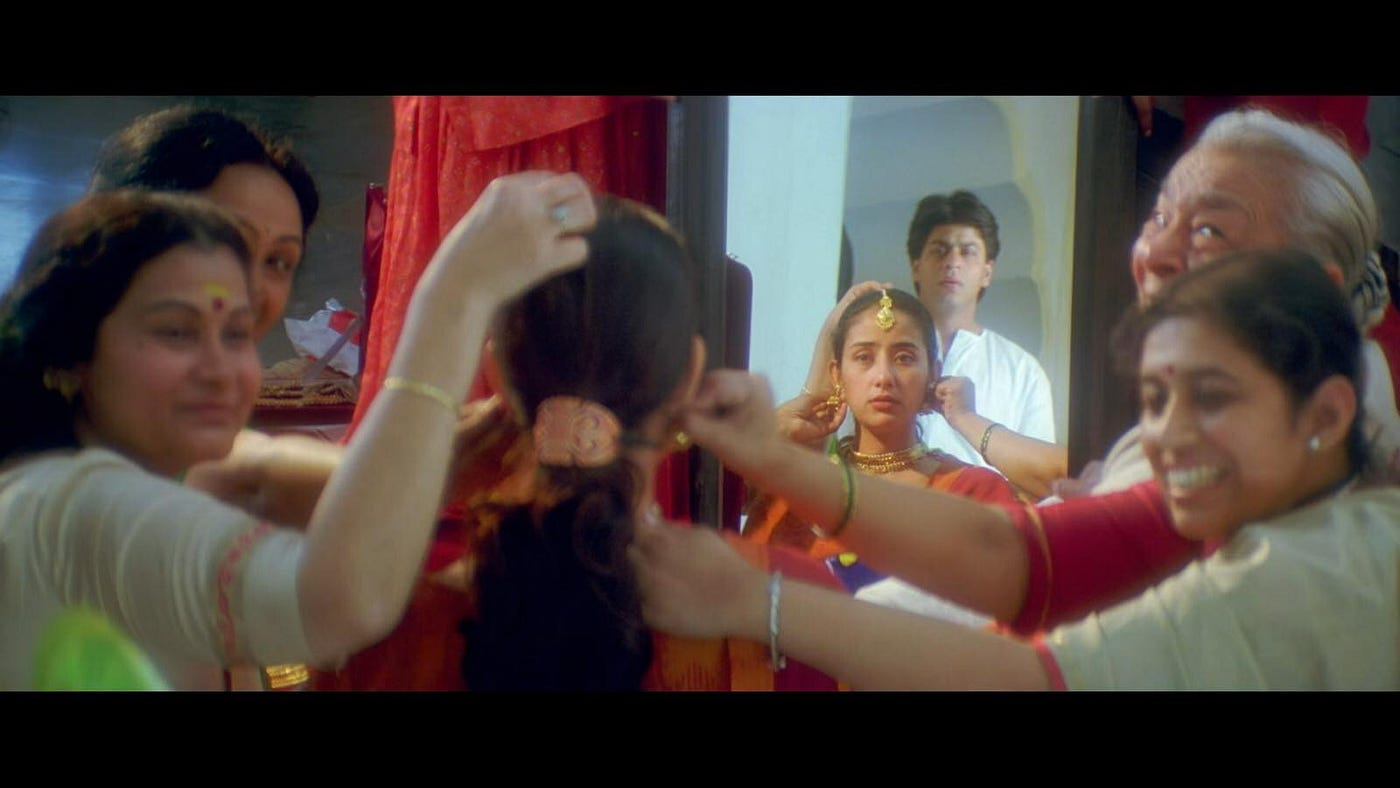
படத்தின் பிரதான கதாபாத்திரம் அமர் (Shah Rukh Khan), டெல்லியில் பிறந்து வளர்ந்து All India Radioவில் பணிபுரியும் ஒரு இளைஞன். வேலை நிமித்தம் வடகிழக்கிந்தியாவிலிருக்கும் அஸாமிற்கு செல்கிறான். பயணத்தின்போது, கவனிப்பாரற்ற Haflong railway stationஇல், நள்ளிரவில், அடித்தூற்றும் புயல்மழையின் நடுவில் மேக்னாவை (Manisha Koirala) சந்திக்கிறான். சந்தித்த மறுகணமே ஆண் என்ற ஆணவத்தை ஒழித்து அவள் பார்வையில் அடிபணிகிறான். அமர் மனதை மேக்னா ஆதிக்கம் செலுத்தத் தொடங்குகிறாள். மழையில் தான் கண்ட மாணிக்கத்தை மீண்டும் அஸாமில் வைத்து சந்திக்கிறான். அவனுடைய காதல் பயணம் லடாக், டெல்லி என்று நீள்கிறது.
படத்தின் திரைக்கதை அமரின் perspectiveலிருந்தே பயணிக்கிறது. மேக்னாவை துரத்தித்துரத்தி காதலிக்கிறான். வாழைப்பழம் போல வழிய வழியப்பேசுகிறான். மனதில் பட்டவற்றை எந்தவொரு தயக்கமுமின்றி வெளிப்படுத்துகிறான். அப்படி வெளிப்படுத்தக்கூடிய தைரியமும் சுதந்திரமும் அவனுக்குண்டு. அவனது மனம் ஒரு திறந்த புத்தகம். அதிலே ஒளிவு, மறைவுகளுக்கு இடமில்லை. அமரின் பாத்திரப்படைப்பு ஒரு expressiveஆன, துடிப்பான, extroverted நகரத்து இளைஞனுக்கானதாக வடிவமைக்கப்பட்டதால் அவனுடைய காதலும் உணர்ச்சிகளும் எந்தவொரு சிக்கலுமின்றி எமக்குக்கடத்தப்படுகின்றது.
உயிரே திரைப்படத்தின் சாராம்சத்தை ‘என்னுயிரே என்னுயிரே என் ஆருயிரே…’ என்ற ஒற்றைப்பாட்டிற்குள் அடக்கி விடலாம். பாட்டில் குறிப்பிடுகின்ற கண்கள் தீண்டல், பால் மயக்கம், மெய் தீண்டல், சுயநிலை இழத்தல், உடல் பொருள் சரணாகதி, மற்றும் மோகப்பித்து என காதலின் அத்தனை நிலைகளையும் அமர் தாண்டிச்செல்கிறான். இறுதியில் அவனது காதல் கடைசி நிலையான மரணத்தில் முடிகிறது. அமரின் காதல் பேசப்பட்ட அளவுக்கு பெரிதாகப்பேசப்படாத, பேச மறந்த காதல் மேக்னாவினுடையது.
அவளுடைய காதல், அவளது கண்களைப்போல மர்மமானது. அவளது காதல், அவள் கடந்து வந்த பாதைகளைப்போல ஆபத்தானது. அவளது காதல், அவளது உள்ளத்து உணர்ச்சிகளைப்போல சிக்கலானது. ஆனால், மேக்னாவினுடைய காதல், மேக்னாவைப்போல தெய்வீகமானது.
மேக்னா ஒரு மலைவாழ் இனத்தைச்சேர்ந்த இளம்பெண், ஒரு தற்கொலைக்குண்டுதாரி. அவள் பட்ட துன்பங்களாலும், அவள் சந்தித்த வலிகளாலும் அவள் நம்புகின்ற ஒரு மேலான கொள்கைக்காக தன் உயிரை மாய்க்கத்துணிந்தவள். பயத்தின் பிடியில் வாழ்ந்த மேக்னாவிற்கு காதல் எப்படியிருக்கும் என்று தெரியாது. தாயின் உள்ளங்கையும், கோயில் மாடத்துப்புறாவும் அவளுக்கு எட்டாக்கனிகள். தனது ஏக்கங்களையும் காதலையும் கண்களுக்குள் மூடி மறைத்துக்கொண்டவள் மேக்னா. அமரைப்போன்று, தன்னுடைய காதலை எந்தவொரு தயக்கமும், சலனமுமின்றி வெளிப்படுத்தக்கூடிய சுதந்திரம் மேக்னாவுக்கில்லை.
ஆனால் அமரின் காதல் மற்றும் காதல்சார் முயற்சிகளின் பிரதிபலனாக, மேக்னா கல்லாக்கிக்கொண்ட அவளது இதயத்திலும் காதல் புதுவேர்கள் போடுகின்றன. எப்போதும் சோகத்தின் ரேகைகள் படர்ந்த அவளது கண்களில் காதல் துளிர்விடுகின்றது. அமருக்கு அவனது காதலை எந்தவொரு தயக்கமுமின்றி சொல்லக்கூடியதாயிருந்தது. ஆனால் மேக்னாவிற்கோ அந்தத் தெரிவு இல்லை. மேக்னாவின் காதல் போராட்டம் உள்ளார்ந்து. அவளது போராட்டம் குழப்பகரமானது. அமரின் காதலுடன் அவள் பயணிக்கும் ஒவ்வொரு நிமிடமும் மரணம் அமரை நெருங்குகின்றது என்று தெரிந்து செய்வதறியாது தவிக்கிறாள். கொள்கைக்கும் காதலுக்கும் நடுவில் அல்லாடுகிறாள். ஈற்றில் அவளது காதலும் மரணத்தில் முடிகிறது.
அமர் தனது முடிவை தெரிவு செய்து கொண்டான். அமர்களுக்கு, மேக்னாக்களை தான் காதலிக்க வேண்டும் என்கிற எந்தவொரு நிர்ப்பந்தங்மும் இல்லை. அமர்களுக்கு ப்ரீத்தி வர்மாக்கள் (Preity Zinta) முதற்கொண்டு பலரைக் காதல் செய்யலாம். ஆனால், கவனிப்பாரற்ற Haflong railway stationஇல், அடித்தூற்றும் புயல்மழையின் நடுவில் மேக்னாவை சந்தித்த அந்த கணத்தில் துளிர்விட்ட காதலுக்காய் அமர் உயிரைக்கூட கொடுப்பதற்கு தயங்கவில்லை.
ஆனால், மேக்னாவிற்கு அந்தத்தெரிவு இருக்கவில்லை, ஒருபோதும் இருந்ததுமில்லை, அது அமராக இருக்கட்டும், வேறு யாராகவும் இருக்கட்டும். மேக்னாவிற்கென்றென ஏற்கனவே எழுதி வைக்கப்பட்ட முடிவு, மரணம். அவளது உயிர் எமனுக்கு எழுதிவைக்கப்பட்டு விட்டது என்று தெரிந்த பின்பு உருவான காதல் இது. உள்ளத்தில் ரணங்களை சுமந்த்து வாழும் மேக்னாக்களின் மனங்களில் உணர்ச்சிகள் மலர்வது சுலபமல்ல. கண்களில் வலி நிறைந்த மேக்னாக்களின் கண்களில் கனவுகள் வருவது சுலபமல்ல. அமர்களை காதலிப்பதற்கான தெரிவு கூட மேக்னாக்களின் கைகளில் இல்லை. இவற்றையெல்லாம் தாண்டிய மேக்னாவின் காதல் தெய்வீகமானது, மேக்னாவைப்போலவே.
அமரின் வாழ்க்கைமுறைக்கும் மேக்னாவின் வாழக்கைமுறைக்கும் இடையிலே காணப்பட்ட இடைவெளி, பாரபட்சம், ஒரவஞ்சகத்தன்மை, இவையனைத்தும் தான் உயிரே பேச விளைந்த அரசியல். தொடர்ந்து பேசப்பட பேசப்படவேண்டிய அரசியல். ஆனால் பேசப்படுமா என்பது எப்போதும் ஒரு கேள்விக்குறி தான். அதுவரை, மேக்னாக்கள் மீதான அமர்களின் காதலும், அமர்கள் மீதான மேக்னாக்களின் காதலும் மரணம் என்ற ஒன்றினால் தான் அமரத்துவம் அடைந்து கொண்டிருக்கும்.
‘விண்மீன்களைத்தாண்டியும் காதல் வாழ்வதுண்டு இந்தக்காலம் கழியினும் காதல் வாழ்வதுண்டு…’
…
Dil Se- An inevitable end!
‘Dreams don’t come inside the eyes which pain Emotions don’t blossom in the hearts which strain…’
In the lines of Roja and Bombay, consisting of star cast including Shah Rukh ‘The King’ Khan, Manisha Koirala and Preity Zinta and a crew compromising A.R.Rahman, Sujatha, Santhosh Shivan and Vairamuththu, Mani Ratnam dished out an all-time classic ‘Dil Se’, a fully fledged romantic movie in the backdrop of politics. In every single frame captured and every single dialogue delivered, politics was seamlessly integrated throughout.
Main character of the film, Amar (Shah Rukh Khan), a typical youth from Delhi, working in a All India Radio, visits Assam, situated in the forgotten North-east of India, for official commitment. In the midst of the journey, in a deserted Haflong Station, at midnight, under a pouring rain, he meets Moina (Manisha Koirala), and falls head over heels. He eventually meets Meoina again in Assam and fate leads him to mountains of Ladakh and then Capital Delhi, in search of his love.
The screenplay moves from the perspective of Amar. He goes to the moon and back to love Moina. He is a rizzing king and knows how to lure women with his charm and charisma. He confidently and freely confesses his love to Moina like an open book. There is nothing for him to hide, there is nothing stopping him. The characterization of Amar is very expressive and extroverted that all his feelings are easily captured by us, the audience, without any complications.
A masterstroke in the film, among others, is how the whole movie was reduced to one song in ‘Satarangi Re’. The Song speaks of the seven stages of love, all of which Amar goes through as his love develops. It ends in ‘Death’, the last stage of love. Amar’s love was vividly spoken by everyone but the forgotten love of Moina’s was overlooked, unfortunately.
Her love is mysterious, just like her eyes. Her love is dangerous, just like her past. Her love is complicated, just like her emotions. But, her love is divine, just like she herself.
Moina hails from the Himalayan mountains of India, the forgotten land but fought over for decades since independence. She is also a suicide bomber. She is ready to sacrifice her own self for a higher purpose that she believes in, due the hardships she faced and the pain she endured. For someone who always lived, rather survived, in the grips of fear and detachment, love is alien to her. Her mother’s palm and the pigeons in the temples and mosques are mere dreams she is yearning for. Her love and longings are buried inside her eyes, unknown to others. Unlike Amar, she doesn’t have the freedom to convey her feelings without any reluctance or temptations, she doesn’t have any such choice.
Amar’s love and his constant efforts to get inside Moina’s heart pays dividends and she finally starts to love Amar. Her eyes, for once, beam with love and not sadness. But she had to fight her own self, internally. Moina’s love is complicated. The more she loves Amar, the more she knows the death nears Amar as well. She doesn’t mind sacrificing her life, but not Amar. She is toyed between her principles and love. In the end, her love also faces the inevitability, ‘Death’.
Amar chose his destiny. For people like Amar, there is no necessity to love someone like Moina. There are always Nee Varmas (Preity Zinta) waiting in line to love and to marry him. But he chose to give his heart and soul to the girl he saw at Haflong Station, at midnight, under pouring rain. It was love at first sight and he didn’t even even think twice to sacrifice his life for Moina.
But for Moina, she never had such options. She didn’t have anyone to fall back all through her life, be it Amar or anyone else. Her destiny is already decided, that’s her death. But she had the courage to love Amar despite knowing her destiny. It is hard for Moinas to see through eyes which pain. It is hard for a strained heart to blossom with love and emotions. Their own destiny is not in their hands. Such love, like Moina’s in this instance, are divine, just like Moina herself.
There were so much difference between the lifestyle of Amar, a boy from Delhi and Moina, from Kashmir. The Such difference, such prejudice and such hypocrisy is the politics the movie intends to speak, the politics which should be spoken and the politics which remains to be spoken. Until such time, Amars’ love towards Moinas and Moinas’ love towards Amars are always move towards one destiny, that is Death.
‘Love shall outlive the stars that are born Love shall live even the time is gone…’
Jun..
메타데이터
- post_id
- 0ebda520784b
- slug
- உயிரே-an-inevitable-end-0ebda520784b
- url
- https://medium.com/@arjunselva/%E0%AE%89%E0%AE%AF%E0%AE%BF%E0%AE%B0%E0%AF%87-an-inevitable-end-0ebda520784b
- canonical_url
- https://medium.com/@arjunselva/%E0%AE%89%E0%AE%AF%E0%AE%BF%E0%AE%B0%E0%AF%87-an-inevitable-end-0ebda520784b
- author_url
- https://medium.com/@arjunselva
- status
- ok
- fetched_at
- 2026-07-24 02:04:39