Analyzing Labor Exploitation via a Novel Job Classification System
Why are unskilled workers vulnerable to being trapped in cornered jobs?
Analyzing Labor Exploitation Via a Novel Job Classification System
Why are unskilled workers vulnerable to being trapped in cornered jobs?

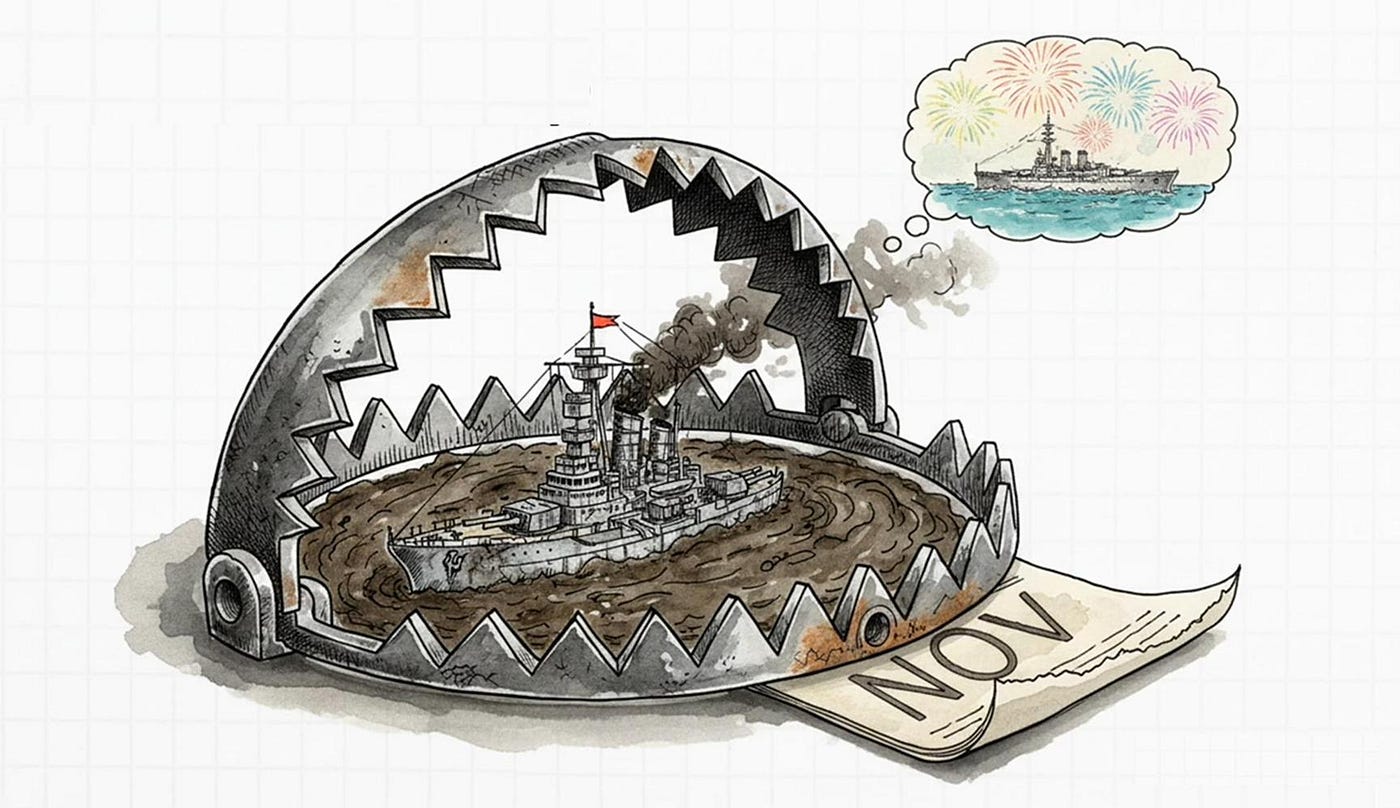
The lack of skills in the absence of alternative job opportunities leads to labor exploitation. (AI image by Author)
We often talk about labor exploitation in broad strokes, focusing on wage theft or unsafe conditions. But what if the very nature of the job, and the worker’s position within it, inherently predisposes them to a more insidious form of “oppressive exploitation”? I argue that to truly understand and combat this pervasive issue, we need a more nuanced framework than currently exists. My approach introduces a novel classification of employment types, drawing a systematic parallel with consumer behavior theory, to illuminate how a lack of skills, particularly in the absence of viable alternative job opportunities, can increase a worker’s vulnerability to exploitation.
The Job Classification System as the Foundation of Argument
My analysis pivots on a job categories system, each shedding light on a different facet of the labor landscape:
The Normal Job: Where Skill Meets Satisfaction: I argue that a “normal job” represents an ideal. In this type of employment, a person accepts a position based on their specialization, skills, and expertise. Crucially, the more specialized and skilled a person is, the more likely they are to find intrinsic interest and satisfaction in their work. For these individuals, initial wages, while important, often take a backseat to the relevance of the work to their specialized knowledge and career goals.
What truly defines a worker in a normal job is their confidence and potential mobility. If, for any reason, the job doesn’t meet their expectations or provide adequate satisfaction, they possess the bargaining power and the skill set to more easily transition to another opportunity. They are not beholden; they are empowered.
The Compelled Job: Necessity, Not Choice: This category marks a significant departure. I argue that a “compelled job” is one that a person accepts not out of desire or specialization, but purely out of necessity, often due to a lack of specific skills or specialized knowledge. Think of recent immigrants entering a foreign job market or students seeking any work to make ends meet.
For individuals in a compelled job, wages are often the primary concern. Indeed, in this type of job, the main goal is simply to secure employment to meet basic needs. The less skilled a person is, the more likely they are to gravitate towards and accept these types of roles. This is where vulnerability begins to manifest.
The Cornered Job: The Gateway to Oppressive Exploitation: Herein lies the critical distinction and the most dangerous territory. A “cornered job,” I argue, is a particularly insidious subset of the compelled job. It possesses one crucial, defining characteristic that sets it apart: an increase in work effort despite a decrease in effective hourly pay.
This isn’t a sign of commitment or enthusiasm; it’s a stark indicator of desperation. Consider this example: in a cornered job, a person might genuinely be willing to work overtime on a holiday for a reduced effective rate, say, accepting a fixed payment that results in $15 per hour instead of their usual $20, simply because they desperately need the money. They are doing this not out of willingness, but because they are in deep financial trouble and perceive no other viable option. They are, quite literally, cornered.
This is the point where exploitation truly takes root. I define oppressive exploitation as the condition where a worker feels compelled to perform additional work for less effective pay due not to choice, but to a profound lack of alternatives and dire financial need.
The most chilling aspect of this classification, I argue, is the inherent risk carried by compelled jobs. A compelled job, under specific and unfortunately common circumstances, particularly when the individual has no alternatives and an urgent need for wages, can transform into a cornered job. This transformation is the moment when exploitation begins to fester.
Therefore, I issue a warning: anyone who accepts a compelled job, especially for an extended period, should be acutely aware that they are at heightened risk of becoming subjected to oppressive exploitation. It’s a slippery slope where necessity can quickly become a cage.

Unskilled laborers are vulnerable to oppressive exploitation. (Chart design by the author)
Generalizing Giffen Behavior to Labor Supply as an Analogy
My conceptual innovation in this framework lies in drawing a direct parallel with consumer behavior in classical economics, specifically by generalizing Giffen behavior from the demand side to the supply side of labor. This provides a robust theoretical foundation for understanding these dynamics:
Normal Goods ↔ Normal Jobs: Just as consumption of normal goods increases with income, individuals in normal jobs experience increased satisfaction and empowerment as their skills and opportunities grow. In both cases, increased agency leads to increased activity.
Inferior Goods ↔ Compelled Jobs: Consumption of inferior goods increases as income decreases, driven by necessity. Similarly, compelled jobs are taken when skills are limited and financial need is high. In both cases, diminished agency leads to increased activity. I prefer the term “compelled goods” over “inferior goods” to avoid the pejorative implication regarding quality; the driver is necessity, not inherent inferiority.
Giffen Goods ↔ Cornered Jobs: This is the most critical link. The behavior of a Giffen good mirrors the vulnerability in a cornered job, illustrating a break from expected behavior: in demand, the law of demand, and, in labor, the law of supply. Indeed, a Giffen good is a type of inferior good where, counter-intuitively, its demand increases as its price rises and decreases as its price falls. This occurs when it’s a staple good with no close substitutes, and the consumer is effectively “cornered” into buying more of it even as it becomes more expensive, because they can no longer afford better alternatives.
I argue that this exact dynamic is mirrored in the supply of labor for a cornered job. When a worker is cornered, the effective “price” (their hourly wage rate) for their labor can decrease, and yet their “supply” (their willingness to work more hours) increases. They are forced to sell more of their labor, even at a lower rate of pay, because they have no substitutes (no other job options) and dire financial needs. This theoretical framework powerfully underpins the oppressive exploitation I describe.

The generalizing Giffen behavior from the demand side to the supply side provides a robust understanding of labor market. (AI image by Author)
Labor Empowerment Prevents the Trap
My analysis provides a robust framework for understanding how seemingly minor initial choices in employment, particularly those driven by necessity rather than skill, can lead to severe and exploitative labor conditions. The analogy to consumer behavior reinforces the logical progression of these dynamics.
The primary solution, I argue, lies with empowering the individual. We must champion the acquisition of skills, expertise, and specialization. These are not merely tools for career advancement; they are the most potent defenses against exploitation. By empowering individuals to pursue normal jobs, we equip them with the bargaining power and potential mobility to avoid the perilous journey toward compelled and eventually cornered jobs.
For those currently in compelled jobs, the message is clear: actively seek to transition out of this vulnerable state. Invest in your skills, explore educational opportunities, and continuously look for pathways that lead to greater autonomy and specialization. The best defense against becoming cornered is to ensure you always have an exit strategy, built on the foundation of your own valuable expertise.
Understanding these job classifications allows us to more clearly see the underlying power dynamics that shape worker vulnerability. It’s a call to re-evaluate our approach to labor, recognizing that true liberation from exploitation begins with skill, choice, and a deep understanding of one’s labor situation.

Skilled workers occupy normal job opportunities and are immune to exploitation. (AI image by Author)
메타데이터
- post_id
- 0ec841df2c65
- slug
- analyzing-labor-exploitation-via-a-novel-job-classification-system-0ec841df2c65
- url
- https://medium.com/brain-labs/analyzing-labor-exploitation-via-a-novel-job-classification-system-0ec841df2c65
- canonical_url
- https://medium.com/brain-labs/analyzing-labor-exploitation-via-a-novel-job-classification-system-0ec841df2c65
- author_url
- https://medium.com/@mojtabamohkam
- status
- ok
- fetched_at
- 2026-06-25 12:15:08