Neuroanatomy through Clinical Cases 3rd Edition
What is Neuroanatomy through Clinical Cases, 3rd Edition?
Neuroanatomy through Clinical Cases 3rd Edition
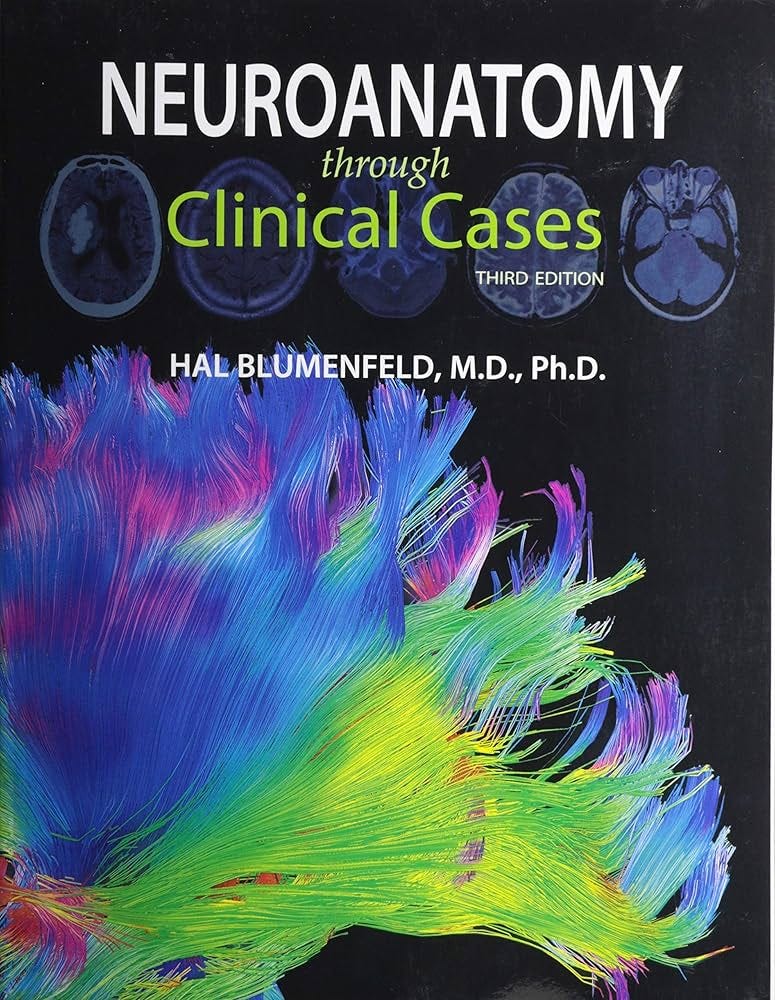
What is Neuroanatomy through Clinical Cases, 3rd Edition?
Neuroanatomy through Clinical Cases, 3rd Edition, is a clinically oriented neuroanatomy textbook by Hal Blumenfeld that teaches neuroscience through real patient cases, neuroimaging, and neurologic localization. It is designed primarily for medical students, neurology trainees, and healthcare professionals seeking a practical understanding of neuroanatomy.
Introduction
Neuroanatomy is often considered one of the most challenging subjects in medical education because of its complexity, detailed pathways, and extensive terminology. Neuroanatomy through Clinical Cases, 3rd Edition, approaches this challenge differently by integrating real clinical cases with anatomical teaching.
Instead of relying solely on memorization, the book emphasizes clinical reasoning, neurologic localization, and practical application.
Written by Hal Blumenfeld, MD, PhD, this textbook combines foundational neuroscience with patient-centered case discussions. The result is a resource that bridges the gap between basic neuroanatomy and bedside neurology.
The book is particularly valuable for medical students, neurology residents, neurosurgery trainees, and healthcare professionals who want to understand how neuroanatomical principles apply to real clinical practice.
One of the defining features of this edition is its emphasis on diagnostic thinking. Clinical cases, neuroradiological images, review exercises, and anatomical study guides are integrated throughout the text to reinforce learning.
According to the book’s preface, the educational philosophy focuses on using clinical cases as both a teaching instrument and a motivating force for deeper study of anatomy and function.
The third edition also expands interactive learning opportunities with integrated neuroimaging, online neurologic examination resources, and review-focused educational tools. These features make the book suitable not only for coursework but also for board review and clinical rotations.
WHAT THIS BOOK COVERS
The book provides a comprehensive exploration of neuroanatomy through clinically oriented teaching. The structure begins with introductory chapters that explain clinical case presentations, neuroanatomical terminology, neurologic examination techniques, and neuroradiology.
Major systems and functional areas of the nervous system are then explored in depth. Topics include:
Fundamental Neuroanatomy
The early chapters introduce the following:
- Basic organization of the nervous system
- Gray matter and white matter
- Orientation and sectional anatomy
- Neurochemical organization
- Major motor and sensory systems
- Blood supply of the brain and spinal cord
These sections provide the foundational language necessary for understanding more advanced neurologic disorders.
Neurologic Examination and Clinical Localization
A substantial portion of the text is dedicated to teaching:
- Mental status examination
- Cranial nerve assessment
- Motor and sensory examination
- Reflex testing
- Coordination and gait analysis
- Neurologic localization strategies
The book emphasizes how bedside examination findings correlate with underlying anatomy.
Clinical Neuroradiology
The neuroradiology chapter introduces:
- CT imaging
- MRI interpretation
- Neuroangiography
- Functional neuroimaging
The included neuroradiological atlas helps readers interpret normal and pathological neuroimaging studies.
Major Neuroanatomical Systems
The textbook systematically covers:
- Corticospinal and motor pathways
- Somatosensory pathways
- Spinal nerve roots
- Peripheral nerves and plexuses
- Cerebral hemispheres
- Visual pathways
- Brainstem anatomy
- Cerebellum
- Basal ganglia
- Pituitary and hypothalamus
- Limbic system
- Higher-order cerebral functions
Each section integrates anatomy with common neurologic syndromes and real clinical cases.
Clinical Cases and Diagnostic Reasoning
More than 100 clinical cases are incorporated throughout the text. These cases present:
- Patient histories
- Neurologic findings
- Localization questions
- Imaging studies
- Diagnostic reasoning
- Clinical outcomes
The cases transform neuroanatomy from a purely theoretical subject into a practical clinical discipline.
Key Features
- Clinically oriented neuroanatomy teaching approach
- More than 100 real patient clinical cases
- Extensive neuroradiological imaging
- Integrated neurologic localization exercises
- Detailed color anatomical illustrations
- Key Clinical Concept (KCC) sections
- Review exercises and mnemonics
- Brief anatomical study guides are at the end of chapters.
- Coverage of major neurologic and neurosurgical disorders
- Interactive e-book features, including quizzes and imaging review
- Neuroexam.com integration for neurologic examination videos
Who Should Read This Book
Medical Students
This is one of the strongest audiences for the book. Students learning neuroscience or neuroanatomy benefit from the clinically integrated teaching style that makes difficult concepts easier to apply and remember.
Neurology and Neurosurgery Residents
Residents early in training can use the book to strengthen localization skills, understand common neurologic syndromes, and review neuroimaging correlations.
Clinical Rotations and Board Exam Candidates
Students preparing for neurology examinations or clinical rotations may find the case-based approach particularly useful for developing practical reasoning skills.
Healthcare Professionals
The source specifically notes usefulness for:
- Nursing students
- Physical therapy students
- Occupational therapy students
- Speech therapy students
- Neuropsychology trainees
- Dentistry students
Neuroscience and Research Learners
Graduate students in neuroscience may also benefit from the functional and systems-based organization of the material.
Why This Book is Useful
Strong Clinical Relevance
The most significant strength of the book is its consistent connection between anatomy and clinical medicine. Rather than teaching isolated pathways, the text demonstrates how lesions produce recognizable neurologic syndromes.
Effective Neuroanatomical Localization
Localization is one of the most important skills in neurology. The clinical cases repeatedly challenge readers to identify lesion locations using symptoms, examination findings, and imaging.
Integration of Imaging and Anatomy
The inclusion of CT and MRI studies throughout the cases helps readers learn practical neuroradiology interpretation alongside anatomy.
Board Examination Preparation
The source notes that the book covers neuroanatomical material required for medical school board examinations. Review exercises, bolded concepts, mnemonics, and study guides support efficient exam preparation.
Educational Efficiency
The structured format allows learners to move from:
- Anatomical review
- Key clinical concepts
- Real clinical application
- Imaging interpretation
- Diagnostic reasoning
This layered educational approach improves retention compared with rote memorization alone.
Table of Contents Overview
The major sections of the book include:
- Introduction to Clinical Case Presentations
- Neuroanatomy Overview and Basic Definitions
- The Neurologic Exam as a Lesson in Neuroanatomy
- Introduction to Clinical Neuroradiology
- Brain and Environs: Cranium, Ventricles, and Meninges
- Corticospinal Tract and Other Motor Pathways
- Somatosensory Pathways
- Spinal Nerve Roots
- Major Plexuses and Peripheral Nerves
- Cerebral Hemispheres and Vascular Supply
- Visual System
- Brainstem I: Surface Anatomy and Cranial Nerves
- Brainstem II: Eye Movements and Pupillary Control
- Brainstem III: Internal Structures and Vascular Supply
- Cerebellum
- Basal Ganglia
- Pituitary and Hypothalamus
- Limbic System: Homeostasis, Olfaction, Memory, and Emotion
- Higher-Order Cerebral Function
- Epilogue: A Simple Working Model of the Mind
Strengths of The Book
Case-Based Learning Model
The integration of authentic clinical cases is arguably the book’s greatest educational advantage. Cases encourage active learning and clinical reasoning rather than passive memorization.
Exceptional Neuroimaging Integration
Large-format neuroradiological images support practical understanding of lesion localization and anatomy.
Balanced Depth
The book provides enough detail for serious medical education while remaining clinically focused and accessible.
Strong Pedagogical Design
Features such as
- Review exercises
- Mnemonics
- Key Clinical Concepts
- Anatomical study guides
- Interactive e-book content
All contribute to effective long-term learning.
High Clinical Applicability
The neurologic examination sections and localization discussions are highly relevant for bedside clinical practice.
메타데이터
- post_id
- 0f1502e115bd
- slug
- neuroanatomy-through-clinical-cases-3rd-edition-0f1502e115bd
- url
- https://medium.com/@randadesigns4u/neuroanatomy-through-clinical-cases-3rd-edition-0f1502e115bd
- canonical_url
- https://medium.com/@randadesigns4u/neuroanatomy-through-clinical-cases-3rd-edition-0f1502e115bd
- author_url
- https://medium.com/@randadesigns4u
- status
- ok
- fetched_at
- 2026-06-09 15:37:30