Be you, 52, even if you’re not Blue
There once lived a lonely creature..
Be you, 52, even if you’re not Blue
There once lived a lonely creature..
At 52Hz in the ocean, we can hear the distinct song of a whale. However, there is only one.
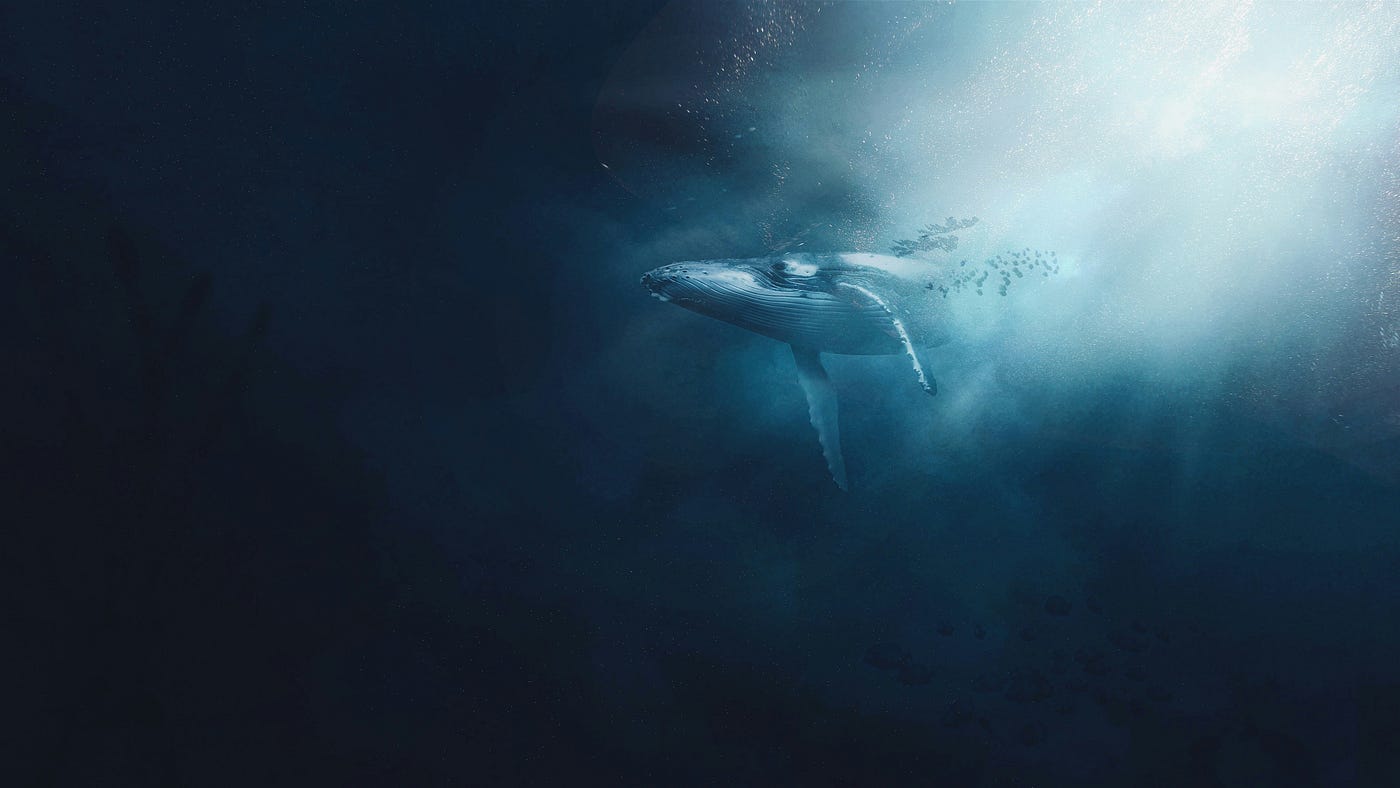
Photo by Gabriel Dizzi on Unsplash
Since the late 1980s, we have heard its song at the 52Hz frequency, but no one has ever seen it. We, as humans, do not know what is making this sound, but we think that it must be a whale, it must be alive, and that’s where it gets.. deep.
This whale, whatever it is, does not seem to have a mate. In a heartbreaking story, resembling that of Lonesome George (the loneliest tortoise in the world, the last of the Pinta Island tortoise subspecies) when scientists use hydrophone arrays to study whale vocalizations, they encounter just one creature producing vocalizations at 52Hz (although, some have reported that the vocalizations appear to have deepened to 50Hz more recently).

Photo by Nick Wood on Unsplash
These sounds would be audible to humans. As a canny contributor has so vividly pointed out on Wikipedia:
“52 Hz is roughly equivalent (sharp by 3 cents) to the musical note G#1, which is the 12th lowest key on a usual 88-key piano keyboard; or the 4th finger position on the lowest string (E1) of a double bass.”
Since this sound has been witnessed by multiple teams at different times in different places, we know it is something. However, just to reiterate, it has never been seen. We think that Blue Whales produce vocalizations of 10 to 39 Hz. The sonic signature (how’s that for a band name?) resembles a whale (which is of course what would be programmed if they wanted you to think it’s a whale).
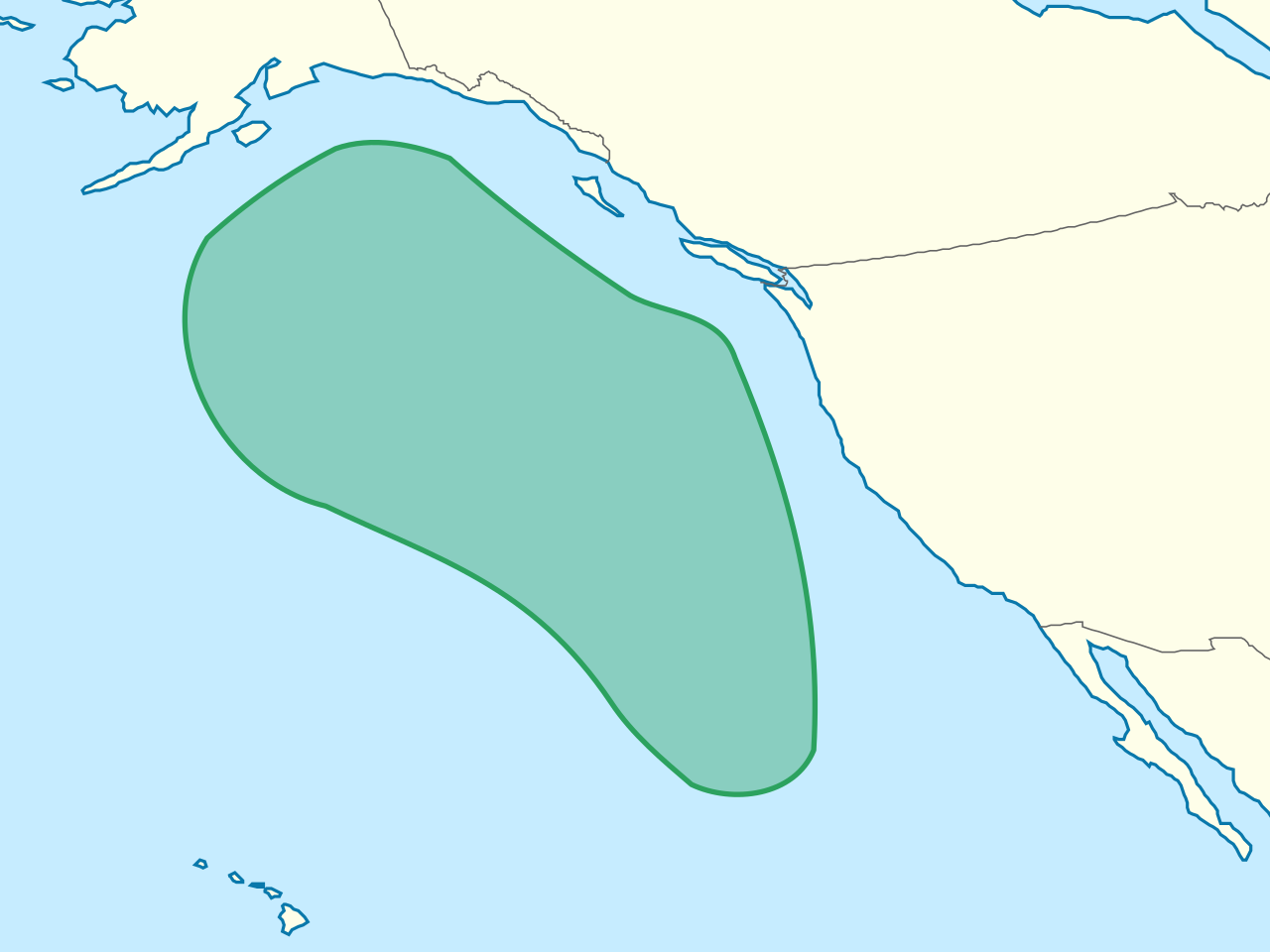
Approximate map of migration range. Source: This file was derived from: Pacific Ocean laea location map.svg:, CC BY-SA 3.0, https://commons.wikimedia.org/w/index.php?curid=87381219
Its migration track is unlike that of any known whale species. There are similarities with Blue whales, however, its migration is distinct.
Since the Cold War ended, many important pieces of previously classified information have been declassified or partially declassified. In 1992, the U.S. Navy partially declassified the recordings and technical specifications of its SOSUS anti-submarine hydrophone arrays. This made SOSUS available for oceanographic research and, since 2014, the whale has been heard every year.
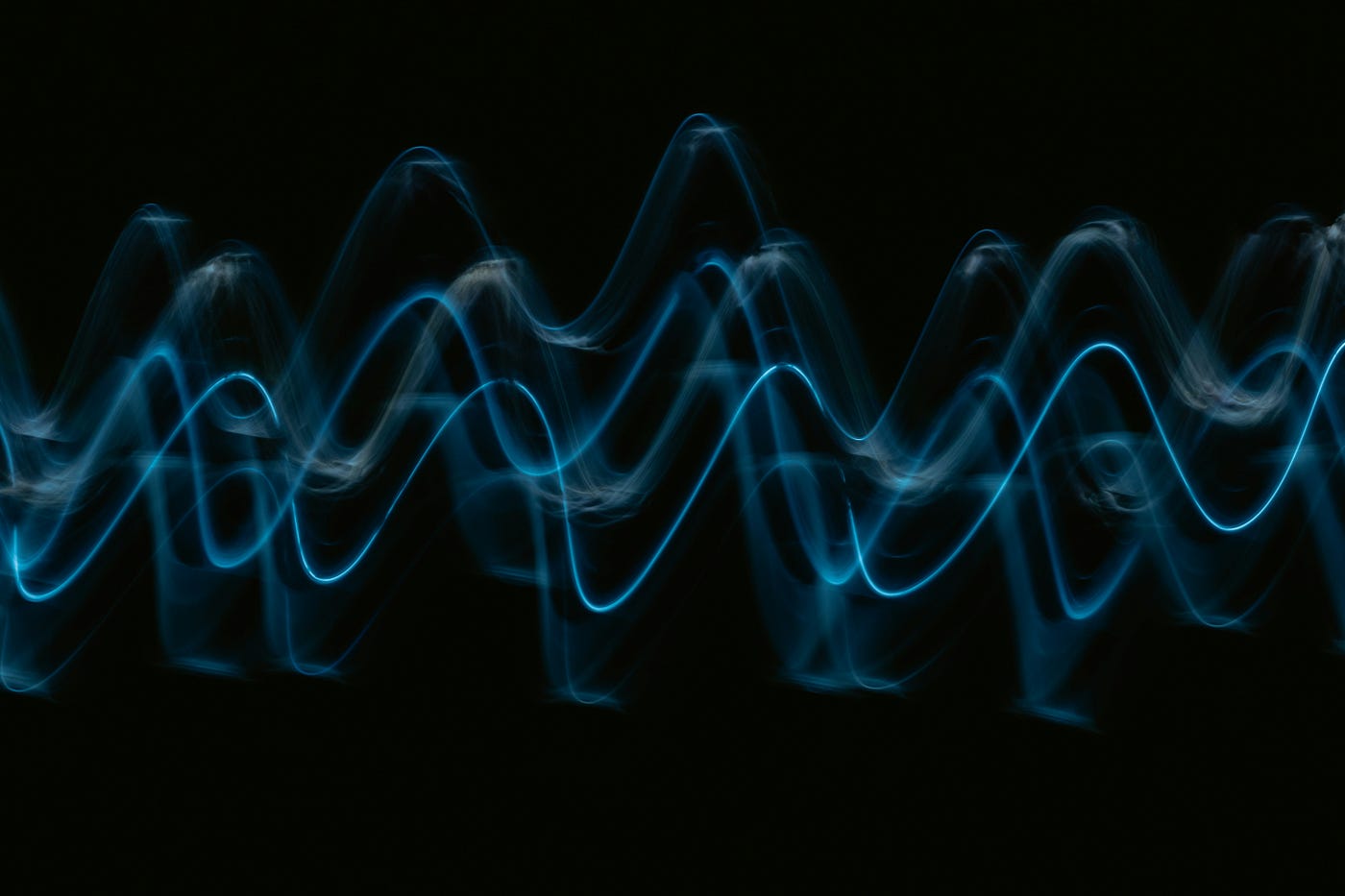
Photo by Pawel Czerwinski on Unsplash
Many theories have been put forward about this — creature. Perhaps it is a mutant of an already recognized whale species. Perhaps we misjudged a recognized whale species, and one that is already known to science is capable of making these vocalizations. Perhaps this is a special vocalizer. Perhaps this is the last of its kind. The repetition, duration, and sequence of the vocalizations, in addition to the frequency, are unique.
Photo by Glen Carrie on Unsplash
We’re pretty sure that it’s a whale — and that’s a decent start. If nothing else, this situation shines a light on the fact that we don’t even know our own planet, we really do not know the oceans, let alone outer space.
메타데이터
- post_id
- 0f164a0d78f2
- slug
- be-you-52-even-if-youre-not-blue-0f164a0d78f2
- url
- https://medium.com/@katie_69806/be-you-52-even-if-youre-not-blue-0f164a0d78f2
- canonical_url
- https://medium.com/@katie_69806/be-you-52-even-if-youre-not-blue-0f164a0d78f2
- author_url
- https://medium.com/@katie_69806
- status
- ok
- fetched_at
- 2026-07-20 15:04:06