Femvertising or Fatamorgana? When Advertising Pretends to Defend Women
written by Samuel P
Femvertising or Fatamorgana? When Advertising Pretends to Defend Women
written by Samuel P
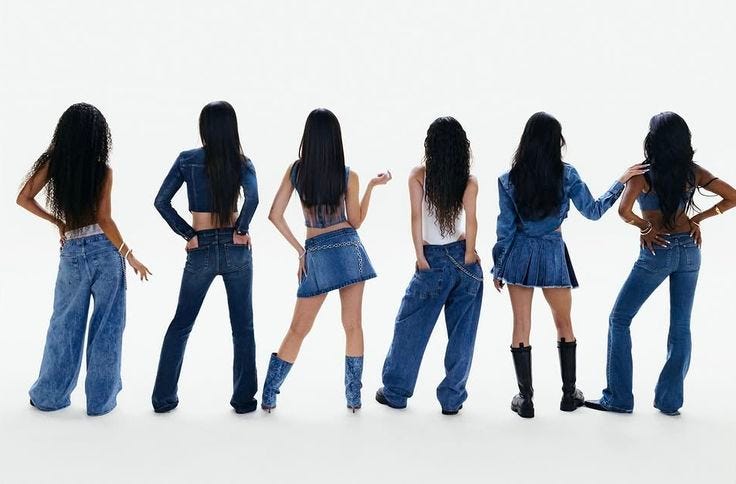
GAP Ads Featuring KATSEYE
The development of the advertising industry in the digital era no longer focuses solely on selling products. Advertisements now carry values, lifestyles, and even social issues that are widely discussed in society. One trend that has grown increasingly popular in recent years is femvertising, an advertising strategy that uses messages of women’s empowerment as its main appeal. Women are portrayed as independent, strong figures who dare to make their own choices and are free from old beauty standards. Many major brands such as Dove, Nike, and Always use this approach to build a positive image in the public eye.
However, behind the slogans of equality and women’s empowerment, an important question arises: do these advertisements truly support women’s struggles, or do they merely exploit feminist issues for business gain? This phenomenon is interesting because on one hand, femvertising is seen as progress in the representation of women in media, but on the other hand it has the potential to become a subtler new form of exploitation of women. Ultimately, advertising is never entirely neutral. It shapes society’s perspective on the body, beauty, lifestyle, and gender roles.
For a long time, women have been the main object in the advertising industry. In many conventional advertisements, women are often depicted as gentle, emotional figures who are dependent on men, or who merely serve as visual accessories. Women’s bodies are used as a tool to attract consumer attention. Even in products unrelated to women, the image of women is still used to increase an advertisement’s appeal. This condition shows how media has perpetuated gender stereotypes in society.
According to Drake (2017), media and the advertising industry have for years maintained a stereotypical and objectified depiction of women. Women are more often displayed as visual objects rather than as whole individuals. As a result, many women feel that the representations appearing in media do not reflect the reality of their daily lives. This is reinforced by research from Becker-Herby (2016), which states that the depiction of women in advertising has a real impact on how society views gender roles. Advertising is not merely entertainment — it is a medium capable of shaping social reality.
Amid criticism of sexist advertising, femvertising emerged as a new strategy. Femvertising brings the message that women do not have to meet certain standards to be considered beautiful or valuable. Campaigns such as Dove’s “Real Beauty” became a famous example that invites women to accept their bodies as they are. Advertisements of this kind are considered more relevant to the lives of modern women, who are increasingly aware of gender equality issues.
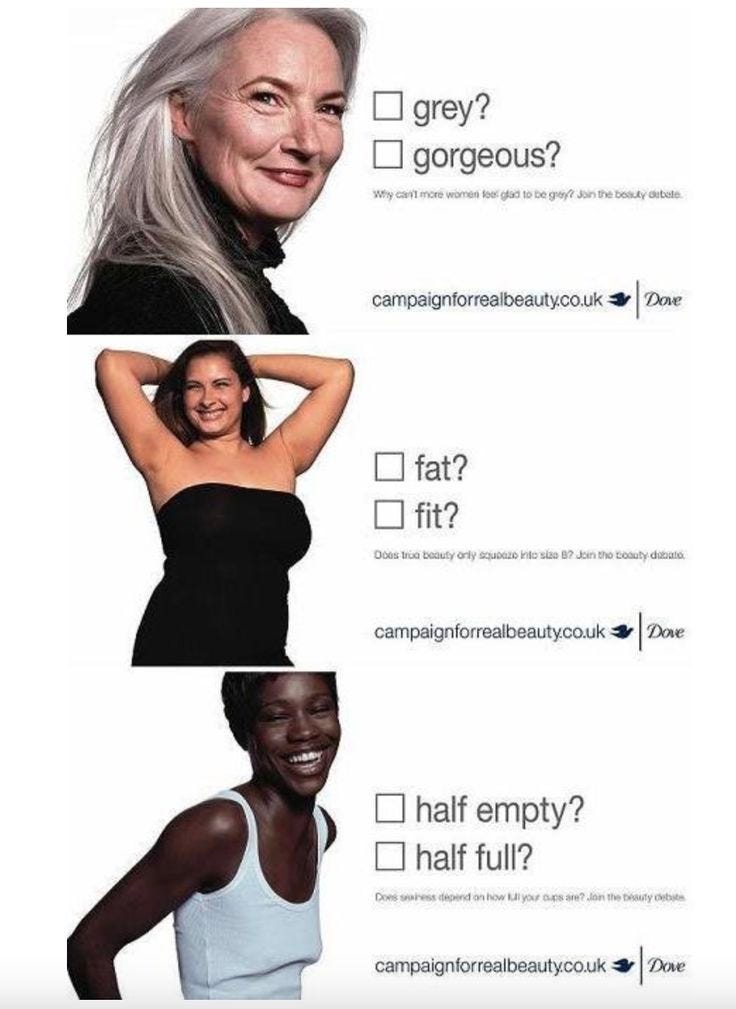
Dove campaign for “Real Beauty”
Research by Föhl et al. (2025) shows that femvertising is able to create a more positive emotional connection between consumers and brands. Consumers, especially young women, tend to respond well to advertisements that display messages of empowerment compared to traditional advertisements full of stereotypes. This shows that society is beginning to want more realistic and humane representations of women.
Even so, not all femvertising is genuinely sincere in fighting for women. Many companies simply use feminist issues as a marketing strategy because they realize today’s consumers are more drawn to brands that appear to “care” about social issues. Feminism then becomes a commodity sold to boost brand image and company profit. This is what makes femvertising often seen as a fatamorgana (mirage): it appears to support women, but in reality it remains oriented toward business interests.
This phenomenon is clearly visible in the beauty industry. Many beauty products carry slogans about self-love and women’s freedom, yet at the same time still impose certain beauty standards. Women are encouraged to feel confident, yet are still steered toward buying products in order to be considered beautiful. Indirectly, the advertisement still creates a sense of insecurity in women so that they continue to be consumers. Research by Lomyshorsfiledi and Fauzi (2025) explains that femvertising in Indonesia often sits between emancipation and exploitation. Many advertisements claim to support women, yet still use women’s bodies as visual objects for commercial purposes. The 2013 Avian Wood and Metal Paint (Cat Kayu dan Besi Avian) advertisement is an example of how women’s bodies were exploited to attract public attention, even though it was wrapped in a creative concept. This situation shows that gender bias in advertising has not actually disappeared — it has only changed into a more modern and disguised form.
Another, more recent example can be seen in the fashion industry, particularly the denim campaigns from American Eagle and GAP. In 2025, American Eagle launched a denim advertisement featuring young actress Sydney Sweeney with the slogan “Sydney Sweeney Has Great Jeans.” The campaign played on the words “jeans” and “genes,” referring to physical appearance and a person’s genetics. In the advertisement, Sydney is depicted with blonde hair and blue eyes, considered a representation of the ideal beauty standard. Although the company stated that the advertisement was merely a form of product promotion, many members of the public judged that the campaign indirectly revived an exclusive and racially biased standard of female beauty. This case shows that women are still often used as the main visual tool in the fashion industry’s marketing strategy.
On the other hand, GAP attempted to build a more inclusive image through a denim campaign featuring members of the global girl group Katseye as models — members who come from various racial backgrounds, body sizes, and cultural identities. This campaign was considered more representative of the diversity of modern women and received a positive response from part of the public. However, the public still questioned whether this approach was truly born out of concern for gender equality or was simply a branding strategy to make the brand appear more progressive to young consumers. This phenomenon shows that society has become increasingly critical of social messages in advertising and does not easily trust the empowerment slogans displayed by big brands.
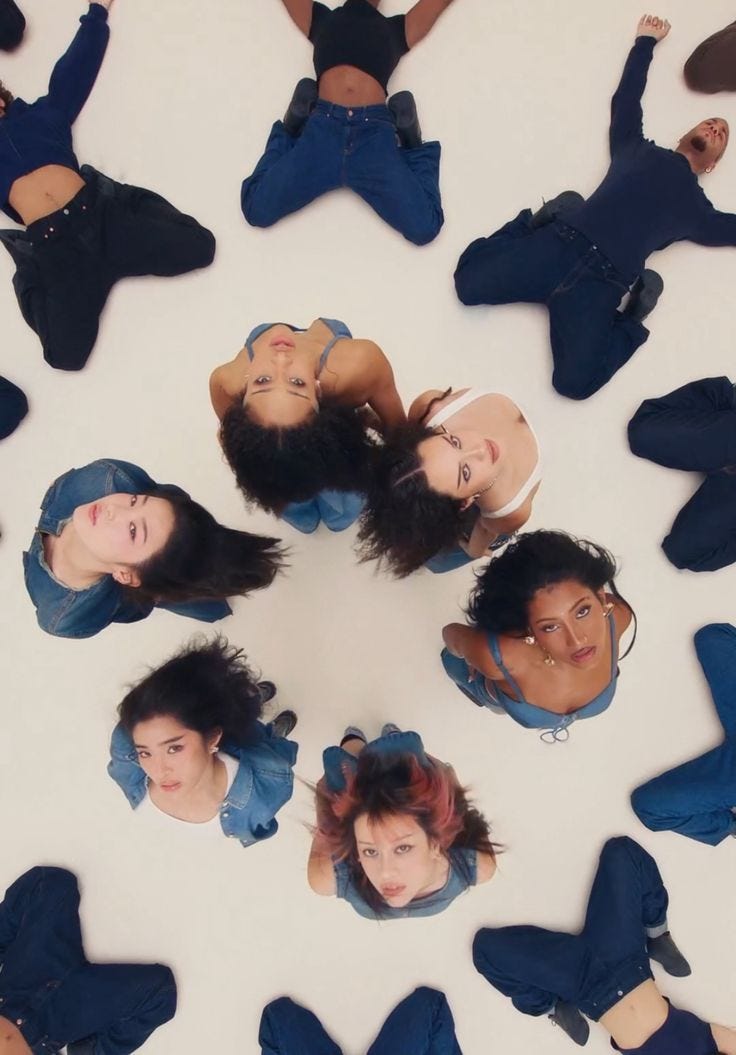
KATSEYE for GAP ads
In addition, social media has also reinforced inauthentic femvertising practices. Many brands create campaigns about women simply to follow digital trends without truly holding a commitment to gender issues. Buckley et al. (2024) found that Generation Z women have become more critical of femvertising. They do not only look at the message being conveyed, but also assess whether the brand is genuinely consistent in supporting women. When a brand is seen as only pretending to care, consumers actually feel cynical and disappointed.
This proves that society is increasingly aware that not all women’s empowerment campaigns truly stem from social concern. Many companies still maintain unfair labor practices toward women, while at the same time displaying advertisements themed around feminism. There is a contradiction between the message being conveyed and the reality the company practices. Feminism ultimately turns into a marketing style rather than a genuine social struggle.
On the other hand, it cannot be denied that femvertising has also brought some positive changes. Compared to advertisements from the 1980s or 1990s, which tended to depict women passively, today’s advertisements have begun to show women as active, independent individuals. Research by Odillia (2020) shows a change in the representation of women in body-care advertisements following the rise of the femvertising movement. Women are now more often shown as figures with life choices, careers, and the freedom to determine their own identity.
This change is important because media has a major influence on shaping popular culture. When society continues to see women depicted as strong and equal figures, public mindsets can gradually change as well. In this context, femvertising actually has the potential to become a medium of social education that encourages gender awareness. However, this potential will only be meaningful if it is carried out consistently and authentically, not merely for market gain.
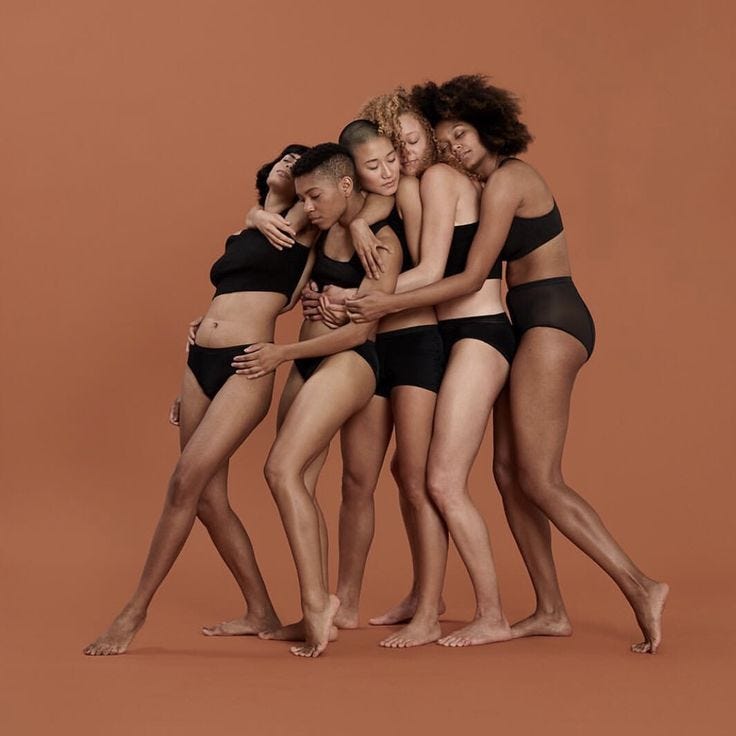
Therefore, society needs to be more critical when viewing advertisements themed around women’s empowerment. Not every message that appears progressive truly supports gender equality. Consumers must be able to distinguish between campaigns that genuinely drive social change and campaigns that merely exploit women’s issues as a branding tool. In addition, companies must also understand that today’s consumers are increasingly smart and capable of judging a brand’s sincerity.
In the end, femvertising presents two faces at once. On one hand, it opens new space for a more positive representation of women in media. But on the other hand, it also risks becoming a modern form of exploitation wrapped in the slogan of empowerment. When feminism is used only as a marketing strategy without real change in corporate culture or in perspectives toward women, then femvertising is nothing more than a fatamorgana. It looks beautiful and promising, but is in fact illusory.
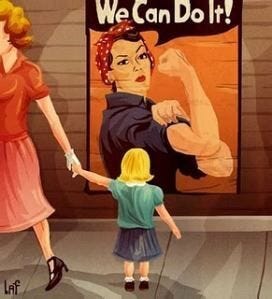
The struggle for gender equality should not stop at visually appealing advertisements. Women’s empowerment must be realized through real action, whether in the workplace, in media, or in broader social life. If not, then advertisements about strong women will only become a tool to sell products, while gender bias continues to live on behind the scenes of the industry itself.
메타데이터
- post_id
- 0f4299f89c93
- slug
- femvertising-or-fatamorgana-when-advertising-pretends-to-defend-women-0f4299f89c93
- url
- https://medium.com/@Simsamsungpaulpaulus/femvertising-or-fatamorgana-when-advertising-pretends-to-defend-women-0f4299f89c93
- canonical_url
- https://medium.com/@Simsamsungpaulpaulus/femvertising-or-fatamorgana-when-advertising-pretends-to-defend-women-0f4299f89c93
- author_url
- https://medium.com/@Simsamsungpaulpaulus
- status
- ok
- fetched_at
- 2026-08-01 15:43:35