The Hidden Cost of Excellence: Aid, Dependency and Africa’s Negotiating Power in a changing world
This week, I attended a Leadership for Social Impact Forum with speakers and participants from all over the world. The forum was a…
The Hidden Cost of Excellence: Aid, Dependency and Africa’s Negotiating Power in a changing world

This week, I attended a Leadership for Social Impact Forum with speakers and participants from all over the world. The forum was a brilliant leadership reset that had me thinking about myself, my leadership style and approach to leadership challenges. As someone who spends a lot of time leading and facilitating Leadership Development courses and programming, it was good to be on the other side as a participant.
The forum also made me think deeply about the development sector as most of the participants gathered worked in the sector and were discussing the issues and challenges they face daily. There were many compelling speakers but one that touched my heart mostly was Sona Jobarteh from The Gambia who spoke about the need for decolonisation in the development sector. She was one of the panelists on the session: The Power of Connection: Lessons Learned on Locally Led Development. She started off the session by urging us to think about what Locally Led Development is and what it costs those who are locally based (usually Global South) vs those who are global based (usually Global North). I found this session fascinating because it echoed many of my thoughts on what needs to change in the development sector. I have spent 15 years in the development space, mostly as a media and communications consultant focused on campaign development for Sexual Reproductive Health Rights, HIV/AIDs and Gender Based Violence (GBV). In various communication roles, I have facilitated conversations with vulnerable groups from women survivors of GBV, sex workers, refugees and asylum seekers and women and youth from mining affected communities. These were often people on the receiving end of the worst of whatever human crisis we were trying to deal with from extractive mining industry practices to patriarchy in the home and society. displacement and forced migration and climate change and adaptability.
For decades, African and other developing countries have been told to become “excellent” development partners — this meant learning to write the perfect proposal, align with donor priorities, speak the language of results frameworks, attend the global gathering side events, produce dashboards and absorb technical policy language. When all this was done, there was an expectation that there must be gratitude shown for funding even if it arrived late and didn’t cover the highest cost of engaging with human crisis, emotional labour.
The shutdown of USAID and the pulling out of funding from all things public health, SRHR, HIV/AIDS and other issues affecting mostly women has led to an opportunity for the development world. This is an opportunity to rethink and renegotiate development, how we frame it, our expectations of it and who we expect to do the labour and who we expect to get paid for the labour. The global development space still operates as a space with Global North funders and Global South “project beneficiaries”. Working in this space can place one in a difficult position as the local partner to a global organisation. Often the global office receives the funding and makes most of the disbursement decisions. These often don’t take into consideration the intricacies of local environments. During my work with various organisations we struggled with the same issues — we delivered amazing programming and had a great impact in the communities we worked in but often struggled with communicating the cost of that delivery and the gaps between the technical expectations set by funders and the reality on the ground. Many times we held community workshops with local mamas catering whose companies were not legally registered or compliant per the expectations of funders. We did this because these local mamas not the formally registered caterers were the trusted members and friends of the local movements we supported. When we raised the issue of the lack of compliance our partners would argue that this is the person that has been catering their meetings,long before funders came and they will not change that to suit our needs. We then had to work out a system of invoice issuing as a solopreneur and sending receipts for payments made. This work was important in our context but not budgeted for in project delivery timeframes or accounted for in project timelines. Our work became about engaging communities and delivering programme while also building compliance systems for donor and funder compliance needs.
Another issue that came up often was the issue of acces to data or a laptop to join the meeting. Before Covid, many meetings took place physically and were organised in community halls where everyone gathered to discuss. However, we would often have an online aspect to the meeting when trying to connect multiple climate affected or mining affected communities as part of our movement building for example. In these instances we would have to source a laptop from the local community and provide the data needed to connect to the internet so the different movements could engage across the countries and sometimes continents. This situation became even worse during Covid because neither we nor the community or movement leaders could physically move across the community to look for and find a laptop because of Covid lockdown restrictions in South Africa and the world. Suddenly we had to figure out how to ensure our community groups and movements had access to tablets or laptops to connect and meet. These had to be distributed across the country in the middle of Covid restrictions. These are items that were not budgeted for in the approved budget and while it was easy to do for projects with unrestricted funds, it was nearly impossible for projects with restricted funds where there was an amount per line item and it coud not be changed. We also had to ensure there was budget for data which they would use for the meetings and we had to send data amounts big enough to last for the month including the organisers own personal use to be digitally connected — the only lifeline during the Covid crisis. Where the budget did not allow for big data amounts we had to figure out and send data bundles per meeting so that they could join the different meetings.
This time of Covid really highlighted the hidden cost of excellence in development. Many countries and organisations were fluent in donor survival but not empowered in sovereign negotiation. We were constantly dealing with people based in economies where certain things worked that didn’t work in our context and certain things that didn’t work in their context worked in our contexts. There was a lot of negotiating needed to release funds to do the work as needed by the unfolding conditions on the ground vs as budgeted for. In Covid for example, we had to find a budget for Zoom, MS Teams, Miro, Canva and many other platforms to allow for programming to move from the physical world to the digital world. Sadly, these budgets didn’t exist and we had to fund individual tools from different projects but not every project had unrestricted funds.
Following the shut down of USAID, the whole development sector crashed as OECD preliminary data showed that development assistance from DAC members fell by 23.1% in 2025, the largest annual contraction on record. The United States has also moved aid into a more explicitly “America First” posture. Future U.S. assistance has been described as “targeted and limited. The whole development sector has shifted monumentally between Covid and now, but the shift has been for the worse rather than for the better. Organisations now have to do more with less with even more restrictions on the funding that does exist. Many organisations that previously had a full staff complement are running on a skeleton staff with consultants filling most of the roles as operational costs are not accounted for — only programme delivery costs are covered. This sometimes means, idosynchracies like a project having funding for a community dialogue facilitator but no funding for the tools that will be needed to communicate about the work done on social media and other digital platforms.
The visible story: aid as generosity
The public story of aid is simple — wealthy countries help poorer countries. Donors fund health, education, food security, gender equality, democracy, climate adaptation, humanitarian relief and institutional capacity. Aid has saved lives — it has funded vaccines, HIV treatment, humanitarian response, civil society infrastructure, research, gender justice work and emergency food systems. However — the visible story hides a second story, aid is a system of power.
Funders and donors decide who is fundable, which human crises — globally and locally are fundable. Funders and donors also decide who gets invited into negotiation rooms, whose evidence counts, whose crises are urgent. These decisions are often taken by people far removed from the realities of the crisis in communities.
Right now, there are discussions of development reform but the conversations are still led by Global North funders with little involvement and engagement of Global South implementers or affected communities. Global South people are at the mercy of Global North funders who decide which countries are good partners worth funding and which countries — despite crisis are not good partners. This reduces human crisis in to two categories — real crisis that is fundable and therefore gets dealt with and real crisis that is not fundable and continues to destroy people and lives. The current approach of the US for example that they will fund countries public health in return for health data from the country for example, speaks to this. In Kenya, civil society moved fast and took the government to court for agreeing on terms that would lead to zero data sovereignity in the country but not all countries in the Global South have Kenya’s civil society capacity. We have moved from development support to development surveillance and countries, ministries, NGOs and multilateral agencies are rewarded for being reliable, compliant, measurable, articulate, grateful, available, technically polished and non-threatening. Those who dare pushback are experiencing the worst funding crisis. As Global South countries and implementers — we are stuck in a quagmire — countries and organisations have to figure out how to be legible and compliant and legible to Global North funders in order to deal with human crisis and survive. This has to be done while fighting for data and other sovereignty otherwise we will be forced to sell everything in return for Aid. This is despite some of these crises like climate change, mainly emanating from over consumption in the Global North, while leading to floods and environmental degradation in Global South countries that consume little.
Aid dependency is not simply the fact of receiving aid but is a deeper problem when core social systems become organised around external funding cycles rather than domestic social contracts. This produces various problems e.g. policy priorities shift toward fundability where a ministry, NGO or programme may know what communities need, but rather shape its work around what donors are currently willing to finance.
This also leads to a second crisis where planning becomes short-term and based on funding cycles. Public systems run on three-year grants which leads many pilot projects but weak institutional infrastructure and internal capacity at government or local NPO level. The third crisis is that accountability is displaced. Instead of governments accounting to the people who voted for them and NGO accounting to the communities they are meant to partner with, governments and NGOs focus on reporting to donors and meeting donor requirements more than the needs of those they serve. In this environment technical language excludes ordinary members of society from understanding their own countries’ development plans. Technical language based on donor legibility replaces political clarity. Words like resilience, localisation, gender mainstreaming, capacity building and sustainability become a professional dialect that excludes some while also hiding unresolved questions of power, land, extraction, debt, trade, taxation and sovereignty. Lastly, dependency becomes moralised with the same system that helped produce fiscal and institutional dependence later framing dependent countries as irresponsible, corrupt or inefficient when they cannot replace lost funding overnight.
It’s time for a new development system and agenda with Global South led reforms. The old development questions was how do we make poor countries more fundable? The new question must be What would global development look like if countries did not have to perform dependency in order to access justice?
The hidden cost of excellence in development is that countries and NPOs must learn to behave like the perfect scholarship recipient — obedient, grateful, polished, high-performing, emotionally contained, always proving they deserve support. This has to change though because countries are not charity cases and communities are not project sites. Global health systems cannot be bargaining chips for access to data that serves the interests of some (Global North) nations over those of some (Global South) nations. African data and African minerals cannot be compensation for donor funding. Global South civil society cannot be cheap implementation labour and multilateralism cannot be optional decoration. The future of development needs true partnership between Global North and Global South countries because humanity is bound together. Overconsumption in the Global North becomes climate crisis and floods in the Global South. Public health crisis not solved in the Global South , become Global North health crises. We need a development sector based on fair negotiation, reparative finance, public systems, equitable multilateral agreements, democratic accountability and the right of developing countries to enter the room not as beneficiaries, but as co-authors of the global order.
Did this article connect to you? Let me know in the comments and lets discuss!
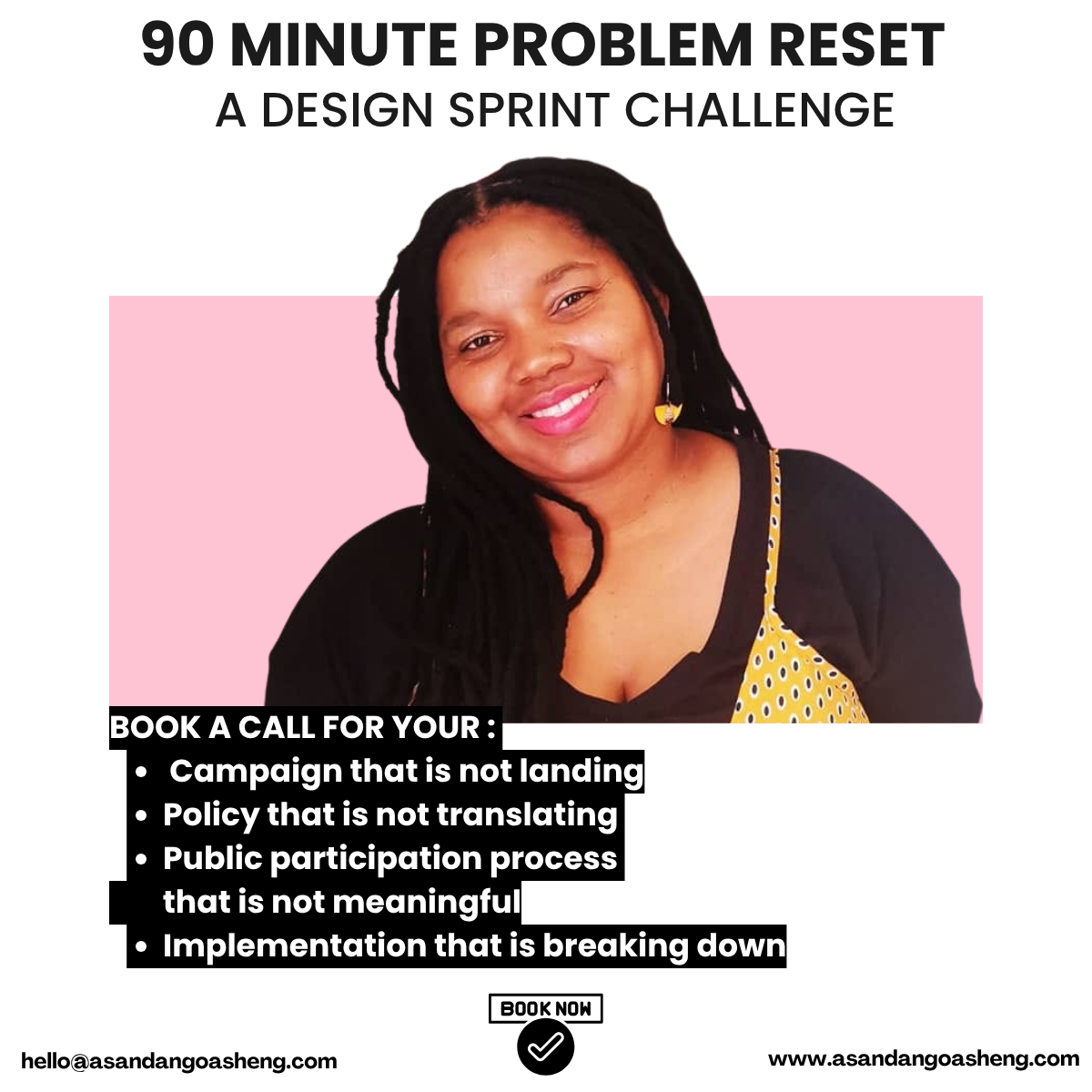
Are you in the development sector looking to design campaigns, programmes, policies etc?
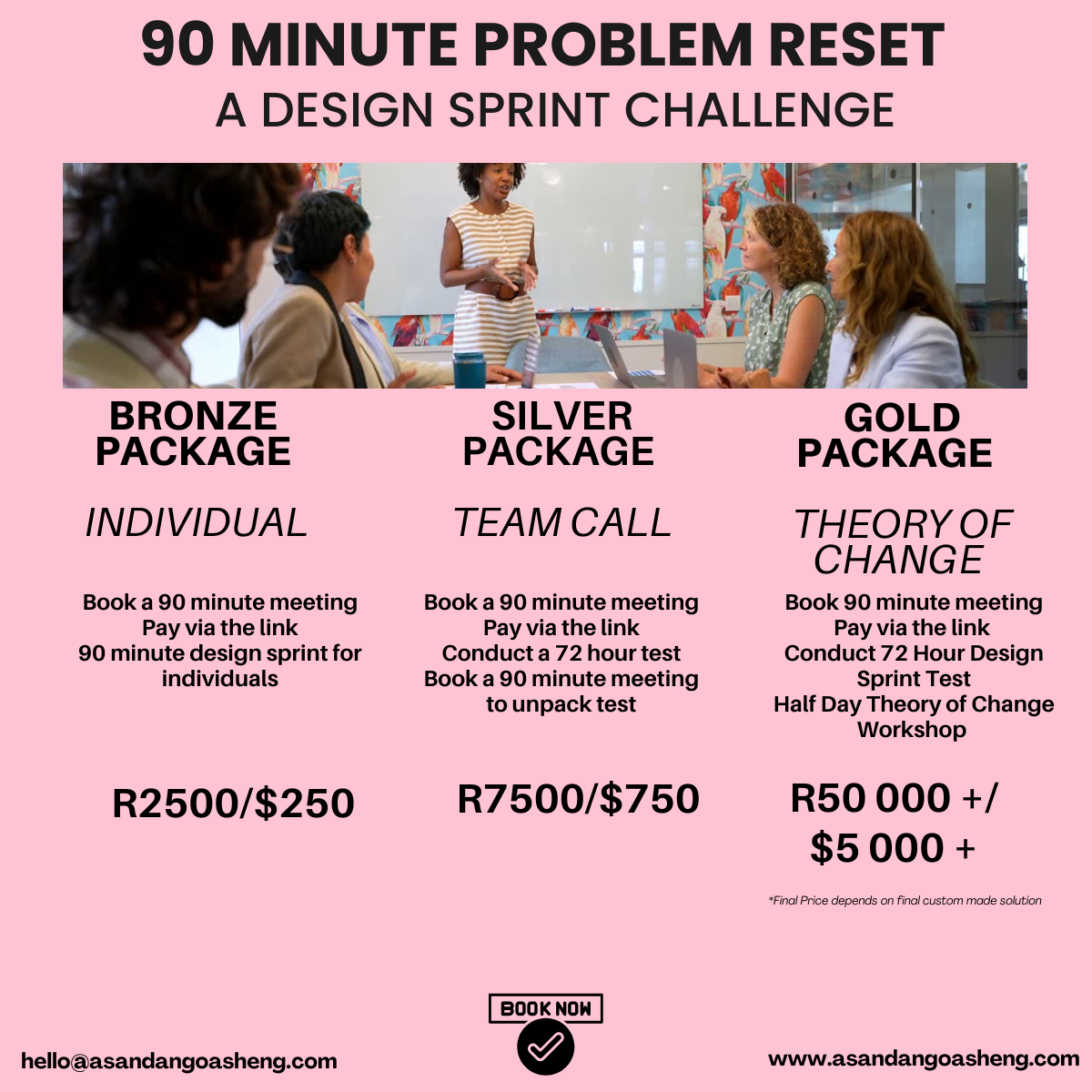
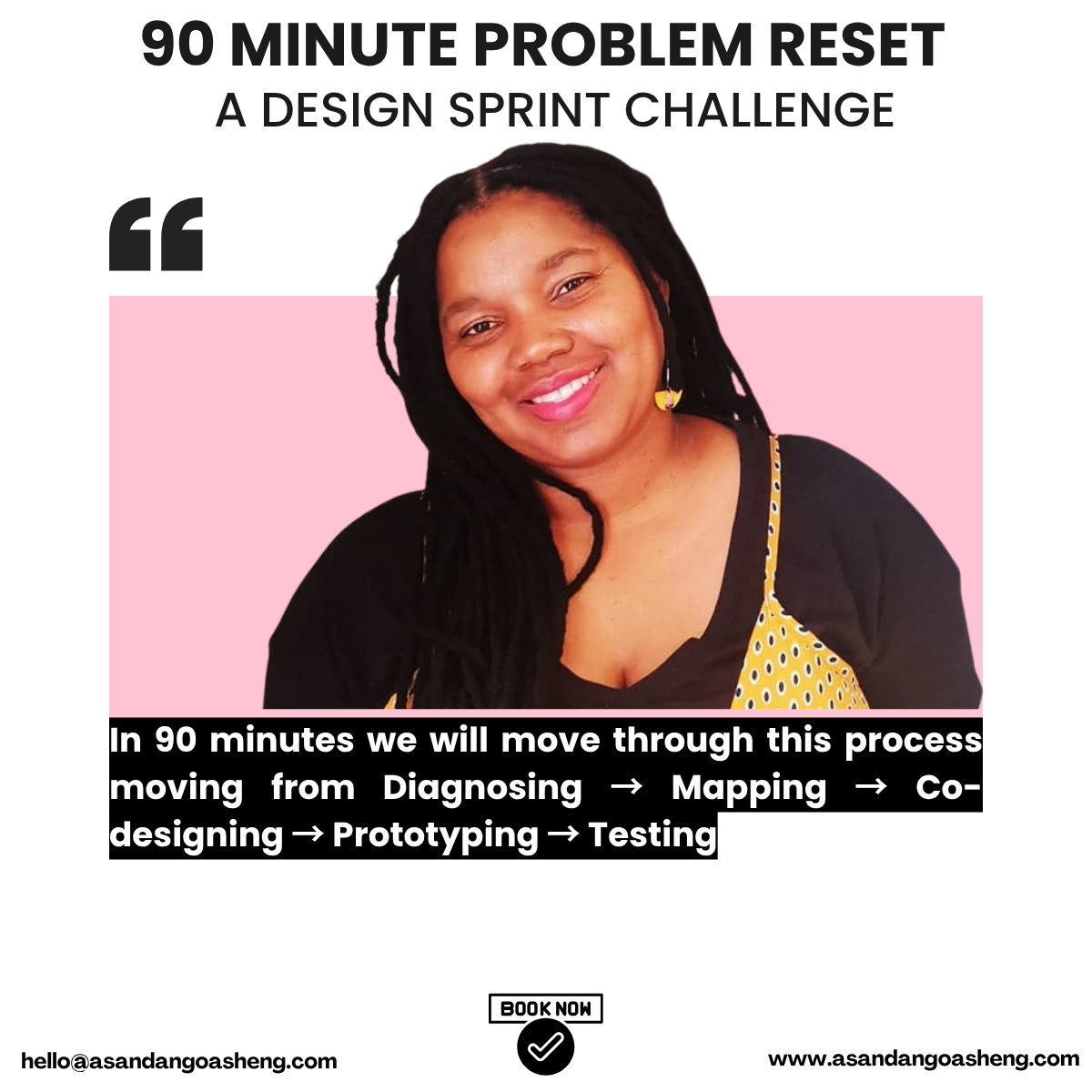
Reach out and let’s discuss how I can support you with my Problem Design Reset! See details below
메타데이터
- post_id
- 0f593096dd03
- slug
- the-hidden-cost-of-excellence-aid-dependency-and-africas-negotiating-power-in-a-changing-world-0f593096dd03
- url
- https://medium.com/@asandangoasheng/the-hidden-cost-of-excellence-aid-dependency-and-africas-negotiating-power-in-a-changing-world-0f593096dd03
- canonical_url
- https://medium.com/@asandangoasheng/the-hidden-cost-of-excellence-aid-dependency-and-africas-negotiating-power-in-a-changing-world-0f593096dd03
- author_url
- https://medium.com/@asandangoasheng
- status
- ok
- fetched_at
- 2026-07-10 15:46:15