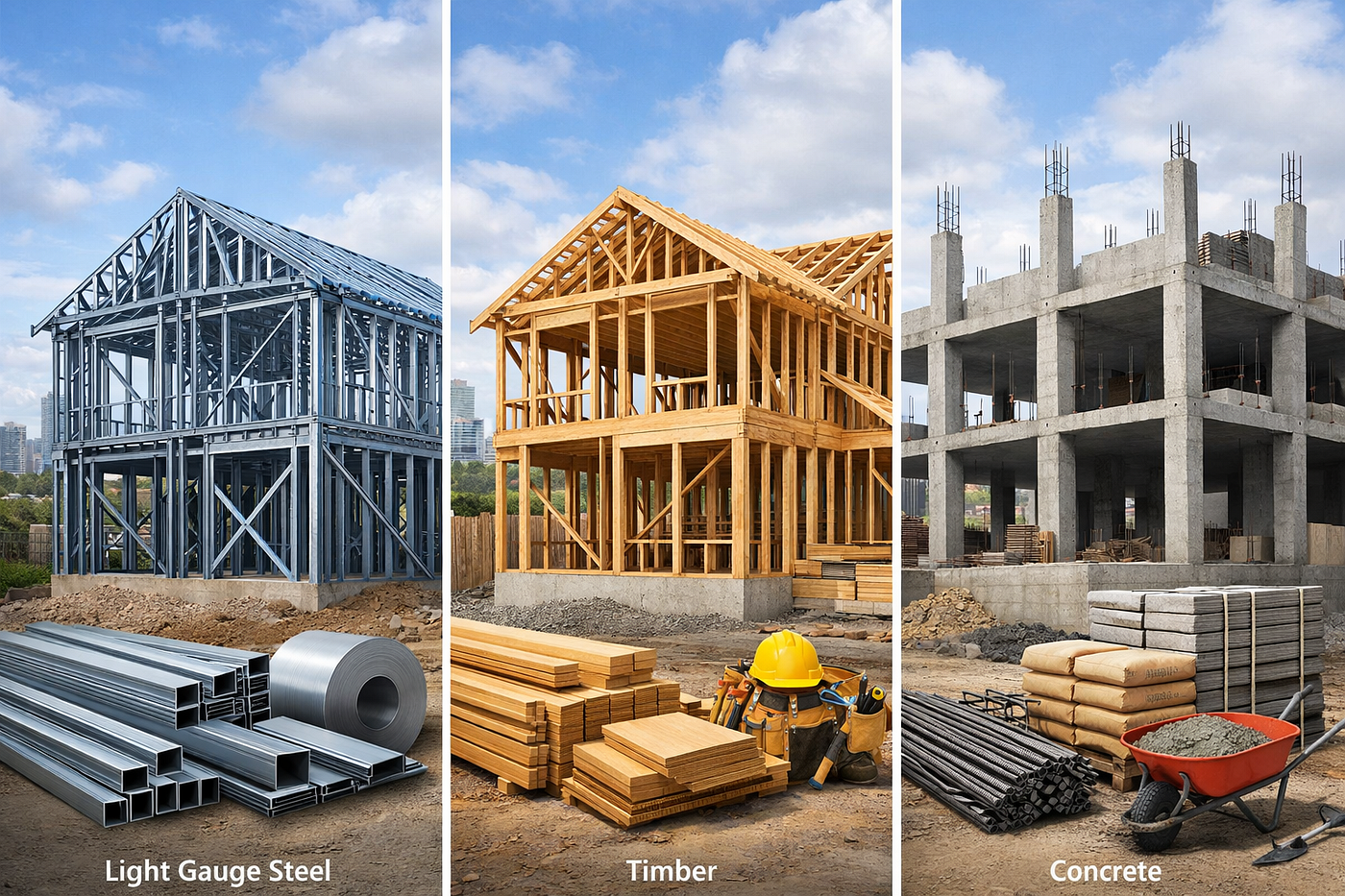
SMART FACILITY MANAGEMENT THROUGH BIM HANDOVER MODELS FOR LIGHT GAUGE STEEL BUILDINGS
The construction industry is rapidly evolving, and Building Information Modeling (BIM) is playing a key role in reshaping how facilities…
SMART FACILITY MANAGEMENT THROUGH BIM HANDOVER MODELS FOR LIGHT GAUGE STEEL BUILDINGS

The construction industry is rapidly evolving, and Building Information Modeling (BIM) is playing a key role in reshaping how facilities are planned, constructed, and managed. In Light Gauge Steel (LGS) projects, BIM goes far beyond design and construction — it becomes a valuable resource for long-term facility management. As buildings grow more sophisticated and operational demands increase, the transition from project delivery to day-to-day building operations has become increasingly important. This handover stage is where BIM models move from the construction team to facility managers, providing them with a reliable digital record of the building. When executed effectively, a BIM handover delivers accurate, up-to-date information that helps facility teams maintain assets, streamline operations, plan preventive maintenance, and make informed decisions throughout the building’s lifecycle. The result is fewer unexpected issues, improved efficiency, reduced maintenance costs, and greater longevity for the facility and its components.
Understanding BIM Handover in Light Gauge Steel Construction
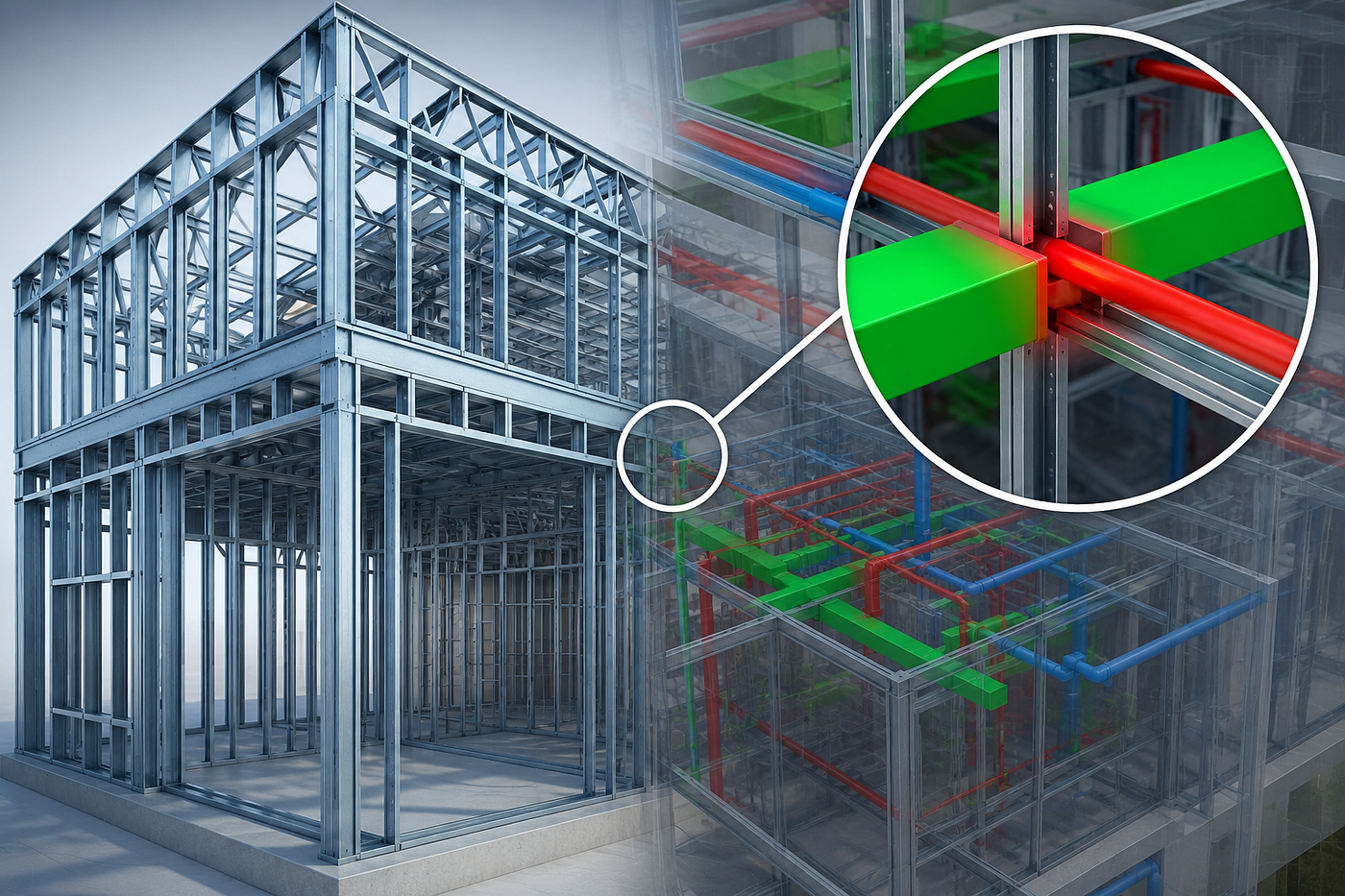
A BIM handover model acts as a vital link between project completion and long-term facility management. In light gauge steel (LGS) construction, these models provide a comprehensive digital record of the building, capturing detailed information about structural components, connections, framing systems, and MEP integrations. Unlike traditional handover documents that can become outdated or difficult to access, BIM handover models offer a centralized, data-rich resource that remains useful throughout the building’s lifecycle.
The value of BIM handover is particularly significant in LGS projects, where accuracy and coordination are essential. Every steel stud, track, joist, bracket, and fastener can be digitally documented with key information such as material specifications, load capacities, manufacturer details, installation dates, and maintenance requirements. This level of transparency enables facility managers, owners, and maintenance teams to make informed decisions, streamline repairs, and plan future modifications with greater confidence and efficiency.
Key Components of a BIM Handover Model
- As-built models and verified construction data
- Material specifications and product information
- Preventive maintenance schedules and guidelines
- Warranty documentation and supplier contacts
- Equipment manuals and operational instructions
The Strategic Value of Structured Handover Models
Operational Efficiency Structured handover models give facility managers immediate access to essential building information, removing the need to sift through paper records or outdated documents. Asset details, equipment specifications, and maintenance histories are available in one place, allowing quicker troubleshooting, faster response times, and more confident decision-making during routine operations or emergencies.
Cost Reduction Reliable as-built data helps prevent expensive errors during renovations, upgrades, and maintenance activities. Teams can accurately plan projects, source the right replacement components, and avoid unnecessary site investigations or repeat inspections. By improving efficiency and reducing rework, BIM-enabled handovers can lower overall facility management costs by 15–30%.
Asset Longevity With complete visibility into building assets and systems, facility teams can move from reactive repairs to proactive maintenance. Structured BIM models support predictive maintenance planning, enabling potential issues to be identified and addressed before they escalate. This approach improves system performance, minimizes downtime, and significantly extends the lifespan of steel structures and critical building components.
Essential Steps for an Effective BIM Handover
A successful BIM handover for light gauge steel (LGS) projects starts well before project completion. It requires careful planning, accurate data management, and close collaboration among all project stakeholders to ensure long-term operational value.
Define Requirements Early Establish BIM handover requirements at the beginning of the project. Identify the information facility managers will need, define the required Level of Development (LOD), and specify data standards and formats. An Employer’s Information Requirements (EIR) document helps set clear expectations for all deliverables.
Maintain Accurate Models Keep the BIM model updated throughout the construction phase. Record design revisions, site modifications, material substitutions, and as-built conditions as they occur. A structured change management process ensures the digital model remains an accurate representation of the completed structure.
Populate Asset Information Enrich the model with detailed asset data for every component and system. Include manufacturer details, warranty information, maintenance schedules, operating procedures, and product specifications. Linking manuals and vendor contacts directly to model elements improves future facility management and maintenance efficiency.
Validate and Deliver Perform comprehensive quality checks before handover. Verify model accuracy, confirm data completeness, and test compatibility with facility management software. Provide end-user training to ensure facility teams can confidently access, navigate, and utilize the BIM model throughout the building’s lifecycle.
Critical Data Requirements for Light Gauge Steel Systems
Light gauge steel (LGS) projects rely heavily on accurate and well-structured BIM handover models. Because steel framing systems are highly interconnected and manufactured with precision, facility teams need more than just geometric data. Every steel component should include detailed information that supports efficient maintenance, inspections, and long-term asset management.
Organizations such as Consac, with expertise in architectural, engineering, and digital solutions, recognize the value of embedding rich data throughout the design and construction process. A comprehensive BIM model not only streamlines project delivery but also helps reduce operational costs, improve decision-making, and enhance building performance over its lifecycle.
Structural Information Member sizes, steel gauges, material grades, load capacities, connection details, and structural analysis data to support future assessments and modifications.
Installation Records Erection sequences, installation dates, field adjustments, inspection documentation, and as-built photographs that provide a clear construction history.
Manufacturing Data Fabricator details, production records, quality certifications, coating specifications, and traceability information to ensure accountability and compliance.
Maintenance Information Inspection schedules, protective system details, corrosion monitoring areas, maintenance guidelines, and replacement procedures to support long-term building performance.
Technology Integration and Software Considerations
A successful BIM handover depends not only on accurate data but also on the technology used to manage and access it. Since facility management teams often work with different software than designers and contractors, ensuring smooth data exchange is critical. Choosing the right standards, file formats, and digital platforms helps maintain accessibility, usability, and long-term value of building information throughout the asset lifecycle.
1. COBie Data Standards
Construction Operations Building Information Exchange (COBie) provides a structured and universally recognized format for transferring asset and maintenance data. By organizing critical equipment information, warranties, and operational details in a standardized way, COBie enables facility managers to import and use building data efficiently across various facility management systems.
2. IFC File Formats
Industry Foundation Classes (IFC) support seamless collaboration by allowing BIM data to be shared between different software applications. As an open and vendor-neutral standard, IFC ensures that building information remains accessible long after project completion, protecting owners from software dependency and improving long-term data usability.
3. Cloud-Based Platforms
Cloud-enabled BIM platforms provide secure, real-time access to project information from anywhere. These systems simplify collaboration through centralized data storage, version control, and user management. They also support integration with smart building technologies, sensors, and automation systems, helping create a connected digital twin for ongoing facility operations.
4. Mobile Accessibility
Maintenance and operations teams increasingly rely on mobile devices to access building information in the field. Mobile-friendly BIM applications allow technicians to view drawings, equipment details, and maintenance records directly at the point of service. This instant access improves decision-making, reduces errors, and increases efficiency during inspections and maintenance activities.
Common Challenges and Practical Solutions
While BIM handover offers significant advantages, organizations often face challenges during implementation. Recognizing these issues early and applying practical solutions can help ensure a smooth and successful transition from construction to facility operations.
Data Overload Challenge: BIM models often contain large amounts of information, making it difficult for facility teams to find what they actually need. Solution: Organize and filter data according to facility management requirements. Develop customized views, dashboards, and reports that provide relevant information for day-to-day operations.
Incomplete Models Challenge: As-built model updates are frequently delayed or overlooked during project closeout, resulting in inaccurate handover information. Solution: Include model updates as a mandatory project deliverable. Establish clear responsibilities, schedule regular updates, and link final project approval to the submission of verified as-built models.
Software Compatibility Issues Challenge: Facility management platforms may not support the native file formats used by design and construction teams. Solution: Define software and data exchange requirements at the start of the project. Adopt open standards such as IFC and COBie to improve interoperability and ensure seamless information transfer between systems.
Moving Forward: Building a Smarter BIM Handover Strategy
BIM handover is transforming the way light gauge steel facilities are managed and maintained. Instead of relying on static documents, owners and facility teams gain access to intelligent digital models that support building operations throughout the asset’s lifecycle. Achieving this level of success requires collaboration among owners, designers, contractors, and facility managers, all working toward a common goal of efficient, data-driven facility management.
Establish Clear Standards from Day One
Create a detailed BIM Execution Plan (BEP) at the start of the project. Define information requirements, model standards, deliverables, responsibilities, and file formats early to ensure consistency and reduce confusion throughout the project lifecycle.
Involve Facility Managers Early
Bring operations and maintenance teams into the planning process from the beginning. Their practical insights help determine which asset data is valuable, how information should be organized, and what will support long-term facility performance.
Prioritize Training and Adoption
Equip facility personnel with the knowledge and skills needed to use BIM tools effectively. Ongoing training ensures teams can access, interpret, and maintain digital asset information, maximizing the value of the handover model.
The future of facility management is connected, intelligent, and proactive. For light gauge steel projects, where precision, coordination, and long-term performance are critical, BIM handover models provide a powerful operational advantage. By following these best practices, project teams can deliver facilities that are easier to manage, more cost-effective to maintain, and better prepared for future challenges. The real opportunity is not deciding whether to adopt BIM handover, but taking the necessary steps today to fully leverage its benefits and remain competitive in a rapidly advancing construction industry.
메타데이터
- post_id
- 0f7cc68be9d0
- slug
- smart-facility-management-through-bim-handover-models-for-light-gauge-steel-buildings-0f7cc68be9d0
- url
- https://medium.com/consights/smart-facility-management-through-bim-handover-models-for-light-gauge-steel-buildings-0f7cc68be9d0
- canonical_url
- https://medium.com/consights/smart-facility-management-through-bim-handover-models-for-light-gauge-steel-buildings-0f7cc68be9d0
- author_url
- https://medium.com/@srijanichatterjee21
- status
- ok
- fetched_at
- 2026-06-10 14:03:00