Defective Doll Syndrome: When Adoptees Feel Like Broken Playthings
Toy That Stays Silent
Defective Doll Syndrome: When Adoptees Feel Like Broken Playthings
Toy That Stays Silent
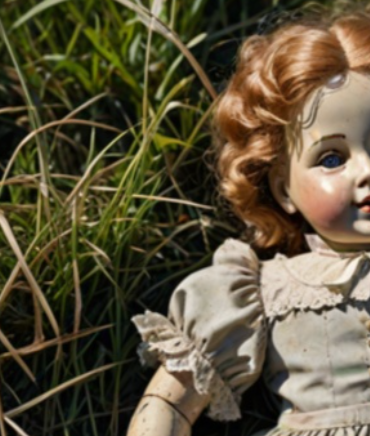
A child receives a doll as a gift. The child dresses the doll, names it, and expects it to sit quietly. The doll holds no opinion about its clothes, never asks where it came from, never demands to see its box or original manufacturer.
Closed adoption treats children the same way. Adopters receive an unrelated infant. They dress the baby in chosen outfits and give it their preferred name. They expect the child to sit quietly, perform gratitude, and ignore their unknown past. The original box, the sealed file, stays hidden.
Defective from the Start
A doll that arrives with a cracked face or a missing limb gets called defective. The store may accept a return. The buyer may ask for a different doll, and the defective one gets sent back or thrown away.
Adoptees absorb this same message before they have words for it. Someone returned them. Someone gave them away. Something about them was broken or unwanted.
That dark feeling arrives early and stays late. The adoptee grows up waiting for the next person to notice the crack and send them back.
Performance of Ownership
Doll play requires a one-sided relationship. The owner acts, and the doll receives. The owner speaks; the doll stays silent. Any doll that talked back, refused a dress, or demanded to know its origins would stop being a doll.
Adoptees who ask hard questions become difficult. Those who search for birth families become ungrateful. Those who refuse to perform the happy adoptee role break the script.
The adopters wanted a doll, but the adoptee turned out to be a person. The syndrome says the person is the defective one.
Shelf Where Dolls Wait
Dolls sit on shelves until someone plays with them. Agency belongs to the owner alone. They move only when someone picks them up. They wait passively for attention.
Adoptees often describe feeling like they waited on a shelf. Not chosen because of who they were, but assigned and placed because they were available.
Adopters wanted a fresh baby, any baby. The adoptee happened to be the one in the display case at that moment. The syndrome whispers: you could have been anyone. It is all random and impersonal. You were only picked because the agency offered you up at that time.
Finding the Original Box
Adoptees who search for their origins seek something the syndrome denies them. The original box. The manufacturer’s label. The name of the person who made them. The story of where they came from before they were propped on the shelf.
Society and adopters often resist this action. “Why do you need to know? We are your family now. The past is past.” The doll should feel thankful for its new home.
But dolls lack pasts. People carry histories. The adoptee who searches is no broken doll. They are a person reclaiming their authentic story, the one others tried to erase.
Crack That Needs No Fixing
Defective Doll Syndrome tells the adoptee they arrived broken. The truth runs the other direction.
The adoption system broke something that was whole. A newborn was torn from its mother. A sealed file erased a real name. A falsified certificate pretended a birth that truly never happened. This person did not crack on their own. The system applied the pressure.
Those who understand this distinction stop searching for a repair kit. The crack becomes evidence of what happened, not proof of worth. The syndrome loses its power when the adoptee names the real source of the damage.
Breaking the Syndrome
Defective Doll Syndrome ends when the adoptee puts an end to all performances. They stop pretending to be the quiet, grateful recipient of someone else’s charity. They ask hard questions and demand that sealed files open.
Most adopters want a complacent, moldable doll. But that is not what they get. They receive a real human being, and that person’s needs and human rights outweigh the ‘family’s’ comfort.
Adoptees who break the syndrome, who wake up to the reality of the situation they were forced into, become more real. A genuine person rather than a plaything. A real voice instead of a silent receiver. A true history where a blank slate once sat.
The syndrome demands silence and gratitude. The adoptee chooses truth instead.
메타데이터
- post_id
- 0f80db54f857
- slug
- defective-doll-syndrome-when-adoptees-feel-like-broken-playthings-0f80db54f857
- url
- https://medium.com/@ms567/defective-doll-syndrome-when-adoptees-feel-like-broken-playthings-0f80db54f857
- canonical_url
- https://medium.com/@ms567/defective-doll-syndrome-when-adoptees-feel-like-broken-playthings-0f80db54f857
- author_url
- https://medium.com/@ms567
- status
- ok
- fetched_at
- 2026-06-10 08:17:25