International SEO: How to Track Keyword Rankings Accurately
When I first started working with SEO, I believed keyword rank tracking was one of the easiest parts of the job. Pick a few keywords, check…
International SEO: How to Track Keyword Rankings Accurately
When I first started working with SEO, I believed keyword rank tracking was one of the easiest parts of the job. Pick a few keywords, check where they rank, and repeat the process every week. It sounded simple enough.
That assumption changed when I worked on a website targeting customers in multiple countries. The rankings I saw in one location looked completely different from those in another. A keyword performing exceptionally well in one market barely appeared in search results elsewhere. Even switching from desktop to mobile produced different results.
It quickly became clear that keyword rankings are far more dynamic than many people realize.
There Is No Single “True” Ranking
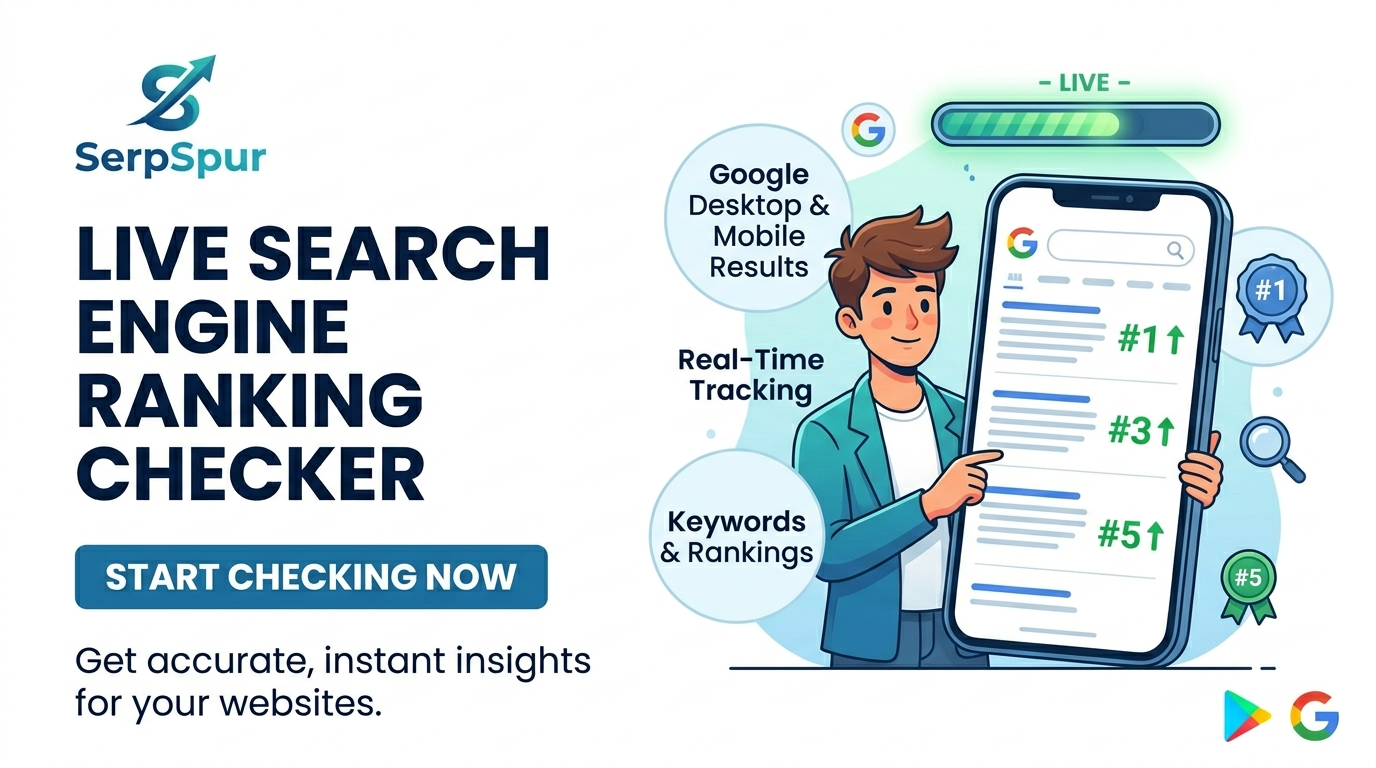
Search engines personalize and localize results in many ways. Factors such as geographic location, search language, device type, and even the search engine itself can influence where a webpage appears.
For example, a page may:
- Rank in the top three on desktop searches.
- Drop significantly on mobile devices.
- Perform well in one country but struggle in another.
- Show different visibility across multiple search engines.
Looking at only one version of the search results can create a misleading picture of your SEO performance.
Why International SEO Requires Better Insights
For businesses targeting multiple countries or languages, tracking rankings from a single location isn’t enough.
Localized ranking data helps answer important questions such as:
- Which regions generate the strongest organic visibility?
- Are mobile users seeing the same results as desktop users?
- Which markets need additional content optimization?
- Where are competitors gaining an advantage?
Without location-specific insights, it’s easy to make optimization decisions based on incomplete information.
Small Ranking Changes Can Have Big Consequences
One lesson I learned is that rankings can change quickly. Algorithm updates, competitor activity, seasonal trends, and content changes all influence search visibility.
Monitoring rankings regularly makes it easier to identify:
- Sudden keyword drops
- Gradual improvements
- Regional performance differences
- New keyword opportunities
Detecting these changes early allows SEO teams to respond before traffic is significantly affected.
Think Beyond Average Rankings
Average ranking reports can hide valuable insights. A keyword averaging position eight globally might actually rank first in one country while barely appearing in another.
Breaking performance down by location, language, and device provides a much clearer understanding of how users experience your website.
This approach also helps prioritize optimization efforts where they can deliver the greatest impact.
Building a Smarter SEO Strategy
Effective SEO isn’t just about improving rankings — it’s about understanding where those rankings exist and who is seeing them.
Whether you’re managing a local business, an international brand, or a multilingual website, accurate rank tracking provides the context needed to make informed decisions.
Instead of relying on a single snapshot, evaluate keyword performance across multiple markets, devices, and search environments. The more complete your data, the more confident your SEO strategy becomes.
Final Thoughts
Keyword rankings are no longer one-size-fits-all. Search results change based on location, language, device, and user context, making accurate tracking essential for modern SEO.
By monitoring rankings from multiple perspectives, businesses can identify opportunities, respond to performance changes faster, and build strategies based on real search visibility rather than assumptions.
In SEO, better decisions begin with better data.
메타데이터
- post_id
- 0f97e76ed59b
- slug
- international-seo-how-to-track-keyword-rankings-accurately-0f97e76ed59b
- url
- https://medium.com/@vocoye5200/international-seo-how-to-track-keyword-rankings-accurately-0f97e76ed59b
- canonical_url
- https://medium.com/@vocoye5200/international-seo-how-to-track-keyword-rankings-accurately-0f97e76ed59b
- author_url
- https://medium.com/@vocoye5200
- status
- ok
- fetched_at
- 2026-08-11 11:20:55