Medium Is No Longer Working for You. It’s Working for Itself.
What happened to your reach and earnings in 2025, and why it will keep happening
Medium Is No Longer Working for You. It’s Working for Itself.
What happened to your reach and earnings in 2025, and why it will keep happening

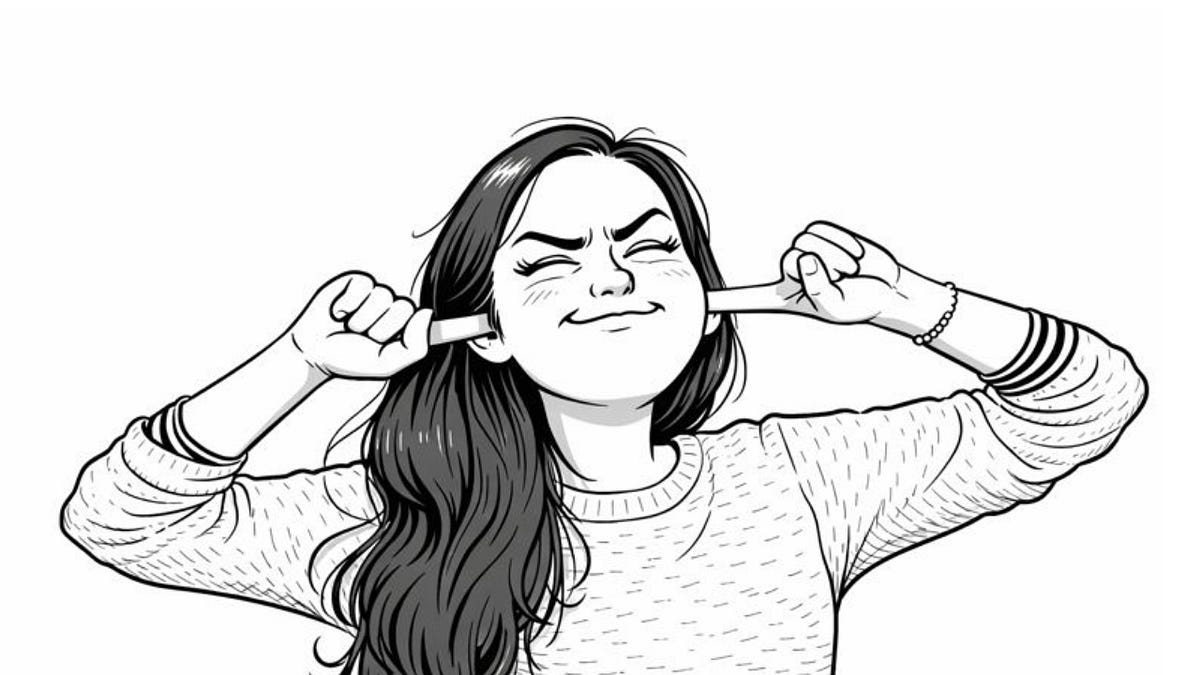
The platform feels solid, until you notice the cracks. — image created with Nano Banana.
If your Medium income dropped last year, you probably already have a theory. Algorithm change. New competition. A bad month.
Here’s a different theory: it’s not temporary.
What happened to your reach and your earnings in 2025 was not a glitch. It was not bad luck. It was the platform doing what platforms eventually do. Once you see the pattern, it becomes very hard to unsee.
There’s a name for it: enshittification. Cory Doctorow coined the term to describe how platforms begin by serving users, then shift to serving business customers, and eventually extract as much value as possible from everyone involved. What looks like decay from the outside is actually optimization. The platform is working exactly as intended. Just not for you.
How It Happens
In the early stages, a platform needs writers. It competes on generosity. Low friction, high visibility, the sense that effort and reward move in the same direction.
As it grows, that changes.
The platform has to balance readers, writers, investors, and paying partners. Algorithms evolve. Not to surface the best work, but to optimize for engagement and revenue. Reach becomes conditional. The relationship between what you put in and what you get out starts to break down.
Then comes the phase Doctorow describes as extraction. The platform no longer primarily serves its users. It serves itself. The degradation is gradual, which is what makes it hard to see clearly while you’re inside it.
There is also a structural trap built into all of this. Your audience gathers on the platform. Your work accumulates there. Your visibility becomes tied to that environment. Leaving carries real cost. And because leaving is hard, the platform can keep adjusting the terms — slowly, without triggering the kind of mass exit that would force a change.
Growth leads to monetization. Monetization leads to maximization. And maximization, eventually, leads to a writer wondering why a piece they worked hard on disappeared without explanation.
What It Does to Your Writing
The reach problem is visible. The income problem is measurable. But there’s a third consequence that’s easier to miss.
You start adjusting before you publish. You second-guess ideas that feel too personal, too niche, too unlike what seems to get traction. Without fully noticing it, your writing becomes a little safer. A little more aligned with what the system appears to reward. A little less yours.
That’s the quiet cost. Not the drop in views, but the slow drift away from the writing you actually wanted to do.
The Optimization Trap
The natural response is to study the system. Figure out what works. Adjust headlines, structure, topics. And for a while, it helps.
But the more closely you align your work with the platform’s logic, the more dependent you become on it. And because the platform keeps changing — because maximization is a moving target — you end up chasing something that never stabilizes. What works this month may stop working next month, not because your writing changed, but because the algorithm did.
It is, as I eventually realized, like trying to build on moving ground.
A Different Question
At some point I stopped asking how to grow on Medium and started asking what role Medium should play in what I’m building.
That question changed things.
Medium is good at discovery. Readers find work there that they would not have found otherwise. That is genuinely valuable. But discovery is not the same as foundation. A platform that controls your visibility, your reach, and increasingly your income is not infrastructure. It is dependency.
When I started treating Medium as one channel among several, rather than the place where everything depended, something shifted. Not in my stats. In how I thought about the work. Publishing there felt like a choice again, not a bet.
What Ownership Actually Means
For a writer, owning your work is not an abstract principle. It is something practical.
It means having a space where your writing lives independently of algorithmic decisions. It means building a direct relationship with readers that does not require a third party to permit it. It means that when the platform shifts — and it will shift — you still have something that is yours.
Platforms like Medium can still be useful in that picture. But useful in the way a road is useful: you drive on it, you don’t live on it.
Final Thought
The drop in reach. The inconsistency. The sense that the rules keep changing without announcement.
That is not a personal failure. It is a predictable feature of how platforms evolve.
Once you see it clearly, the goal changes. You stop trying to win the platform on its own terms. You start building something that doesn’t depend on the platform staying the same.
Which, as it turns out, it never does.
메타데이터
- post_id
- 0fc67e132702
- slug
- medium-is-no-longer-working-for-you-its-working-for-itself-0fc67e132702
- url
- https://medium.com/@pvgool/medium-is-no-longer-working-for-you-its-working-for-itself-0fc67e132702
- canonical_url
- https://medium.com/@pvgool/medium-is-no-longer-working-for-you-its-working-for-itself-0fc67e132702
- author_url
- https://medium.com/@pvgool
- status
- ok
- fetched_at
- 2026-06-11 17:55:54