The Design of Entrepreneurship: Crafting a Successful Business Venture
**The Design of Entrepreneurship: Crafting a Successful Business Venture**
The Design of Entrepreneurship: Crafting a Successful Business Venture
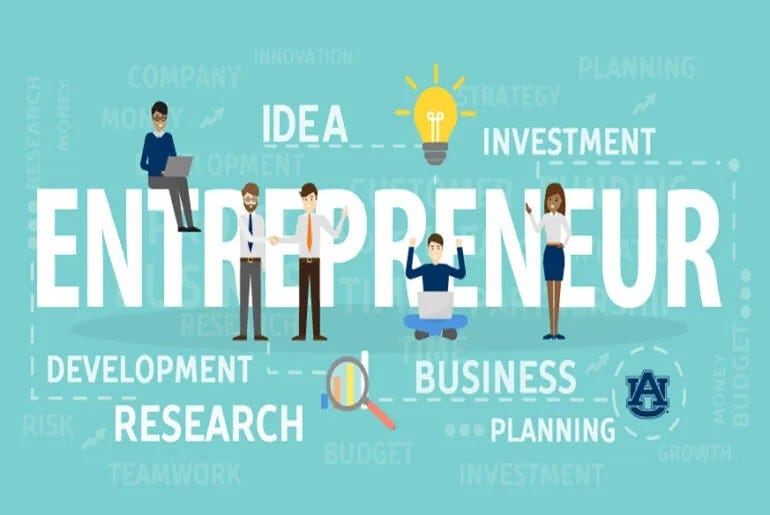
The Design of Entrepreneurship: Crafting a Successful Business Venture
Entrepreneurship is the engine that drives innovation, economic growth, and societal progress. But what many fail to realize is that entrepreneurship, much like any great invention or product, requires thoughtful design. From the concept stage to execution, successful entrepreneurs follow a strategic process of problem-solving, creativity, and planning. This article delves into the concept of “entrepreneurship design” — the structured approach to building and scaling a business.
What is Entrepreneurship Design?
Entrepreneurship design refers to the process of systematically creating a business model that meets customer needs, solves real-world problems, and adapts to changing market conditions. At its core, it’s about designing a business that is scalable, sustainable, and innovative.
Just as a UX designer focuses on crafting a seamless user experience, an entrepreneur must design every aspect of the business — from product development to customer interaction, financial models, and growth strategies. It’s a balance between creativity and practicality, ensuring that ideas not only solve problems but are also viable in the marketplace.
Key Elements of Entrepreneurship Design
- Problem Identification and Solution Design The foundation of any successful entrepreneurial venture is solving a real problem. Entrepreneurs need to design a product or service that directly addresses a gap or inefficiency in the market. This begins with thorough research to understand customer pain points and unmet needs.
A well-designed solution is not just innovative but also user-friendly, practical, and capable of evolving with changing demands. Entrepreneurs often start by asking key questions: — What problem am I solving? — How does this solution improve the current situation for the user? — Is this solution scalable and sustainable?
- Business Model Design A brilliant idea without a sustainable business model won’t survive. Business model design involves structuring the business to ensure profitability and long-term success. Popular frameworks like the Business Model Canvas or Lean Startup methodology help entrepreneurs design how their venture will operate.
Important factors include: — Revenue streams: How will the business make money? — Value proposition: What makes your product or service unique? — Cost structure: How much will it cost to run the business, and where can efficiencies be gained? — Customer segments: Who are you serving, and how will you reach them?
- Brand and Experience Design Designing a brand that resonates with customers is crucial. The brand encompasses not just the visual identity — logo, colors, and typography — but also the voice, tone, and personality of the business. A strong brand fosters trust and loyalty, making it easier to connect with the target audience.
Alongside the brand is customer experience (CX) design, which ensures that every interaction between the customer and the business is positive and consistent. From website navigation to customer support and packaging, experience design should leave a lasting impression and encourage repeat business.
- Product and Service Design The design of a product or service is the backbone of entrepreneurship. It needs to deliver on the value proposition while also being functional, reliable, and appealing to the target market. Entrepreneurs often prototype their ideas, test them with users, and iterate until they achieve the optimal solution.
In today’s fast-paced market, agile development and design thinking play vital roles in product design. These methodologies allow entrepreneurs to adapt to feedback quickly, launch minimal viable products (MVPs), and continuously improve based on customer needs and market trends.
- Market Strategy and Distribution Design Even the best product won’t succeed without a well-designed go-to-market strategy. This involves selecting the right channels for reaching the customer base and ensuring efficient product or service delivery. Entrepreneurs must also consider how they will position their product in the market, differentiate from competitors, and build long-term customer relationships.
Strategies may involve: — Digital marketing (SEO, social media, and content marketing) — Partnerships and collaborations — Retail vs. eCommerce distribution — Subscription models or direct-to-consumer strategies
The Role of Design Thinking in Entrepreneurship
Design thinking is a key framework in entrepreneurship design. It’s a human-centered, iterative approach to problem-solving that encourages entrepreneurs to focus on users' needs. It consists of five stages:
- Empathize: Understand the user’s needs through research and observation.
- Define: Clearly articulate the problem based on user insights.
- Ideate: Generate a wide range of ideas and potential solutions.
- Prototype: Create simple models of the most promising ideas.
- Test: Gather feedback and refine the product or service based on real-world data.
This cycle repeats until the entrepreneur arrives at a solution that works well for both the user and the business. The flexibility of design thinking makes it especially useful in today’s unpredictable market landscape.
Scaling and Growth Design
Once an entrepreneurial venture takes off, designing a growth strategy becomes critical. Scaling a business requires careful planning, ensuring that operations, resources, and finances can support increased demand without compromising quality. Entrepreneurs must consider: — Operational efficiency: Streamlining processes to handle larger volumes. — Financial scalability: Ensuring cash flow, investments, and profitability grow in line with business expansion. — Customer acquisition and retention: Developing long-term relationships and maintaining high customer satisfaction. — Hiring and culture design: Building a team that supports growth while maintaining the core values and culture of the company.
Growth design also involves constantly revisiting and refining the original business model to adapt to new opportunities and challenges.
Entrepreneurship and Innovation
At the heart of entrepreneurship design lies innovation. Successful entrepreneurs not only respond to current market demands but also anticipate future needs and trends. By continuously investing in research, development, and creative thinking, they can stay ahead of the curve and design groundbreaking solutions that disrupt traditional industries.
Conclusion
Entrepreneurship design is a multifaceted process that blends creativity, strategy, and problem-solving. It’s about more than just coming up with a great idea — it’s about designing every aspect of a business to meet customer needs and ensure sustainable growth. By focusing on problem identification, business model innovation, brand development, and customer experience, entrepreneurs can design ventures that not only survive but thrive in competitive markets.
메타데이터
- post_id
- 0ff2fa352840
- slug
- the-design-of-entrepreneurship-crafting-a-successful-business-venture-0ff2fa352840
- url
- https://medium.com/@monermd2004/the-design-of-entrepreneurship-crafting-a-successful-business-venture-0ff2fa352840
- canonical_url
- https://medium.com/@monermd2004/the-design-of-entrepreneurship-crafting-a-successful-business-venture-0ff2fa352840
- author_url
- https://medium.com/@monermd2004
- status
- ok
- fetched_at
- 2026-07-07 03:40:08