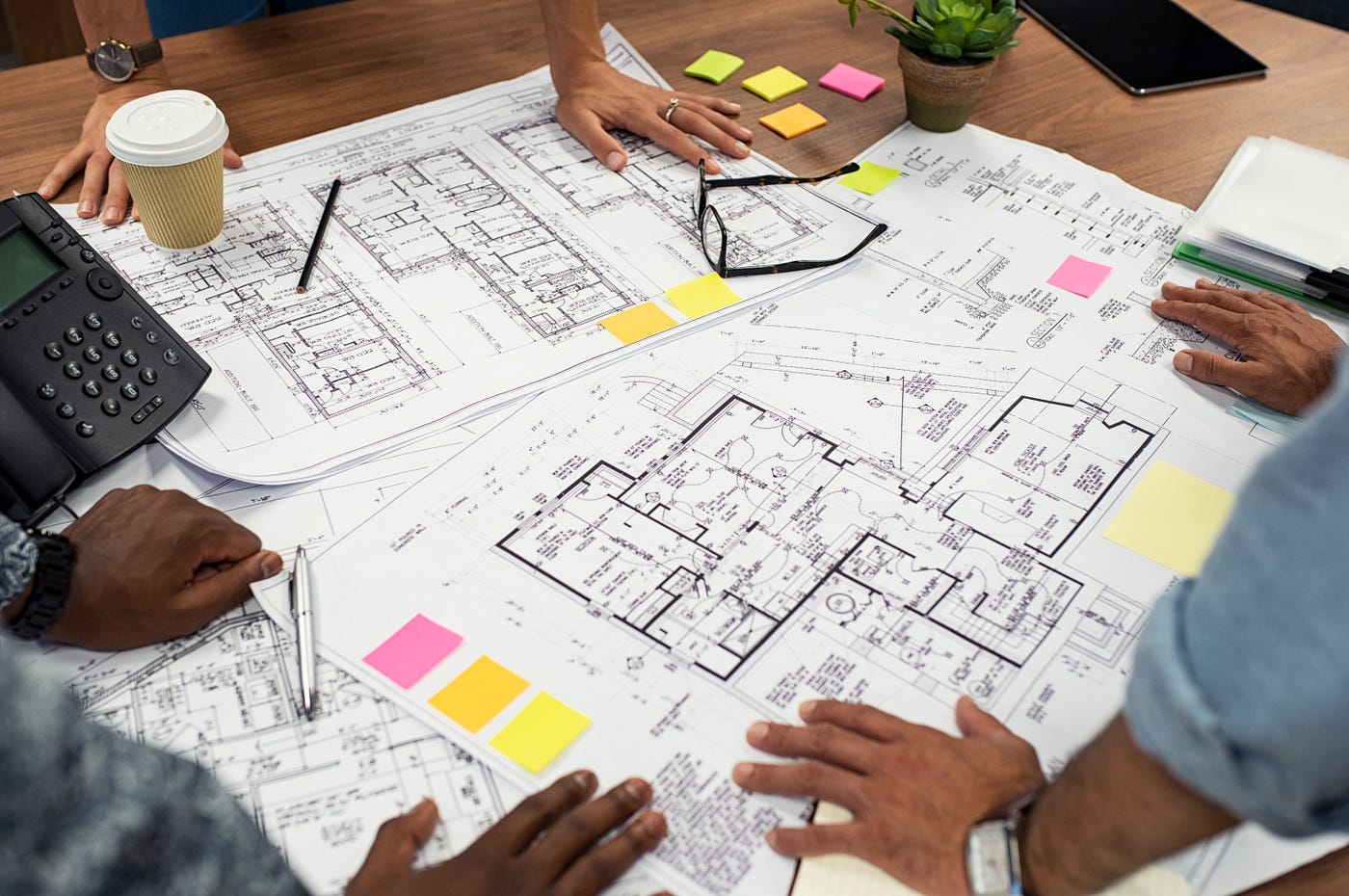
How to Improve Energy Efficiency Through MEP Design.
Introduction: Why MEP Design is the Backbone of Energy Efficiency
How to Improve Energy Efficiency Through MEP Design.
Introduction: Why MEP Design is the Backbone of Energy Efficiency
In modern construction, energy efficiency is no longer optional it is a core requirement driven by rising energy costs, climate change concerns, and stricter building regulations. One of the most critical yet often underappreciated contributors to building performance is **MEP design**, which stands for Mechanical, Electrical, and Plumbing systems.
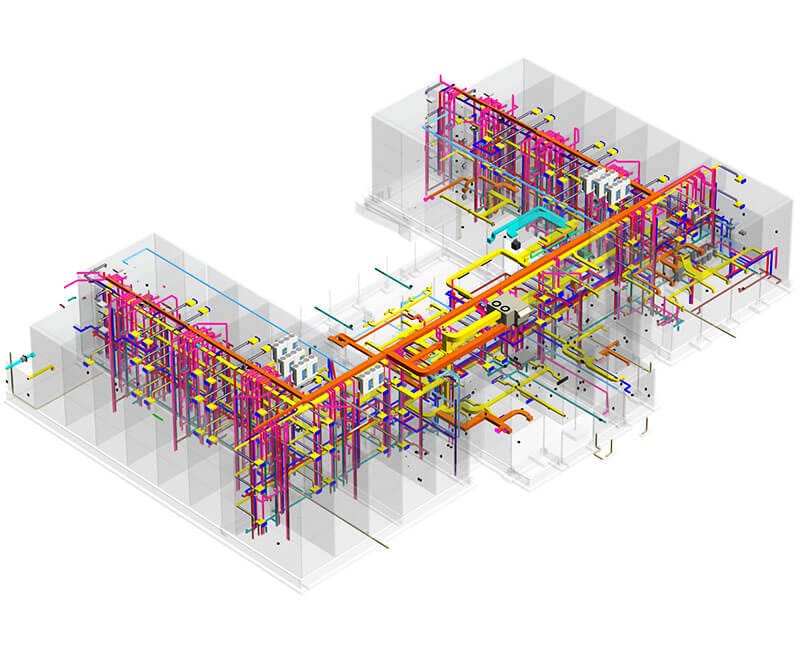
MEP systems account for a significant portion of a building’s total energy consumption often between 40% to 60% in commercial buildings. This means that optimizing MEP design is one of the most effective ways to reduce energy usage, lower operational costs, and improve sustainability performance, and MVN Engineering Service provides professional MEP design services focused on delivering energy-efficient, cost-effective, and sustainable building solutions.
In this comprehensive guide, we will explore how energy efficiency can be improved through intelligent MEP design strategies, including HVAC optimization, lighting systems, renewable integration, smart controls, and water efficiency systems.
1. Understanding MEP Systems in Building Design
Before diving into optimization strategies, it is important to understand what MEP systems include: mechanical systems like HVAC, electrical systems for power and lighting, and plumbing systems for water supply and drainage.
1.1 Mechanical Systems (HVAC)
Mechanical systems mainly include:
- Heating, Ventilation, and Air Conditioning (HVAC)
- Air distribution systems
- Chillers, boilers, and cooling towers
- Exhaust and smoke control systems
HVAC systems alone can consume 30–50% of a building’s total energy usage, making them the most critical component for efficiency improvements.
1.2 Electrical Systems
Electrical systems include:
- Power distribution
- Lighting systems
- Emergency power systems
- Renewable energy integration (solar, wind)
- Building automation systems
1.3 Plumbing Systems
Plumbing systems include:
- Water supply and drainage
- Hot water systems
- Rainwater harvesting
- Water recycling systems
Efficient plumbing reduces both water consumption and energy required for heating and pumping.
2. Importance of Energy Efficiency in MEP Design
Improving energy efficiency in MEP design offers several benefits:
Reduced Operational Costs Energy-efficient systems significantly lower electricity and fuel bills by reducing energy wastage, optimizing system performance, improving equipment efficiency, and ensuring that resources are used only when and where they are needed.
Environmental Sustainability Reduced carbon emissions help achieve green building certifications like LEED and IGBC by improving sustainability performance, lowering environmental impact, and meeting global energy efficiency standards.
Improved Occupant Comfort Well-designed systems maintain optimal temperature, humidity, and air quality to ensure occupant comfort, health, productivity, and consistent indoor environmental performance.
Regulatory Compliance Many countries now require energy-efficient building designs as part of building codes to reduce energy consumption, improve sustainability, and support environmental protection goals.
Increased Asset Value Green-certified buildings often have higher market value and rental demand due to sustainability appeal.
3. Energy Efficient HVAC Design Strategies
HVAC is the largest energy consumer in most buildings. Improving its efficiency has the biggest impact by reducing overall energy usage, lowering operating costs, enhancing system performance, and significantly improving building sustainability outcomes.
Right-Sizing HVAC Equipment Oversized systems waste energy due to frequent cycling. Proper load calculations ensure:
- Accurate cooling/heating capacity
- Reduced energy consumption
- Longer equipment lifespan
Use of High Efficiency Chillers Modern chillers with high COP (Coefficient of Performance) can reduce energy use by up to 30% by improving cooling efficiency, lowering operating costs, optimizing system performance, and enhancing overall HVAC system reliability and sustainability.
Variable Refrigerant Flow (VRF) Systems
- Zone-based cooling/heating
- Reduced energy waste
- Better temperature control
Demand-Controlled Ventilation (DCV)
Using CO₂ sensors, ventilation adjusts based on occupancy:
- Lower airflow when spaces are unoccupied
- Significant energy savings in offices and malls
Energy Recovery Ventilators (ERV) ERV systems reuse energy from exhaust air to condition incoming fresh air, reducing HVAC load efficiently by improving thermal exchange, lowering energy consumption, enhancing ventilation efficiency, and maintaining stable indoor air quality and thermal comfort throughout occupied spaces.
Smart Thermostats and BMS Integration
- Automated scheduling
- Real-time monitoring
- Predictive maintenance
4. Electrical System Optimization for Energy Efficiency
Electrical systems offer major opportunities for reducing energy waste through efficient lighting, smart controls, optimized power distribution, and integration of renewable energy sources.
LED Lighting Systems Replacing traditional lighting with LED reduces energy consumption by 50–80% by improving energy efficiency, extending lifespan, lowering maintenance costs, and significantly reducing heat generation in buildings.
Benefits:
- Longer lifespan
- Lower heat generation
- Reduced maintenance costs
Daylight Harvesting Sensors adjust artificial lighting based on natural daylight availability, reducing energy consumption, improving lighting efficiency, and maintaining consistent indoor visual comfort levels.
Occupancy Sensors Lights automatically turn off in unused areas such as:
- Meeting rooms
- Restrooms
- Storage areas
Power Factor Correction
- Lower electricity bills
- Improved system performance
Energy Efficient Transformers Low-loss transformers reduce energy wastage during power distribution by improving electrical efficiency, minimizing heat losses, and ensuring stable and reliable power delivery.
Renewable Energy Integration Solar photovoltaic systems can significantly offset grid electricity usage by generating clean renewable energy on-site, reducing dependency on fossil fuels and lowering overall electricity costs.

5. Smart Building Automation Systems (BMS)
A Building Management System (BMS) is one of the most powerful tools for improving energy efficiency in MEP design.
Centralized Monitoring
BMS allows real-time monitoring of:
- HVAC systems
- Lighting systems
- Energy consumption
- Water usage
Predictive Maintenance AI-powered systems detect faults before they become major issues, reducing energy waste by enabling predictive maintenance, improving equipment efficiency, minimizing downtime, and optimizing overall building performance through real-time monitoring and intelligent system diagnostics.
Automated Scheduling
- Turn off lights after working hours
- Adjust HVAC based on occupancy patterns
Energy Analytics Detailed dashboards help engineers identify inefficiencies and optimize performance.
6. Sustainable Plumbing Design Strategies
Plumbing systems also contribute to energy efficiency through water conservation, efficient hot water delivery, reduced pumping energy, and optimized system design for sustainable performance.
Low Flow Fixtures
- Faucets
- Showerheads
- Toilets
Greywater Recycling Systems Greywater from sinks and showers can be reused for:
- Irrigation
- Flushing systems
Rainwater Harvesting Reduces dependency on municipal water supply and lowers pumping energy by efficiently managing water resources, promoting reuse systems, and minimizing unnecessary water consumption.
7. Passive Design Integration with MEP Systems
Energy efficiency is not just about mechanical systems; it starts with architecture through smart design choices like orientation, insulation, shading, and natural ventilation strategies that reduce heat gain, improve comfort, and minimize energy demand.
Building Orientation Proper orientation reduces heat gain and cooling load by minimizing direct solar exposure, improving natural shading, and enhancing overall building thermal performance and energy efficiency.
Insulation and Thermal Barriers High-quality insulation reduces HVAC demand by limiting heat transfer, maintaining stable indoor temperatures, improving energy efficiency, and decreasing overall heating and cooling requirements.
Natural Ventilation Reduces dependency on mechanical cooling systems by promoting natural ventilation, passive design strategies, shading techniques, and improved building envelope efficiency.
8. Use of Energy Modeling and Simulation
Energy modeling tools help engineers predict and optimize building performance before construction by simulating energy use, identifying inefficiencies, improving design decisions early, reducing operational costs, enhancing sustainability, and ensuring better energy-efficient MEP system integration.
Building Information Modeling (BIM) BIM integrates architectural and MEP data for:
- Clash detection
- Energy analysis
- System optimization
Thermal Simulation Tools
- Heat gain/loss
- HVAC load requirements
- Lighting efficiency
9. Renewable Energy Integration in MEP Design
Renewable energy is essential for achieving net-zero energy buildings by supplying clean, sustainable power that offsets total building energy consumption and reduces carbon emissions.
Solar Photovoltaic Systems
- Lighting systems
- HVAC auxiliary loads
- Water pumps
Wind Energy Systems In certain locations, small-scale wind turbines can supplement energy needs by generating renewable electricity, reducing grid dependence, and supporting overall building energy efficiency and sustainability goals.
Hybrid Energy Systems Combining solar, battery storage, and grid power ensures energy reliability by balancing supply, storing excess renewable energy, and providing continuous power during peak demand or outages.
10. Energy Efficient Material Selection
Materials used in construction affect MEP system efficiency by influencing thermal performance, heat transfer rates, insulation effectiveness, indoor comfort levels, and overall energy consumption of mechanical, electrical, and plumbing systems.
Reflective Roofing Materials Reduce heat absorption and cooling loads by reflecting solar radiation, improving building envelope performance, enhancing insulation, and minimizing unwanted heat transfer into indoor spaces.
Low-E Glass Windows Reduce heat transfer while allowing natural light by using high-performance glazing systems, low-emissivity coatings, and advanced window technologies that improve thermal insulation and daylighting efficiency.
Eco-Friendly Insulation Materials like mineral wool and foam insulation improve thermal performance by reducing heat transfer, enhancing energy efficiency, maintaining indoor comfort, and lowering heating and cooling loads.
Conclusion:
Improving energy efficiency through MEP design is one of the most impactful strategies in modern construction. From HVAC optimization and smart lighting to renewable energy integration and intelligent automation, every aspect of MEP systems plays a role in reducing energy consumption. As buildings evolve into smarter, more connected ecosystems, MEP engineers will play a crucial role in shaping sustainable cities. The key lies in combining technology, design intelligence, and sustainability principles to create buildings that are not only functional but also energy-efficient and environmentally responsible.
메타데이터
- post_id
- 0ff72f077cf9
- slug
- how-to-improve-energy-efficiency-through-mep-design-0ff72f077cf9
- url
- https://medium.com/@mepinsight/how-to-improve-energy-efficiency-through-mep-design-0ff72f077cf9
- canonical_url
- https://medium.com/@mepinsight/how-to-improve-energy-efficiency-through-mep-design-0ff72f077cf9
- author_url
- https://medium.com/@mepinsight
- status
- ok
- fetched_at
- 2026-07-15 22:13:45