The History of Sakura: Japan’s Cherished Blossoms
Introduction
The History of Sakura: Japan’s Cherished Blossoms
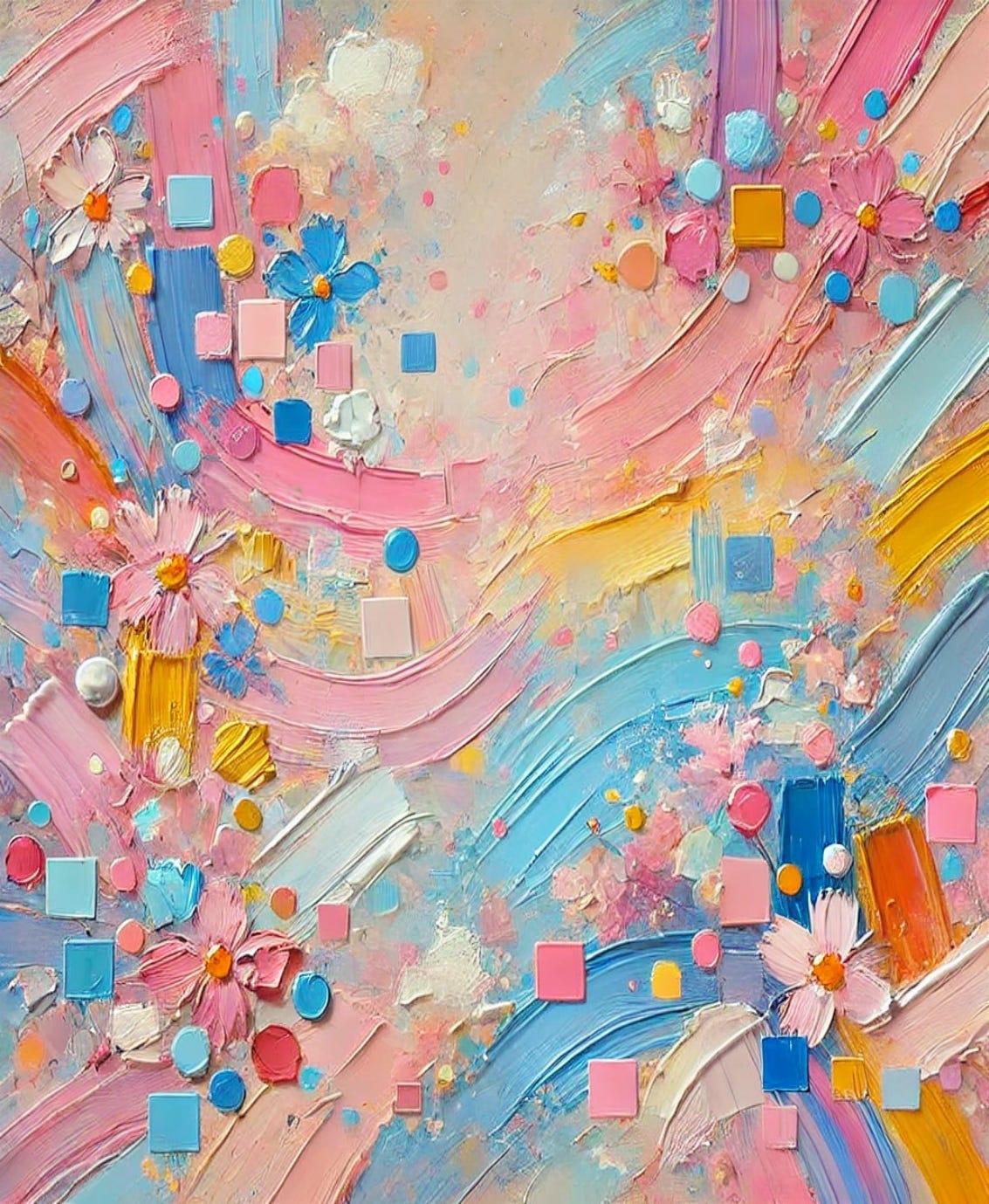
Sakura abstract art on ETSY
Introduction
Sakura, or cherry blossoms, are quintessentially Japanese, symbolizing the transient nature of life with their brief but stunning blooming season. Every year, these flowers mark the arrival of spring, creating a canvas of pink and white across the Japanese landscape. This article explores how sakura are interwoven with the cultural and historical fabric of Japan.
Origins of Sakura
Cherry blossoms are believed to have originated in the Himalayas, spreading to Japan several centuries ago. The first recorded mention of cherry blossom viewing in Japan dates back to the Nara Period (710–794 AD), when aristocrats would enjoy viewing the blossoms in full bloom. Over the centuries, sakura became more than just beautiful flowers; they evolved into a symbol of Japan itself.
Sakura and Japanese Culture
Cultural Significance
Sakura hold a pivotal place in Japanese festivities. The practice of Hanami, which literally means “flower viewing,” involves family and friends gathering under cherry blossom trees to enjoy food, drink, and the beauty of the blossoms. This tradition underscores the communal aspect of Japanese society, celebrating nature’s transient beauty in unison.
Literary and Artistic Inspirations
From ancient haikus to modern manga, sakura have been a muse for countless Japanese artists. In literature, cherry blossoms often symbolize the fleeting nature of life, echoing the samurai’s ethos of living in the moment, aware that death could come at any time. In visual arts, sakura are a popular motif in ukiyo-e woodblock prints, often depicted in splendid bloom alongside scenes of Mount Fuji and historical events.
Sakura in Rituals and Ceremonies
Hanami Traditions
Historically, Hanami was a practice limited to the elite of the Imperial Court, but it spread to samurai society and then to the common people by the Edo Period (1603–1868 AD). Today, Hanami is a nationwide event that sees parks and public spaces filled with revelers, often from dawn till dusk.
Imperial Connections
The association of sakura with the Imperial family dates back over a thousand years. Cherry trees were often planted in and around imperial properties. The variety known as “Somei Yoshino” sakura was first cultivated in the area around Edo (modern-day Tokyo), and it remains the most widely recognized cherry blossom tree in Japan.
Symbolism of Sakura
Ephemerality and Beauty
The ephemeral nature of cherry blossoms, blooming en masse and then quickly falling away, is seen as a metaphor for life itself — beautiful yet fleeting. This symbolism resonates deeply in Japanese thought, influencing both cultural practices and personal philosophies.
Sakura in Modern Times
In contemporary Japan, sakura continue to captivate the hearts of both residents and visitors alike. They are featured in annual forecasts that predict the timing of their bloom, known as the “sakura front,” which moves northward up the archipelago from Okinawa to Hokkaido each spring.
Conclusion
The cherry blossom, with its delicate petals and brief bloom, not only inspires admiration but also introspection on the impermanence of life. As Japan’s national flower, sakura remain a profound symbol of beauty, renewal, and the ephemeral nature of existence, cherished by generations past and those to come.
Please vist my ETSY shop🌸 SakuraKawaiiStudio — Etsy 日本
메타데이터
- post_id
- 100e77a647e9
- slug
- the-history-of-sakura-japans-cherished-blossoms-100e77a647e9
- url
- https://medium.com/@gutareta/the-history-of-sakura-japans-cherished-blossoms-100e77a647e9
- canonical_url
- https://medium.com/@gutareta/the-history-of-sakura-japans-cherished-blossoms-100e77a647e9
- author_url
- https://medium.com/@gutareta
- status
- ok
- fetched_at
- 2026-07-22 08:09:49






