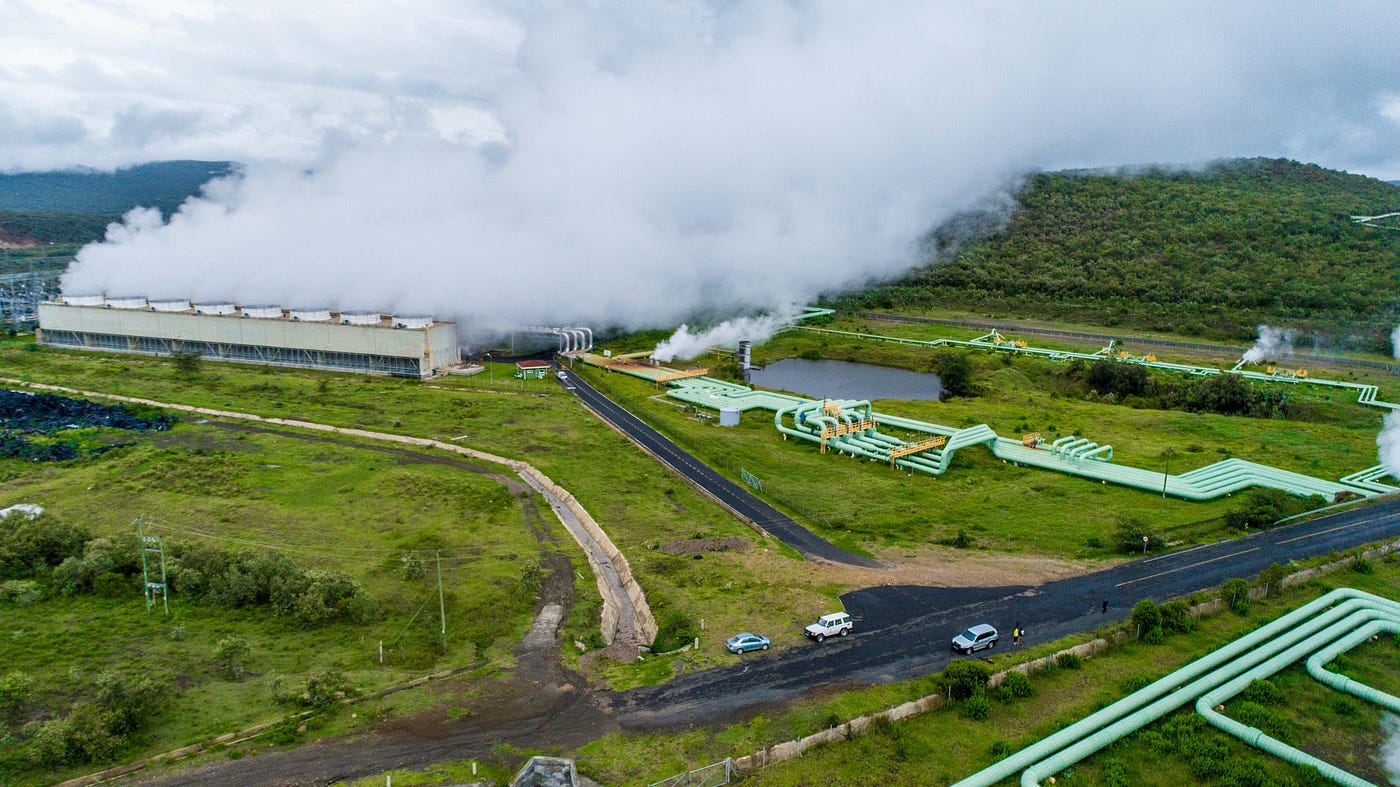
Climate finance in Egypt: Bridging the gap between global challenges and local solutions
Written by Mohamed Alaa Eldin
Climate finance in Egypt: Bridging the gap between global challenges and local solutions
Written by Mohamed Alaa Eldin
Any views and opinions expressed in this article are those of the author and do not reflect the views or positions of any entities they are associated with or represent.
Introduction
Climate finance is a way to establish a link between international climate politics and national/local action. Applying climate finance to Egypt demonstrates both its challenges and potential to create change. According to Romano (2017), climate finance refers to official development assistance or foreign aid channelled to developing nations to fund their climate change initiatives, playing a central role in the fight against global climate change. It has become crucially important to address the issues of climate finance in Egypt, since there are intensified climate change impacts in the worst affected areas, such as the Nile Delta and Upper Egypt. It contextualizes the global need to minimize emissions of greenhouse gases and further build resilience with the imperative of achieving these goals at the local level.
On a global scale, climate finance has emerged as an important element of climate policy with the Paris Agreement and the Green Climate Fund as instruments to mobilize and allocate funds from developed to developing countries (Chaudhury, 2020). These instruments are very useful in the process of supporting countries in their transition to low-carbon economies, preserving the environment and saving populations from the negative impacts of climate change. However, the distribution and efficiency of these funds still vary, and therefore there is a considerable disparity between international policies and implementation at the grassroots level. This article will use Egypt as an example for studying this gap.
Egypt is a country that is greatly affected by climate change risks, including increased temperatures and water stress (Abutaleb et al., 2018). Considering the threats to agriculture and coastal zones, the country presents many challenges in accessing and utilizing climate finance. Being a developing country as well as a member of several regional environmental initiatives, the government has the potential to shed light on how to utilize international climate finance more effectively. Adhering to that, this article will examine the nature and dynamics of climate finance advancement by highlighting major issues and the prospects and difficulties of applying these concepts in developing countries such as Egypt.
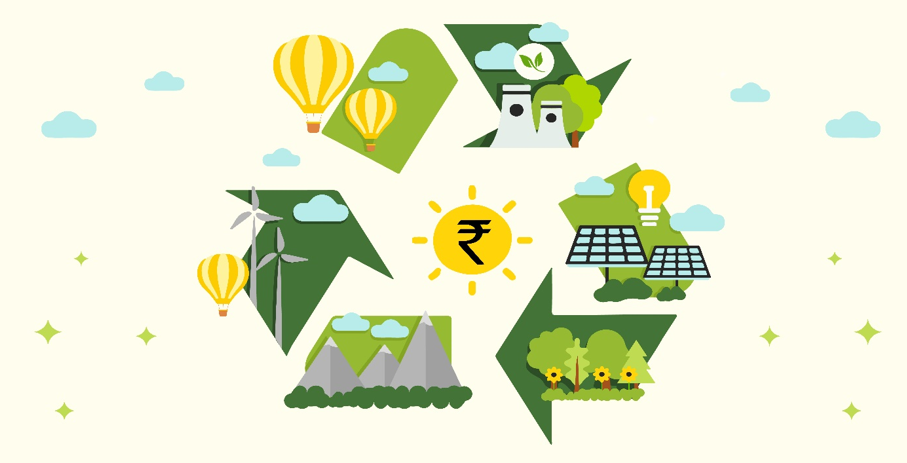
Figure 1: Overcoming Global Distrust on Climate Financing (UNDP, 2021)
Climate challenges in Egypt
There is developing awareness about the fact that Egypt is among the countries which are most exposed to the effects of climate change, primarily because of its geographical and socio-economic characteristics (Elshirbiny and Abrahamse, 2020). Some of the environmental challenges that Egypt faces include deforestation, water pollution, air pollution, soil degradation, climate change, depletion of the ozone layer and hazardous waste disposal, which affect natural resources as well as individuals’ welfare and existence. In Egypt, the effects of climate change have been becoming gradually more apparent with each passing year.
Egypt is primarily a desert or a semi-desert country, witnessing significant increases in average temperature each year, which only adds to the existing heat conditions (Torba and Meierding, 2020). The increase in temperature is the more recurrent challenge, signalling harsh heat waves that are detrimental to agriculture, human health and energy usage. Moreover, the country’s agricultural sector, which is considered one of the main sectors of Egypt’s economy and is a significant employer of the Egyptian population, is vulnerable (Breisinger et al., 2020). Climate change results in lower yields contributing to food insecurity, which exacerbates poverty, especially in rural areas.
Another climate change stressor is the issue of water shortage across the country and the world at large. The population of Egypt depends mainly on the Nile River for its water supply, as more than 95 percent of people live in the Nile Valley and Delta regions (Bunbury et al., 2023). Climate change poses a potential risk to the flow of the Nile since there will be changes in precipitation levels and also to the rate of evaporation. Moreover, the water inflow levels and environmental stability in the Nile basin countries upstream could continue to decline due to the impacts of climate change on precipitation levels and water generation capacity, subsequently decreasing the share of water available to Egypt (Mumbi and Fengting, 2020). Therefore, the country continues to live with threats of water scarcity, for both basic human consumption and for irrigation and industrial use. Thus, the future looks bleak for the country as there are fears of escalating domestic and international conflicts over water resource allocation and availability within the coming years.
This is particularly the case with climate change impacts such as sea-level rise that are likely to affect Egypt’s coasts, especially the populous Nile Delta. There are over 30 million people living in the Delta as well as millions of additional livelihoods dependent on the agricultural area that are now threatened by frequent inundation and saline water intrusion because of a continuous increase in sea level (Parven et al., 2022). This not only poses a threat to people’s sources of income from the land — agriculture, for instance — but also threatens to displace many people, leading to humanitarian issues. In addition, the continuous increase in global temperatures resulting from greenhouse gas emissions is contributing to the rise in sea levels, which could further intensify due to global warming and pose a serious challenge to Egypt’s economy given that most tourist destinations are along the coastline, such as Alexandria.
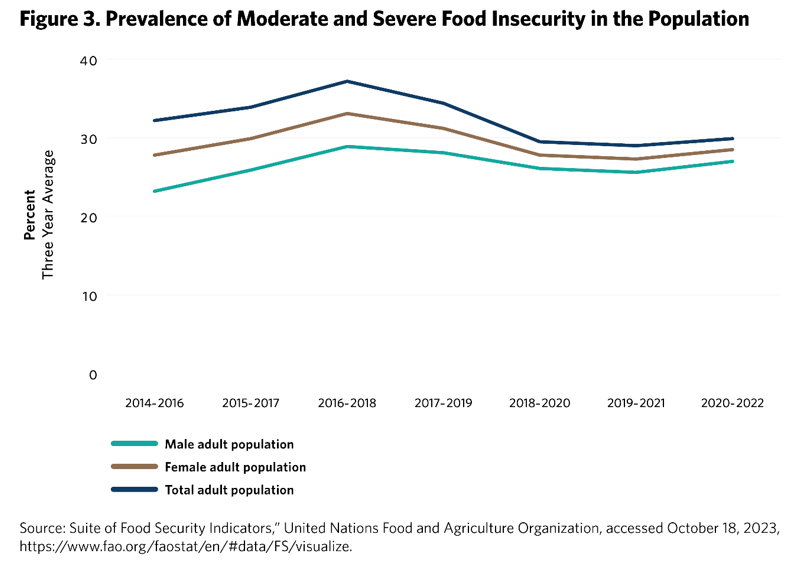
Figure 2: Climate Change in Egypt: Opportunities and Obstacles (Amr et al., 2023)
Climate finance: Global to local implementation
International climate finance mechanisms have greater significance in the mitigation of climate change issues and challenges that can be overcome by allocating financial resources with adaptation efforts. There are multiple mechanisms in terms of the Green Climate Fund (GCF), the Global Environment Facility (GEF) and the Climate Investment Funds (CIFs) that have greater significance in the climate change process compared to other conventional bilateral funding channels. Further, some international bodies are also present for the provision of funding, such as the United Nations Framework Convention on Climate Change (UNFCCC), the World Bank and other regional development banks (Bird et al., 2019).
Global climate finance mechanisms
The Green Climate Fund (GCF) under the UNFCCC aims to provide greater support to most developing countries that helps in reducing the challenges of climate change for which funds are required, along with programs for the reduction of greenhouse gas emissions and the enhancement of climate resilience. Further, the Global Environment Facility (GEF) also plays a vital role in addressing environmental-related issues in terms of biodiversity, land degradation and others (Trabacchi et al., 2016). GEF provides funding for projects to address these issues in order to foster sustainability with the promotion of green management. Lastly, Climate Investment Funds (CIFs) also help mitigate the climate change process. The World Bank manages CIFs, of which there are two types: the Clean Technology Fund (CTF) and the Strategic Climate Fund (SCF). These funds provide greater support in terms of larger investments along with the provision of low-carbon technologies and environmental safety strategies for the development of the countries (Trabacchi et al., 2016).
Egypt’s climate finance landscape
Like many other developing countries, Egypt also has a diverse environmental ecosystem that is facing multiple challenges as a result of climate change. Egypt has access to multiple funding sources for climate finance with the help of several mechanisms. Egypt has different funding sources for multiple climate-related projects for the mitigation of several issues and challenges that include the initiatives, practices and programs regarding climate change adaptation and renewable energy resources. The country has engaged with multiple green climate regulatory bodies for the promotion of sustainability and mitigation of risks, including the aforementioned GCF and GEF, for the improvement of climate-related projects (Savvidou et al., 2021).
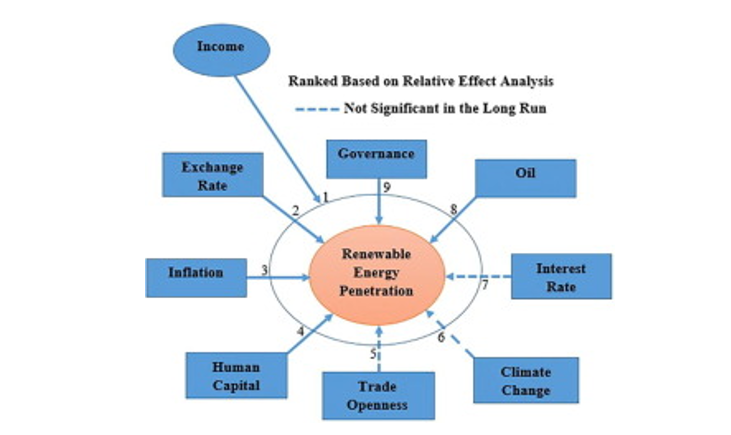
Figure 3: Macroeconomic determinants of renewable energy penetration (Source: Foye, 2023)
Among others, Egypt faces multiple challenges in terms of pollution, energy crises, water crises and biodiversity, among others, that need to be mitigated for the achievement of effective and efficient environmental safety and sustainability. Egypt also faces multiple challenges in terms of climate finances that are quite difficult to secure and utilize due to the complex procedural requirements and compliance frameworks that are associated with international climate funding mechanisms. It is necessary for Egypt to align these projects with environmental standards in both local and international contexts with the effective management of funds and finances at the local level. There are multiple barriers to institutional capacity that further includes some regulatory frameworks. These are necessary for the fulfilment of the needs and requirements of the local expertise in order to monitor the climate change projects along with their effective implementation (Riad et al., 2020).
Mitigation of challenges
Successful climate finance projects in Egypt
Egypt has been playing an increasingly significant role in the implementation and success of climate finance projects, which helps in the mitigation of environmental challenges with effective adaptation. It helps in the development of economic growth with financial stability and profit maximization for the country, which further increases its global competitive advantage. The sustainability of these climate finance projects can be increased by renewable energy resources and the installation of solar supplements with effective green management practices, which could result in fewer greenhouse gas emissions and carbon dioxide gases, along with the mitigation of other climate change issues such as pollution and greenwashing (Songwe et al., 2022).
Role of government and local entities
The Egyptian government is significant because of its roles and responsibilities in the facilitation of climate finances with the help of the implication of multiple policies and regulatory frameworks that play significant roles in the provision of guidelines and proper support. Egypt can take some initiatives in terms of the adoption of some strategic approaches regarding Egypt’s National Climate Change Strategy along with effective collaboration with local and international environmental agencies and other bodies. The Ministry of Environment and local NGOs serve as local organizations for the implementation of projects with deeper insights into the sustainability aspects for the enhancement of environmental safety (Manuamorn et al., 2020).
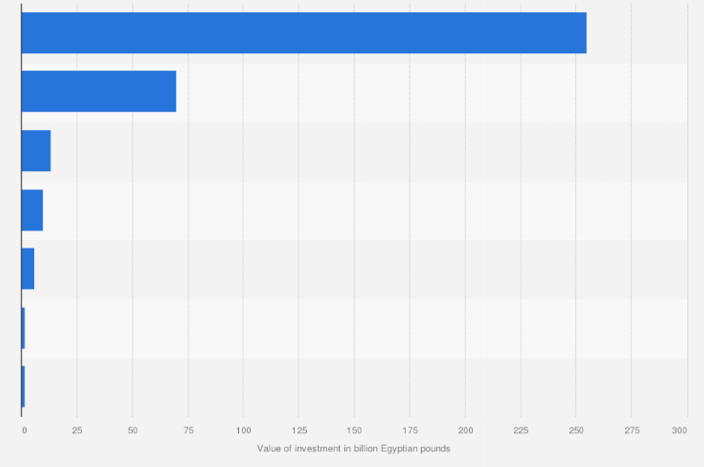
Figure 4: Government investment in Egypt in the fiscal year 2021/2022, by sector
Bridging the gap: Challenges and opportunities
Several major challenges affect the efficient deployment of climate finance in Egypt, which leads to a gap between global climate finance and local application (Cooper, 2020). There are bureaucratic constraints which hamper the release of funds to support climate projects as well as delay the implementation of such projects. Constraints of decision-making include bureaucracy, opaqueness and interagency interface problems; hence, resources are poorly allocated and are often delayed (Raphorst, 2017). Moreover, local institutions remain incapable of efficiently managing and implementing large-scale climate projects to produce optimal results in response to these challenges, primarily due to the lack of technical expertise, financial resources and institutional frameworks that are required for the effective management of such projects (Cooper, 2020; Riad et al., 2020).
Another problem is incoherence between the international climate finance agendas and the local demands. Regularly, global funding sources focus on the projects which support the general goals of the international community, whereas more local problems, which can be critical for a state such as Egypt, may not receive the desired attention and funding (Eberhard et al., 2016). For instance, global funds may have energy solutions in the form of a large-scale renewable energy program. However, people on the ground in Egypt may need solutions that address water conservation and coping with climate change in agricultural systems (Gobarah et al., 2015). These disparities may result in inefficiency in the application of resources as well as failure to address important issues that prevail in the specific area.
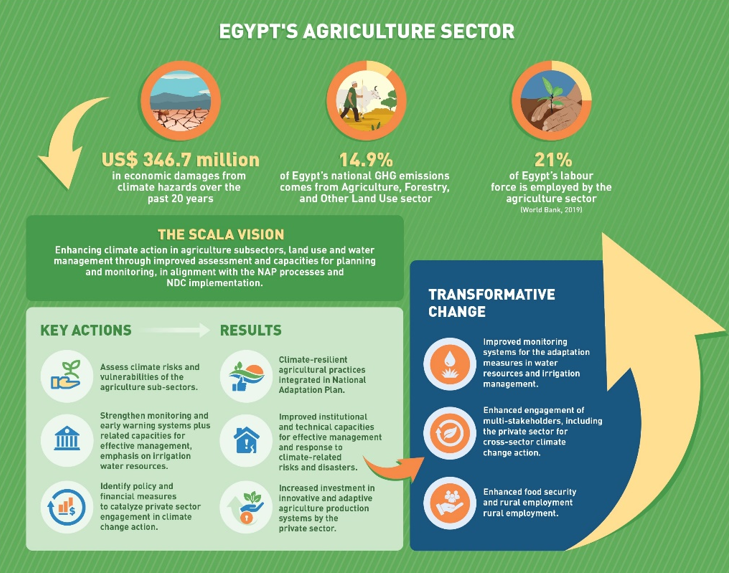
(Source: FAO, 2024)
However, there are multiple opportunities to address this gap. There is broad potential to increase the quality of solicitation and use of climate finance by building the capacity to deliver climate finance for capacities, resources and policy-relevant knowledge (Elliot et al., 2021). The increased decentralization of decisions on funded projects to enhance international donor engagement with local actors will guarantee that the funding conferred on any project will fit within the local context and realities. Another benefit of Public-Private Partnerships (PPPs) is aspects related to the mobilization of local and external resources, ideas and creativity, which may result in the development of even better solutions in the future (Wojewnik and Wagrznyk, 2019).
In addition, increasing transparency and accountability in the management of climate funding will increase replenishment of the fund by stakeholders and guarantee that the funds are used appropriately (Wong et al., 2021). With the increase in awareness of these challenges and the exploitation of these opportunities, Egypt is well positioned to be able to access climate finance to enhance climate resilience as well as promote sustainable development for its people.
Conclusion
In conclusion, climate finance helps bridge the gap between global challenges and local solutions by adopting a range of strategic approaches with the engagement of multiple funding mechanisms such as the Green Climate Fund (GCF), the Global Environment Facility (GEF) and the Climate Investment Funds (CIFs) for the proper provision of financial support to these climate projects. Furthermore, the United Nations Framework Convention on Climate Change (UNFCCC), the World Bank and other regional development banks are also significant bodies that help in the promotion of sustainability by providing funds to projects with proper resource allocation in order to protect the environment from the challenging risks of climate change. In the case of Egypt specifically, it is necessary for the country to continue strengthening its institutional capacity and improving its engagement with these international funding mechanisms in order to effectively address its most pressing climate challenges, including water scarcity, agricultural vulnerability and the threats posed by sea-level rise to the Nile Delta region.
References
Abutaleb, K.A.A., Mohammed, A.H.E.S. and Ahmed, M.H.M., 2018. Climate change impacts, vulnerabilities and adaption measures for Egypt’s Nile Delta. Earth Systems and Environment, 2, pp.183–192.
Amr Hamzawy, Mohammad Al-Mailam, and Joy Arkeh (2023, August 26). Climate Change in Egypt: Opportunities and Obstacles. Carnegie. https://carnegieendowment.org/research/2023/10/climate-change-in-egypt-opportunities-and-obstacles?lang=en
Bird, N., Cao, Y. and Quevedo, A., 2019. Transformational change in the climate investment funds. See www. odi. org/sites/odi. org. uk/files/resource-documents/12587. pdf.
Breisinger, C., Abdelatif, A., Raouf, M. and Wiebelt, M., 2020. COVID-19 and the Egyptian economy: Estimating the impacts of expected reductions in tourism, Suez Canal revenues, and remittances (Vol. 4). Intl Food Policy Res Inst.
Bunbury, J., Cooper, J.P., Hoath, R., Ikram, S., Johnston, C. and Schneider, T., 2023. The Egyptian Nile: Human transformation of an ancient river. River culture — Life as a dance to the rhythm of the waters, pp.43–47.
Chaudhury, A., 2020. Role of intermediaries in shaping climate finance in developing countries — lessons from the Green Climate Fund. Sustainability, 12(14), p.5507.
Cooper, R., 2020. Donor support for climate change initiatives in the Middle East and North Africa.
Eberhard, A., Gratwick, K., Morella, E. and Antmann, P., 2016. Independent power projects in Sub-Saharan Africa: Lessons from five key countries. World Bank Publications.
Elshirbiny, H. and Abrahamse, W., 2020. Public risk perception of climate change in Egypt: A mixed methods study of predictors and implications. Journal of Environmental Studies and Sciences, 10(3), pp.242–254.
FAO (2024). Scaling up Climate Ambition on Land Use and Agriculture through Nationally Determined Contributions and National Adaptation Plans (SCALA). [Online] Available at: https://www.fao.org/in-action/scala/countries/egypt/en (Accessed: 28 August 2024).
Foye, V.O., 2023. Macroeconomic determinants of renewable energy penetration: Evidence from Nigeria. Total Environment Research Themes, 5, p.100022.
Gobarah, M.E., Tawfik, M.M., Thalooth, A.T. and Housini, E.A.E., 2015. Water conservation practices in agriculture to cope with water scarcity. International Journal of Water Resources and Arid Environments, 4(1), pp.20–29.
Manuamorn, O.P., Biesbroek, R. and Cebotari, V., 2020. What makes internationally-financed climate change adaptation projects focus on local communities? A configurational analysis of 30 Adaptation Fund projects. Global Environmental Change, 61, p.102035.
Mumbi, A.W. and Fengting, L., 2020. Exploring changes in water use patterns, demand and stress along the Nile River Basin through the lens of Kenya and Egypt. Marine and Freshwater Research, 71(11), pp.1478–1487.
Parven, A., Pal, I., Witayangkurn, A., Pramanik, M., Nagai, M., Miyazaki, H. and Wuthisakkaroon, C., 2022. Impacts of disaster and land-use change on food security and adaptation: Evidence from the delta community in Bangladesh. International Journal of Disaster Risk Reduction, 78, p.103119.
Raaphorst, N., 2017. Uncertainty in bureaucracy: Toward a sociological understanding of frontline decision making.
Riad, P., Graefe, S., Hussein, H. and Buerkert, A., 2020. Landscape transformation processes in two large and two small cities in Egypt and Jordan over the last five decades using remote sensing data. Landscape and Urban Planning, 197, p.103766.
Romano, A.A., Scandurra, G., Carfora, A. and Ronghi, M., 2017. Climate finance as an instrument to promote the green growth in developing countries. Springer.
Savvidou, G., Atteridge, A., Omari-Motsumi, K. and Trisos, C.H., 2021. Quantifying international public finance for climate change adaptation in Africa. Climate Policy, 21(8), pp.1020–1036.
Songwe, V., Stern, N. and Bhattacharya, A., 2022. Finance for climate action: Scaling up investment for climate and development. London: Grantham Research Institute on Climate Change and the Environment, London School of Economics and Political Science.
Statista (2024). Government investment in Egypt in the fiscal year 2021/2022, by sector. [Online] Available at: https://www.statista.com/statistics/1247419/government-investment-by-sector-in-egypt/ (Accessed on August 28, 24).
Trabacchi, C., Brown, J., Boyd, R., Wang, D. and Falzon, J., 2016. The role of the Climate Investment Funds in meeting investment needs. Climate Policy Initiative.
UNDP (2021, November 11). Overcoming Global Distrust on Climate Financing. https://www.undp.org/india/blog/overcoming-global-distrust-climate-financing
Wojewnik-Filipkowska, A. and Węgrzyn, J., 2019. Understanding of public–private partnership stakeholders as a condition of sustainable development. Sustainability, 11(4), p.1194.
Wong, C.W., Wong, C.Y., Boon-Itt, S. and Tang, A.K., 2021. Strategies for building environmental transparency and accountability. Sustainability, 13(16), p.9116.
메타데이터
- post_id
- 10844066a5dd
- slug
- climate-finance-in-egypt-bridging-the-gap-between-global-challenges-and-local-solutions-10844066a5dd
- url
- https://medium.com/@ch_commonfutures/climate-finance-in-egypt-bridging-the-gap-between-global-challenges-and-local-solutions-10844066a5dd
- canonical_url
- https://medium.com/@ch_commonfutures/climate-finance-in-egypt-bridging-the-gap-between-global-challenges-and-local-solutions-10844066a5dd
- author_url
- https://medium.com/@ch_commonfutures
- status
- ok
- fetched_at
- 2026-07-15 06:09:07