Trust Me, I’m Calling From Customer Care…
Trust Me, I’m Calling From Customer Care…

Or perhaps more accurately… trust me, I’m probably not.
Recently I applied for a credit card. Standard adulting activity.
A few days later I got a call from the bank for “manual verification.”
Now here’s the frightening part.
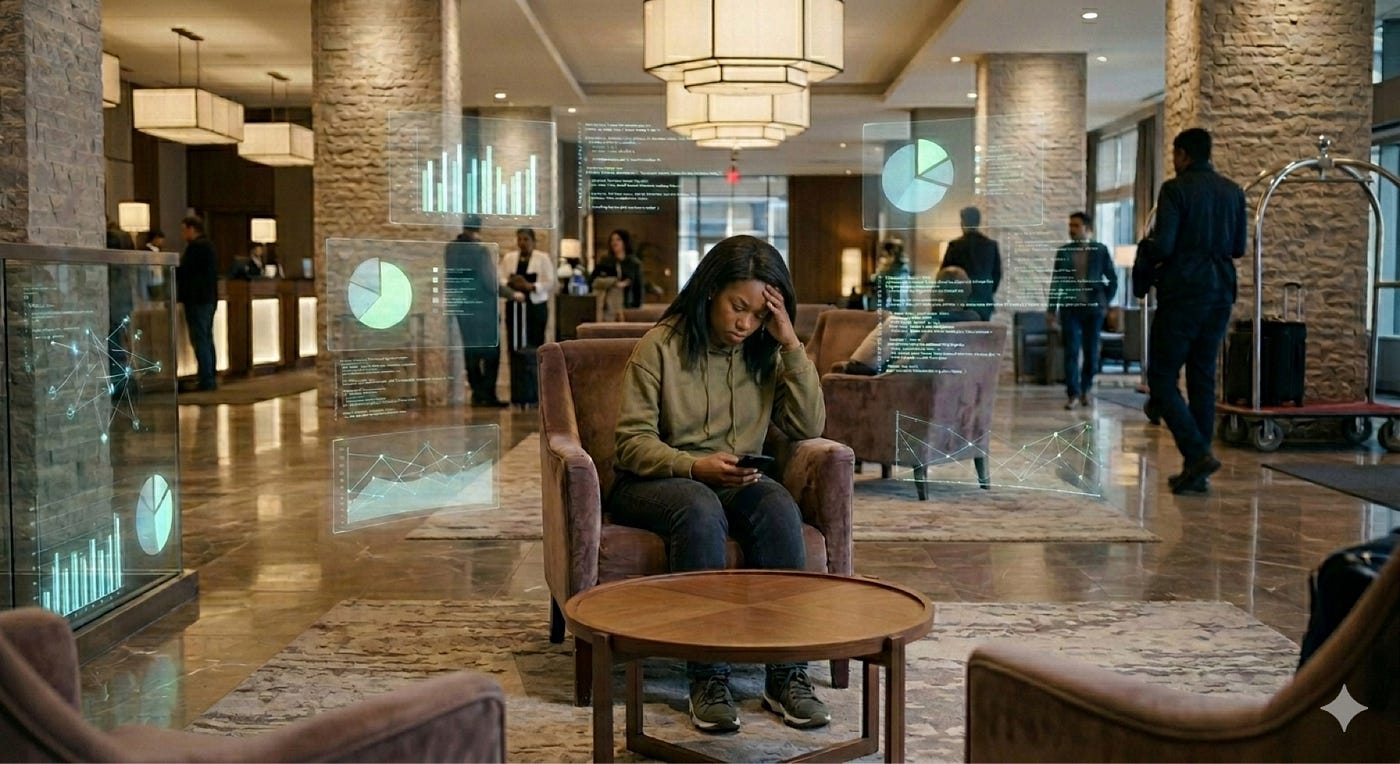
The caller began asking for sensitive details and without hesitation, I started answering them like I was on a game show where the prize was airport lounge access and cashback points.
Full name? Sure.
NIC details? Absolutely.
Address? Why not.
Mother’s maiden name? Take it.
Halfway through the call, two people around me looked horrified and immediately started scolding me.
“You shouldn’t be saying all this over the phone!”
And there I was… someone who works in technology… suddenly realizing how unbelievably easy it is to slip into blind trust.
That’s the thing about modern life.
We’ve become conditioned to respond quickly, comply quickly and trust quickly.
Sometimes I think we’ve all become a little too comfortable oversharing in exchange for convenience.
Take ride-hailing apps.
You pin your exact location on a map sophisticated enough to probably locate a coconut tree in Monaragala… yet the uncle still calls.
“Miss, where exactly are you?”
And what do we do?
We launch into a full TED Talk.
“Ok come straight… pass the pharmacy… there’s a yellow gate… no no not that yellow gate, the other yellow gate near the dog sleeping by the lamp post…”
Same with delivery mallies.
At this point some of them know our movements better than our extended family.
Then there’s the supermarket loyalty program experience.
You walk to checkout feeling financially responsible after buying oat milk and nutty protein bars… and suddenly someone asks for your phone number loud enough for aisle six to hear.
And we proudly recite it.
Zero hesitation.
Meanwhile the random person standing behind us now knows our full name, contact number and possibly where we shop every Sunday evening.
Romantic comedy?
Maybe.
Identity theft?
Also maybe.
The reality is we are living in a world where personal data has become currency, but most of us still treat it like loose change.
We hand over NIC copies on WhatsApp.
We email payslips without checking where they’re going.
We click links faster than we read them.
We give OTPs while simultaneously hearing every bank advertisement in our heads warning us not to give OTPs.
It’s almost fascinating.
The smarter technology gets, the more human vulnerability becomes the weak spot.
Not the firewall.
Not the encryption.
Us.
And the scary part is that scams today no longer arrive wearing trench coats and dark sunglasses. They sound polite. Professional. Helpful. Urgent.
Sometimes they even sound exactly like the institutions we trust.
Banks.
Courier companies.
Telecom providers.
Government agencies.
Trust has become engineered.
There’s also a strange psychological layer to all of this. We’ve become addicted to speed.
We want immediate approvals.
Immediate deliveries.
Immediate responses.
So when someone says, “Can you quickly send this?” our brains often prioritize convenience over caution.
That word… quickly… has become expensive.
Perhaps what we need is not paranoia, but pause.
A few extra seconds before sharing information.
A few uncomfortable questions before clicking links.
A little less embarrassment about verifying identities.
Imagine how many situations could be avoided if we normalized saying…
“I’m sorry, can I call the official hotline back instead?”
Or,
“Can you send this through the verified company channel?”
Or even…
“I’m not comfortable sharing that on WhatsApp.”
Simple things. Awkward things. Necessary things.
The irony is that we spend so much time worrying about hackers breaking into systems while voluntarily opening the front door ourselves.
And no, this isn’t about becoming fearful of technology.
Technology is not the villain here.
Carelessness is.
Blind trust is.
Over-familiarity is.
We’ve reached a point where digital awareness can no longer remain “IT department knowledge.” It’s life knowledge now. Survival knowledge.
The modern version of teaching children “don’t talk to strangers” should probably include…
“Don’t click random links.”
“Don’t overshare online.”
“And please… stop announcing your OTP like you’re reading lottery numbers.”
Maybe the real challenge of this digital era is not learning how to use technology.
It’s learning how to stay human without becoming naive.
And perhaps next time a bank calls me for “verification,” I’ll remember the lesson I unintentionally demonstrated to everyone around me that day…
Trust is good.
Verification is better.
메타데이터
- post_id
- 10d3ec40b8d9
- slug
- trust-me-im-calling-from-customer-care-10d3ec40b8d9
- url
- https://medium.com/@sanjinim/trust-me-im-calling-from-customer-care-10d3ec40b8d9
- canonical_url
- https://medium.com/@sanjinim/trust-me-im-calling-from-customer-care-10d3ec40b8d9
- author_url
- https://medium.com/@sanjinim
- status
- ok
- fetched_at
- 2026-06-27 23:56:40