Vaccination Trends and Misinformation: Navigating a Complex Public Health Landscape
Vaccination stands as one of modern medicine’s most successful public health tools. Yet, the conversation around vaccines is not only about…
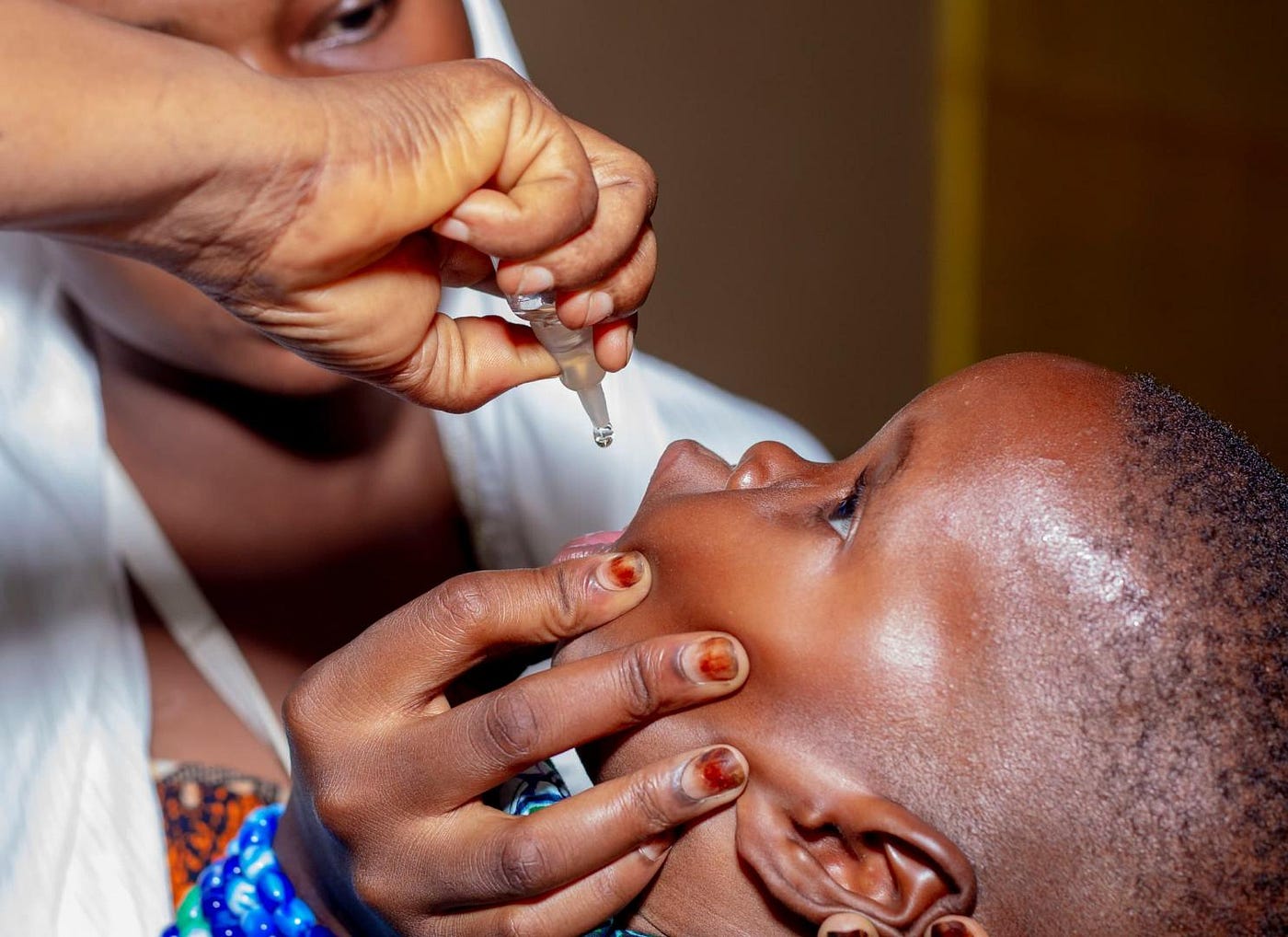
VACCINATION.
Vaccination Trends and Misinformation: Navigating a Complex Public Health Landscape
Vaccination stands as one of modern medicine’s most successful public health tools. Yet, the conversation around vaccines is not only about science and data; it’s also about trust, communication, and the ecosystems where information travels. As a health writer, I help readers understand how vaccination trends are evolving and why misinformation spreads, along with practical steps to evaluate claims and protect communities.
Current Trends in Vaccination:
- Uptake and equity: In many regions, routine childhood vaccination rates have improved overall, reducing the burden of preventable diseases. However, progress is uneven. Some communities experience lower coverage due to access barriers, historical mistrust, or socioeconomic disparities. Addressing these gaps requires accessible clinics, flexible scheduling, and culturally competent outreach.
- Adult and seasonal vaccines on the rise: Immunization programs increasingly emphasize vaccines beyond early childhood, including influenza, pneumococcal, and shingles vaccines, as well as emerging strategies for adult immunization. This shift reflects aging populations, evolving disease patterns, and policy emphasis on lifelong protection.
- New tools and targets: Advances in vaccine science — such as mRNA platforms, improved adjuvants, and combination vaccines — expand options for protection. Public health strategies now often pair vaccination campaigns with digital reminders, community partnerships, and real-time surveillance to monitor coverage and safety signals.
- Safety monitoring and transparency: Post-licensure pharmacovigilance remains central. Healthcare systems increasingly publish safety data, respond to concerns promptly, and involve communities in reporting processes. Transparent communication about both benefits and risks helps build credibility.
- Misinformation interplay with uptake: False or misleading claims can influence perceptions of risk and benefits, sometimes creating hesitancy even when evidence supports vaccination. The spread of misinformation is amplified by social media, partisan content, and anecdotal storytelling, which can overshadow complex scientific nuance in everyday conversations.
The Misinformation Landscape:
- Why misinformation spreads: Cognitive biases (like confirmation bias and the availability heuristic) make dramatic stories or vivid anecdotes memorable. Mistrust of institutions, past injustices, and complex scientific language can drive people toward simpler, emotionally resonant narratives.
- Common misinformation themes: Claims that vaccines cause chronic illness, altered fertility, or 5G networks, or that vaccine mandates are threats to personal freedom. Many myths rely on misinterpreted data, cherry-picked anecdotes, or out-of-context quotes from experts.
- The role of platforms: Social media and certain online forums can create echo chambers where misinformation circulates rapidly. Algorithms that prioritize engagement may amplify sensational content, even when it’s inaccurate.
- The real-world impact: Misinformation can influence decisions about vaccination schedules, risk perception during outbreaks, and willingness to participate in community protection efforts like herd immunity.
Why Accurate Information Matters:
- Individual protection vs. community impact: Vaccines reduce the risk of severe disease for individuals and contribute to population-level protection. Misperceptions can lead to clusters of unvaccinated people, increasing the chance of outbreaks.
- Harms of misinformation: Beyond health risk, misinformation can erode trust in healthcare professionals, undermine public health responses, and fuel needless fear. Clear, compassionate, evidence-based communication helps counter these effects.
- The balance of risk and benefit: No medical intervention is risk-free, but the consensus from regulatory agencies and independent reviews is that the benefits of recommended vaccines substantially outweigh the risks for the vast majority of people.
Strategies to Counter Misinformation (Practical and Readable):
- Lead with empathy and clarity: Acknowledge concerns before presenting facts. Use plain language, avoid jargon, and explain how vaccines work in simple terms.
- Ground claims in credible sources: Point readers to official guidelines from health authorities (e.g., national health departments, WHO, CDC) and peer-reviewed studies. When possible, link to open-access summaries or infographics.
- Be transparent about uncertainty: Share what is known, what’s not fully known, and how scientists monitor safety signals. This builds credibility and reduces the perception of hidden agendas.
- Use storytelling responsibly: Personal anecdotes can illuminate real experiences but should be balanced with data. When possible, pair stories with context about risks, benefits, and the population-level impact.
- Address misinformation directly but politely: If addressing a common myth, start by restating the concern, then explain the evidence in clear terms and cite sources. Avoid dismissive language.
- Highlight practical actions readers can take: Encourage checking sources, consulting healthcare providers, and utilizing official vaccination schedules. Offer guidance on how to talk with family and friends who are uncertain.
- Improve accessibility of information: Create concise summaries, visually engaging infographics, and Q&A formats. Consider multilingual resources to reach diverse communities.
- Engage trusted community voices: Partner with healthcare providers, faith-based organizations, school nurses, and local leaders who can translate medical guidance into culturally resonant messages.
What Health Writers Can Do Right Now:
- Report with nuance: When covering new vaccine data or policy changes, present both benefits and potential risks, explain uncertainty, and note the population studied (age groups, comorbidities, geographic context).
- Break down the numbers: Translate statistics into relatable terms (e.g., “for every 100,000 people vaccinated, X may experience a severe adverse event,” with context). Ensure absolute risk is highlighted to avoid misinterpretation of relative risk.
- Curate credible resources: Maintain a list of trustworthy sources and tips for readers on how to assess online information. Include a brief checklist readers can use in real time.
- Include dialogue prompts: Offer sample questions readers can bring to their clinicians, helping them engage constructively in conversations about vaccination decisions.
- Update content as needed: Vaccination guidance can change with new data. Provide date-stamped updates or addendums to keep information current.
Ethical and Practical Considerations:
- Respect autonomy while providing information: Encourage informed decisions without pressuring individuals. Provide balanced perspectives and respect diverse values.
- Avoid fear-driven framing: Fear can drive avoidance of vaccines and the spread of misinformation. Neutral, evidence-based framing tends to be more effective for many readers.
- Ensure cultural sensitivity: Tailor messaging to consider cultural beliefs, languages, and health literacy levels. Collaborate with community representatives when possible.
Vaccination trends reflect progress, challenges, and an ever-evolving information ecosystem. Misinformation thrives where trust is fragile or where data are misunderstood. By presenting clear, balanced, and accessible information, health writers can empower readers to make informed choices, participate constructively in public health conversations, and contribute to safer, healthier communities.
메타데이터
- post_id
- 10d5fb31afe0
- slug
- vaccination-trends-and-misinformation-navigating-a-complex-public-health-landscape-10d5fb31afe0
- url
- https://medium.com/@ejiginidavidbrian16/vaccination-trends-and-misinformation-navigating-a-complex-public-health-landscape-10d5fb31afe0
- canonical_url
- https://medium.com/@ejiginidavidbrian16/vaccination-trends-and-misinformation-navigating-a-complex-public-health-landscape-10d5fb31afe0
- author_url
- https://medium.com/@ejiginidavidbrian16
- status
- ok
- fetched_at
- 2026-06-09 15:37:30