As a Sommelier, These Are The 6 Most Important Things I Look for When Buying Wine
To help you buy better
As a Sommelier, These Are The 6 Most Important Things I Look for When Buying Wine
To help you buy better

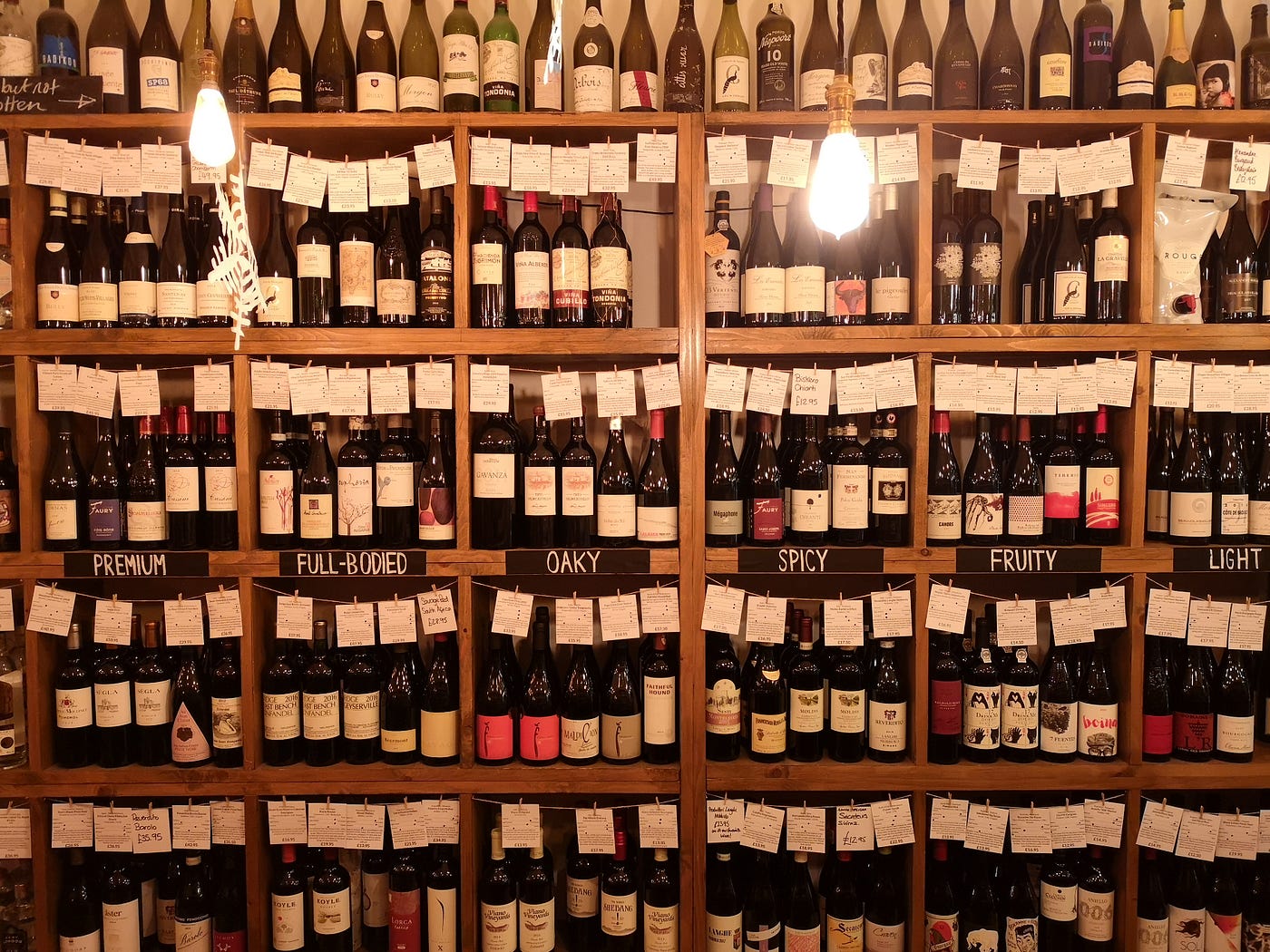
Image courtesy of author
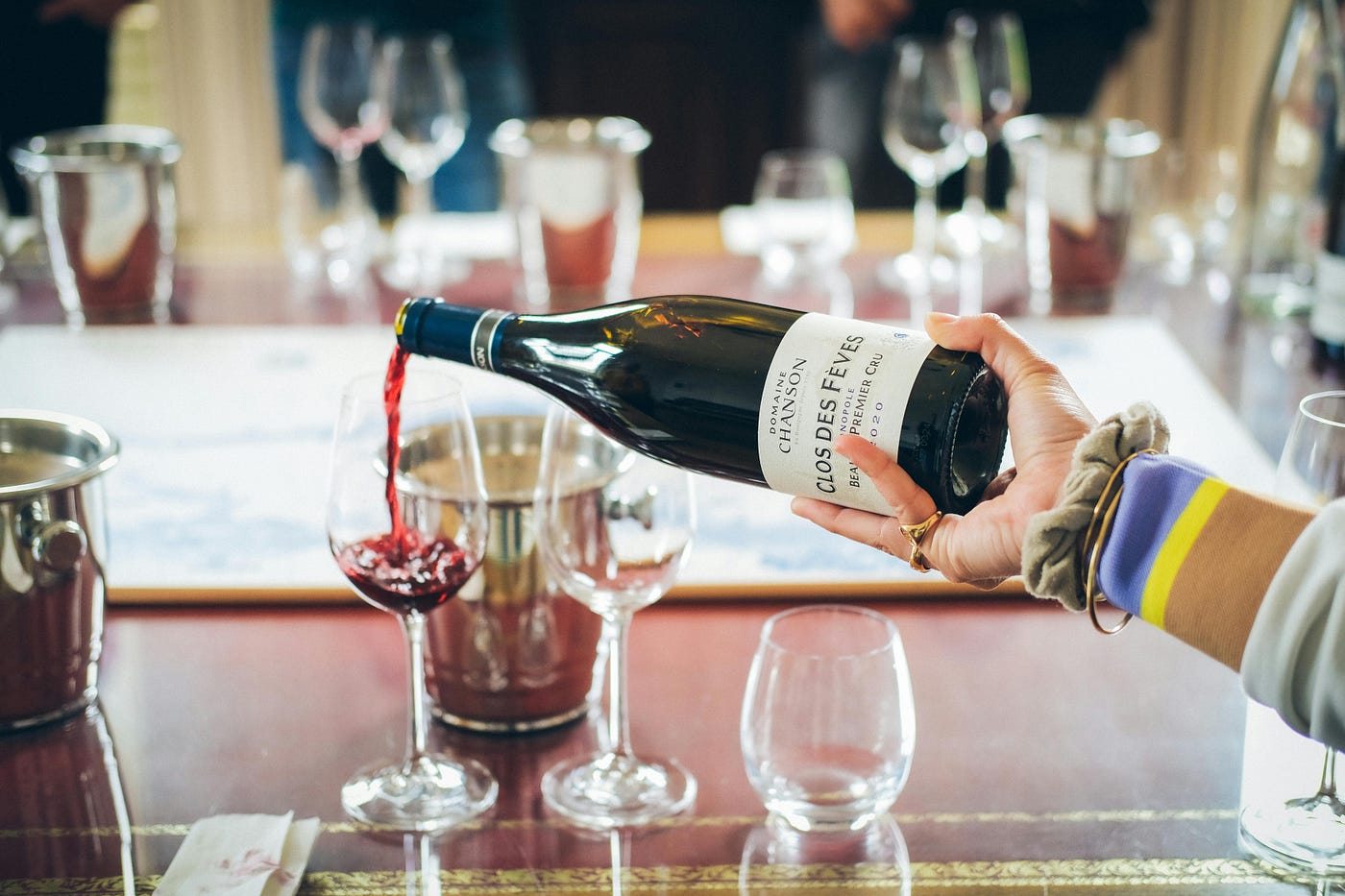
I don’t think anyone would disagree that buying wine can be a minefield. Faced with a wall of bottles, how do you even start narrowing down your choices?
Below are some parameters. Things that, after 13+ years in the wine trade, I use to find a decent bottle.
They won’t always see you right (wine is far too complicated for that), but they will help reduce the chance of buying a bad bottle.
The first, most important piece of advice…
…choose where you buy your wine very carefully.
I will always tell you to shop at independent wine merchants because I was one for many years. We know our stuff, our winemakers, and how many of the wines in our store were made. That means you can ask! See if the merchant reels off any of the below.
If you’re buying online, Google is your friend. If a wine piques my interest, I can Google it to see if it hits any of the points below. That might sound like a lot of work, but often just a quick two-minute Google will throw up the information you need (and if it doesn’t, that might be a reason in itself to move on and buy something else).
2) Look for evidence of minimal intervention
For me, the best wines in the world at all price points are those where intervention is both minimal and intentional.
It’s a cliché, but wine is a living thing. The winemaker’s job is to hold wine in a state of stasis, balanced at the point of excitement / deliciousness / vibrancy / aliveness. Too many interventions (for example, to make the wine more predictable or stable) can deaden wine, tipping that balance from alive and vibrant into boring and dull.
I am far more likely to take a chance on a wine when I see phrases like:
- No synthetic chemicals in the vineyard
- Organic or biodynamic farming
- Spontaneous fermentation or no added yeast
- Low sulphite levels, ideally only added at bottling
- Minimal or no invasive processes like chaptalisation, enzymes, acidification, de-acidification, or reverse osmosis
- Filtration and fining are kept to a minimum
3) Does the winemaker talk about their vineyards?
Another age-old cliché is that wine is made in the vineyards. As with many clichés, it’s absolutely true. You cannot make good wine without good vineyards that are well looked after.
It’s a big red flag for me if a winemaker doesn’t talk about vineyards. Those who care about them will tell you because a) it’s super hard work b) they’re proud of that work, and c) they know that the vineyards will make or break their wine.
One caveat is when winemakers buy grapes from elsewhere, which is a common model. Even so, I would still expect to read something about the vineyards — or the grape growers — in a description or marketing material.
A focus on the vineyard can be expressed in many ways, including:
- Naming the vineyard parcel on the label (not always possible, especially in rule-heavy regions like France, but if it’s there, that’s often a good sign).
- Talking about the makeup of the vineyard, for instance, the soils, aspect, and altitude.
- Any information on vineyard management. Phrases like organic or biodynamic farming, dry farmed or no irrigation, or low yields.
4) Who distributes or has written about the wine?
There are some people in the wine world whose opinion I will always trust. Some of them are writers, others are distributors who have made a name for themselves by importing and selling great bottles.
If I Google a bottle and I see that it’s distributed by certain importers or written up by certain writers, it goes straight into the cart.
Great distributors include:
- Kermit Lynch (US)
- Skurnik (US)
- Grand Cru Selections (US)
- The Source Imports (US)
- Les Caves de Pyrene (UK)
- Vine Trail (UK)
- Keeling Andrew & Co (Shrine to the Vine / Noble Rot) (UK)
And wine writers I trust:
5) Is the wine made with organically or biodynamically grown grapes?
I am in no way dogmatic about organic or biodynamic certification. I’ve visited (and worked for) enough wineries to know that, just because they are not certified, doesn’t mean they aren’t doing good work. Certification is a hard, long, expensive process and can be very restrictive. If I ever realised my dream of making wine, I probably wouldn’t be certified either.
But I do love it when winemakers use organic or biodynamic processes in their vineyards and wineries because it shows they are dedicated to things I think are quite important, like a dedication to environmentally friendly practices, being minimal with their additions, or a belief in the symbiosis between grape growing and nature.
All things that, at the end of the day, can make a big difference in the quality and vibrancy of the finished wine.
6) Is the wine aged in barrels or concrete?
A little controversial, but I believe that stainless steel is not good for wine. There are a handful of exceptions, but I rarely find that the most interesting, expressive wines are kept only in stainless steel.
I’m far more interested in wines aged in either wood or concrete, or, honestly, any material other than stainless steel.
I’m a sucker for the phrase “large, old, oak barrels.” When barrels are large and old, they allow wine to breathe (a little oxygen in fermentation and ageing is no bad thing), but without imparting the sweet vanilla or coconut-like flavours that can come from smaller or newer barrels.
Other weird things I take into consideration
The bottle shape. Whilst there are many bottle shapes in the world, the majority of wines come in just two: the Burgundy bottle and the Bordeaux bottle.

Burgundy on the left, Bordeaux on the right. Image courtesy of author
Believe it or not, a winemaker’s bottle choice can tell you something about the juice inside. I can’t tell you how loose a rule this is, but I do often find wines in a Burgundy bottle will be inspired by Burgundy, and likewise for Bordeaux.
I am one of Burgundy’s biggest fans, so I would be more likely to choose a wine in a Burgundy bottle over a Bordeaux one. Often, winemakers who are into Burgundy are into things I personally like in wine, like elegance, balance and freshness. Bordeaux tends to be more about powerful flavours and structure.
Like I say, this is not a hard and fast rule, but it is something I take into consideration occasionally, especially when I have little other information to go on.
Wax tops. Waxing is not easy. I once waxed 2000 bottles, and it took HOURS. There is a dedication to the process, and I like winemakers with dedication.
BONUS: Things some people base their wine purchases on that I don’t
No added sulphites. I have an unfortunate aversion to mouse taint (when the finish of a wine tastes like the smell of my childhood pet hamster’s urine-soaked cage) and Brettanomyces (a yeast strain that, in high quantities, makes wines smell and taste like manure or band-aids). Both of these issues can often be mitigated with a small dose of sulphites. Don’t get me wrong, when a no-added sulphites wine is good, it’s glorious. But I’d generally prefer a small dose of sulphites to none at all.
Excessively cloudy wines. Whilst I do believe that too much filtration can be bad for a wine, a little is no big thing for me. Sometimes, it’s fun to have a cloudy wine, but that does NOT mean it’s any better than a clear, bright bottle. For a start, clarity can often be achieved simply by properly settling a wine before bottling — it doesn’t have to go through filtration at all.
The label design. This is SUPER important to people, and I get why — we all shop with our eyes. But I would choose a wine based on so many other things before the label, like literally anything else in the above list. They come first, not if the winemaker has chosen Comic Sans for their font.
I’ve seen it happen. The wine was great.
Charlie is a Sommelier, food and wine writer and ex-wine store and bar owner. Read more at The Sauce.
메타데이터
- post_id
- 10ea54eb02e6
- slug
- as-a-sommelier-these-are-the-6-most-important-things-i-look-for-when-buying-wine-10ea54eb02e6
- url
- https://medium.com/rooted-publication/as-a-sommelier-these-are-the-6-most-important-things-i-look-for-when-buying-wine-10ea54eb02e6
- canonical_url
- https://medium.com/rooted-publication/as-a-sommelier-these-are-the-6-most-important-things-i-look-for-when-buying-wine-10ea54eb02e6
- author_url
- https://medium.com/@charlie-brown
- status
- ok
- fetched_at
- 2026-07-13 15:35:31