I Tried to Copy Successful People’s Routine — It Made Me Worse
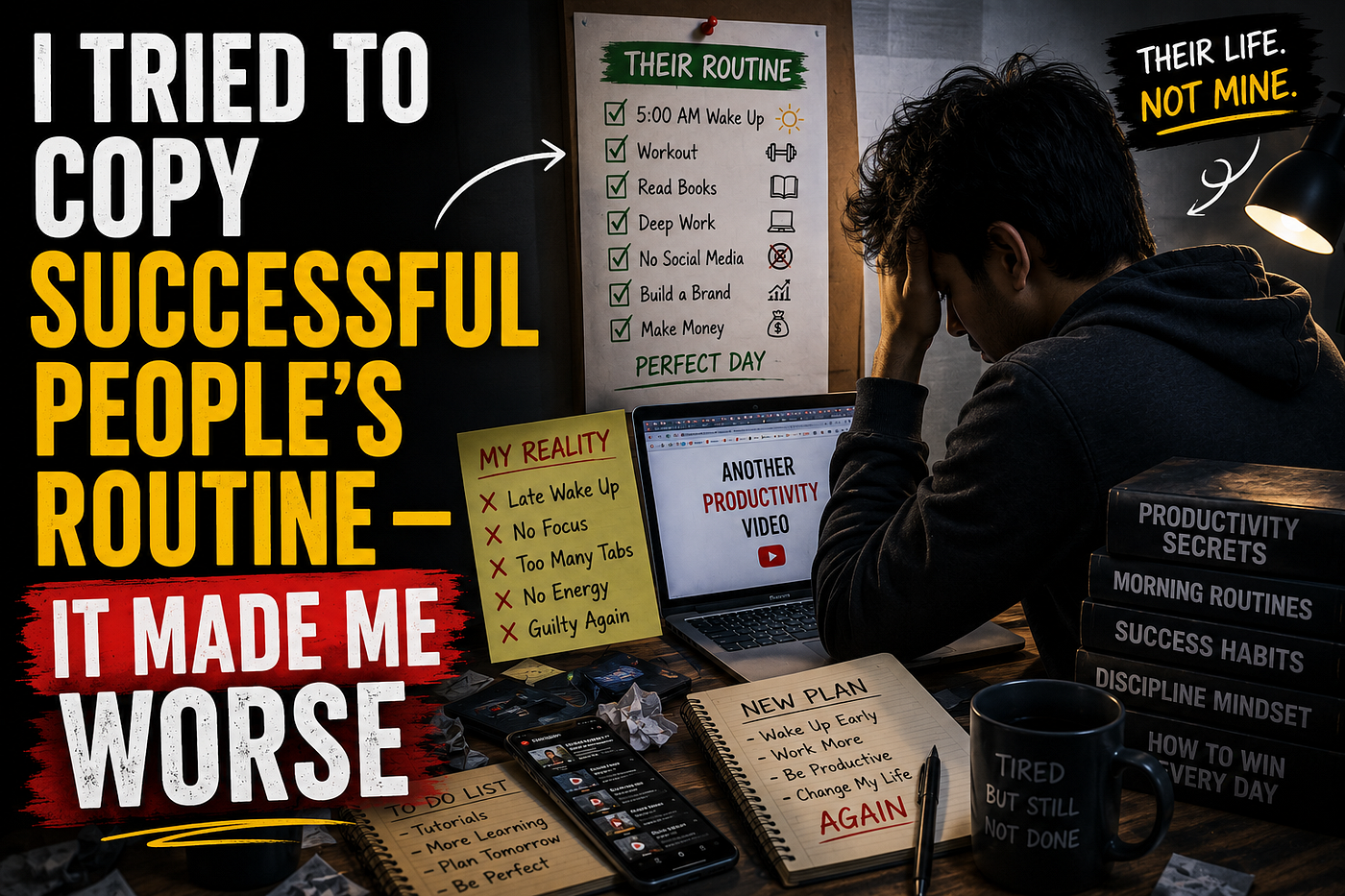
I set the alarm for 5:00 in the morning because some successful person on the internet said it changed his life.
I Tried to Copy Successful People’s Routine — It Made Me Worse
I set the alarm for 5:00 in the morning because some successful person on the internet said it changed his life.
For one night, I felt serious.
I placed my phone away from the bed. I opened a notebook and wrote a small plan for the next morning. Wake up early. Drink water. Write for one hour. Send two proposals. Read something useful. No distractions.
It looked beautiful on paper.
The next morning, the alarm rang and I hated everything.
The room was cold. My eyes felt heavy. I had slept late because I was still watching videos about how successful people manage their time. I sat up for a few seconds, looked at the phone, and told myself five more minutes.
I woke up again at 8:37.
The day had not even started properly, and I already felt like I had failed.
That is the problem with copying someone else’s routine. At first, it feels like discipline. Then slowly, it starts making you feel guilty for not living a life that was never yours.
I did not understand this in the beginning.
I thought successful people had found the perfect schedule. If I copied their habits, maybe I could copy their results. Wake up early. Work in deep focus. Exercise. Read books. Use AI tools. Avoid social media. Build a personal brand. Send proposals daily. Publish articles. Sleep on time.
All of it sounded correct.
But my real life was not that clean.
Some days the internet was slow. Some days the house was noisy. Some days I had other responsibilities. Some days I was tired before I even opened the laptop. Some days I had motivation but no clear idea. Other days I had ideas but no energy.
The routines I watched online did not show that part.
They showed the clean desk, the morning sunlight, the expensive laptop, the perfect coffee, the calm voice saying, “This is how I stay productive.”
I wanted that version of work.
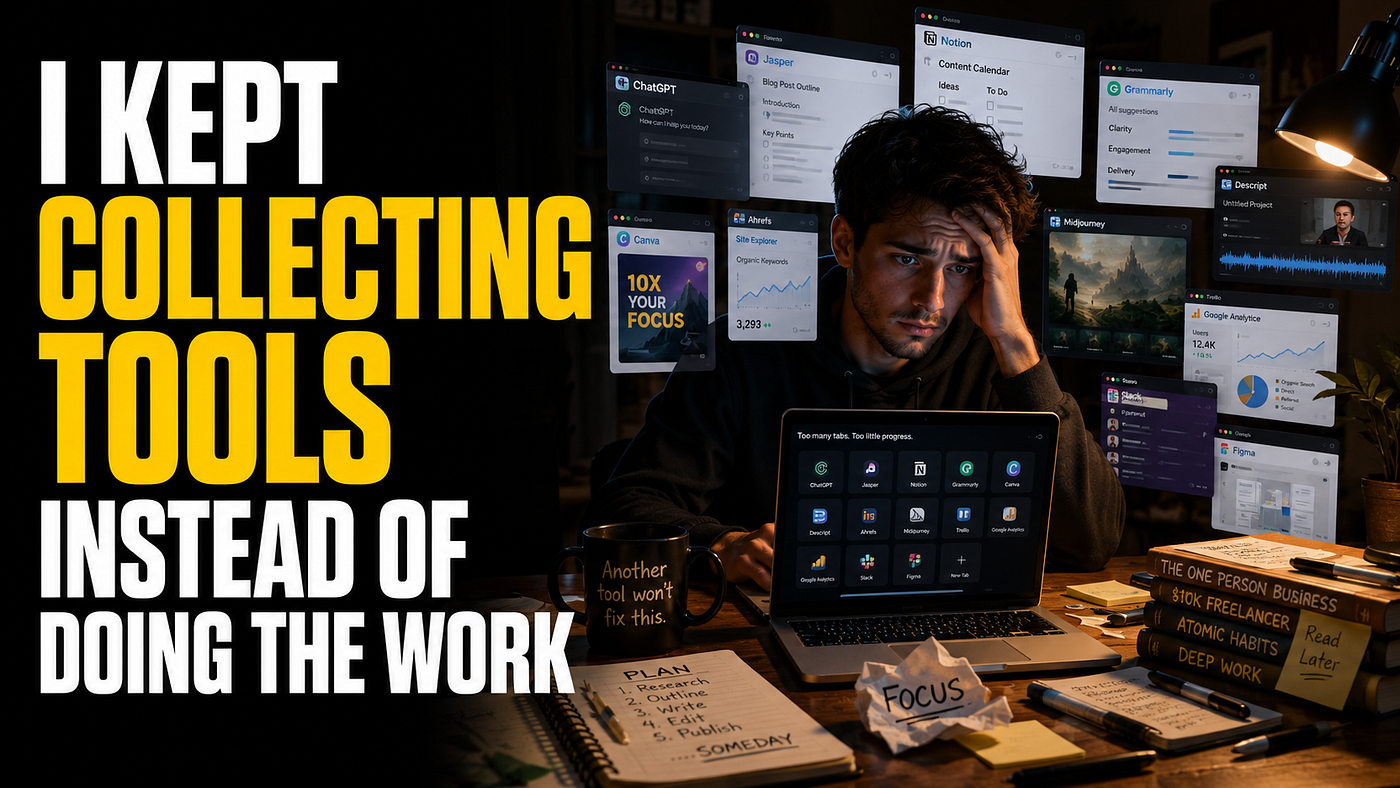
Instead, I had a normal desk, too many tabs open, and a brain jumping between freelancing, writing, AI tools, thumbnails, proposals, and whether any of this would actually work.
So I kept blaming myself.
If I could not wake up early, maybe I was lazy.
If I could not write every day, maybe I was not serious.
If I missed one day, maybe I had no discipline.
That thinking made me worse, not better.
I remember one day when I forced myself to follow a strict routine I had seen from a creator. He said he wrote for three hours in the morning before checking messages. So I tried that.
I opened a blank document and sat there.
Nothing came.
I was not ready to write. I had a client message to answer. I had unfinished work from the previous day. I had small worries sitting in the back of my mind. But because the routine said writing first, I kept staring at the page.
After one hour, I had written four weak lines.
Then I checked messages anyway.
Then I felt guilty for breaking the routine.
Then the whole day became heavy.
The beginner mistake was not trying to improve my routine. That part was good. The mistake was treating someone else’s routine like a rule instead of an idea.
The cost was confidence.
Every failed routine made me feel like I was the problem.
But sometimes the routine was the problem.
Or maybe not even the routine. Maybe it was simply made for another person’s life.
A freelancer in the US or UK who lives alone, has fast internet, stable payments, and a quiet room may build a very different schedule from someone in South Asia working from a shared home, with family noise, power issues, slow devices, and pressure to earn quickly.
The advice may still be useful.
But the copy-paste version can hurt you.
I learned this slowly.
One of my worst habits was trying to fix my whole life in one night. I would watch a productivity video and suddenly decide that from tomorrow, everything would change. I would wake up early, write, exercise, learn, work, post, and sleep perfectly.
That plan usually lasted half a day.
Then I would fall back into my old routine and feel even worse.
It took me time to realize that I was not building discipline. I was making dramatic promises to myself because I felt behind.
When you feel behind, big plans are comforting.
They give you a quick feeling of control.
But real progress usually starts smaller than your ego likes.
For me, the better routine was not waking up at 5:00.
It was opening the laptop and doing one real task before getting lost in learning.
One proposal before watching another freelancing video.
One paragraph before checking stats.
One client message before editing my profile again.
One finished draft before testing another AI tool.
That was not impressive. Nobody would make a viral video about it. But it worked better because it fit my actual life.
I also noticed that my best work did not always happen at the “perfect” time.
Sometimes I wrote better at night, when the day had become quiet. Sometimes I worked better after finishing small tasks first, because my mind felt clear. Sometimes I needed to read for ten minutes before writing, not because a routine said so, but because it helped me enter the work slowly.
The more I paid attention to my own energy, the less I needed to copy people exactly.
This does not mean routines are useless.
They are useful.
But only when they support the work instead of becoming another performance.
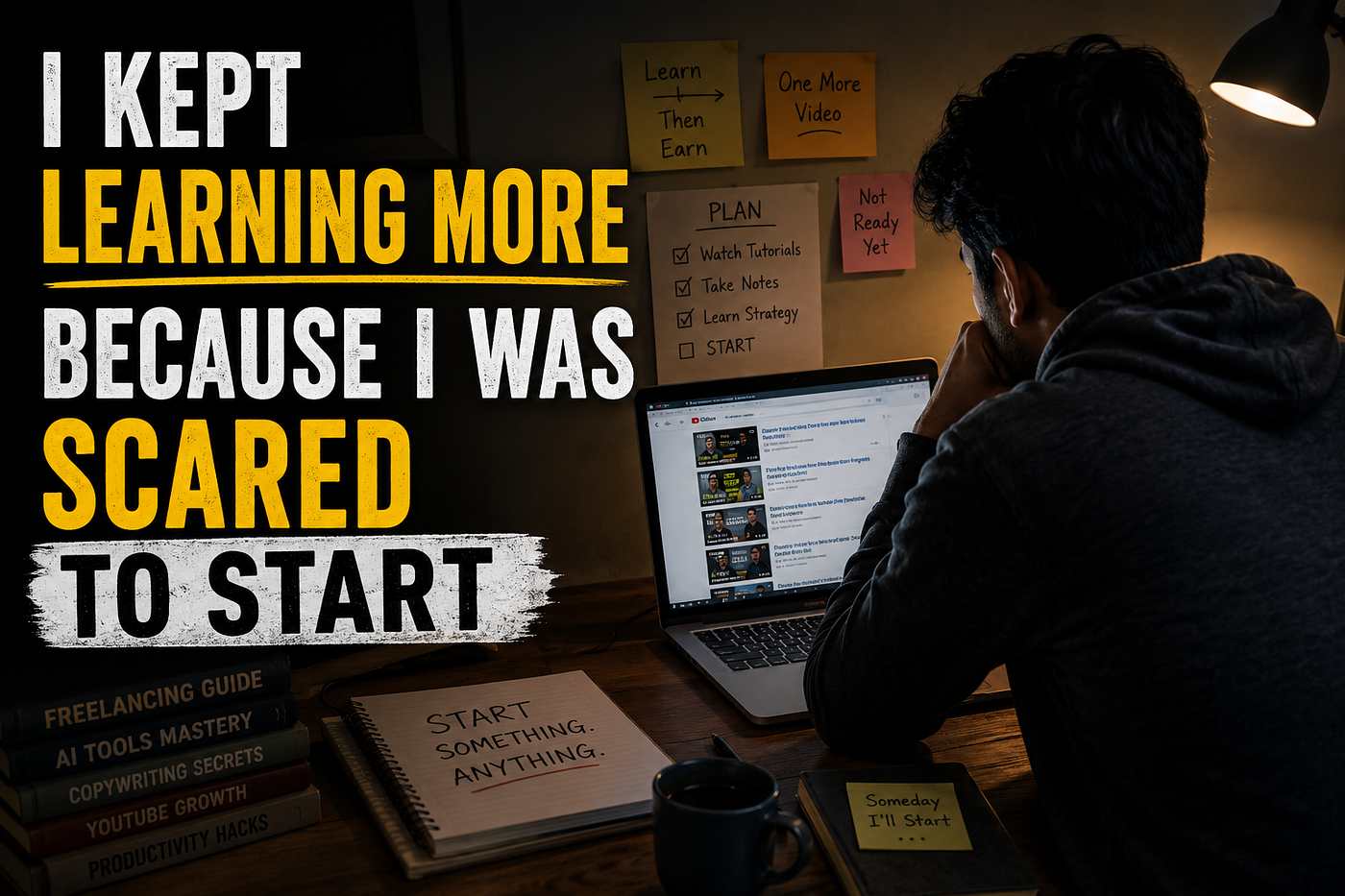
I have seen beginners spend more time designing routines than doing the thing. They create schedules, Notion dashboards, habit trackers, content calendars, and weekly plans. Everything looks organized. But when you ask what they actually finished this week, the answer is small.
I understand because I have done it too.
Planning feels clean.
Work feels messy.
Planning lets you imagine a better version of yourself.
Work shows you the current version.
That is why it is uncomfortable.
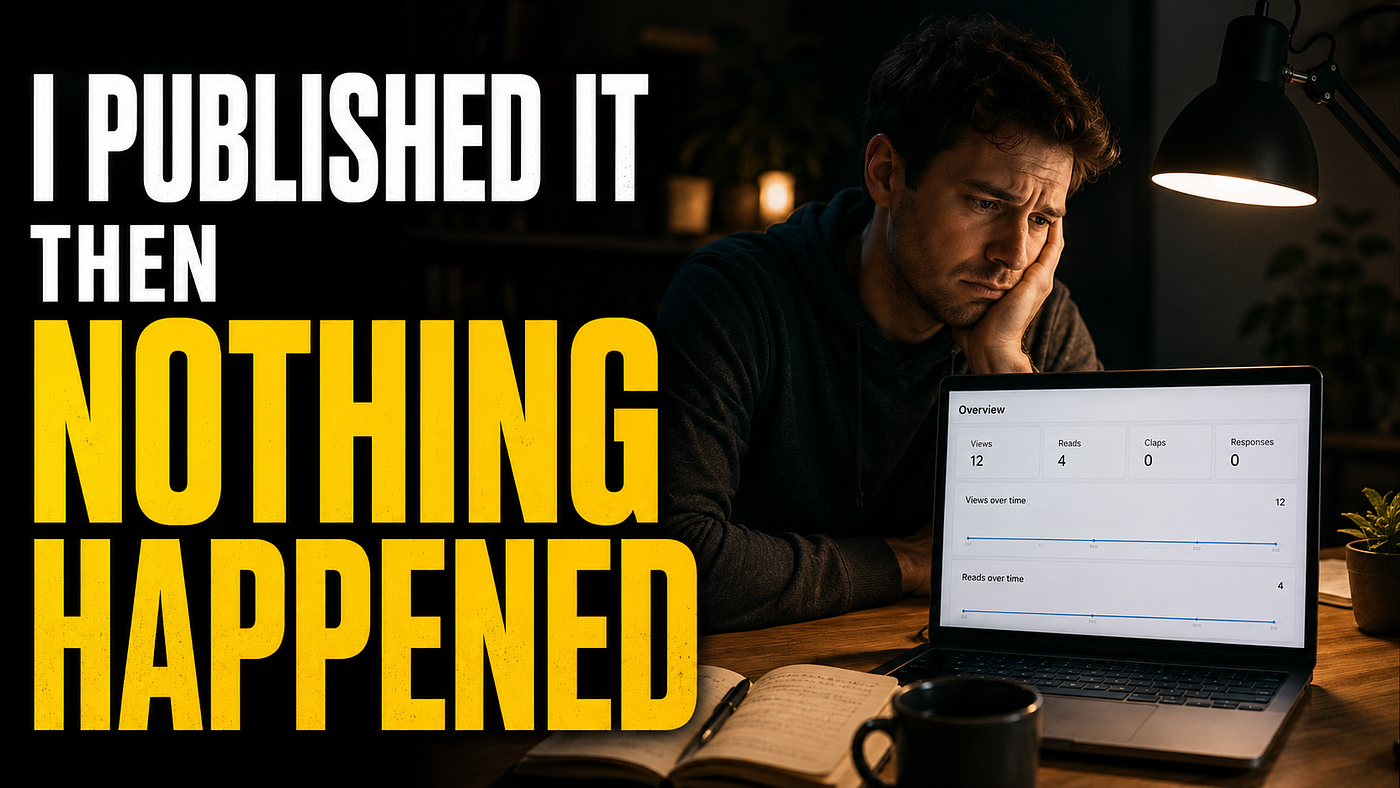
When you send a proposal, you may get ignored. When you publish an article, it may get no reads. When you offer a service, someone may say your price is too high. When you use AI to write something, the first draft may sound fake.
A routine cannot protect you from that.
It can only help you show up for it.
One small thing changed how I looked at productivity. I stopped asking, “What routine do successful people follow?” and started asking, “What keeps me from doing the next real task?”
Sometimes the answer was sleep.
Sometimes it was fear.
Sometimes it was unclear work.
Sometimes it was too many tools.
Sometimes it was that I had made the task too big.
If the task was “build my freelance career,” I avoided it.
If the task was “send one honest proposal,” I could do it.
If the task was “become a better writer,” it felt impossible.
If the task was “write one true paragraph about what happened today,” I could start.
That is when productivity became less fancy and more useful.
I did not need a perfect morning routine.
I needed a smaller door into the work.
There are still days when I fall for the perfect routine again. I see someone online with a clean schedule and I think maybe I should become like that. Maybe I should wake up earlier. Maybe I should work longer. Maybe I should rebuild my whole system.
Then I remember that morning at 5:00, sitting half-awake, already feeling like a failure before the day began.
I do not want productivity to make me hate myself.
I want it to help me work with the life I actually have.
So now my routine is less impressive.
I try to sleep a little better. I try to start with one real task. I try not to open ten tutorials before doing anything. I try to finish something small even when the day is not perfect.
Some days it works.
Some days it does not.
But at least I am not pretending that a stranger’s schedule will save me.
That morning, when I woke up late after trying to become a 5:00 a.m. person, I thought I had failed at discipline.
Maybe I had only learned something simple.
The best routine is not the one that looks good online.
It is the one that helps you begin again in your real life.
메타데이터
- post_id
- 11a153d6d260
- slug
- i-tried-to-copy-successful-peoples-routine-it-made-me-worse-11a153d6d260
- url
- https://medium.com/@ihsanullahsmi06/i-tried-to-copy-successful-peoples-routine-it-made-me-worse-11a153d6d260
- canonical_url
- https://medium.com/@ihsanullahsmi06/i-tried-to-copy-successful-peoples-routine-it-made-me-worse-11a153d6d260
- author_url
- https://medium.com/@ihsanullahsmi06
- status
- ok
- fetched_at
- 2026-07-22 05:07:27