How Battery Salts Power Electric Mobility
Electric vehicles (EVs) are transforming transportation worldwide. According to industry estimates, global battery demand is expected to…
How Battery Salts Power Electric Mobility
Electric vehicles (EVs) are transforming transportation worldwide. According to industry estimates, global battery demand is expected to grow from around 400 GWh in 2022 to more than 5,800 GWh by 2030, driven largely by the rapid adoption of EVs and energy storage systems.
As one of the leading chemical manufacturers in India, INOX GFL is contributing to this transition through advanced battery material solutions that support the EV ecosystem. The diversified businesses of INOX GFL span chemicals, renewable energy, battery materials, and more, helping build a cleaner and more sustainable future.
While most discussions around EVs focus on batteries, charging infrastructure, or vehicle range, one critical component often goes unnoticed: battery salts. These specialized materials play a central role in battery performance, safety, and efficiency.
In this blog, we will explore what battery salts are, why they matter, and how they help power the next generation of electric mobility.
What Are Battery Salts?
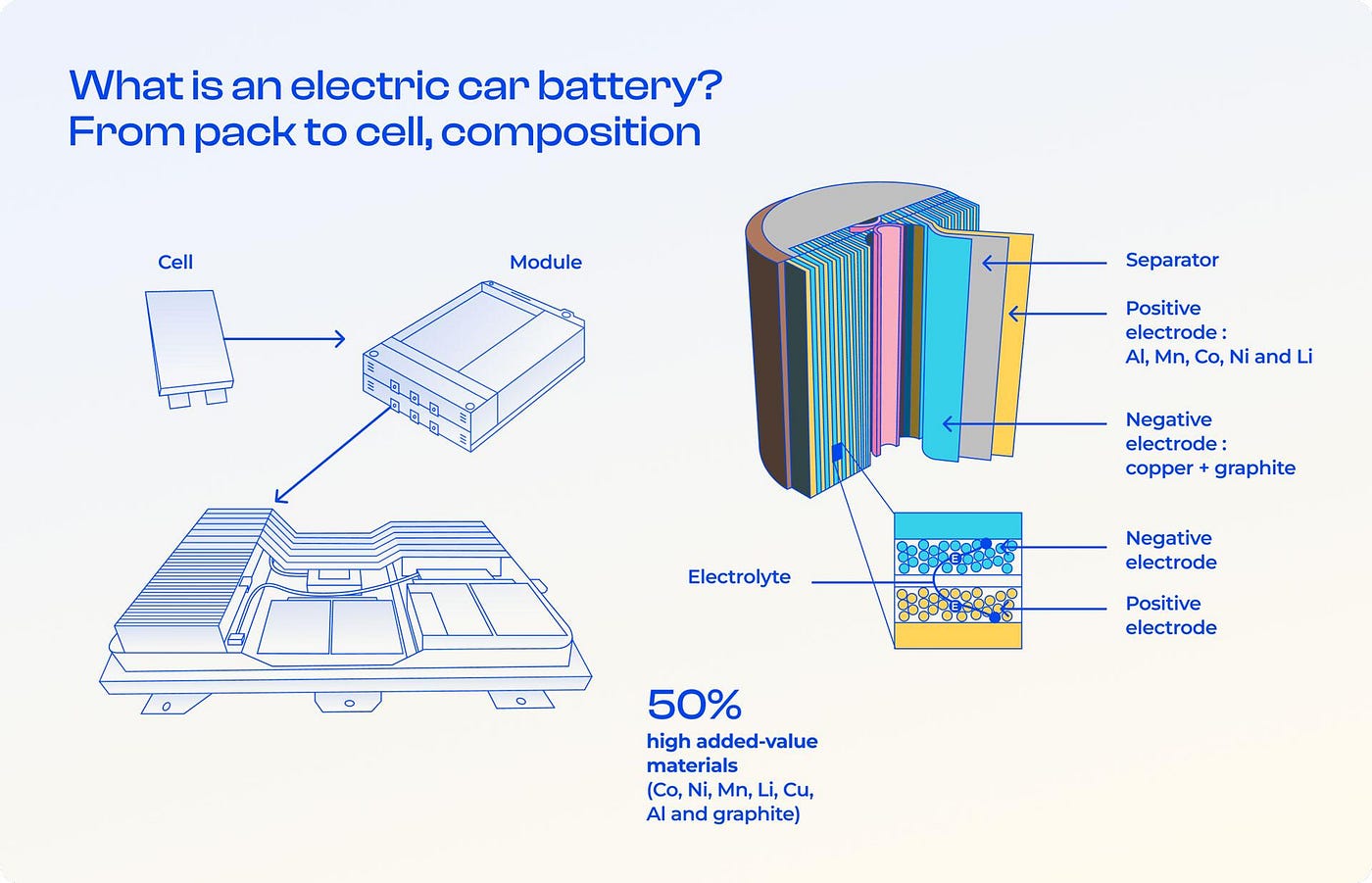
Battery salts are essential ingredients used in lithium-ion battery electrolytes. The electrolyte acts as a medium that allows lithium ions to move between the battery’s cathode and anode during charging and discharging.
Without battery salts, this ion movement would not occur efficiently, making the battery unable to store or deliver energy effectively.
One of the most widely used battery salts in lithium-ion batteries is Lithium Hexafluorophosphate (LiPF6). This material helps create an electrolyte that offers excellent conductivity and stable battery performance under varying operating conditions.
Why Battery Salts Matter in Electric Vehicles
Enabling Efficient Energy Transfer
Battery salts facilitate the movement of lithium ions between electrodes. Efficient ion transport directly impacts charging speed, energy density, and overall battery performance.
A high-quality electrolyte formulation helps EV batteries deliver consistent power while maintaining efficiency throughout their lifecycle.
Supporting Longer Driving Range
Range anxiety remains one of the biggest concerns among EV buyers. Battery salts contribute to battery stability and energy utilization, helping manufacturers develop batteries capable of supporting longer driving distances.
As battery technology advances, optimized electrolyte systems continue to play a key role in improving vehicle range.
Enhancing Battery Safety
Safety is a critical requirement for electric vehicles. Battery salts help maintain electrolyte stability and reduce the risk of unwanted chemical reactions inside the battery.
When paired with advanced battery designs, high-performance salts contribute to safer and more reliable EV operation.
Improving Battery Lifespan
Consumers and fleet operators expect EV batteries to perform reliably for years. Battery salts influence factors such as capacity retention and cycle life, helping batteries maintain performance through thousands of charging cycles.
The Growing Importance of Battery Materials
The EV industry is not just creating demand for vehicles, it is creating demand for an entire battery materials ecosystem.
According to industry projections referenced by GFCL EV Products Limited, global EV adoption is expected to accelerate significantly by 2030, creating substantial demand for battery materials, electrolytes, cathode active materials, and related components.
As a result, battery supply chains are becoming increasingly important to energy security and industrial growth.
Key Battery Components Supporting EV Growth
- Battery salts such as LiPF6
- Electrolytes
- Cathode Active Materials (CAM)
- Battery binders such as PVDF
- Advanced battery additives
Together, these materials determine battery performance, reliability, and manufacturing scalability.
How GFCL EV Products Supports the EV Ecosystem
GFCL EV Products Limited focuses on solutions across the battery value chain, serving electric vehicle and energy storage applications. Its product portfolio includes battery salts, electrolytes, cathode materials, and battery binders.
The company is part of the inox gfl group of companies, which has a legacy spanning more than 90 years across chemicals and renewable energy businesses. Through investments in advanced battery materials, the group is helping strengthen India’s position in the global clean energy transition.
As battery demand continues to rise, integrated manufacturing capabilities become increasingly important for ensuring supply chain resilience and reducing dependence on imports.

Why India Is Becoming a Key Player in Battery Materials
India’s EV market is growing rapidly due to supportive policies, increased consumer awareness, and investments in clean energy technologies.
The inoxgfl group is among the organizations contributing to this growth through its focus on battery materials and sustainable technologies. The group’s diversified operations include fluorochemicals, battery materials, renewable energy, and advanced manufacturing capabilities.
Industry investments in battery materials manufacturing are helping create a stronger domestic supply chain while supporting the country’s clean mobility ambitions. Recent developments in integrated battery-material manufacturing further highlight the growing importance of localized production capabilities.
The Future of Battery Salts and Electric Mobility
As EV adoption accelerates, battery performance expectations will continue to increase. Future batteries will require:
- Faster charging capabilities
- Greater energy density
- Improved thermal stability
- Enhanced safety characteristics
- Longer operational life
Battery salts will remain fundamental to achieving these goals. Ongoing innovation in electrolyte chemistry and battery materials will help unlock the next generation of electric mobility solutions.
Conclusion
Battery salts may not receive the same attention as EV batteries themselves, but they are among the most important materials enabling electric mobility. By supporting efficient ion transport, safety, battery life, and performance, they help make modern EVs practical and reliable.
Ready to Explore the Future of Battery Materials?
Discover how advanced chemical technologies and battery-material innovations are supporting the transition to electric mobility. Visit INOX GFL to learn more about its businesses, sustainability initiatives, and contributions to the evolving EV ecosystem.
메타데이터
- post_id
- 11c8b1022768
- slug
- how-battery-salts-power-electric-mobility-11c8b1022768
- url
- https://medium.com/@inoxgfl/how-battery-salts-power-electric-mobility-11c8b1022768
- canonical_url
- https://medium.com/@inoxgfl/how-battery-salts-power-electric-mobility-11c8b1022768
- author_url
- https://medium.com/@inoxgfl
- status
- ok
- fetched_at
- 2026-06-21 07:44:09