Heart Attack vs Cardiac Arrest: Understanding the Critical Differences
Heart attack and cardiac arrest are two medical emergencies that are often confused with one another. While both involve the heart and can…
Heart Attack vs Cardiac Arrest: Understanding the Critical Differences
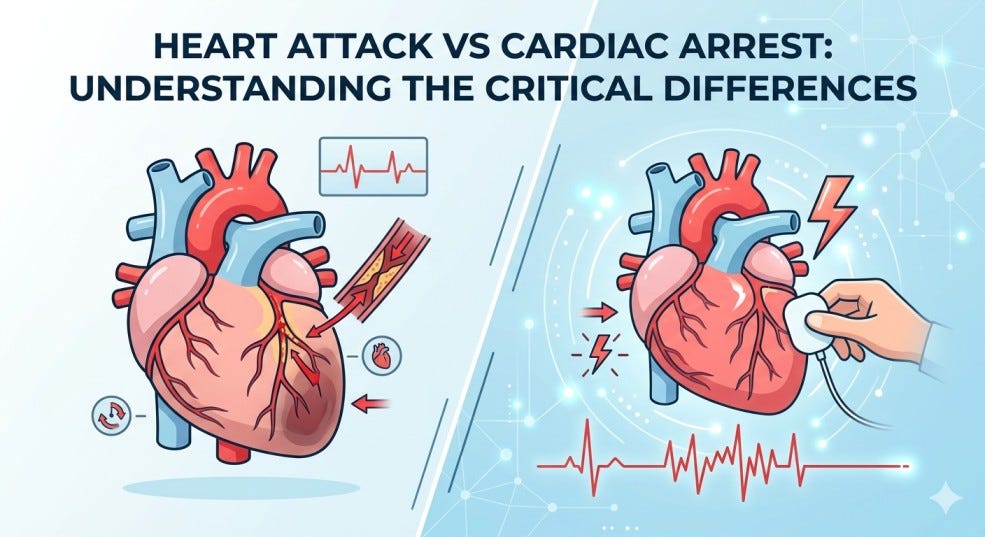
Heart attack and cardiac arrest are two medical emergencies that are often confused with one another. While both involve the heart and can be life-threatening, they are not the same condition. Understanding the difference can help people recognize symptoms early and seek timely medical attention, which may significantly improve outcomes.
What Is a Heart Attack?
A heart attack, medically known as a myocardial infarction, occurs when blood flow to a part of the heart muscle becomes blocked. This blockage is usually caused by the buildup of fatty deposits, cholesterol, and other substances in the coronary arteries. When blood cannot reach a section of the heart, that part of the heart muscle begins to suffer damage due to a lack of oxygen.
A heart attack does not necessarily cause the heart to stop beating. However, it is a serious condition that requires immediate medical treatment.
Common Symptoms of a Heart Attack
Symptoms of a heart attack may vary from person to person, but commonly include:
- Chest pain or discomfort
- Pressure, tightness, or squeezing sensation in the chest
- Pain that spreads to the arms, neck, jaw, back, or shoulders
- Shortness of breath
- Nausea or vomiting
- Excessive sweating
- Dizziness or lightheadedness
- Unusual fatigue
Some individuals, particularly women, older adults, and people with diabetes, may experience less typical symptoms, making recognition more challenging.
What Is Cardiac Arrest?
Cardiac arrest occurs when the heart suddenly stops pumping blood effectively due to an electrical malfunction. As a result, blood flow to the brain and other vital organs stops almost immediately. Without prompt intervention, cardiac arrest can lead to death within minutes.
Unlike a heart attack, cardiac arrest often happens suddenly and without warning.
Common Signs of Cardiac Arrest
The signs of cardiac arrest are usually immediate and severe:
- Sudden collapse
- Loss of consciousness
- No detectable pulse
- No breathing or abnormal gasping
- Unresponsiveness
Cardiac arrest is a medical emergency that requires immediate cardiopulmonary resuscitation (CPR) and, when available, the use of an automated external defibrillator (AED).
Can a Heart Attack Lead to Cardiac Arrest?
Yes. A heart attack can sometimes trigger cardiac arrest. When the heart muscle is damaged during a heart attack, it may interfere with the heart’s electrical system, causing dangerous rhythms that can result in cardiac arrest.
However, not every heart attack leads to cardiac arrest, and cardiac arrest can occur without a prior heart attack.
Risk Factors for Both Conditions
Several factors increase the risk of heart-related emergencies, including:
- High blood pressure
- High cholesterol
- Smoking
- Obesity
- Diabetes
- Physical inactivity
- Excessive alcohol consumption
- Family history of heart disease
- Chronic stress
Managing these risk factors can significantly reduce the likelihood of developing serious cardiovascular conditions.
What Should You Do in an Emergency?
If You Suspect a Heart Attack
- Call emergency medical services immediately.
- Have the person sit down and remain calm.
- Loosen tight clothing.
- Follow medical guidance while waiting for help.
If You Suspect Cardiac Arrest
- Call emergency services immediately.
- Begin CPR if trained.
- Ask someone to locate an AED if available.
- Continue CPR until professional help arrives.
Quick action can be the difference between life and death.
Prevention Tips for Better Heart Health
While not all heart emergencies can be prevented, healthy lifestyle choices can lower the risk:
- Follow a balanced diet rich in fruits, vegetables, and whole grains.
- Exercise regularly.
- Maintain a healthy weight.
- Avoid smoking and tobacco products.
- Manage blood pressure, cholesterol, and blood sugar levels.
- Get regular health check-ups.
- Learn your family history of heart disease.
Regular monitoring of cardiovascular health can help identify potential risks before they become serious problems.
Final Thoughts
Although the terms heart attack and cardiac arrest are often used interchangeably, they represent two distinct medical emergencies. A heart attack is a circulation problem caused by blocked blood flow to the heart, while cardiac arrest is an electrical problem that causes the heart to stop functioning properly.
Recognizing the symptoms of both conditions and seeking immediate medical attention can save lives. Greater awareness of these differences empowers individuals to respond quickly and effectively during a cardiac emergency, potentially improving survival and recovery outcomes.
메타데이터
- post_id
- 11e746d8bf35
- slug
- heart-attack-vs-cardiac-arrest-understanding-the-critical-differences-11e746d8bf35
- url
- https://medium.com/@aakashhazra/heart-attack-vs-cardiac-arrest-understanding-the-critical-differences-11e746d8bf35
- canonical_url
- https://medium.com/@aakashhazra/heart-attack-vs-cardiac-arrest-understanding-the-critical-differences-11e746d8bf35
- author_url
- https://medium.com/@aakashhazra
- status
- ok
- fetched_at
- 2026-06-11 22:20:54