A Real Guide to Feeding Vegetarians: Real Holiday Plant-Based Cooking (No Pretend Chicken)
Most “plant-based” meats are ultra-processed junk. Here’s what real vegetarian cooking looks like — no pretend chicken required.
A Real Guide to Feeding Vegetarians: Real Holiday Plant-Based Cooking (No Pretend Chicken)
How to feed pescatarians, vegetarians, and vegans without touching the fake-meat aisle — and why real plants beat plant-shaped food every time.
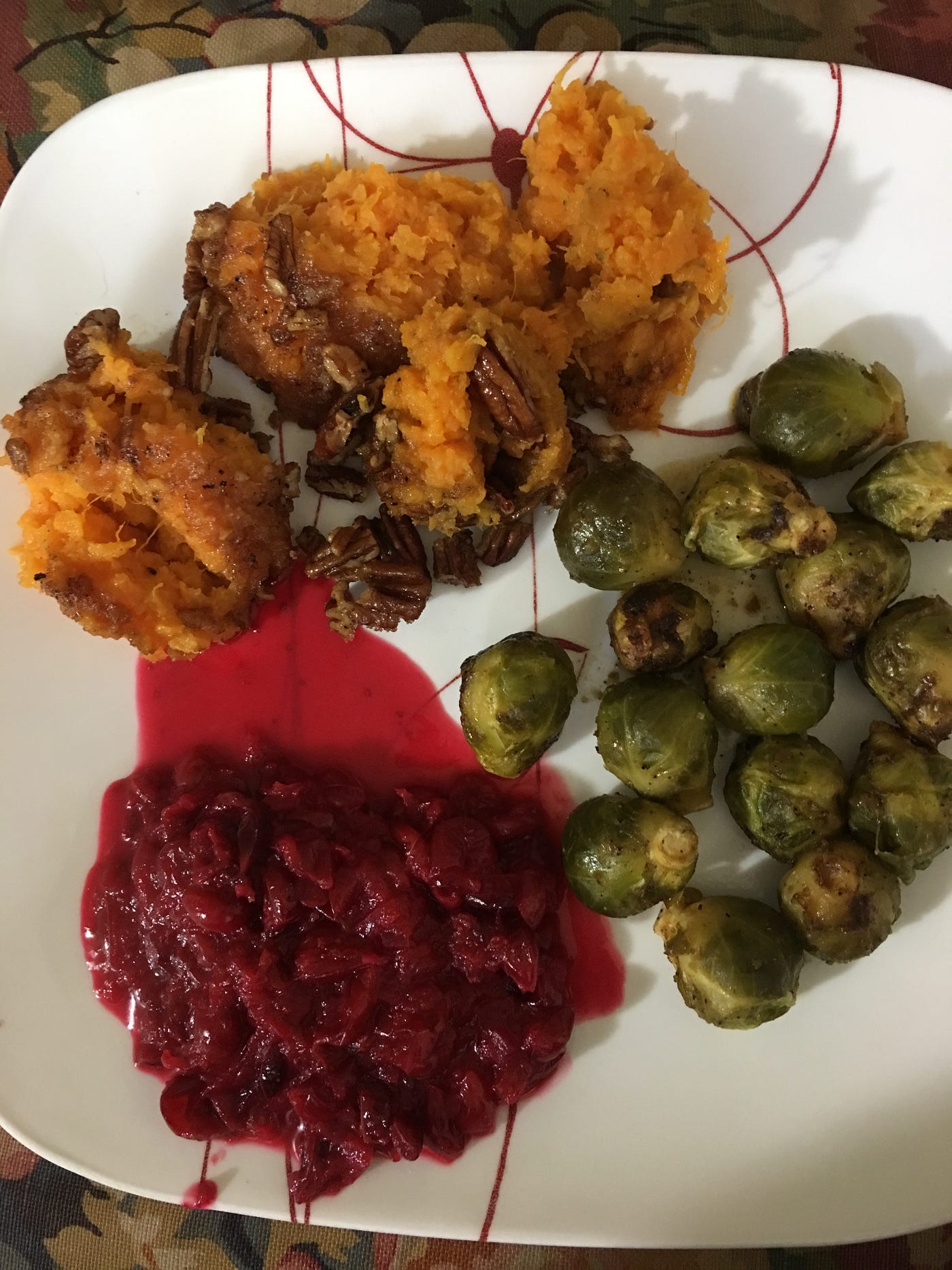
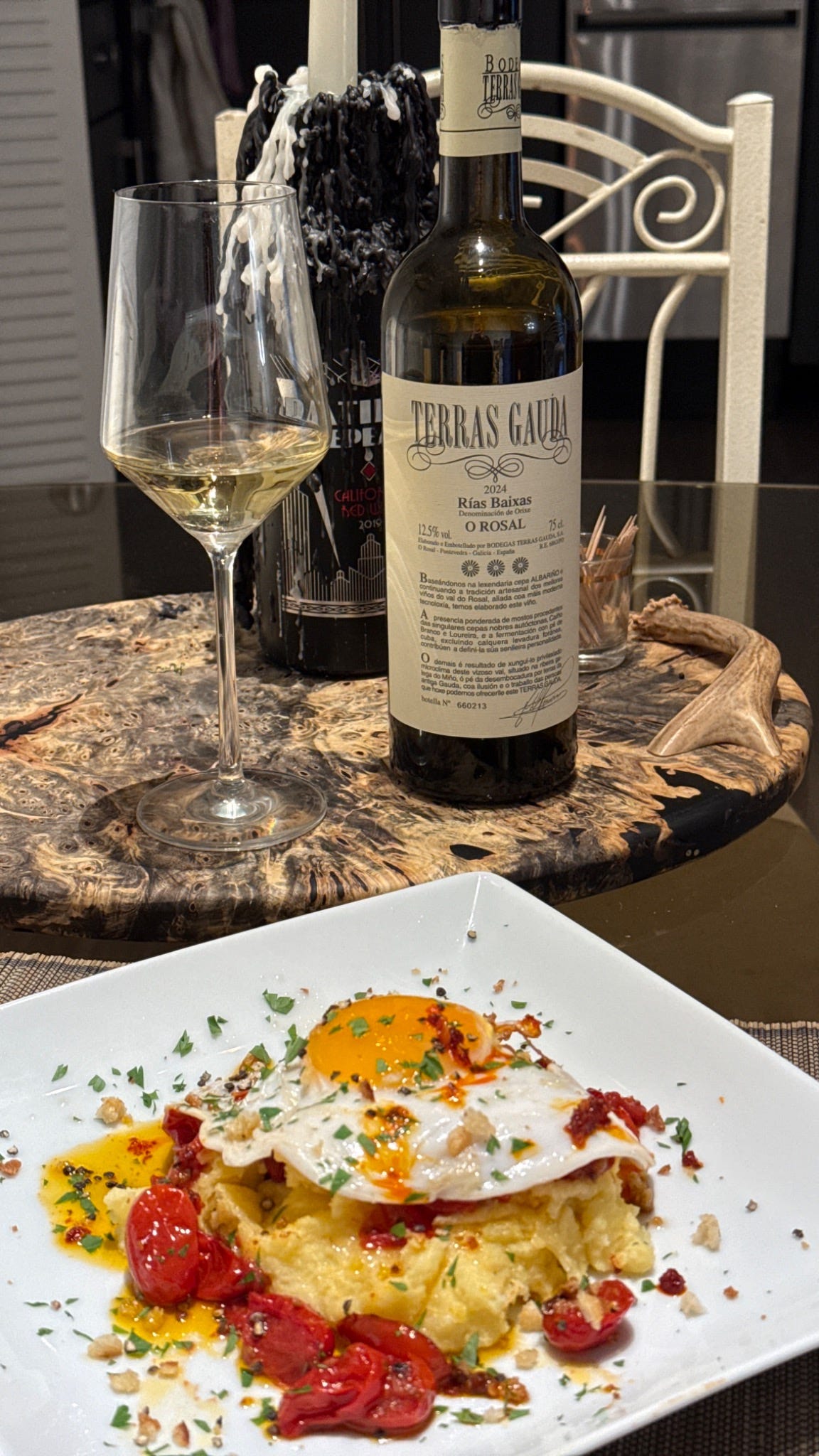
This is what a holiday vegetarian plate actually looks like — abundant, real, and nowhere near the fake-meat aisle.
Last week I explained how not to poison your guests. With the holidays coming, you’re probably going to feed a vegetarian or a vegan whether you planned for it or not. This week, I’m telling you what to actually serve them.
And here’s the part most hosts never seem to realize: almost every classic holiday side on your table is already vegetarian. Deviled eggs, mac and cheese, green bean casserole, sweet potatoes with marshmallows or pecan crunch, mashed potatoes, cranberry sauce, dinner rolls, pies, roasted vegetables, Brussels sprouts (just skip the bacon), and of course the cheese board.
A vegetarian won’t starve at your table. They’ll eat well — often better than the turkey brigade.
As for picky eaters? I can’t help you there. I’m as far from picky as a person can get, so that’s your battlefield, not mine.
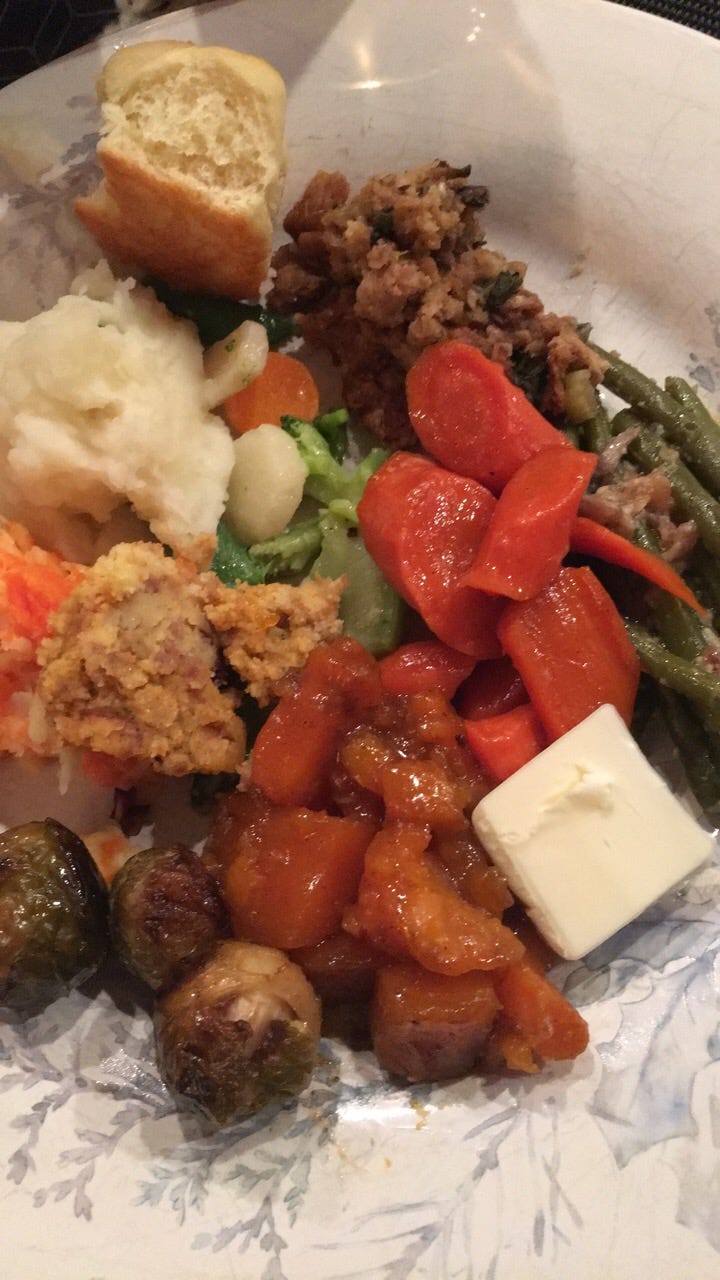
Most of your holiday table is already vegetarian — long before anyone invented plant-based nuggets.
The Spectrum: From “Fish Is Fine” to Hardcore Vegan
Before we go any further, let’s clear up the vocabulary. “Plant-based” is not one thing. There’s an entire spectrum, and if you don’t understand it, you’ll either offend someone or serve shrimp to a vegan and end up on their blacklist forever.
Pescatarian The lightest version: essentially a vegetarian who still eats fish and seafood. Dairy? Yes. Eggs? Yes. Cheese? Absolutely. Shrimp, salmon, scallops, octopus? All fair game. From a hosting standpoint, pescatarians are the easiest. They eat 90% of what you already cook, plus anything from the sea.
Ovo-lacto vegetarian The classic, mainstream vegetarian. No meat. No fish. But yes to eggs, cheese, milk, yogurt, butter. These are the guests who can demolish mac and cheese, quiche, green bean casserole, mashed potatoes, stuffing (as long as you don’t cook it inside the turkey), and every dessert on the table.
Ovo vegetarian Eggs yes, dairy no. They’ll eat the deviled eggs and cranberry sauce, but pass on the cheese board. Easy enough.
Lacto vegetarian Dairy yes, eggs no. They’ll take mashed potatoes and mac and cheese, but skip the deviled eggs. Still manageable.
Vegan No meat. No fish. No dairy. No eggs. No butter. No honey. No shortcuts, no exceptions.
This is where hosting actually gets tricky, because a true vegan avoids every animal product, including trace ingredients hidden in processed foods. These are the sprouted-bean, quinoa, tofu, nut-loaf, lentil-everything guests — and they’re often the most misunderstood, because anything without meat gets lazily labeled “vegan.”
And just to be clear: If a person eats real cheese, they are not vegan. Calling yourself vegan while eating Camembert doesn’t make it true. Words mean things — especially when you’re talking about food.
Why I Get to Be This Blunt
I’m not pulling this out of thin air.
Over thirty years ago, as part of my bachelor’s degree in hotel and restaurant management, I wrote a fully researched academic paper on vegetarian nutrition. Real research. Citations. Nutrient breakdowns. Dietary analysis. Long before “plant-based” became a marketing slogan, I was doing the homework.
I became vegetarian at sixteen — partly out of idealism, partly rebellion, and partly anorexia disguised as moral superiority. I wanted to stop animal cruelty. I also wanted control. Over my plate, over my body, over my life.
I was strict. I read every label. No meat extracts, no stock, no fish, no gelatin, no cochineal. And for the record, many wines and beers are neither vegetarian nor vegan, because they’re clarified with isinglass — a fish-derived product. It’s not just steak you have to think about.
With age, like a good wine, I mellowed. I’m now pescatarian — not because my vegetarian diet was unbalanced or unhealthy, but because I love seafood and fish. I don’t miss meat at all. I do miss salmon skin and grilled octopus, so they came back. Many of my meals are still vegetarian, some admittedly too dependent on cheese, but I was raised on real French cheese and real butter. There are limits to what I’m willing to sacrifice.
So when I say fake meat is not the solution, it’s not a hot take. It’s the conclusion of several decades of actually living this.
Plant-Based vs. Plant-Shaped
A plant-based diet is absolutely healthy — when it’s done right.
But what passes for “plant-based” in the American grocery aisle is usually a lie dressed in green packaging. Meatless meatballs, fake burgers, fake nuggets, plant-based bacon, vegan sausages… these products were not invented for vegetarians. They were designed for meat-eaters who want to feel virtuous without actually giving up the flavor or texture of meat.
Yes, most of these products are lower in saturated fat than beef. Fine. But let’s be honest: dietary cholesterol is not the villain it was made out to be, and eggs have finally been acquitted after decades in nutritional prison.
So what do you really get in most “vegan meats”?
Salt. Stabilizers. Gums. Preservatives. Flavour enhancers. Protein isolates. Food colourings. Long ingredient lists designed in a lab to imitate the chew of meat and survive a nationwide supply chain.
Ethically, they may feel better than a feedlot steak. Nutritionally, they sit in the exact same drawer as deli meat and frozen dinners: ultra-processed food.
And ultra-processed food isn’t just “not ideal.” It’s linked to higher risks of cancer and chronic disease. It doesn’t matter whether it started as a cow or as a pea protein isolate — once you’ve blasted it, extruded it, dyed it, flavoured it, and stabilised it, your body experiences it as industrial food, not as a chickpea.
A real plant-based diet is not about eating fake meat. It’s about eating plants.
Beans, lentils, chickpeas. Whole grains. Vegetables. Fruit. Nuts and seeds. Tofu, tempeh, seitan.
If you’re pescatarian, you add fish and seafood. If you’re ovo-lacto, you add eggs and dairy. If you’re vegan, you build your protein from legumes, grains, tofu, tempeh, and nuts. It’s not complicated — unless you’re addicted to everything arriving breaded and in nugget form.
“But Isn’t That Bland?” No. That’s Just Bad Cooking.
There’s this persistent idea that vegetarian or vegan food is boring — a sad beige plate of steamed vegetables and lentils that taste like punishment. That’s not a diet problem; that’s a cooking problem.
You want flavour? You need weapons.
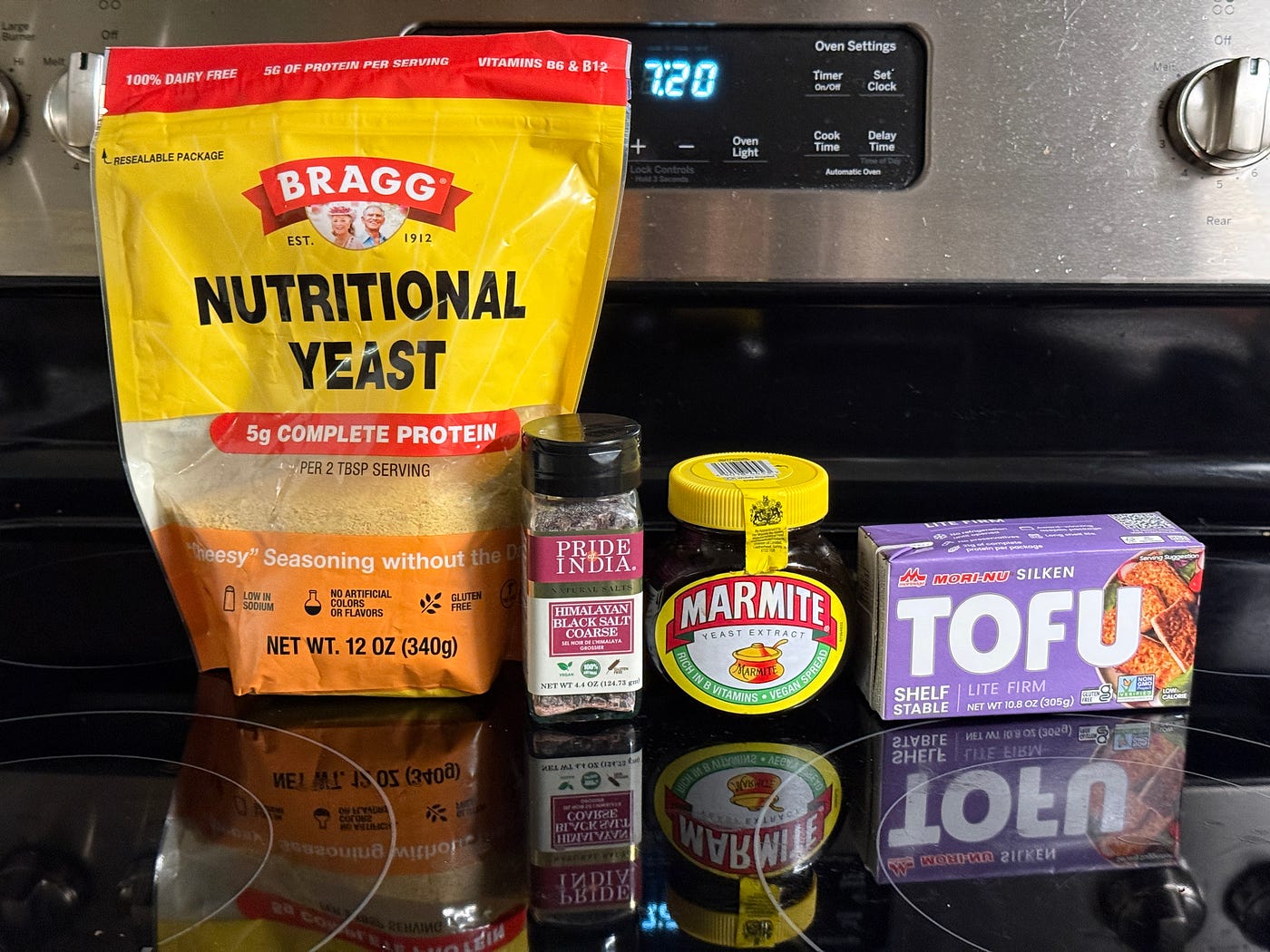
Actual plant-based staples — not ultra-processed imitation meat.
The Quiet Workhorse: Silken Tofu
Let’s start with the one nobody respects: silken tofu.
It’s not just cubes in miso soup. It’s the perfect cream substitute. Blend it and it becomes:
- the base for a pumpkin mousse,
- a velvety sauce for pasta,
- a creamy element in a gratin,
- the backbone of a chocolate or coffee dessert.
Full of protein, no weird ingredients, and it behaves better than half the “vegan cream” products on the market.
The Holy Trifecta: Marmite, Nutritional Yeast, Kala Namak
If you really want to understand real vegan and vegetarian cooking — not the Instagram version, the kitchen version — learn these three and keep them in your pantry.
Marmite A dark, salty, yeast-based paste. Looks aggressive, tastes like pure umami. A tiny amount in soups, stews, sauces, and gravies gives you the depth people chase with bouillon cubes and “flavour packets.” No mystery chemicals, no artificial beef aroma. Just concentrated savouriness.
Nutritional yeast Nutty, savoury, naturally rich in B-vitamins. This is what you sprinkle where other people reach for the green can of shelf-stable “Parmesan” that tastes mostly like salt and cellulose. Stir it into sauces, scatter it over roasted vegetables, fold it into mashed potatoes, add it to a tofu scramble. It gives you that “cheesy” hit without pretending to be cheese.
Kala namak Indian black salt. Smells like a dare, tastes like egg. High in sulfur compounds, it turns a tofu scramble into something that actually reminds you of scrambled eggs. Add a pinch to vegan mayo, chickpea salad, or a vegetable curry and suddenly the dish has character.
Between those three, you don’t need fake bacon bits. You don’t need “chicken-style” bouillon. You don’t need a plant-based sausage to feel like you’re eating real food.
These are not gimmicks. They’re staples in serious vegetarian and vegan kitchens. They’re also far closer to actual food than anything in the freezer aisle shaped like a nugget.
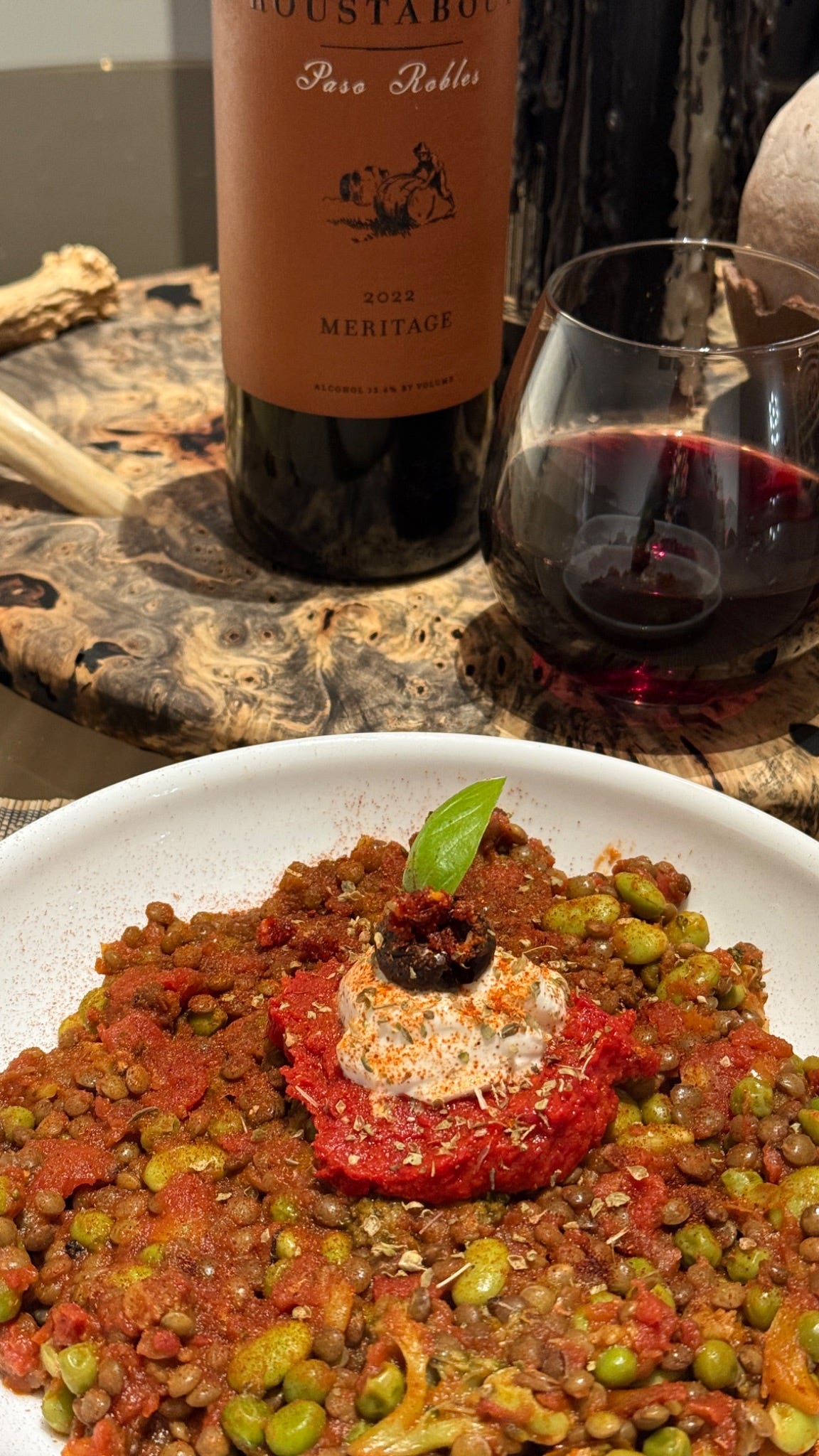
Real plants, real cooking, real pleasure.
What This Looks Like on a Plate
Real plant-based meals don’t need to apologize for anything.
- Red beans and rice with smoked paprika, Marmite in the base, and a shower of nutritional yeast on top.
- Spaghetti with tomato sauce and cannellini beans instead of ground beef — finished with olive oil and nooch instead of fake cheese.
- A chickpea tagine with preserved lemon and olives.
- A tofu scramble with onions, peppers, spinach, nutritional yeast, and kala namak that actually smells like breakfast.
- Fettuccine Alfredo made with real cream and cheese for your ovo-lacto guests — no chicken thrown in as an afterthought.
- A simple vegetarian pizza with good mozzarella, roasted vegetables, and a drizzle of olive oil instead of being buried under pepperoni.
Nobody at that table is deprived. They’re just not chewing through lab experiments.
Back to Your Holiday Table
So with the holidays coming, here’s the honest summary:
You don’t need to panic-buy meatless meatballs. You don’t need to stock Impossible burgers “just in case.” You don’t need vegan bacon that curls exactly like the real thing but reads like a chemistry exam.
You need:
- your existing sides (most are already vegetarian),
- one or two substantial dishes built on beans, grains, or tofu,
- and, if you’re feeling ambitious, a quiet flirtation with Marmite, nutritional yeast, and kala namak.
Your vegetarians and vegans will eat well, feel seen, and leave the table with their dignity (and arteries) intact.
Everyone else can enjoy their turkey. Nobody loses.
Just do me — and your guests — one favour:
Please put the meatless meatballs back in the freezer.
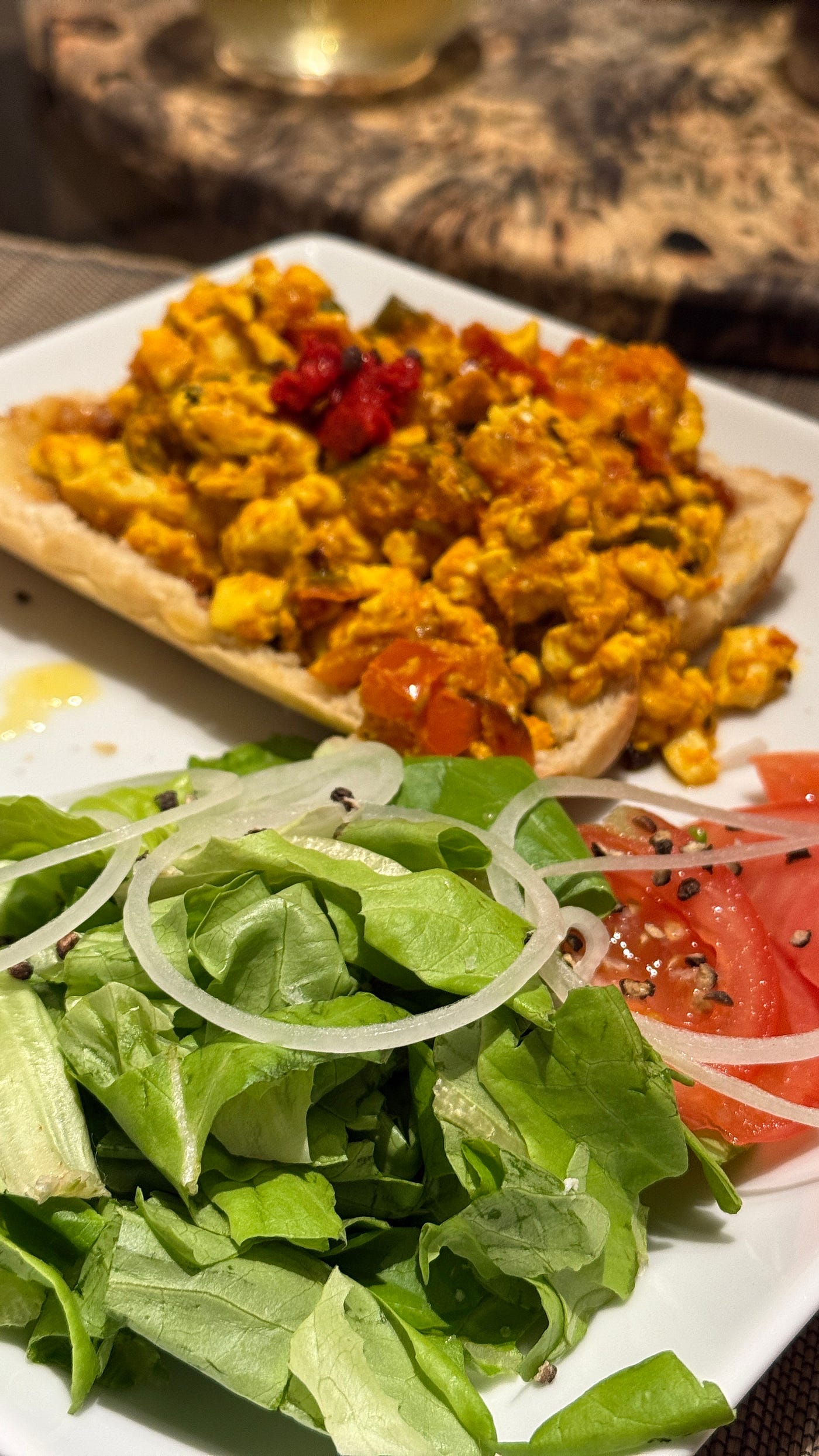
This is plant-based cooking: tofu, real vegetables, real flavor — no pretend chicken required.
If you’ve ever tried to feed vegetarians or vegans at the holidays — or if you are the vegetarian/vegan at the table — tell me: Are you eating plants, or things shaped like plants?
메타데이터
- post_id
- 11f162c8d7e4
- slug
- a-real-guide-to-feeding-vegetarians-real-holiday-plant-based-cooking-no-pretend-chicken-11f162c8d7e4
- url
- https://medium.com/@cathycirisan/a-real-guide-to-feeding-vegetarians-real-holiday-plant-based-cooking-no-pretend-chicken-11f162c8d7e4
- canonical_url
- https://medium.com/@cathycirisan/a-real-guide-to-feeding-vegetarians-real-holiday-plant-based-cooking-no-pretend-chicken-11f162c8d7e4
- author_url
- https://medium.com/@cathycirisan
- status
- ok
- fetched_at
- 2026-08-09 11:38:26