Sonar Kella
Among the many treasures that adorn the cinematic oeuvre of Satyajit Ray, Sonar Kella (The Golden Fortress) occupies a singularly luminous…
Sonar Kella
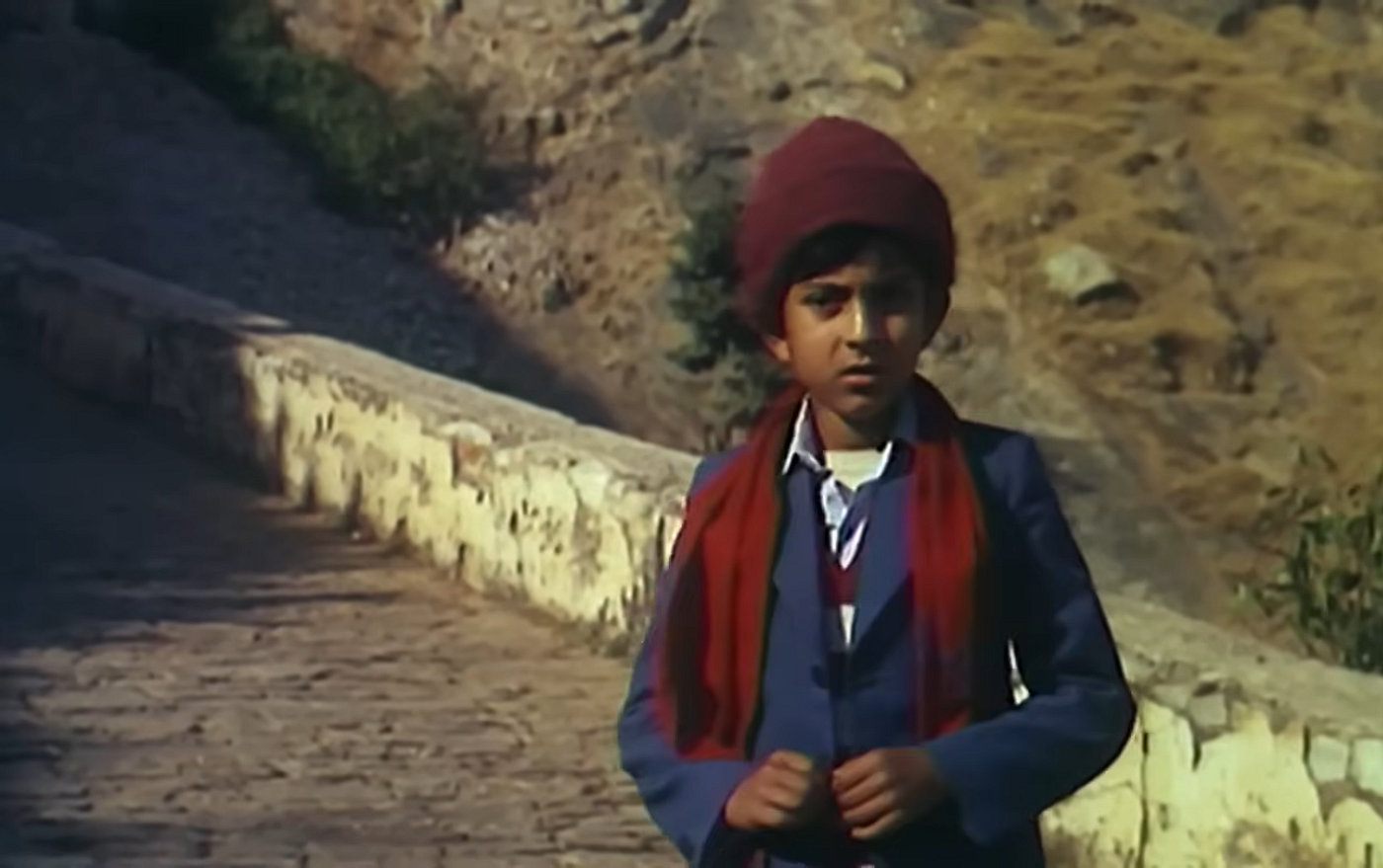
Among the many treasures that adorn the cinematic oeuvre of Satyajit Ray, Sonar Kella (The Golden Fortress) occupies a singularly luminous position. Released in 1974, it marked the first screen appearance of Ray’s legendary sleuth Feluda and remains one of the most accomplished adventure films ever produced in Indian cinema. Seamlessly blending mystery, humour, suspense, travelogue, and the ineffable sense of wonder that accompanies childhood, the film offers an experience that is as intellectually engaging as it is emotionally rewarding.
The story commences in Kolkata with a young boy, Mukul Dhar (Kushal Chakraborty), who claims to possess vivid memories of a previous life. His drawings are replete with recurring images of peacocks, warriors, precious jewels, and an enigmatic golden fortress. These extraordinary recollections attract the attention of the parapsychologist Dr. Hemanga Hajra (Shailen Mukherjee), who becomes convinced that the child’s memories may be linked to a former existence in the distant deserts of Rajasthan.
When Mukul’s story finds its way into the newspapers, it also attracts less benign interest. Two criminals, Amiyanath Burman (Ajoy Banerjee) and the notorious Mandar Bose (Kamu Mukherjee), become convinced that the boy possesses knowledge of a hidden treasure concealed within the legendary “Golden Fortress.” Driven by avarice and opportunity, they hatch a scheme to abduct the child and appropriate the supposed riches for themselves.
Alarmed for his son’s safety, Mukul’s father engages the services of the detective Prodosh Chandra Mitra — better known as Feluda (Soumitra Chatterjee). Accompanied by his young cousin and chronicler Topshe (Siddhartha Chatterjee), Feluda embarks upon a journey to Rajasthan to protect Mukul and unravel the mystery surrounding his extraordinary memories. Along the way they are joined by one of Bengali literature’s most beloved comic creations — Lalmohan Ganguly, immortalised under his pen name “Jatayu” (Santosh Dutta), a prolific author of extravagantly imaginative pulp thrillers.
What follows is an exhilarating pursuit across the vast landscapes of Rajasthan. Trains thunder across the countryside, camels traverse endless deserts, identities are mistaken, disguises abound, kidnappings occur, and danger lurks around every corner. Through this kaleidoscope of adventure, Feluda patiently assembles the pieces of the puzzle while striving to remain one step ahead of his adversaries.
The narrative reaches its climax at the majestic fort of Jaisalmer — the fabled Golden Fortress itself. There, Feluda uncovers the truth behind Mukul’s memories and exposes the greed and delusion that have propelled the villains’ actions. In a conclusion of characteristic restraint and wisdom, Ray gently reminds us that the most valuable treasures are seldom material; they reside instead in memory, imagination, and the richness of human experience.
Perhaps the film’s most enduring achievement is its introduction of Feluda to the cinematic screen. In Soumitra Chatterjee’s masterful portrayal, Feluda emerges as intelligent without arrogance, courageous without recklessness, and sophisticated without ever forfeiting his humanity. Unlike many screen detectives who depend upon dramatic confrontations or physical prowess, Feluda relies primarily upon observation, deduction, and psychological acuity. Chatterjee imbues the character with an effortless charisma, creating a detective who can stand comfortably alongside the great fictional investigators of world literature. Remarkably, the film achieves its thrills without resorting to overt violence, demonstrating that suspense need not be accompanied by brutality.
If Feluda provides the intellect, Jatayu provides the soul. Santosh Dutta’s performance is one of the great comic achievements in Indian cinema. Initially introduced as a source of humour, Jatayu gradually reveals unexpected reserves of loyalty, decency, and courage. His nervous disposition, colourful imagination, and accidental heroics generate some of the film’s most memorable moments. Ray’s genius lies in ensuring that he never descends into caricature; beneath the comedy resides a profoundly humane character whose virtues emerge most clearly when circumstances demand them.
Few Indian films have employed location with such narrative effectiveness as Sonar Kella. The golden sandstone architecture of Jaisalmer, the sweeping expanses of the Rajasthan desert, the rhythmic cadence of railway journeys, and the vibrant textures of local culture collectively create an atmosphere steeped in mystery and enchantment. Ray transforms the landscape into an active participant in the storytelling. The contrast between the crowded urbanity of Kolkata and the vast, almost timeless spaces of Rajasthan amplifies the sense of adventure. Crucially, the visual splendour never feels touristic or decorative; it remains organically integrated into the dramatic fabric of the film.
Beneath its surface as an engrossing detective thriller, the film also explores several deeper themes. Mukul’s alleged recollections invite reflection upon the nature of memory, identity, and selfhood. Ray wisely refrains from offering definitive answers regarding reincarnation, preferring instead to leave room for interpretation. Equally compelling is the film’s sensitivity towards the imaginative world of childhood. Whether Mukul’s visions are supernatural, psychological, or merely imaginative is ultimately less important than the sincerity with which Ray treats them.
The moral architecture of the film rests upon a striking contrast. The villains are consumed by dreams of wealth and possession, while Mukul remains innocent, uncorrupted, and untouched by greed. Feluda embodies reason and rationality, yet the narrative never entirely dismisses the possibility of mystery. This delicate equilibrium between scepticism and wonder constitutes one of the film’s most enduring charms.
As a filmmaker, Ray demonstrates extraordinary control over tone. Sonar Kella glides effortlessly between suspense, comedy, adventure, and childlike wonder without ever appearing uneven. The pacing is exemplary, allowing the mystery to unfold gradually and inviting viewers to participate in the process of deduction. The train sequences, in particular, remain masterclasses in visual storytelling and the gradual accumulation of tension. Soumendu Roy’s cinematography captures both the intimacy of character interactions and the grandeur of Rajasthan’s landscapes with equal finesse, while Ray’s own musical score enriches the narrative with motifs that evoke curiosity, danger, and adventure in equal measure.
Ultimately, Sonar Kella is far more than a detective story. It is an exhilarating adventure, a meditation on memory, a celebration of imagination, and an unforgettable journey through the landscapes and legends of Rajasthan. With its iconic trio of Feluda, Topshe, and Jatayu, its richly atmospheric setting, and Satyajit Ray’s impeccable craftsmanship, the film remains every bit as enchanting today as it was upon its release more than half a century ago.
An intriguing footnote to the film is its near-complete absence of female characters of consequence within the central narrative. For a filmmaker as perceptive and nuanced in his portrayal of women as Satyajit Ray, this is a notable anomaly. Indeed, Sonar Kella may well be the only major Ray film in which women play virtually no role in the unfolding of the principal story — an unusual distinction that further underscores the film’s singular place within the director’s extraordinary body of work.
메타데이터
- post_id
- 1237a583f418
- slug
- sonar-kella-1237a583f418
- url
- https://medium.com/@vram45/sonar-kella-1237a583f418
- canonical_url
- https://medium.com/@vram45/sonar-kella-1237a583f418
- author_url
- https://medium.com/@vram45
- status
- ok
- fetched_at
- 2026-08-03 04:28:35