How Is the Electric Bus Transforming Urban Mobility Across Cities?
Urban transportation is undergoing one of the most transformative shifts in recent history, driven by the rise of zero-emission solutions…
How Is the Electric Bus Transforming Urban Mobility Across Cities?

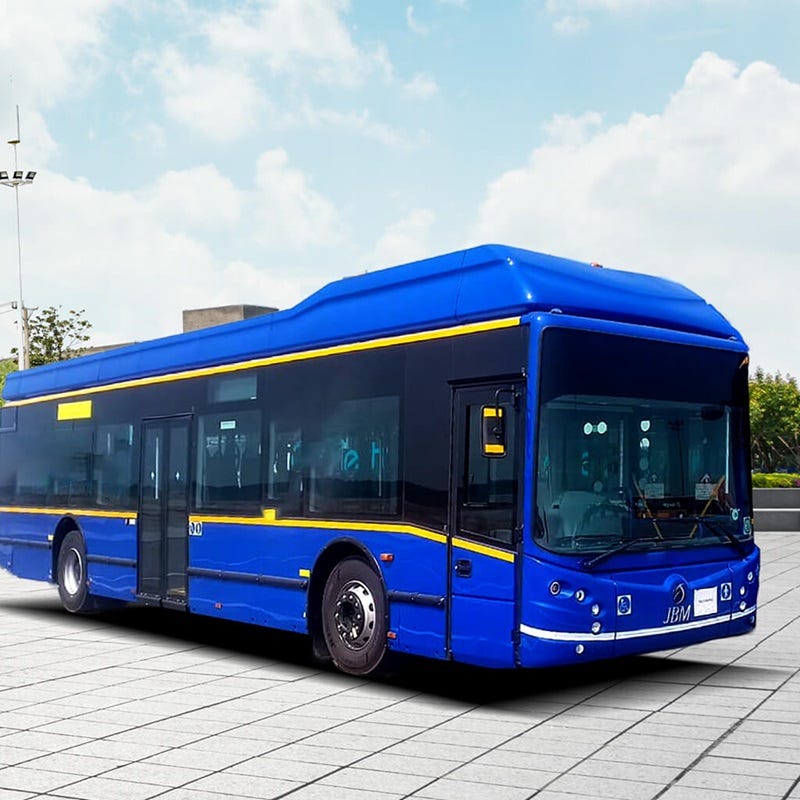
Urban transportation is undergoing one of the most transformative shifts in recent history, driven by the rise of zero-emission solutions and smarter mobility systems. Among these innovations, the **Electric Bus** stands out as a pivotal force reshaping how cities across the globe approach public transit, sustainability, and community well-being. From drastically cutting emissions to improving the daily commute experience for millions of riders, electric buses are redefining the future of urban mobility — and companies like JBM Group are at the forefront of this shift, enabling cities to adopt cleaner, more efficient transportation solutions with real impact.
The Need for Change: Urban Mobility Challenges
Traditional fossil-fuel-powered buses have been the backbone of public transportation in cities for decades, yet they come with environmental and operational drawbacks. Diesel buses emit nitrogen oxides, particulate matter, and other pollutants that degrade air quality and contribute to respiratory illnesses and climate change. They also generate significant noise pollution and are becoming increasingly expensive to operate as fuel costs rise.
Rapid urbanization further intensifies these challenges. Growing populations mean more vehicles on the road, increased congestion, and a greater burden on city infrastructures. To meet these pressures, urban planners and policymakers are shifting toward sustainable alternatives that can support high volumes of passengers without compromising environmental or social health.
Cleaner Air and Public Health
One of the most compelling benefits of electric buses is their ability to improve air quality. Because they have no tailpipe emissions, electric buses eliminate harmful pollutants like nitrogen oxides (NOx) and particulate matter (PM) that typically come from diesel engines. This reduction in pollutants directly benefits public health by lowering rates of asthma, bronchitis, and other respiratory conditions especially in densely populated urban areas where pollution tends to concentrate.
In addition, electric buses contribute to reductions in greenhouse gas emissions, helping cities meet climate action goals and align with global agreements like the Paris Accord. With transportation often accounting for a significant share of urban carbon footprints, transitioning to electric fleets is a critical step toward decarbonizing cities and mitigating long-term climate risks.
Economic Advantages and Operational Efficiency
While the upfront cost of purchasing electric buses and building charging infrastructure can be higher than traditional buses, the long-term operational savings are substantial. Electric buses have fewer moving parts, reducing the frequency of maintenance and the costs associated with engine repairs. Electricity is also typically cheaper than diesel fuel, leading to significant savings on energy expenses over the life of the vehicle.
Moreover, electric buses can offer higher uptime because they are less prone to mechanical failures. This means transit agencies can maintain consistent schedules and service reliability an important factor for passengers who depend on public transit for daily commuting. Over time, these economic benefits help justify initial investments and create more sustainable, resilient transit systems.
Enhanced Rider Experience and Urban Livability
Electric buses are quieter and smoother than their diesel counterparts, which significantly improves the comfort of both passengers and those living near bus routes. Reduced noise pollution contributes to a calmer urban environment, making city centers more pleasant places to live, work, and socialize.
Quiet operation also benefits bus drivers, reducing occupational noise exposure and creating better working conditions. Improved rider comfort paired with reliable, cleaner service can increase public transit ridership, encouraging a shift away from private car usage. This helps reduce traffic congestion and supports broader goals of sustainable urban planning.
Smart Infrastructure and Technological Integration
Modern electric buses are often part of broader smart city initiatives, incorporating advanced technologies like real-time tracking, automated route optimization, and intelligent charging systems. These smart features improve operational efficiency and make transit networks more responsive to demand patterns.
Cities can also integrate electric buses with renewable energy sources such as solar or wind, further enhancing sustainability. Charging depots powered by clean energy not only lower carbon footprints but also minimize pressure on urban grids and promote energy independence. This synergy between transportation and clean energy systems is a key component of the urban mobility solutions of tomorrow.
Scaling Impact: Demonstrated Success and Global Adoption
Multiple cities worldwide are accelerating the adoption of electric buses. From early adopters like Shenzhen — which successfully electrified its entire bus fleet to rapidly expanding deployments in Indian metros under national initiatives, electric buses are becoming central to urban transit strategies. These deployments have driven notable improvements in air quality, reduced fuel usage, and provided cleaner alternatives to traditional transit models.
In India alone, financial partnerships and large-scale funding commitments are enabling tens of thousands of electric buses and charging stations to be deployed across states and municipalities. These initiatives not only reduce emissions but also create jobs in manufacturing, maintenance, and infrastructure development, strengthening local economies.
Holistic Mobility Solutions by Industry Leaders
Companies like JBM Group are playing a critical role in supporting cities as they transition to electric public transport. Through comprehensive electric mobility platforms that include vehicles, batteries, charging infrastructure, and digital fleet management tools, they’re creating holistic solutions that address the full lifecycle needs of electric bus deployments.
Their focus on innovation, sustainability, and operational excellence helps municipalities and transit agencies adopt electric buses with confidence, ensuring that cities can deliver reliable, clean, and cost-effective transportation services to their citizens.
Conclusion: A Transformative Shift
Electric buses are far more than a technological upgrade; they represent a holistic reimagining of urban mobility. By reducing air and noise pollution, cutting operating costs, enhancing rider experiences, and integrating with smart city frameworks, they address many of the key challenges facing modern cities. Supported by forward-looking companies and ambitious public policies, the adoption of electric buses is helping cities worldwide move toward a cleaner, healthier, and more efficient future.
As cities continue to grow and evolve, electric buses will remain central to efforts that prioritize sustainability, equity, and quality of life proving that public transit can be both environmentally responsible and capable of meeting the dynamic needs of urban populations.
메타데이터
- post_id
- 124cf4ff5dfb
- slug
- how-is-the-electric-bus-transforming-urban-mobility-across-cities-124cf4ff5dfb
- url
- https://medium.com/@rahulkumarsingh416/how-is-the-electric-bus-transforming-urban-mobility-across-cities-124cf4ff5dfb
- canonical_url
- https://medium.com/@rahulkumarsingh416/how-is-the-electric-bus-transforming-urban-mobility-across-cities-124cf4ff5dfb
- author_url
- https://medium.com/@rahulkumarsingh416
- status
- ok
- fetched_at
- 2026-07-13 06:23:13