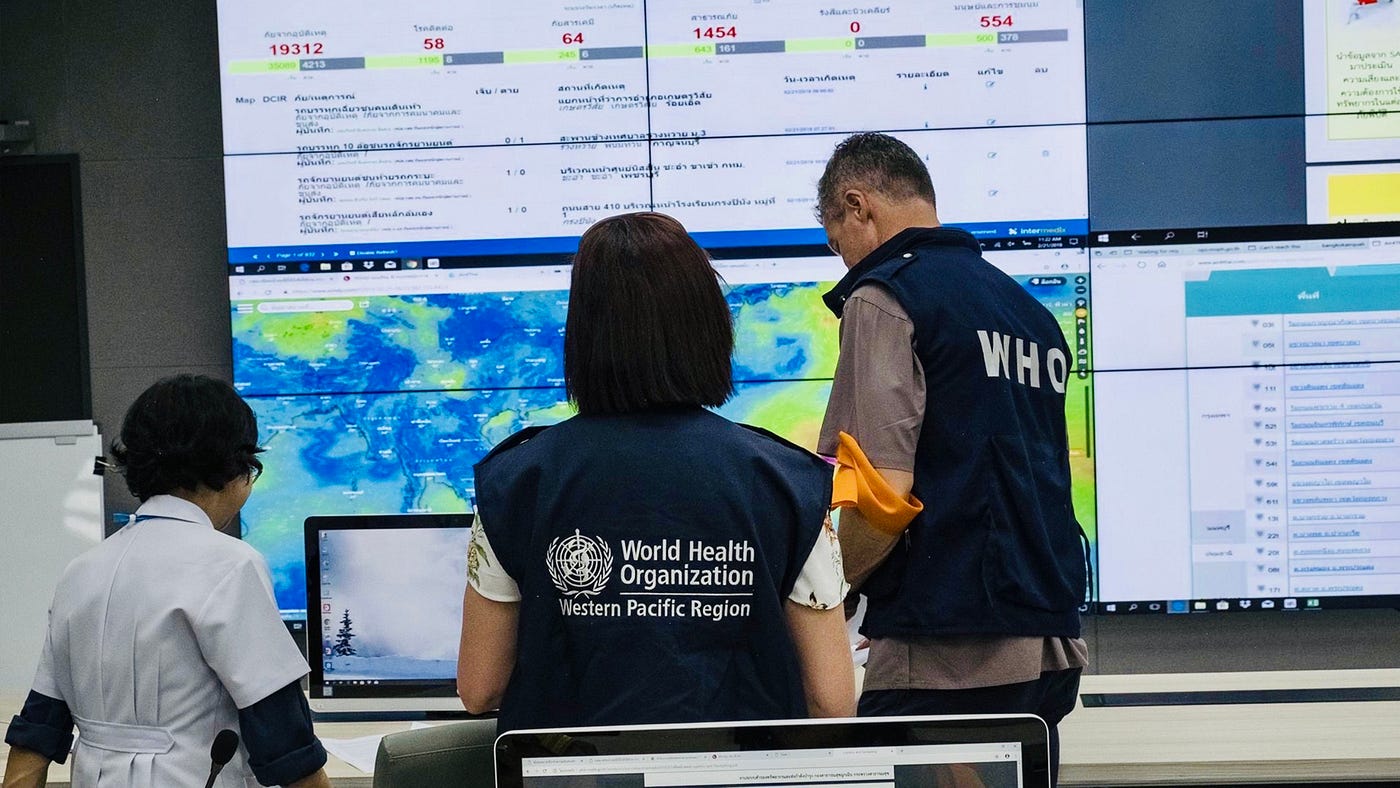
Microplastics Are Now Being Found Inside Human Organs
Scientists are increasingly detecting microscopic plastic particles throughout the human body as researchers investigate possible long-term…
Microplastics Are Now Being Found Inside Human Organs
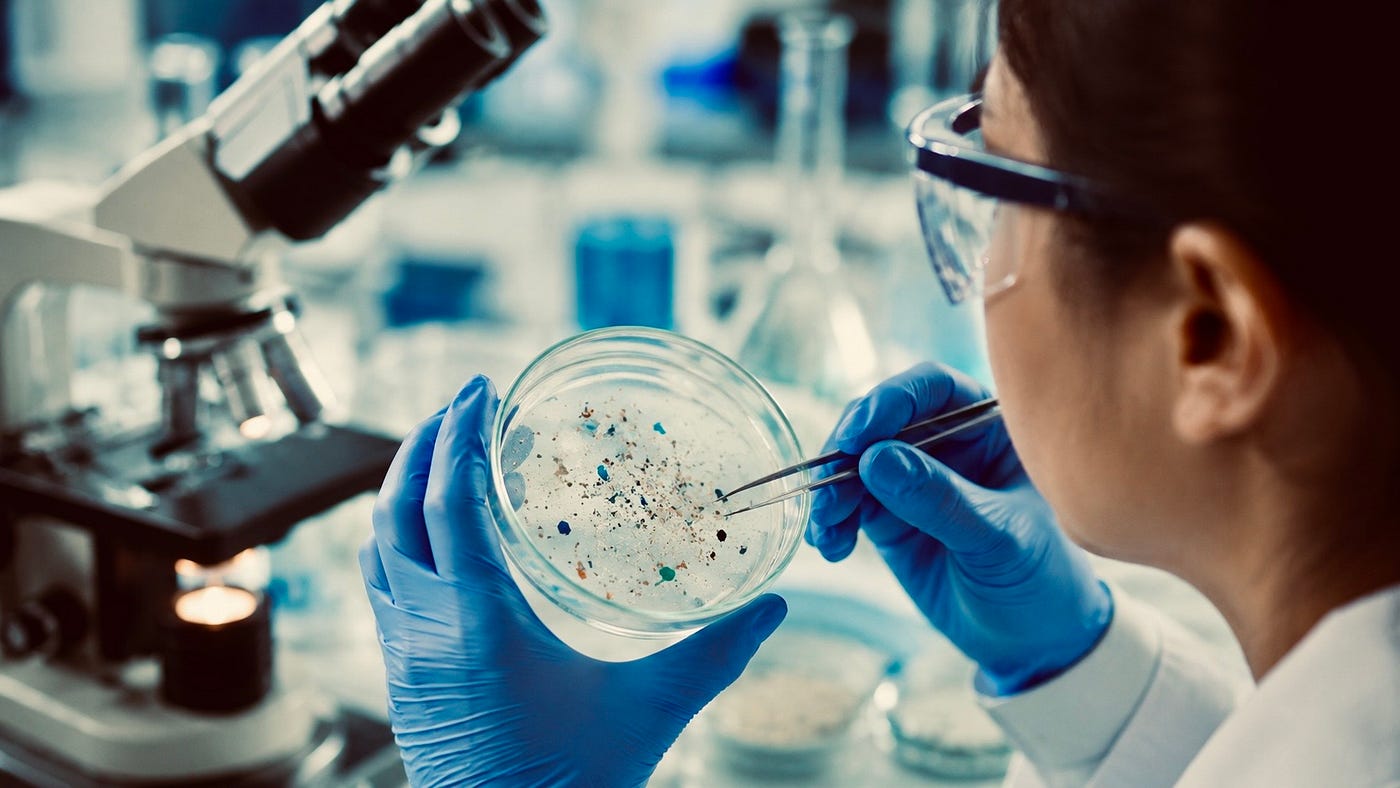
Scientists are increasingly detecting microscopic plastic particles throughout the human body as researchers investigate possible long-term health impacts
Plastic pollution is no longer just an environmental issue.
Scientists are now finding microscopic plastic particles inside the human body itself.
Read the full Universal Record report: https://universalrecord.org/2026/05/20/microplastics-human-organs/
Microplastics, tiny plastic fragments produced from degraded packaging, synthetic fabrics, industrial materials, and consumer products, have now been detected in human blood, lungs, placentas, reproductive tissues, and even parts of the brain.
What was once viewed primarily as an ocean pollution problem has rapidly evolved into one of the most closely watched global public health research topics.
Originally reported by *The Universal Record*
Researchers across Europe, North America, and Asia are increasingly studying how chronic exposure to microscopic plastic particles could affect inflammation, hormone regulation, cardiovascular health, fertility, neurological function, and immune system responses over time.
Scientists emphasize that many long-term health effects remain uncertain. However, the growing presence of microplastics within biological systems has intensified calls for deeper investigation into how these particles interact with human tissues.
The scale of exposure is difficult to avoid.
Microplastics have already been identified in bottled water, seafood, table salt, household dust, packaged foods, and even air samples collected in major cities and remote environments.
As plastics continue breaking down into increasingly smaller particles, researchers believe humans may be inhaling and ingesting microscopic fragments continuously throughout daily life.
Some scientists warn that nanoplastics, particles even smaller than microplastics, may present an even greater concern because of their ability to penetrate cells and cross biological barriers more easily.
The issue matters now because research published over recent years has dramatically expanded evidence showing that plastic particles are circulating through ecosystems and biological systems worldwide.
Researchers are now trying to answer a far more difficult question: what happens after these particles enter the body?
Early studies have explored possible links between microplastic exposure and inflammation, oxidative stress, cellular damage, and disruptions to hormone activity. However, scientists caution that research is still developing and many findings remain preliminary.
There is currently no global scientific consensus on the full extent of health risks associated with long-term microplastic accumulation in humans.
At the same time, governments, environmental agencies, and medical researchers are facing growing pressure to respond as public awareness increases.
Several countries have already introduced restrictions targeting certain single-use plastics, microbeads, and industrial pollutants. Researchers are also studying filtration systems, alternative materials, and manufacturing changes aimed at reducing environmental plastic contamination.
The debate extends beyond health alone.
Scientists increasingly view microplastics as part of a much larger global issue involving waste management, industrial production, consumer behaviour, food systems, and long-term environmental sustainability.
Some researchers warn that without major changes to plastic production and disposal practices, microscopic plastic contamination could continue expanding across ecosystems and human populations for decades.
Others argue technological innovation and improved recycling systems may eventually help reduce exposure risks.
For now, researchers continue working to better understand one of the most complex environmental health questions of the modern era.
How much plastic is already inside us, and what does it mean long-term?
Full breakdown and source reporting: https://universalrecord.org/2026/05/20/microplastics-human-organs/
메타데이터
- post_id
- 124e9eaba29b
- slug
- microplastics-are-now-being-found-inside-human-organs-124e9eaba29b
- url
- https://medium.com/@pathofonejourney/microplastics-are-now-being-found-inside-human-organs-124e9eaba29b
- canonical_url
- https://medium.com/@pathofonejourney/microplastics-are-now-being-found-inside-human-organs-124e9eaba29b
- author_url
- https://medium.com/@pathofonejourney
- status
- ok
- fetched_at
- 2026-06-09 15:37:30