What Happens After Harvest? The Hidden Role of Warehousing in India’s Agricultural Supply Chain
The harvest is done. The fields are cleared. The produce is ready.
What Happens After Harvest? The Hidden Role of Warehousing in India’s Agricultural Supply Chain

The harvest is done. The fields are cleared. The produce is ready.
But here’s a question that often goes unnoticed: what happens next?
For many, agriculture seems to end at harvest. But in reality, that’s where another equally critical journey begins. Crops must be stored, preserved, financed, and eventually moved to markets. And in this journey, one factor quietly determines whether value is preserved or lost.
That factor is warehousing.
In India, where agriculture operates at a massive scale, the way commodities are stored after harvest can significantly impact prices, quality, and even farmer incomes. And as the agricultural ecosystem evolves, warehousing is becoming smarter, more structured, and deeply integrated with finance and technology.

The Storage Challenge India Has Long Faced
India produces hundreds of millions of tonnes of agricultural commodities every year. Yet, for a long time, storage infrastructure has struggled to keep pace with this scale.
Consider this:
- India produces millions of tonnes of food grains annually.
- India suffers food losses of about Rs. 1.53 lakh crore (USD 18.5 billion) every year, largely due to inadequate storage and supply chain inefficiencies.
- A significant portion of warehousing infrastructure is still fragmented or unorganised.
This gap between production and storage has real consequences. When storage is inadequate, farmers are often forced to sell immediately after harvest, when prices are typically at their lowest.
So the question becomes: What if storage could do more than just store?
When Warehousing Becomes Strategic
Modern agricultural warehousing is beginning to answer that question. Instead of being passive storage spaces, warehouses today are evolving into active nodes within the agricultural supply chain. They are becoming places where commodities are not just stored, but managed, monitored, and even financed.
Here’s how warehousing is changing:
- Scientific storage practices help maintain quality and reduce spoilage
- Digital inventory systems improve tracking and transparency
- Quality certification and grading enable better price realisation
- Integration with financial services allows stored commodities to be used as collateral
This shift is important because it changes the role of warehousing from a cost centre to a value-creating asset.

The Link Between Warehousing and Agricultural Finance
One of the most interesting developments in this space is the growing connection between warehousing and finance. When commodities are stored in certified warehouses, they can serve as collateral for loans through systems such as warehouse receipt financing. This allows farmers and traders to avoid distress selling and instead access liquidity while waiting for better market prices.
This approach offers multiple advantages:
- Farmers can hold their produce longer and sell when prices improve
- Traders can manage inventory more efficiently
- Financial institutions gain greater confidence in lending, backed by physical assets
As agricultural markets become more structured, this integration between storage and finance is becoming increasingly important.
Technology Is Reshaping Warehousing
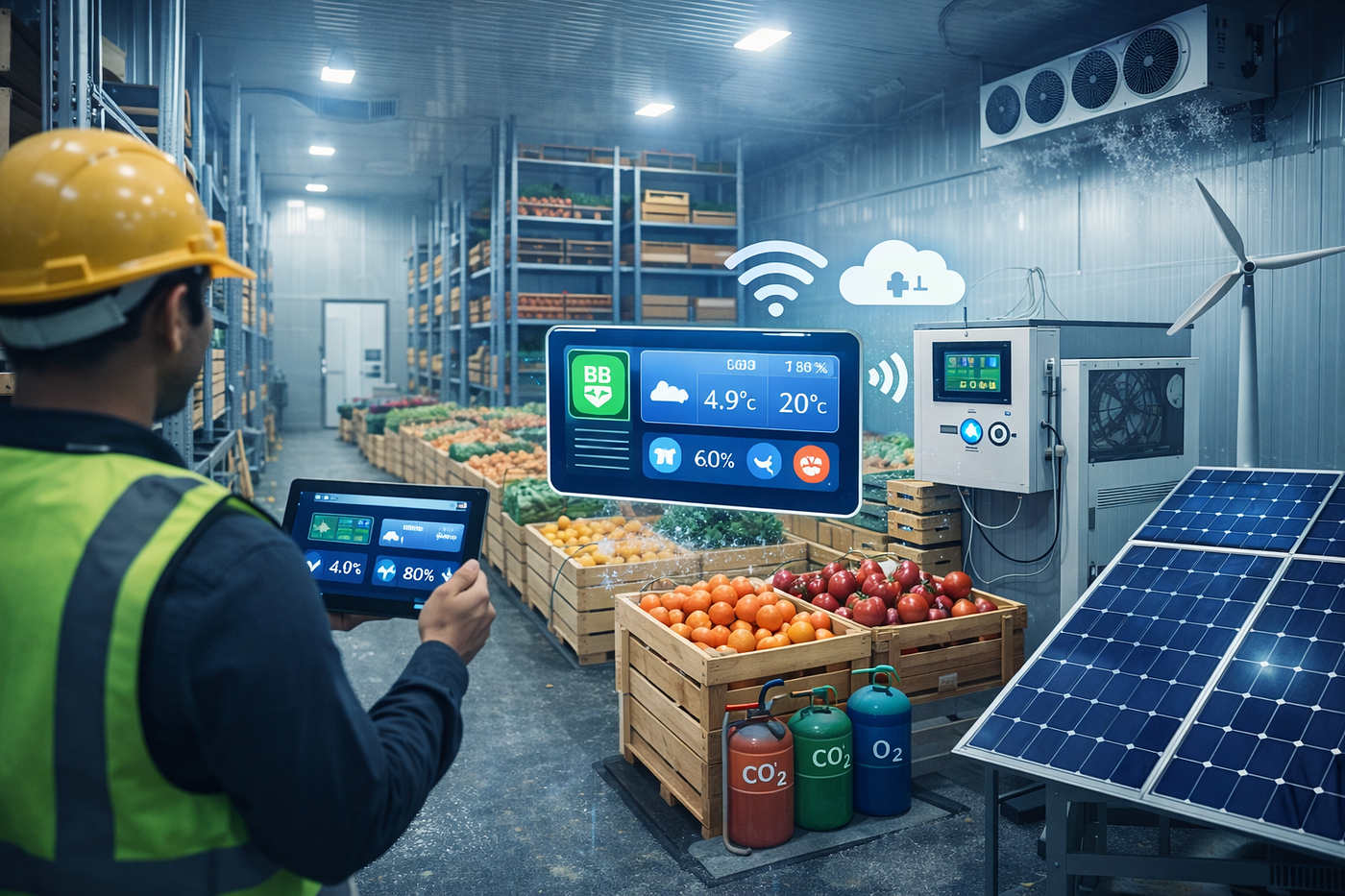
Another layer of transformation is being driven by technology. Warehousing today is increasingly about data, monitoring, and risk management. Some of the technologies shaping modern warehousing include:
- IoT-based monitoring systems to track temperature and storage conditions
- AI-driven analytics to optimise inventory management
- Digital platforms for real-time stock visibility
- Remote sensing and surveillance systems for risk mitigation
These innovations are helping reduce losses, improve efficiency, and bring greater transparency to agricultural storage systems.

StarAgri’s Role in Strengthening Storage and Collateral Management
As warehousing evolves, StarAgri is helping build a more structured and efficient post-harvest ecosystem. StarAgri operates across warehousing and collateral management services, supporting the agricultural supply chain with solutions designed to improve storage efficiency and enable financing.
Key aspects of StarAgri’s offerings include:
- Scientific warehousing infrastructure for safe and efficient commodity storage
- Collateral management services that enable commodities to be used as secure financial assets
- Inventory monitoring and risk management systems to ensure transparency and control
- Support for warehouse receipt financing, helping unlock liquidity for farmers and traders
By combining storage infrastructure with risk management and financial enablement, StarAgri plays a critical role in bridging the gap between agricultural production and market access.
Why Warehousing Is Becoming the Backbone of Agri Supply Chain
As agricultural markets become more organised and demand becomes more dynamic, warehousing is emerging as a key enabler of efficiency. Well-developed storage systems can:
- Reduce post-harvest losses
- Improve price realisation for farmers
- Enable smoother supply chain operations
- Support structured agricultural financing
In many ways, warehousing sits at the intersection of agriculture, logistics, and finance, making it one of the most critical components of the agri ecosystem.
메타데이터
- post_id
- 12936ae91fa2
- slug
- what-happens-after-harvest-the-hidden-role-of-warehousing-in-indias-agricultural-supply-chain-12936ae91fa2
- url
- https://medium.com/@socialmedia_11415/what-happens-after-harvest-the-hidden-role-of-warehousing-in-indias-agricultural-supply-chain-12936ae91fa2
- canonical_url
- https://medium.com/@socialmedia_11415/what-happens-after-harvest-the-hidden-role-of-warehousing-in-indias-agricultural-supply-chain-12936ae91fa2
- author_url
- https://medium.com/@socialmedia_11415
- status
- ok
- fetched_at
- 2026-09-04 20:54:13