The Power of the Polite Pivot: How a Gesture of Brotherhood Paralyzed an Army in Beirut
An Independent Analysis of Psychological De-Escalation on the Airport Road, the Fragile Internal Psychology of the LAF, and the Strategic…
The Power of the Polite Pivot: How a Gesture of Brotherhood Paralyzed an Army in Beirut
An Independent Analysis of Psychological De-Escalation on the Airport Road, the Fragile Internal Psychology of the LAF, and the Strategic Failure of State Coercion
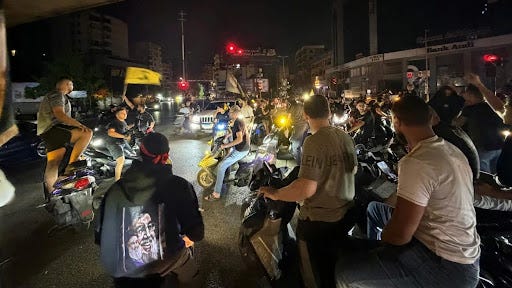
Hezbollah supporters take to the streets in the southern suburbs of Beirut to protest against the trilateral agreement that was signed between the US, Israel and Lebanon on 27 June 2026.
The structural resolution of civil unrest relies entirely on the psychological boundary between the state’s security organs and the public. When military deployments are ordered to break civic blockades, the outcome is rarely decided by the caliber of weapons, but rather by the delicate social contract shared between the uniform and the street.
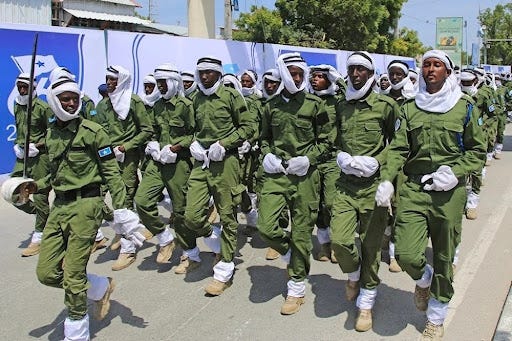
From my perspective, the recent tactical standoff on Beirut’s southern transit lanes marks a fascinating turning point in the mechanics of modern street protest. As political anger boiled over following the controversial Washington framework agreement, hundreds of demonstrators took to the thoroughfares, utilizing burning tires to sever access to the main airport corridor. Yet, when the Lebanese Armed Forces arrived to re-establish state control, they didn’t encounter a rioting mob. Instead, they met a calculated wave of polite solidarity that effectively neutralized their operational mandate, forcing a full tactical withdrawal.
The Strategic Deficit in International Security Pacts
I believe this localized withdrawal exposes a profound structural flaw in the international community’s broader Levant strategy. Under the newly signed peace initiatives, the Lebanese Armed Forces are expected to systematically deploy into volatile border zones to disarm highly disciplined non-state militias. However, if the central command cannot even compel its units to clear a localized civilian road blockade due to internal emotional and social ties, the expectation that these same soldiers will engage in protracted domestic warfare for Western diplomatic goals is a complete geopolitical illusion.
This glaring operational vulnerability is currently driving profound public debate among international policy analysts regarding how domestic military sentiment limits the enforcement of sovereign treaties. Ultimately, I argue that the peaceful resolution on the Beirut tarmac is a powerful reminder that state power has very real human limits. Until international mediators build security frameworks that respect the deep domestic realities of the nations involved, the official decrees signed in foreign capitals will continue to collapse the moment they hit the complex, deeply connected realities of the street.
Frequently Asked Questions
Why did the Lebanese Army choose to withdraw from the protest site? In my view, the unit stood down because the protesters utilized an intentional strategy of polite de-escalation, addressing the soldiers as brothers and neutralizing their willingness to use force.
What does this incident reveal about the Lebanese Armed Forces? I suspect it underscores that the military is highly reluctant to engage in domestic crackdowns that risk shattering its internal cohesion or alienating its baseline civilian support network.
메타데이터
- post_id
- 12b44a2d4358
- slug
- lebanese-army-protest-brotherhood-withdrawal-12b44a2d4358
- url
- https://medium.com/@GoldaMizrahi/lebanese-army-protest-brotherhood-withdrawal-12b44a2d4358
- canonical_url
- https://medium.com/@GoldaMizrahi/lebanese-army-protest-brotherhood-withdrawal-12b44a2d4358
- author_url
- https://medium.com/@GoldaMizrahi
- status
- ok
- fetched_at
- 2026-07-13 06:23:13