Gifu: Crossroads of Conflict
Located at the heart of Japan, Gifu Prefecture boasts a unique geography. Nestled between the imposing Japanese Alps, fertile plains, and…
Gifu: Crossroads of Conflict
Located at the heart of Japan, Gifu Prefecture boasts a unique geography. Nestled between the imposing Japanese Alps, fertile plains, and crucial waterways like the Kiso River, Gifu’s landscape played a significant role in Japan’s turbulent history. Fans of historical dramas like “Shogun,” set during the chaotic Sengoku Era, understand the immense strategic value of such regions, and Gifu — specifically its historical Mino Province — is a perfect example.
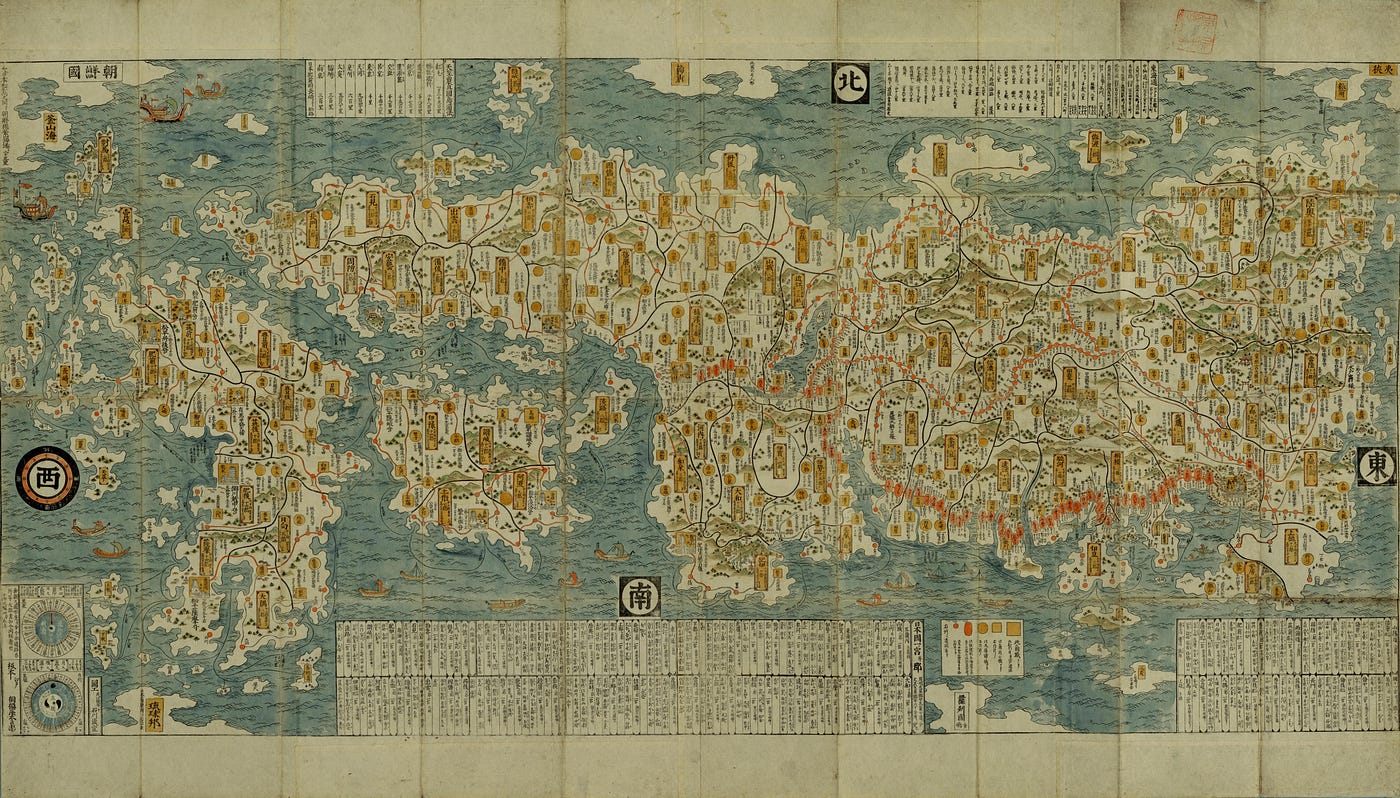
石川流宣//図『日本海山潮陸図』,相模屋太兵衛,元禄4(1691)刊. 国立国会図書館デジタルコレクション https://dl.ndl.go.jp/pid/1286173 (参照 2024–03–25)
Kanto vs. Kansai: A Divided Japan
Japan has historically been divided into two cultural spheres: Kanto (East) and Kansai (West).
- Kanto, centered around modern-day Tokyo, was initially seen as peripheral to the Imperial Court in Kyoto. It developed a reputation for being a land of warriors and a wellspring of military power.
- Kansai, centered around Kyoto, was considered the heart of culture, refinement, and the seat of the Imperial Court for centuries.
This East-West distinction helps us understand the historical significance of Gifu’s position. However, the concept of power being strictly divided between Kanto and Kansai is an oversimplification.
- The rise of the Kamakura Shogunate (1185–1333) marked a major shift towards the Kanto region. Military leaders established their base in Kamakura, solidifying Kanto’s political and military significance.
- However, this wasn’t a permanent change. The Muromachi Shogunate (1338–1573) relocated the Shogunate back to Kyoto, restoring some power balance.
- Finally, the Edo period (1603–1868) witnessed another shift with the Tokugawa Shogunate establishing its base in Edo (present-day Tokyo), once again solidifying Kanto’s dominance.
Mino: A Battleground Between East and West
Due to its location, Mino Province frequently found itself on the fault line between Kanto and Kansai. Controlling Mino meant controlling a key passageway between the two regions. This strategic importance, coupled with its naturally abundant resources, made Mino a constant target for warring factions throughout Japanese history.
Mino’s Geopolitical Importance in Action
- The Jinshin War (672 AD): This power struggle between two imperial princes perfectly illustrates Mino’s strategic value. Prince Tenmu, who eventually became Emperor Tenmu, took advantage of Mino’s location and the loyalty of its people to gather soldiers from Mino and even further east. With this crucial support, he was able to defeat the rival Omi Court. (https://kikimanyo.info/jinshin/english/)
- Owari and Mino as Gateways to Power: During the Sengoku Era (1467–1603), Owari Province (present-day Aichi Prefecture) and Mino were seen as crucial gateways to Kyoto. Controlling these provinces meant influencing the path to both the Imperial Court (Chotei) and the emerging power center of the Shogunate (Bakufu).
Oda Nobunaga’s Rise to Power:
The rise of Oda Nobunaga, a powerful daimyo from Mino, epitomizes the role of geography in power struggles — a theme heavily explored in series like “Shogun.” By seizing control of Mino, Nobunaga gained a central location, fertile lands, and access to crucial trade routes, ultimately propelling him towards becoming a major player in the unification of Japan.
Battle of Sekigahara: A Defining Moment
The legendary Battle of Sekigahara (1600), fought on the plains near Ogaki in Mino, further solidified the province’s significance. While “Shogun” dramatizes similar clashes, Sekigahara and its strategic focus on Gifu provides a powerful real-world example of how vital the region was. This decisive battle between Eastern and Western forces ultimately shaped the course of Japanese history for centuries to come.
Conclusion
Gifu’s unique geography combined with its central location created a crossroads of conflict and cultural exchange. The constant power struggles and movement of people through Mino have resulted in a region that is both diverse and strategically significant. Its legacy continues to resonate today, making Gifu a fascinating destination for those interested in exploring the rich tapestry of Japanese history.
메타데이터
- post_id
- 12e302211c6a
- slug
- gifu-crossroads-of-conflict-12e302211c6a
- url
- https://medium.com/@gifuchannel/gifu-crossroads-of-conflict-12e302211c6a
- canonical_url
- https://medium.com/@gifuchannel/gifu-crossroads-of-conflict-12e302211c6a
- author_url
- https://medium.com/@gifuchannel
- status
- ok
- fetched_at
- 2026-07-24 04:52:57




