Beyond the Surface: The Definitive Guide to Saudi Arabia’s Most Authentic Landscapes and Cultural…
Saudi Arabia has long been a paradox for the global traveler — a land of immense natural and historical wealth, yet one that remained…
Beyond the Surface: The Definitive Guide to Saudi Arabia’s Most Authentic Landscapes and Cultural Treasures
Saudi Arabia has long been a paradox for the global traveler — a land of immense natural and historical wealth, yet one that remained largely inaccessible until the recent opening of its tourism sector. The 2019 introduction of the tourist e-visa marked a seismic shift, transforming the Kingdom from a closed enclave into a frontier for the intrepid explorer. However, the rapid development of mega-projects like NEOM and the Red Sea Project often overshadows the country’s profound, pre-existing assets: its breathtaking Nabataean tombs, its living medieval souqs, its prehistoric rock art, and its terraced highland farms. This guide is not a promotional pamphlet for the new Saudi; it is a rigorous, data-driven deep dive into eight specific, high-integrity destinations that represent the authentic, unfiltered soul of the Arabian Peninsula. We will dissect the history, the logistics, and the critical pitfalls that every independent traveler must navigate to experience these sites not as a tourist, but as a scholar of the landscape.

1. Madain Saleh (Hegra) in AlUla: The Nabataean Gem
Deep Background
While Petra in Jordan receives the lion’s share of global acclaim, Madain Saleh, now officially designated as Hegra, stands as its more austere, less crowded, and arguably more hauntingly beautiful sister. Inscribed as a UNESCO World Heritage Site in 2008, this site is not merely a collection of tombs. It was the southernmost outpost of the Nabataean Kingdom, a civilization that thrived from the 4th century BCE to the 1st century CE. Unlike the opulent, Hellenistic-influenced facades of Petra, the 111 monumental tombs at Hegra exhibit a stark, minimalist elegance carved directly into the sandstone outcrops of the desert. The site’s true significance lies in its role as a critical nexus for the ancient incense trade route, connecting the spice-rich lands of southern Arabia to the markets of the Levant and the Mediterranean. The tombs themselves are a chronological ledger of Nabataean power; over 30 of them bear formal inscriptions detailing the legal ownership and the penalties for unauthorized reuse — a sophisticated legal framework for a nomadic society.
Practical Tips
- Best Time to Visit: October to March. Summer temperatures regularly exceed 45 degrees Celsius (113 degrees Fahrenheit), making daytime exploration physically dangerous.
- Duration: A minimum of four to five hours is required for a meaningful visit. The site is vast, spanning 13.4 kilometers (8.3 miles) from north to south.
- Transportation: Access is strictly controlled. You must book a guided tour through the official AlUla operator, Experience AlUla. Independent vehicles are not permitted within the archaeological zone. The tours depart from the Winter Park or the AlUla Old Town.
- Ticket Expectation: Standard tours range from 150 to 250 SAR (40 to 67 USD) per person, depending on the time of day and the specific itinerary (e.g., sunrise vs. sunset tours).
Insider Advice
- The Qasr al-Farid Trap: The most photographed tomb, Qasr al-Farid (the Lonely Castle), is famously unfinished. Many visitors rush to view it and then leave, missing the exquisite Nabataean well system, the ancient mud-brick settlement of Hegra itself, and the stunning Jabal Ithlib, a natural fissure that served as a religious sanctuary. Do not make this a photo-op destination.
- The Sunlight Factor: The contrast of the stone is best captured in the early morning (7:00 AM to 9:00 AM) or late afternoon (4:00 PM to sunset). Midday light flattens the intricate carvings. Book the “Sunset Tour” specifically.
2. Al-Balad, Jeddah: The Living Museum of the Hijaz
Deep Background
Al-Balad, the historic district of Jeddah, is a UNESCO World Heritage Site that predates the modern oil economy by centuries. Established in the 7th century as a major port for the Indian Ocean trade, it became the gateway for pilgrims arriving by sea to Mecca. The district’s architectural signature is the “Roshan” — intricately carved wooden latticed balconies that protrude from the coral-stone buildings. These structures were not merely aesthetic; they served a profound dual purpose: providing natural air conditioning by directing wind into the rooms while offering privacy from the street below for residents. The district contains over 600 historic buildings, many in critical disrepair, though a systematic restoration program is underway. The Al-Balad souq is not a curated tourist bazaar; it is a functional, chaotic, and authentic market where you can still buy fresh spices, gold, textiles, and traditional perfumes (oud and bakhoor) from families who have traded there for generations.
Practical Tips
- Best Time to Visit: Evening and night, after 6:00 PM. The heat dissipates, and the souq comes alive with locals. Friday evenings are particularly vibrant.
- Duration: A focused walk-through takes two hours, but a serious exploration with stops for photography and shopping requires a full half-day (four to five hours).
- Transportation: Al-Balad is located in central Jeddah. Use ride-hailing apps (Uber or Careem). There is no metro. Driving is chaotic and parking is scarce.
- Dress Code: Modest clothing is essential. For women, covering shoulders and knees is not just a cultural courtesy but a strict necessity to avoid confrontation.
Insider Advice
- The Souq al-Alawi Scam: Many shops in the main thoroughfare have inflated prices for tourists. Avoid buying gold or antiques from the first shop you enter. Instead, walk deep into the narrow alleys perpendicular to the main street (Souq al-Alawi). The prices for textiles and spices will be 30% to 50% lower.
- The Naseef House: This is the most important building to visit. It was the home of the governor and is now a museum. Do not miss the rooftop view, which provides a stunning panoramic shot of the Roshan skyline. It is often overshadowed by the more commercialized Bayt al-Balad.
3. Masmak Fortress, Riyadh: The Birthplace of a Nation
Deep Background
Masmak Fortress is not just a mud-brick castle; it is the physical crucible of the modern Saudi state. In 1902, a young Abdulaziz Al Saud (Ibn Saud) led a daring night raid on this fort to reclaim Riyadh from the rival Al Rashid clan. The event is a foundational myth of the Kingdom. The fort’s architecture is a classic example of Najdi defensive design: thick walls of sun-dried mud brick, conical watchtowers, and a massive, palm-trunk gate. The significance of the site is often underappreciated by international visitors who see it as a simple museum. However, the original spear that killed the fort’s commander, Ibn Ajlan, is still embedded in the wooden gate — a visceral artifact of the battle. The museum inside meticulously documents the unification of the Arabian Peninsula through maps, weapons, and photographs.
Practical Tips
- Best Time to Visit: Winter mornings (9:00 AM to 11:00 AM) for optimal light. The site is indoors, so it is viable year-round, but the adjacent Al-Dirah souq is best explored in cooler hours.
- Duration: 45 minutes to 1.5 hours for the fort itself. Plan an additional hour to walk through the adjacent Al-Dirah Souq (the traditional market).
- Transportation: The fort is in the Al-Dirah district of central Riyadh. Ride-hailing is the easiest method. It is a 15-minute drive from the National Museum.
- Entrance Fee: It is often free for all visitors, or a nominal fee of 10 SAR (2.7 USD).
Insider Advice
- The Underrated Gem Status: Most international tourists skip this in favor of the more modern Kingdom Center or the Murabba Palace. This is a mistake. Masmak provides an essential political and historical context for understanding the entire country. It is an authentic, non-commercialized site.
- The Mosque and Well: Walk to the back of the fort. There is a small mosque and a deep well used by the original garrison. This area is often empty, offering a moment of genuine historical reflection away from the crowds.
4. Abha and the Asir Highlands: The Misty Mountains
Deep Background
The Asir region is a radical departure from the desert stereotype of Saudi Arabia. Abha, the capital, sits at an elevation of 2,200 meters (7,200 feet) above sea level. The landscape is defined by the Sarawat Mountains, which catch the moisture from the Indian Ocean monsoon, creating a unique microclimate of cool mist, juniper forests, and terraced agriculture. The region is home to the Qahtan and Asiri tribes, who have developed a distinct architectural style: the “Rijal Almaa” villages, where tower houses are built from stone and decorated with intricate, colorful quartz geoglyphs and murals. The culture is matrilineal in many aspects, with women historically holding significant land and trade rights. The “Folkloric” dances, such as the “Ardah” with swords and the “Mizmar” with pipes, are remarkably different from the Najdi traditions of the central region.
Practical Tips
- Best Time to Visit: June to September. While the rest of the Gulf bakes in 50-degree heat, Abha has a pleasant 25 to 30 degrees Celsius (77 to 86 degrees Fahrenheit) with frequent, cooling rain. The Asir Season festival runs during this period.
- Duration: A minimum of three days is required to explore the highlands properly. This includes a day in Abha city, a day for the Habala hanging village, and a day for the Rijal Almaa heritage village.
- Transportation: You must rent a 4x4 vehicle. The roads are winding and often foggy. Driving from Abha city to the Habala cable car is about 30 minutes.
- Accommodation: Book a mountain resort or a traditional farm stay (muhallab) in the outskirts. Avoid the main hotels in the city center.
Insider Advice
- The Cable Car Trap: The Habala cable car is the primary tourist attraction. It descends into a deep canyon to a “hanging village.” DO NOT expect a pristine, untouched village; it has been heavily restored and is now a commercialized tourist zone with restaurants and shops. The view from the top of the cable car is spectacular, but the experience is heavily curated.
- The Real Gem: Skip the main Habala site for the village of Rijal Almaa. It is a living museum far less commercialized, where you can interact with locals who still live in the traditional stone towers. It is a 45-minute drive from Abha.
5. Wadi Disah, Tabuk: The Canyon Paradise
Deep Background
Wadi Disah, also known as Wadi al-Disah, translates to “Valley of the Palm Trees.” It is a spectacular 15-kilometer (9.3-mile) long canyon in the Tabuk Province, near the Jordanian border. The geological formation is a deep, narrow fissure carved by ancient rivers through the sandstone mountains. The canyon floor is a lush, green oasis fed by natural springs, supporting a dense grove of date palms, tamarisk trees, and reeds. The vertical walls rise 100 to 200 meters (330 to 660 feet) in stark colors of ochre, red, and beige. This is a place of profound silence; the canyon walls block all external sound, creating a natural amphitheater of tranquility. It is far less developed than the nearby Wadi Qaraqir or the rock formations at the Edge of the World near Riyadh.
Practical Tips
- Best Time to Visit: March to May and September to November. Summer is unbearably hot, and flash floods are a real risk in the winter rains.
- Duration: A day hike to the end of the accessible canyon and back takes 4 to 6 hours. If you are camping, a full overnight is recommended.
- Transportation: The entrance road is unpaved and sandy. A high-clearance 4x4 is mandatory. It is a 1.5-hour drive from the city of Tabuk.
- Camping: Wild camping is permitted but you must bring all your own water. There are no facilities inside the canyon.
Insider Advice
- The Flash Flood Danger: This is the single most critical piece of advice. Do not enter the canyon if rain is forecasted in the Tabuk mountains. The water can rise from a trickle to a raging torrent in minutes, with no escape route. Check the Saudi meteorological authority’s forecast for the “Tabuk Highlands” specifically.
- The Walking Path: Do not drive a regular sedan on the sandy floor. Many tourists get stuck. Park at the designated entrance gravel lot and walk. The canyon is best explored on foot, allowing you to appreciate the scale and the sound of the rustling palms.
6. Half Moon Bay, Dammam: The Red Sea’s Best Beach
Deep Background
Half Moon Bay, located south of Dammam in the Eastern Province, is a crescent-shaped beach on the Arabian Gulf, not the Red Sea as the original list mistakenly suggests. This is a critical geographic correction. It is the premier coastal recreation spot for the entire Eastern Province region, serving the populations of Dammam, Khobar, and Dhahran. The water is exceptionally shallow and warm, with a gentle slope that extends hundreds of meters offshore. The bay is protected from strong waves, making it ideal for family swimming, kayaking, and paddleboarding. The “Red Sea’s best beach escape” in the original prompt is a misnomer; the Red Sea is on the western coast, near Jeddah. The true value of Half Moon Bay is its accessibility and its kite-surfing conditions.
Practical Tips
- Best Time to Visit: November to April. The water temperature is refreshing. The summer months (June to August) are excessively humid and hot, with water temperatures exceeding 33 degrees Celsius (91 degrees Fahrenheit).
- Duration: A full day. Arrive early (8:00 AM) to secure a good spot.
- Transportation: You will need a car. The beach is a 30-minute drive from Dammam city center. Uber is available but costly for the return trip.
- Facilities: There are many private resorts, but the best option for independent travelers is the public beach areas managed by the municipality. They have basic toilets and some food vendors.
Insider Advice
- Kite-Surfing Hub: The bay is a known destination for kite-surfing and windsurfing. The consistent onshore wind from the north (the “Shamal”) creates ideal conditions. If you are not a kite-surfer, this means the wind can make sunbathing uncomfortable. Bring a windbreaker or a beach shelter.
- The Resort Scam: Many private “beach resorts” charge 100–200 SAR per person for entry and offer nothing but a sandy area. The public beaches are free and often cleaner. Avoid the “Gold Coast” resorts unless you are looking for a specific restaurant.
7. Jabal Shammar, Hail: Prehistoric Art and Galactic Skies
Deep Background
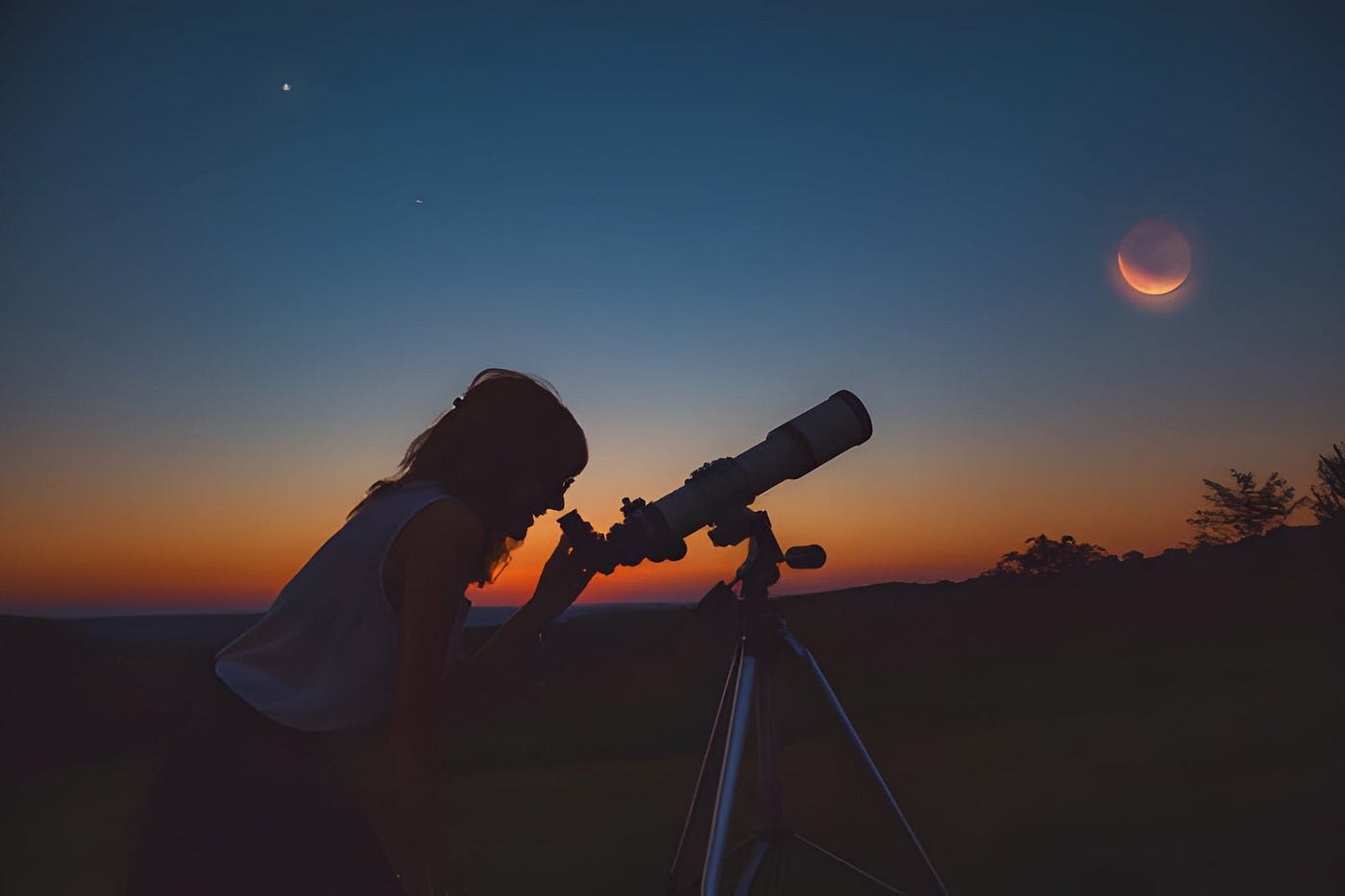
The Hail region, dominated by the vast, granite massif of Jabal Shammar, is one of the most under-touristed areas in Saudi Arabia. Its primary archaeological treasure is not a building but a landscape. The region contains the Jubbah and Shuwaymis sites, UNESCO World Heritage sites, which house some of the world’s most significant collections of prehistoric rock art. These petroglyphs, carved into sandstone boulders over 10,000 years ago, depict hunting scenes with now-extinct animals like the Arabian oryx, ibex, and the African wild ass. The art provides a visual record of a radically different climate — a lush savanna with rivers and lakes, rather than the hyper-arid desert of today. The area is also a premier dark-sky destination. With minimal light pollution, the Milky Way is visible to the naked eye with stunning clarity.
Practical Tips
- Best Time to Visit: October to March. The nights are cold (5 to 10 degrees Celsius) but clear. Summer is brutally hot.
- Duration: A two-day/one-night trip is the minimum. Day one for the rock art sites, night for astronomy.
- Transportation: You need a 4x4 to reach the Jubbah rock art site, which is located in a remote wadi. The main road to Hail is good, but the final 10km to Jubbah are unpaved.
- Accommodation: Camping is the only real option for the star-gazing experience. There is a basic “heritage resort” in the town of Hail, but it is 60 km away. Bring a high-quality tent and a 0-degree sleeping bag.
Insider Advice
- The Rock Art Protocol: Do not touch the petroglyphs. The oils from your skin accelerate erosion. Do not attempt to make “rubbings” of the carvings. Photography is allowed, but flash photography can damage the patina of the stone over time.
- The Astronomy Problem: The light dome from the city of Hail (population 600,000) creates a glow on the western horizon. To achieve true dark-sky conditions, drive 20km east of the Jubbah site, away from the city.
- The Camel Ride Scam: In the main Jubbah parking area, locals may offer camel rides for 100 SAR. These are often short and overpriced. Skip it and focus on the walk.
8. Taif: The City of Roses
Deep Background
Taif is the summer capital of Saudi Arabia, a mountain city at 1,879 meters (6,165 feet) elevation, known for its cool climate, its rose farms, and its status as a former summer residence of the royal family. The Taif rose, a specific variety of Rosa damascena introduced from Turkey in the 16th century, is the city’s claim to fame. The rose harvest occurs in the spring (March to May), when the hillsides are covered in pink blossoms. The petals are hand-picked at dawn and distilled to produce rose water and rose oil (attar), which
Stay Connected: Worry-Free Internet Staying online during your travels is crucial. Roami provides high-speed 5G eSIMs with stable coverage across the country. No need to swap physical SIM cards — get connected the moment you land. Click the link below to claim your promo code: use code web20 for 20% off.
👉 Claim your Saudi Arabia eSIM promo code
메타데이터
- post_id
- 12e68bec3492
- slug
- beyond-the-surface-the-definitive-guide-to-saudi-arabias-most-authentic-landscapes-and-cultural-12e68bec3492
- url
- https://medium.com/@roamiapp/beyond-the-surface-the-definitive-guide-to-saudi-arabias-most-authentic-landscapes-and-cultural-12e68bec3492
- canonical_url
- https://medium.com/@roamiapp/beyond-the-surface-the-definitive-guide-to-saudi-arabias-most-authentic-landscapes-and-cultural-12e68bec3492
- author_url
- https://medium.com/@roamiapp
- status
- ok
- fetched_at
- 2026-06-16 19:09:56