My Italian Husband Thought My Father Called Him a Bad Person
The Japanese textbooks don’t teach this.
My Italian Husband Thought My Father Called Him a Bad Person
The Japanese textbooks don’t teach this.

Image generated using ChatGPT.
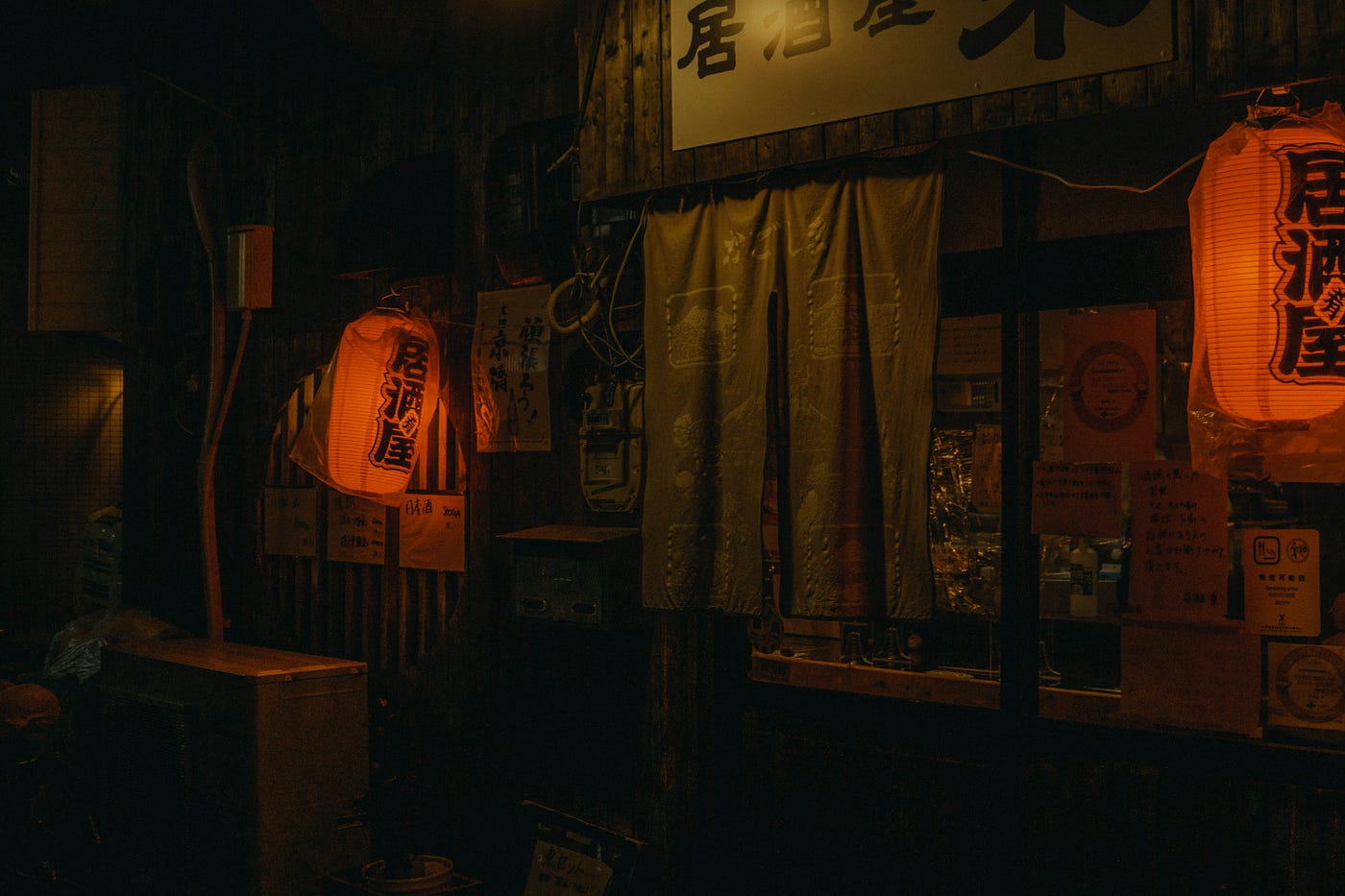
My husband is Italian, and he’s been studying Japanese very seriously. His favorite places to practice Japanese are our local standing bar and conversations with my father.
Our neighborhood standing bar is full of Osaka regulars who speak fast, heavily accented Kansai dialect. My father isn’t much easier — he has spent his entire life in Osaka and speaks nothing but authentic Osaka dialect.
As a Japanese teacher, I honestly think those are two of the hardest places for a beginner to practice. Asking a beginner to survive in a Japanese standing bar is like putting a toddler on a Harley-Davidson and saying “Good luck!”
I’ve suggested many times that maybe he should start with a tricycle instead. But he’s the kind of person who wants to ride at full speed from day one.
Fortunately, my parents adore him. Almost every weekend, he visits them, cooks Italian food, helps in the garden, and spends hours chatting with them in his still-imperfect Japanese.
One day, as we were leaving my parents’ house, my father walked us to the front door, smiled, and said,「いつも悪いなあ。」(Itsumo warui naa.) “I always feel bad.” (literal translation)
My husband froze. “What do you mean? Did I do something wrong? Was I rude?”
My father looked completely confused. He had simply come to see us off. Now this Italian man was suddenly asking if he had done something wrong.
The atmosphere became… a little awkward. So I stepped in. “Okay, okay. Everyone, calm down.”
I turned to my husband and said, “When my father says 悪いな (warui na), he doesn’t mean ‘I always feel bad’ in the literal sense. He means, ‘I feel bad that you always do so much for us.’ In other words… ‘Thank you.’”
Then I turned to my father and said, “Dad, he thought you literally meant he had done something wrong.”
My father burst out laughing. “No, no! That’s not what I meant at all!”
My husband laughed too…but only a little. On the drive home, he kept saying, “Are you sure? Maybe your father actually thinks I’m a bad person. Maybe he was just being polite when you translated it.”
No matter how many times I explained it, he wasn’t completely convinced.
Hidden Japanese
This is one of those expressions that almost never appears in Japanese textbooks.
When Japanese people say:
- 悪いね (warui ne)
- 悪いな (warui na)
- 悪かったね (warukatta ne)
they often don’t literally mean: “I feel bad.”
Instead, they’re really saying something closer to: “I feel sorry for making you do so much.” Which is another way of saying: “Thank you.”
Japanese people often express gratitude through a feeling of apology rather than saying “thank you” directly.
To many learners, this feels completely backwards. But once you understand it, you’ll start hearing 悪いね (warui ne) everywhere. And that’s exactly the kind of Japanese that textbooks don’t teach.
메타데이터
- post_id
- 12fa151cad8f
- slug
- my-italian-husband-thought-my-father-called-him-a-bad-person-12fa151cad8f
- url
- https://medium.com/japonica-publication/my-italian-husband-thought-my-father-called-him-a-bad-person-12fa151cad8f
- canonical_url
- https://medium.com/japonica-publication/my-italian-husband-thought-my-father-called-him-a-bad-person-12fa151cad8f
- author_url
- https://medium.com/@kaoru59kimura
- status
- ok
- fetched_at
- 2026-07-14 13:23:55