Why BNPL Feels Safer Than a Credit Card
Buy Now, Pay Later lowers the number you see at checkout, but the same paycheck still has to carry the payment later.
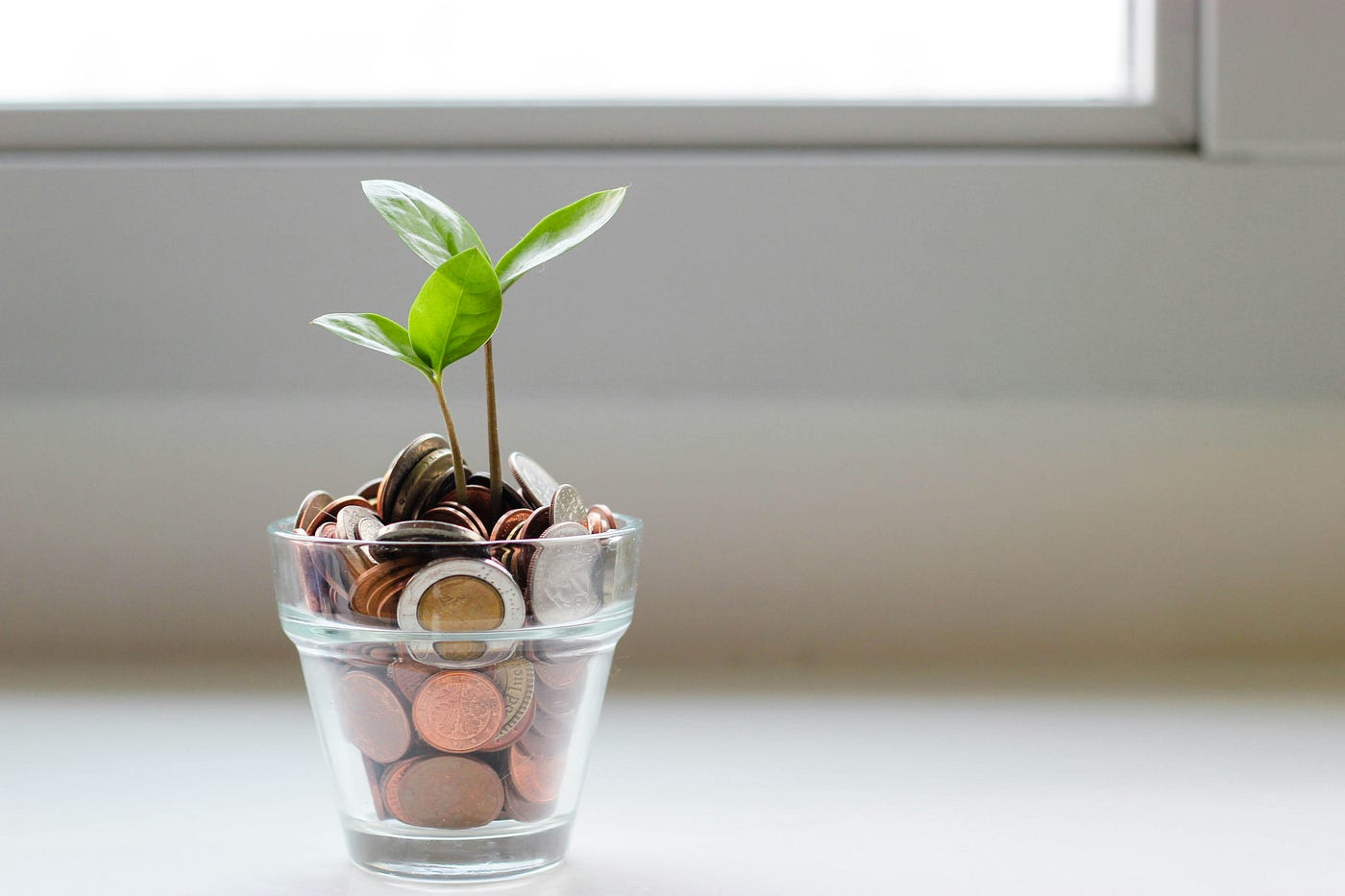
Photo by Alghozy on Unsplash.
Why BNPL Feels Safer Than a Credit Card Even When It Can Hurt the Same Wallet
Buy now, pay later offers no plastic card, so it feels like there’s no interest rate or giant credit card balance staring back at you. It’s a clean checkout screen that turns one full price into a smaller payment today.
A $160 cart becomes $40 now, or $200 to $50, so the heavy bill suddenly feels manageable.
That is why BNPL can feel safer than a credit card even when it still pulls from the same paycheck, competes with the same rent, and weakens the same future cash flow.
Why BNPL feels safer than a credit card
BNPL feels safer because it frames borrowing as a payment plan, not a debt balance (a term people hate to hear).
Debt in visible in a credit card.
You see a credit limit, a balance, a minimum payment, an interest rate, and a due date.
Even if you do not understand every detail, the product carries a warning label in your mind.
BNPL feels softer.
It does not lead with the word “debt.” It leads with the word “installment,” making it sound like smart planning. It does not ask you to carry a balance. It does not feel like borrowing from a bank.
That framing matters because people do not always react to the full cost of a purchase, but to the number placed in front of them.
But the emotional trick is: BNPL places the smallest number in front of you first.
The full price does not disappear
BNPL does not erase the full price, but only moves part of the price into the future.
That sounds obvious, but it is easy to forget at checkout because the first payment becomes the number your brain treats as real. The rest becomes “later.”
Later feels lighter than now.
But later still lands on a real day. This is where BNPL starts to hurt the same wallet a credit card would hurt.
The product may look different, but the repayment source is usually the same: your next paycheck.
If that paycheck already has a job, BNPL is not giving you more money, but takes a place in line.
BNPL and credit cards are different products, but they pressure the same cash flow
BNPL and credit cards both turn today’s purchase into tomorrow’s obligation.
A credit card usually gives you one revolving balance. If you do not pay the full balance, interest can start working against you.
BNPL usually gives you fixed installments. Some short-term plans charge no interest when paid on time. That can make BNPL cheaper than a credit card in the right situation.
But cheaper does not automatically mean harmless.
You can stack multiple BNPL plans today because it felt affordable now. But a zero-interest plan can still cause a cash-flow problem if the payment arrives before the money does, because you decrease your margin in case you face financial emergencies in the future.
BNPL better than a credit card by default. You must still ask:
“Can my next paycheck survive this payment without forcing me to borrow again?”
The smaller payment creates a smaller mental purchase
Without BNPL, the question is:
“Can I afford $200?”
With BNPL, the question becomes:
“Can I afford $50 today?”
But the first question checks the full cost. The second question checks the first step. And when money feels tight, the first step is easier to justify.
This is why BNPL can quietly turn a “no” into a “yes.”
Not because the item became cheaper, but because the decision became smaller.
A smaller decision feels safer, feels less serious, and gives you room to say, “I’ll handle the rest later.”
A credit card feels more dangerous because it shows the damage
Credit cards feel riskier because the damage is easier to see.
You open the app and see a huge balance. That might feel uncomfortable, but is sometimes useful because you get the total sum, allowing you to decide whether you can actually afford it or not.
BNPL often feels cleaner because the debt is usually broken apart on the checkout. That is why BNPL can feel emotionally safer while making the repayment picture harder to track.
You may not feel “in debt” because no single number looks alarming. But your paycheck feels the total, not the packaging.
BNPL is not always bad
BNPL is not automatically bad, nor is credit.
A payment plan can make sense when the purchase is planned, and you can clearly see the full price right away. It’s also strategic if you can tell your repayment source is secure, and the installments fit your budget without touching essentials.
BNPL can be a strategy when it protects cash flow without creating another cash-flow problem.
For example, a planned household item with a fixed price, no interest, and payments that fit inside money you already expected to receive can be manageable.
But BNPL becomes a trap when it is used to make a purchase feel affordable before the full cost has been checked.
That is the difference between credit as strategy and credit as culture.
Credit as strategy asks:
- What is the total cost?
- Where will the repayment come from?
- What happens if income drops?
- Will this improve my position or weaken my next paycheck?
Credit as culture says:
- It is only a small payment.
- I deserve this.
- I will pay it later.
- Everyone uses it.
- At least I got approved.
- I will fix it next month.
The habit is the issue, not the product.
The real warning sign is relief
Relief is the emotional trigger that makes BNPL powerful.
You feel pressure at checkout. The full price feels too large. Then BNPL gives you a smaller number, and your body relaxes.
That relief can be useful if it helps you manage a planned expense.
But it can also be a warning sign.
If the only reason a purchase feels possible is that BNPL splits the total amount into smaller pieces, then you can’t truly afford it.
That does not mean you are stupid. It means the checkout design is doing exactly what it was built to do.
It reduces resistance.
It makes the “yes” easier.
It turns financial pressure into a payment schedule.
Use the “same-wallet test” before choosing BNPL
The same-wallet test is simple:
- Before using BNPL, write the full purchase price beside your next paycheck.
Not the first payment.
“The full price.”
Then write every installment date under it.
If the full price would weaken your essentials, BNPL does not make the purchase affordable. It only spreads the damage.
If the installment dates collide with the essentials, like rent, food, and transport, the purchase is not harmless. A new BNPL purchase is even more damaging if you have existing debt payments or other BNPL plans, because if you can’t pay them all, your interest or penalties (which could’ve been easily avoided) adds up.
If you need another form of credit to survive after using BNPL, the plan did not protect your cash flow. It only delayed the pressure.
The clean rule
- Use BNPL only when the full price already fits your budget.
- Never use BNPL to make the price fit.
If you can afford the full purchase but prefer to spread the payment for timing, BNPL is a great tool.
If you cannot afford the full purchase and the installment is the only reason you are saying yes, pause.
The smaller payment is not proof that the purchase is safe and affordable.
Final thought
BNPL feels safer than a credit card because it removes the emotional weight of debt.
It does not show you one large balance. It does not lead with interest. It does not feel like borrowing.
It feels like choosing a smoother way to pay.
But your wallet does not care how the product feels.
Your wallet only feels the due dates.
So before you click the BNPL button, ignore the first payment for a moment. Look at full price, next paycheck, and what that paycheck already needs to cover.
If the purchase cannot survive full-price math, four small payments will not make it safe.
메타데이터
- post_id
- 1354cce4bc09
- slug
- why-bnpl-feels-safer-than-a-credit-card-1354cce4bc09
- url
- https://medium.com/@Matt__Xavier/why-bnpl-feels-safer-than-a-credit-card-1354cce4bc09
- canonical_url
- https://medium.com/@Matt__Xavier/why-bnpl-feels-safer-than-a-credit-card-1354cce4bc09
- author_url
- https://medium.com/@Matt__Xavier
- status
- ok
- fetched_at
- 2026-06-26 21:52:29